
Comfort and Convenience: Hotels
Did you know that business hotels in Japan often start around ¥7,000 per night, while mid-range international hotels usually sit between ¥12,000 and ¥30,000? Hotels win on predictable check-in times, daily housekeeping, and easy payment with major credit cards. See what I mean?
Fact: international chains such as Park Hyatt Tokyo, Hilton Tokyo, and APA Hotel operate hundreds of rooms with front desk staff trained to help foreign guests. On the flip side, these places can feel the same anywhere in the world, so you might miss a sense of place. Personally, I value a hotel when I'm in Tokyo for work or studying Japanese because fast Wi-Fi and a quiet workspace make self-study easier.
Multilingual Service and Digital Comfort
Here's the thing: many larger hotels offer English-speaking staff, printed maps, and sometimes concierge links to local language schools or tours. A great example is Park Hyatt Tokyo, which was popularised by the film Lost in Translation in 2003, and it's known for high service standards. While we're at it, apps like Google Translate and hotel concierge services usually cover the basics, so booking and orientation are smoother for learners. Not bad, right?
Tradition and Culture: Ryokan
Question: are you after an experience that feels uniquely Japanese, with tatami floors and a dinner that’s a ritual? Ryokan deliver that in spades, especially in onsen towns like Hakone in Kanagawa Prefecture or Kinosaki Onsen in Hyogo Prefecture. Classic Japan, isn't it?
Anecdote: I once stayed at a ryokan in Kyoto's Gion district and was greeted with tea and seasonal sweets, then guided to a room with 畳 tatami and a low table. The staff explained the evening kaiseki course and later laid out the 布団 futon for sleep. Wild, isn't it?
Typical Ryokan Features and Etiquette
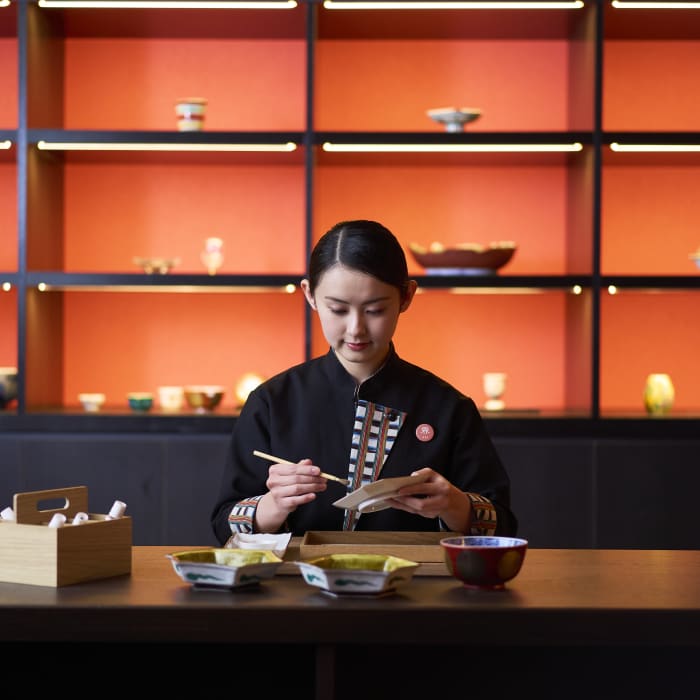
Take a ryokan, for instance: most provide yukata, shared or private bathing in an 温泉 onsen if available, and meals included in the room rate. Oh, almost forgot: you must remove your shoes before entering, and many ryokan expect quiet hours after dinner. My tip? Learn a few phrases like thank you and excuse me, and study the kanji for signs you might encounter. Personally, I especially like the slow pace of a ryokan stay for focused language practice and cultural observation.



Price, Location, and What You Actually Get
Fact: ryokan prices are usually quoted per person and often include dinner and breakfast, so a two-night stay can add up quickly. Expect typical ryokan prices from around ¥15,000 per person up to ¥50,000 or more for luxury properties. Hotels will often be cheaper per night if you skip full-board meals.
Direct address: if you're short on time and want to stay central, hotels in city centres like Shinjuku, Shibuya, Osaka Namba, or near Kyoto Station are more practical. But let's stick with locations for now. On the flip side, if your goal is a cultural deep dive, choose Hakone, Kinosaki, or a ryokan tucked into a Kyoto machiya district. Wait, there's more.
Budget Tips and Booking Advice
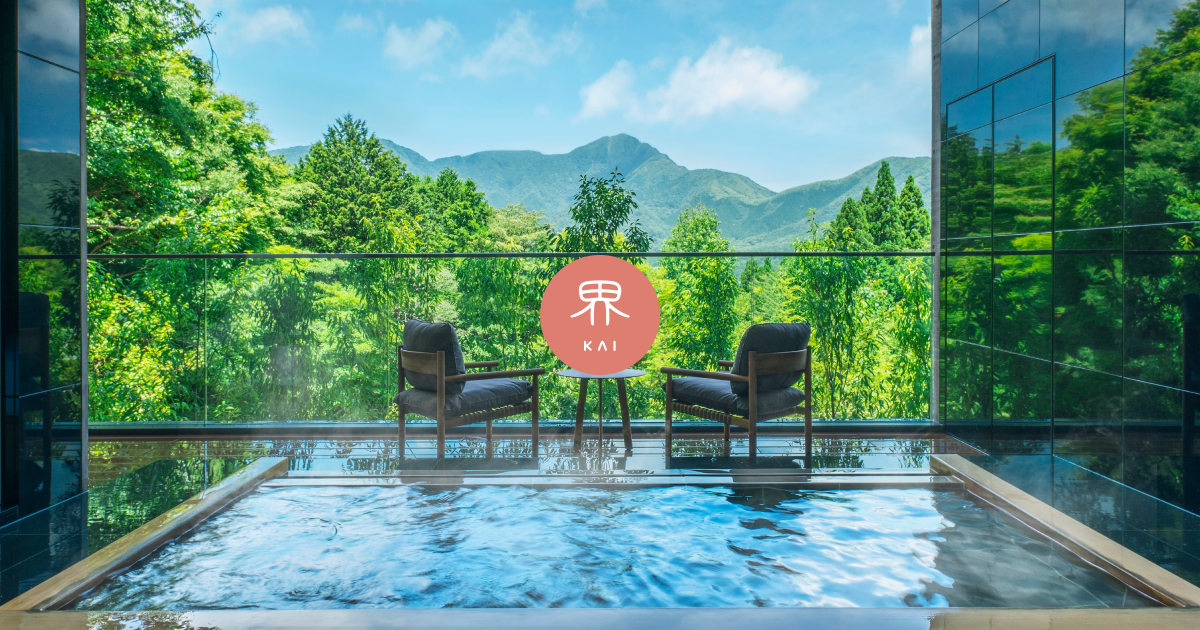
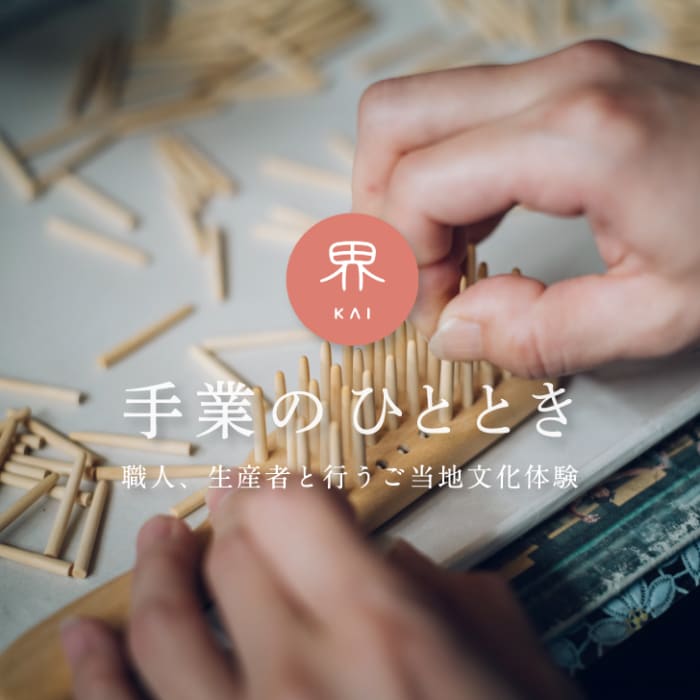
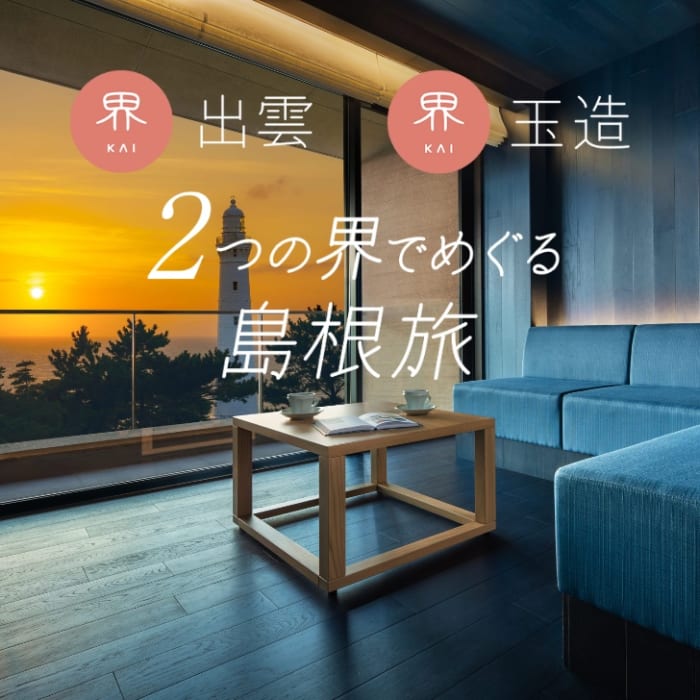
Ever wondered why some ryokan book months ahead? Popular properties in Kyoto and onsen towns sell out, especially during cherry blossom season and Golden Week. Book early, consider weekday stays, and compare prices on Japanese booking sites. A great example is Hoshino Resorts KAI, a modern ryokan brand with locations in Atami and Karuizawa that blends tradition with high service standards, and they often list English-friendly booking details. See what I mean?
Which Should You Choose: Comfort or Tradition?
Did you know that mixing both can be ideal for a two-week trip, with city hotels for Tokyo and Osaka, and one or two ryokan nights to recharge? Hotels are a safer bet for beginners in Japanese due to multilingual support and consistent facilities. On the flip side, ryokan offer real cultural immersion and are unforgettable for learners wanting hands-on practice with etiquette vocabulary.
Direct address: if you're learning Japanese, try a ryokan night even if it's pricier. You get exposure to seasonal food vocabulary, polite speech, and traditional settings that textbooks can't replicate. My tip? Pick one ryokan with a private onsen if you're nervous about communal baths. Not bad, right?
Frequently Asked Questions
Which is better for first-time visitors?
Short answer: a hotel for convenience, plus one ryokan night for cultural experience.
Do ryokan always include meals?
Short answer: many do, especially dinner and breakfast, but check the booking details.
Are onsen suitable for foreigners?
Short answer: yes, though etiquette like washing before entering and no tattoos rules may apply.


