
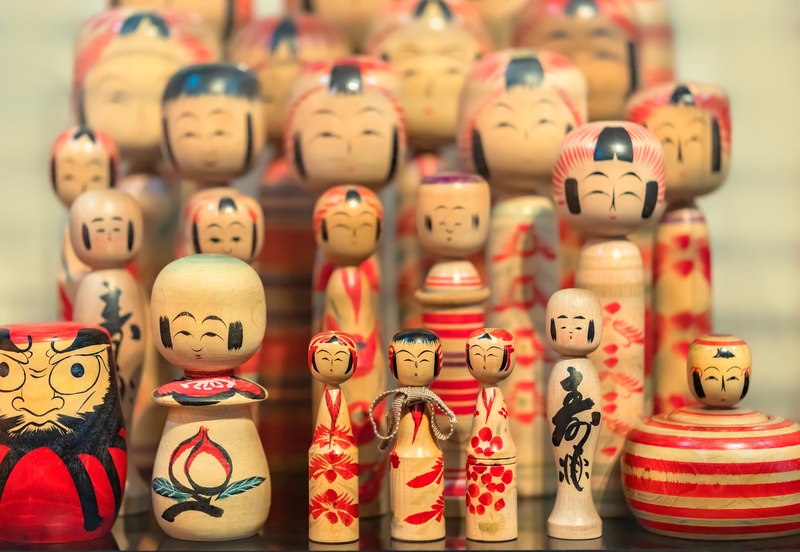
Why Tohoku is the birthplace of kokeshi
No joke, the northeastern region of Honshu, known as Tohoku, gave birth to what we now call こけし (kokeshi). Local woodworkers serving guests at mountain 温泉 (onsen) developed simple, hand-turned wooden dolls in the late Edo to Meiji periods. The reason is simple: plentiful wood, many onsen visitors, and craftsmen who wanted small, durable souvenirs that could travel home easily. From my experience, those early exchanges between artisans and bathers shaped both the forms and the local pride.
Naruko Onsen and Togatta Onsen, Miyagi: two contrasting kokeshi hubs
Ever wondered why two towns inside the same prefecture produce different kokeshi? Naruko Onsen in Miyagi is world-famous for Naruko-style kokeshi, often characterised by crisp painted patterns and a distinctive head shape. Let me show you why Naruko matters: the town's hot spring network dates back over 1,200 years, and modern collectors still visit the Naruko Kokeshi Museum to see works by masters and local artists.
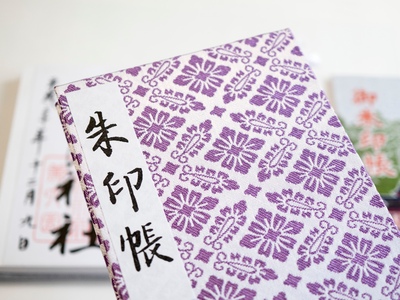
Naruko style details and tips
What most people don't know is that authentic Naruko pieces often carry the maker's signature or stamp on the bottom. Prices vary a lot; expect simple tourist dolls from around 1,000 to 3,000 yen, while signed artisan pieces can be 10,000 to 50,000 yen or more. My tip is to look for smooth grain on the body and layered paint strokes; they show handwork. Sounds good, right?
Togatta Onsen: quieter, but creative
Question: does smaller mean less interesting? Not at all! Togatta Onsen has its own local kokeshi makers and a softer aesthetic compared to Naruko. No exaggeration here: Togatta pieces can delight with quirky faces and playful motifs, perfect for learners of Japanese who want to practice describing shapes and colours out loud. From my experience, buying here comes with a story from the maker, and that adds value.
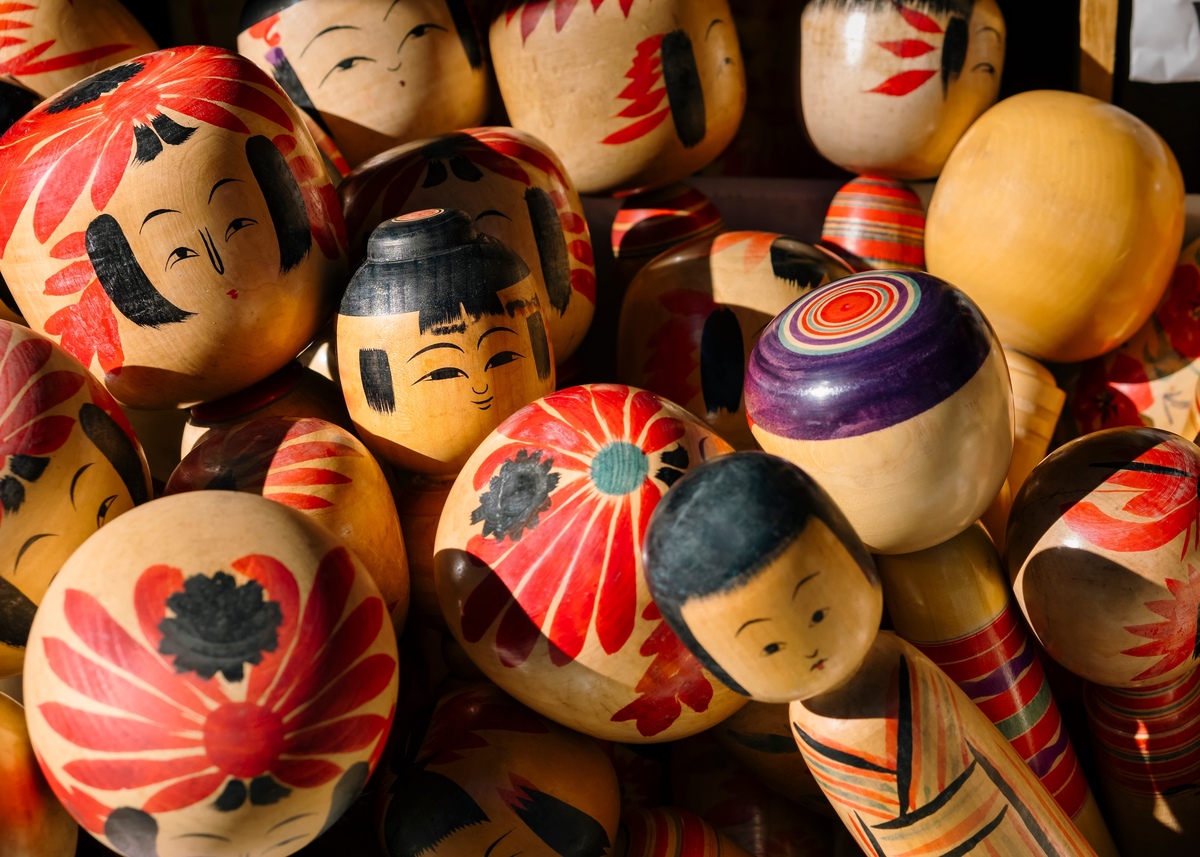
Tsuchiyu Onsen, Fukushima and Hijiori Onsen, Yamagata: styles from the south and west of Tohoku
To be fair, Tsuchiyu Onsen in Fukushima is often associated with a compact, rounded kokeshi form that collectors seek for a balanced display. The town is near Fukushima city and has been a bathing site since at least the Edo period, so the craft evolved alongside a steady flow of visitors. This is my absolute hidden gem!
Tsuchiyu characteristics
Let me show you why Tsuchiyu pieces are distinct: they tend to use warmer pigments and minimal facial lines. The bottom often shows the maker's kanji or a workshop seal. No joke, some pieces made after World War II carry dates and maker names that help learners practice reading basic kanji.
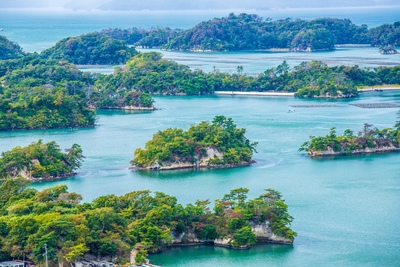



Hijiori onsen kokeshi
Oh, almost forgot: Hijiori Onsen in Yamagata produced a recognisable style with elongated bodies and elegant brushwork. What I especially like is the subtle, restrained painting which often reflects Yamagata's quieter mountain aesthetic. The region also hosts small craft fairs where you can speak directly with makers. From my experience, those conversations teach you vocabulary faster than a textbook.
How to buy kokeshi: practical tips and language pointers
Direct address: if you're hunting for an authentic piece, bring cash and learn a few phrases. The practice will help you remember names like Naruko, Togatta, Tsuchiyu, Hijiori and terms such as 民芸 (mingei) for folk craft. The reason is simple: many smaller stalls don't accept cards, and sellers appreciate a polite greeting in Japanese.
Let me show you a quick checklist: check for a maker's signature, examine the wood grain, compare paint layers for handwork, and ask about the year if the seller knows it. My tip is not to assume a higher price equals better value. Some contemporary artists charge more because they're known, but regional masters can be great finds at mid-range prices. To be fair, condition matters too; vintage cracks reduce value, but minor age marks add character.
Basically, buy where you can hear the story. The narrative behind a kokeshi, who made it, where and when, is the real souvenir. My verdict is that a kokeshi bought in an onsen town with a small chat is worth more than a mass-produced doll from a big city shop.
In pictures
Frequently Asked Questions
Where did kokeshi originate?
Kokeshi originated in the Tohoku region of Japan, where woodworkers sold them around hot spring towns as souvenirs.
How much should I expect to pay for a real kokeshi?
Simple souvenir dolls often cost 1,000 to 3,000 yen, while signed artisan pieces can range from 10,000 to 50,000 yen or higher.
Can I bring kokeshi home on a plane?
Yes, kokeshi are compact and durable. Pack them in clothing inside your luggage to avoid knocks.


