Mount Fuji Japan Travel Guide – quick facts
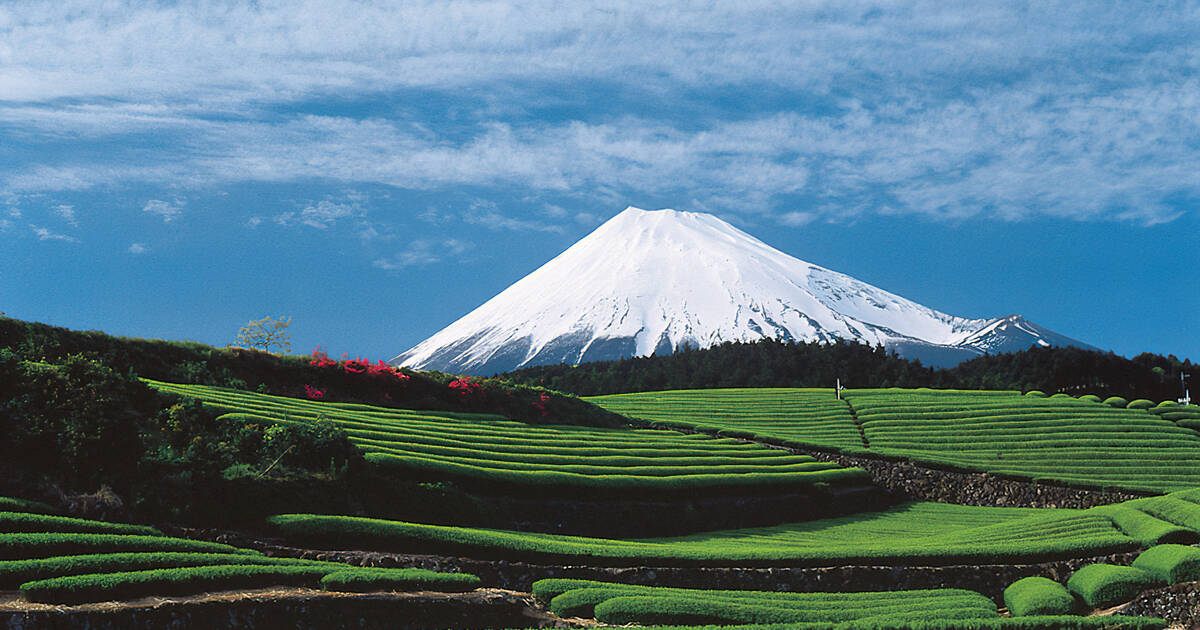
Ever wondered why Mount Fuji (elevation 3,776.24 m) is such a magnet for travellers? No wonder, because it was inscribed on the UNESCO World Heritage List in 2013 as 'Fujisan, sacred place and source of artistic inspiration'.
Plot twist: the mountain isn't just a climb; it's a cultural experience, wrapped in Shinto shrines, seasonal festivals and local omiyage. My tip? Respect local customs at Sengen Taisha and don't treat the climb like a mere Instagram stop. See what I mean?

Best ways to see Mount Fuji: viewpoints and day trips
Picture this: clear weather, Lake Kawaguchi reflecting Fuji, and a photographer's dream frame. The Fuji Five Lakes area, especially Lake Kawaguchi, offers some of the easiest and most reliable views, with Kawaguchiko Station reachable from Tokyo in about 2 to 2.5 hours by JR and Fujikyu Railway when you avoid the weekday rush.
Classic viewpoints
Did you know that Chureito Pagoda provides the iconic pagoda-with-Fuji shot, especially in cherry blossom season? By the way, another classic is the Arakurayama Sengen Park overlook. No exaggeration: go early for sunrise; it makes all the difference. Wait, there's more.
From Tokyo: day trip options
Direct highway buses leave from Shinjuku to Kawaguchiko in roughly 2 hours, run by Fujikyu Bus. Or you can take the Odakyu Romancecar plus local buses for a slightly slower but scenic route. Insider tip: book express buses in high season; July to early September is climbing season, and demand spikes. Convinced yet?
Climbing Mount Fuji: routes, season and practical gear
The first time I went to Japan, I underestimated altitude and learned fast. Climbing season is officially from 1 July to around 10 September, depending on trail conditions and local authorities. Yoshida Trail, Subashiri, Gotemba and Fujinomiya are the four main routes, each with numbered 'stations' that mark progress.
Route specifics and numbers
Yoshida Trail is popular for access from Kawaguchiko, starting at Subaru Line 5th Station at about 2,305 m. Fujinomiya Trail is the shortest route vertically, starting from Fujinomiya 5th Station near Shizuoka. Gotemba Trail is the longest and steepest, famous for its loose volcanic sand. While we're at it, mountain huts, called yamagoya, operate during the season and often require reservations if you plan a night ascent.



Gear and safety
Basically, bring a warm jacket, sturdy boots, a headlamp for night climbs targeting sunrise, and layers for rapid weather changes. Altitude sickness can affect anyone above 2,500 m, so pace yourself, drink water, and consider acclimatisation stops. No wonder, because conditions change fast above 3,000 m. Wait, there's more.
Tours, planning, language tips and cultural context
Do you prefer a guided approach? Several operators run guided day trips and overnight climbs from Tokyo, including small-group tours that include transport, guides and a reserved mountain hut. Tomogo Travel has a range of articles and itineraries worth checking for inspiration and local insights; click their Mount Fuji tag for sample itineraries.
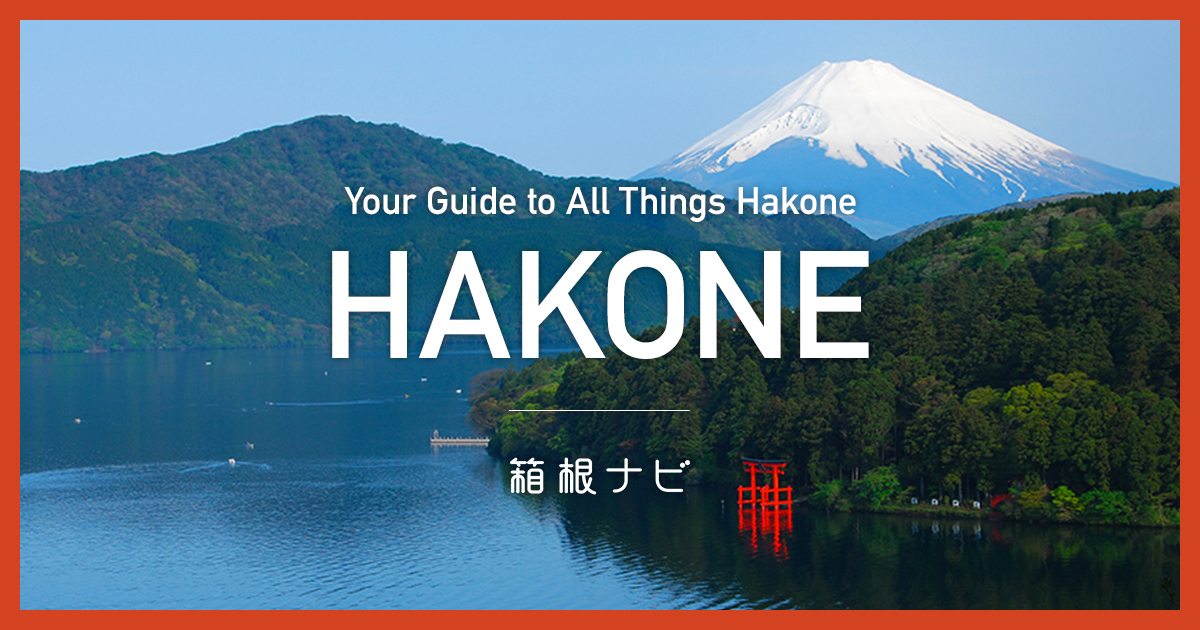
By the way, if you don't plan to climb, consider a Hakone day trip for views from the Hakone Ropeway, or a Fuji Five Lakes cruise on Lake Ashi or Kawaguchi. And it gets better: local buses connect most major viewing spots, but schedules thin out after sunset.
Ever wondered why mountain shrines matter? Fujisan has long been a Shinto pilgrimage site, with Sengen Taisha shrines at the base. Learning a few words in Japanese helps, like greetings and simple phrases for asking about bus times. This enriches the experience and helps when you need directions at a small bus stop. See what I mean?
No exaggeration: my absolute hidden gem is the less-crowded northern lakeshore at Oishi Park early in the morning. This is my absolute hidden gem! Insider tip: check local weather forecasts and Mt. Fuji webcam feeds before you leave Tokyo.
Frequently Asked Questions
When is the official climbing season?
Officially from 1 July to around 10 September, though dates can vary with weather and local authorities.
Do I need to book a guide or can I climb alone?
You can climb independently during the season, but guided tours are recommended for first-timers and those worried about language and safety.