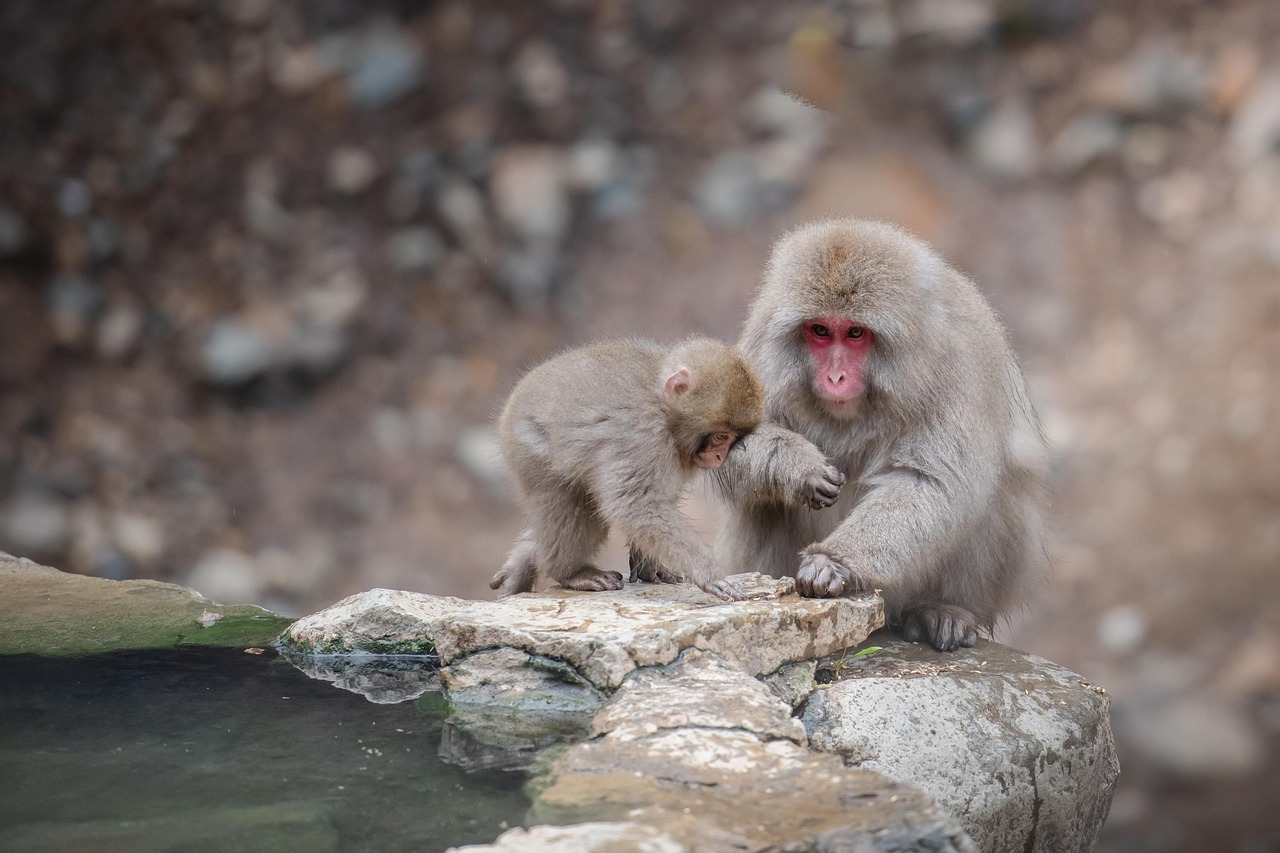
What Is the Nippon no Onsen 100 Sen Ranking?
The 温泉 (onsen) = "hot spring" culture in Japan is ancient, rooted in the Shinto belief that natural hot water carries purifying power. But in the modern era, it also comes with a ranking system. The Nippon no Onsen 100 Sen – which translates roughly as "Japan's 100 Selected Hot Springs" – is compiled and published by the Kanko Keizai Shimbun, a specialist newspaper covering Japan's tourism economy. The selection process evaluates factors including water quality, the cultural heritage of the resort area, accessibility, hospitality infrastructure, and the overall atmosphere of the hot spring town.
What makes this list particularly meaningful is that it does not simply measure visitor numbers or social media popularity. It weighs authenticity and the preservation of traditional onsen culture – making it a reliable guide for travellers who want more than just a photo opportunity. For 2025, the ranking highlights three destinations that balance natural splendour with deeply rooted local identity.
Japan's Top 3 Onsen Towns for 2025
1. Kusatsu Onsen, Gunma Prefecture
Topping the 2025 list is Kusatsu Onsen, located in Gunma Prefecture roughly 200 kilometres northwest of Tokyo. Kusatsu is perhaps Japan's most celebrated hot spring resort, and its continued dominance in rankings like this one is no coincidence. The town sits at approximately 1,200 metres above sea level and produces an extraordinary volume of natural spring water – around 32,300 litres per minute flow from its sources, making it one of the highest-yielding onsen in the entire country.
At the heart of Kusatsu is the 湯畑 (yubatake) = "hot spring field" – a striking open-air structure where steaming water cascades over wooden frames to cool before being directed to the town's baths. This iconic centrepiece is not just decorative; it is a functional part of Kusatsu's water management system and has been for centuries. The water here is highly acidic, with a pH of around 2.1, which locals say gives it exceptional skin-cleansing and antibacterial properties. Visitors can experience the famous jikan-yu ritual, a timed communal bathing practice unique to Kusatsu, at the free public bathhouse Netsu-no-Yu right beside the yubatake.
2. Beppu Onsen, Oita Prefecture
Securing second place in 2025 is Beppu, a coastal city on the island of Kyushu in Oita Prefecture. Beppu is nothing short of extraordinary in terms of sheer scale: the city boasts over 2,000 individual spring sources and produces roughly 130,000 litres of hot spring water per minute – the second highest volume in the world after Yellowstone National Park in the United States. Steam visibly rises from pavements, roadsides, and hillsides across the city, giving Beppu an almost otherworldly atmosphere.
The city is famous for its Jigoku Meguri or "Hell Tour", a circuit of eight dramatically coloured spring pools that are too hot for bathing but visually spectacular. The 地獄 (jigoku) = "hell" pools include the blood-red Chinoike Jigoku and the vivid cobalt-blue Umi Jigoku (Sea Hell), each maintained as tourist attractions by local operators. Beyond the spectacle, Beppu offers eight distinct onsen neighbourhoods, known as Beppu Hatto, each with different water compositions and bathing traditions – a diversity that few other onsen destinations can match.



3. Hakone Onsen, Kanagawa Prefecture
Rounding out the top three is Hakone, the beloved mountain resort town in Kanagawa Prefecture, just 80 kilometres southwest of Tokyo. Hakone's position in the 2025 ranking is a testament to its seamless combination of natural beauty, cultural richness, and accessibility. The area sits within the Fuji-Hakone-Izu National Park and offers celebrated views of 富士山 (Fujisan) = "Mount Fuji" across Lake Ashi on clear days.
Hakone's onsen waters vary significantly across its thirteen hot spring areas – from the sodium chloride springs of Tonosawa to the sulphur-rich waters of Owakudani. The region has been a retreat for Japanese nobility and foreign visitors alike since the Edo period (1603–1868), and today it hosts everything from budget-friendly day-use sento facilities to ultra-luxury ryokan (traditional inns) charging upwards of ¥50,000 per night. For language learners, Hakone is also a great place to practise the phrase ゆっくりしてください (yukkuri shite kudasai) = "please relax / take your time" – something staff at Hakone's finest ryokan say with genuine warmth.
Why This Ranking Matters for Japan Travellers and Language Learners
For anyone planning a trip to Japan, the Nippon no Onsen 100 Sen list offers a trustworthy starting point that cuts through the noise of generic travel guides. These are not hotels selected by advertising budgets – they are destinations vetted by professionals within Japan's tourism industry for their authentic cultural value. The Kanko Keizai Shimbun has been covering Japan's travel economy for decades, and its editorial standards reflect a genuine insider understanding of what makes a hot spring destination truly special.
For Japanese language learners, onsen towns are also wonderful cultural classrooms. The vocabulary around bathing culture – from rotenburo (outdoor bath) to nyuyoku (bathing) to toji (hot spring therapy) – is rich, practical, and deeply tied to everyday Japanese life. Understanding onsen etiquette, reading the signs at bathhouses, and knowing the difference between a sento and a proper onsen are all small but rewarding milestones on the path to cultural fluency.
Frequently Asked Questions
What is the Nippon no Onsen 100 Sen list?
It is an annual selection of 100 outstanding hot spring destinations in Japan, compiled and published by the Kanko Keizai Shimbun, a Japanese tourism industry newspaper. The ranking evaluates water quality, cultural heritage, hospitality, and atmosphere.
Which onsen town topped the 2025 ranking?
Kusatsu Onsen in Gunma Prefecture took first place in 2025. Known for its iconic yubatake (hot spring field) and highly acidic spring water with a pH of around 2.1, Kusatsu is one of Japan's most celebrated and historically significant hot spring resorts.
Do I need to speak Japanese to enjoy onsen in Japan?
Not at all – many onsen facilities in popular tourist areas like Hakone and Beppu have English signage. That said, knowing a few key phrases and the basic bathing rules (wash before entering, no swimwear in traditional baths) will make the experience much smoother and more enjoyable.
Find more Japan news on jpnerd.com.