
Who is behind the lodging-right resale concept?
What most people don't know is that Tokyu Fudosan is leading a small group of partners testing a 宿泊権リセールサービス, a lodging-right resale service, ahead of the Japan Tourism NFT Awards 2025. The announcement names Tokyu Fudosan plus three other firms, described in the press release as a travel-tech startup, a payments company, and a blockchain infrastructure partner. This brings us to the curious mix of incumbents and newcomers trying to rethink how people buy and sell nights in Japan.
The announced consortium
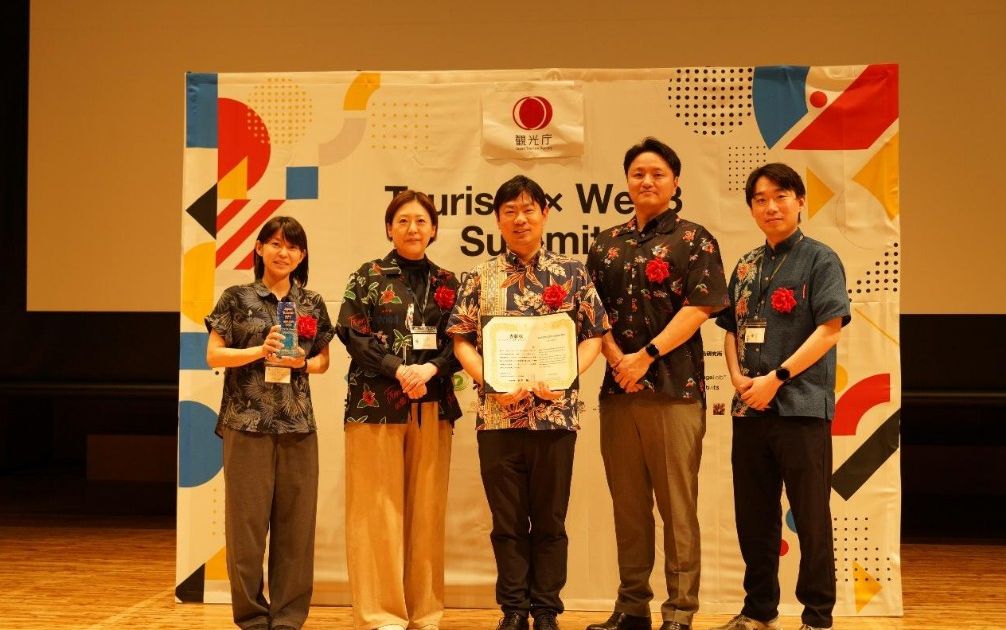
Trust me on this one: the main corporate name is Tokyu Fudosan, a major Tokyo-based real estate and development company known for hotels and residential projects. The partners aren't household names outside industry circles yet, but the collaboration is notable because it pairs a traditional developer with modern fintech and blockchain players. And it gets better! The plan was unveiled publicly ahead of the Japan Tourism NFT Awards 2025, which is positioning itself as a showcase for travel-related NFT experiments.

How the 宿泊権リセールサービス works
Let me show you why this sounds odd at first and then surprisingly logical. The core idea is simple: they tokenize a reservation right, creating a digital certificate that represents a guaranteed night of accommodation. Owners of that token can then list it on a resale marketplace, transfer it, or even gift it.
NFT mechanics and user flow
Compared to a normal booking site, the user journey adds a blockchain step. You buy a stay, receive an NFT as proof of a booked night, then either hold it until check-in or sell it. The NFT acts like a digital voucher, but it's also programmable; the smart contract can enforce rules such as expiry, transfer limits, or a resale commission for the original hotel. By the way, the press materials mention a pilot phase timed for 2024 into 2025, with the Awards providing a public testbed for the concept.
Why this is so curious for Japan's travel culture
Compared to back home, Japan has an obsession with hospitality, known as omotenashi, and the thought of treating a ryokan night as a tradeable token feels slightly sacrilegious. What I especially like is that this model might let fans trade rare stays at famous inns or pass on a booked night they can't use without penalizing the hotel. That reminds me, some high-demand local festivals and limited seasonal kaiseki (traditional multi-course meals) can sell out months ahead, so a secondary market could be valuable if handled respectfully.
Guess what? There are sensitivities. Many ryokan and small family-run inns operate on limited capacity and value personal connections with guests. Turning a reservation into a resellable asset could strain relationships and expectations, so hotels will likely restrict which properties and dates join the program. But that's not all.
Practical pros and potential pitfalls
Who wouldn't like a second chance at a sold-out New Year's stay in Shirakawa-go? Insider tip: a resale market could reduce wasted rooms and allow flexible travelers to snap up last-minute deals. My tip is that if you try one of these NFTs, confirm refund and identity rules before you buy because hotels may require guest names for check-in.




That brings us to consumer protection. Regulators in Japan have strict rules around travel agency operations and consumer rights. If a token represents a contract for accommodation, legal clarity is essential. There are also environmental critiques; public blockchains can be energy-intensive, which clashes with hospitality's growing sustainability focus. Wait, there's more.
Language and learning angle
Trust me on this one: this story is perfect for learners. You can pick up vocabulary like 宿泊権 (shukuhaku-ken, lodging-right), 旅行 (ryokō, travel), and おもてなし (omotenashi, hospitality). Practicing real-world terms helps you read Japanese press releases later, especially if you follow Tokyu Fudosan's official statements or industry coverage in outlets like Jutaku-S.
What most people don't know is that the Japan Tourism NFT Awards 2025 wants entries that blend tech with cultural respect. That emphasis could push creators to design systems that honour seasonal rituals, guest privacy, and traditional hospitality norms. My verdict is that this is a quirky experiment that could open new ways to book travel, but only if it's implemented with local culture in mind.
By the way, if you want to keep following developments, the pilot and award updates will likely appear on industry news sites and Tokyu Fudosan's investor relations pages. Don't forget to check technical details before buying any NFT tied to travel.
Frequently Asked Questions
What is a lodging-right NFT?
It is a token that represents the right to occupy a hotel room for a specific night, recorded on a blockchain.
Can I resell a booked night immediately?
That depends on the platform rules and the hotel's policies; pilots may limit transfers to protect guest privacy.


