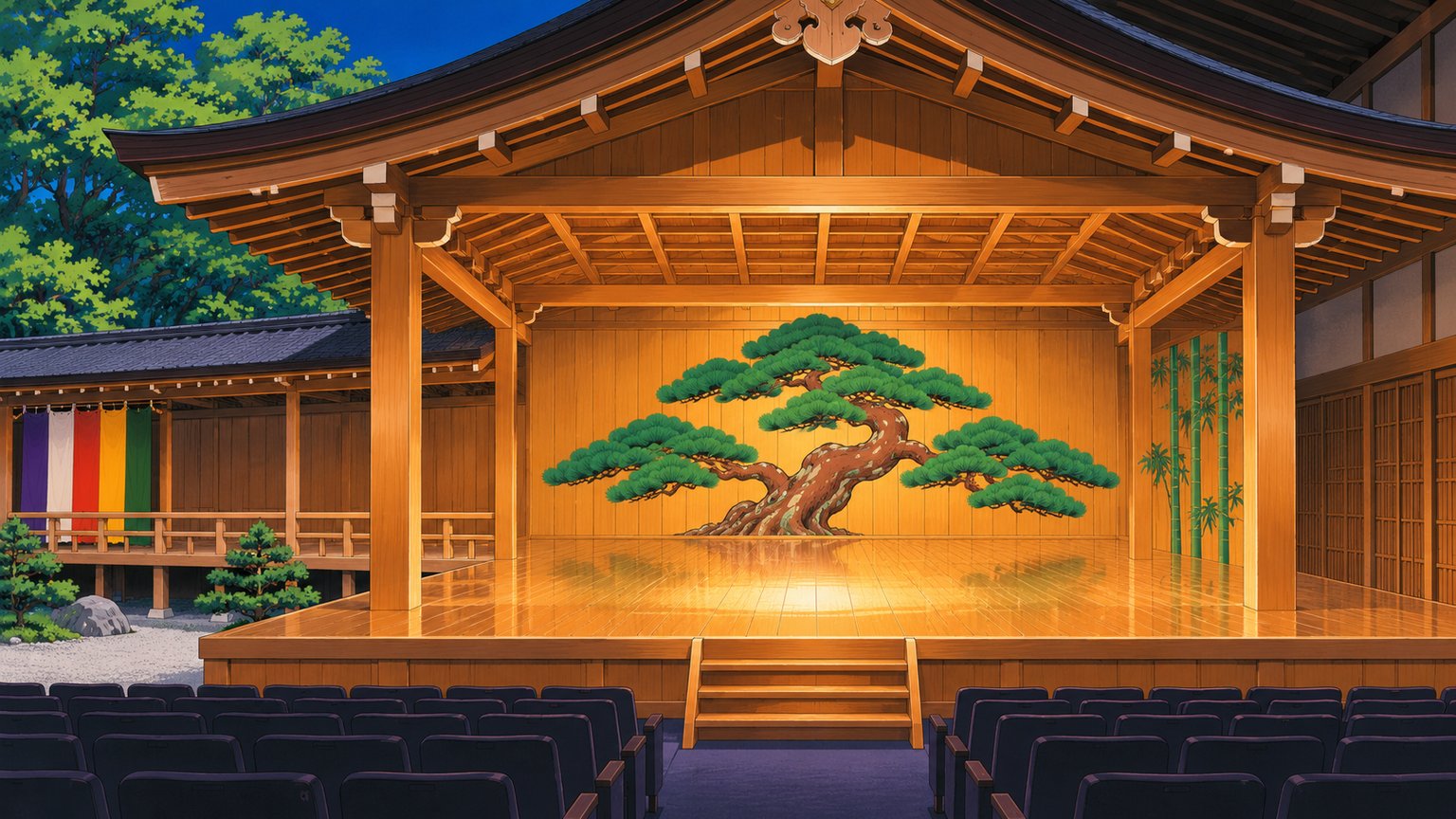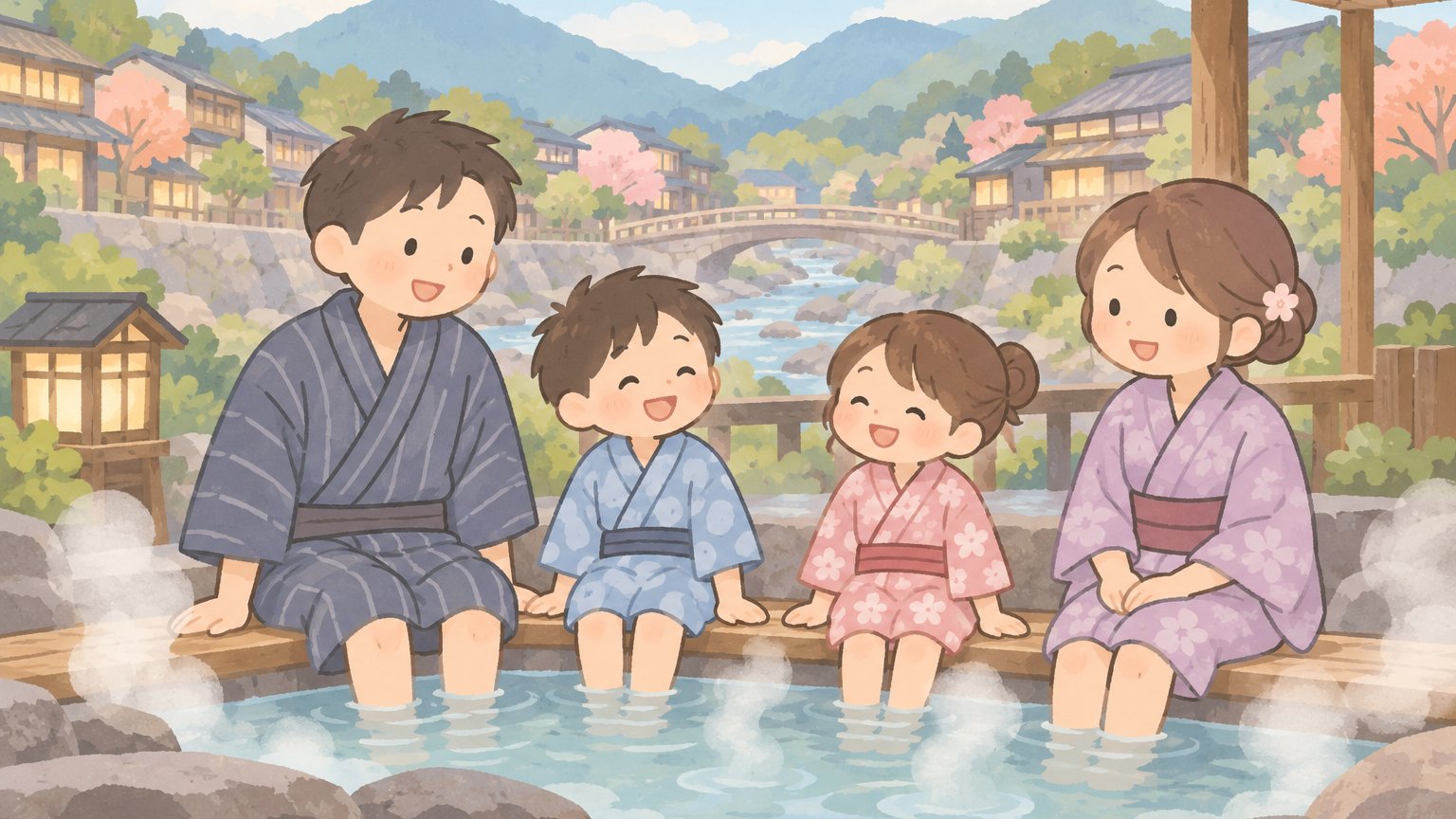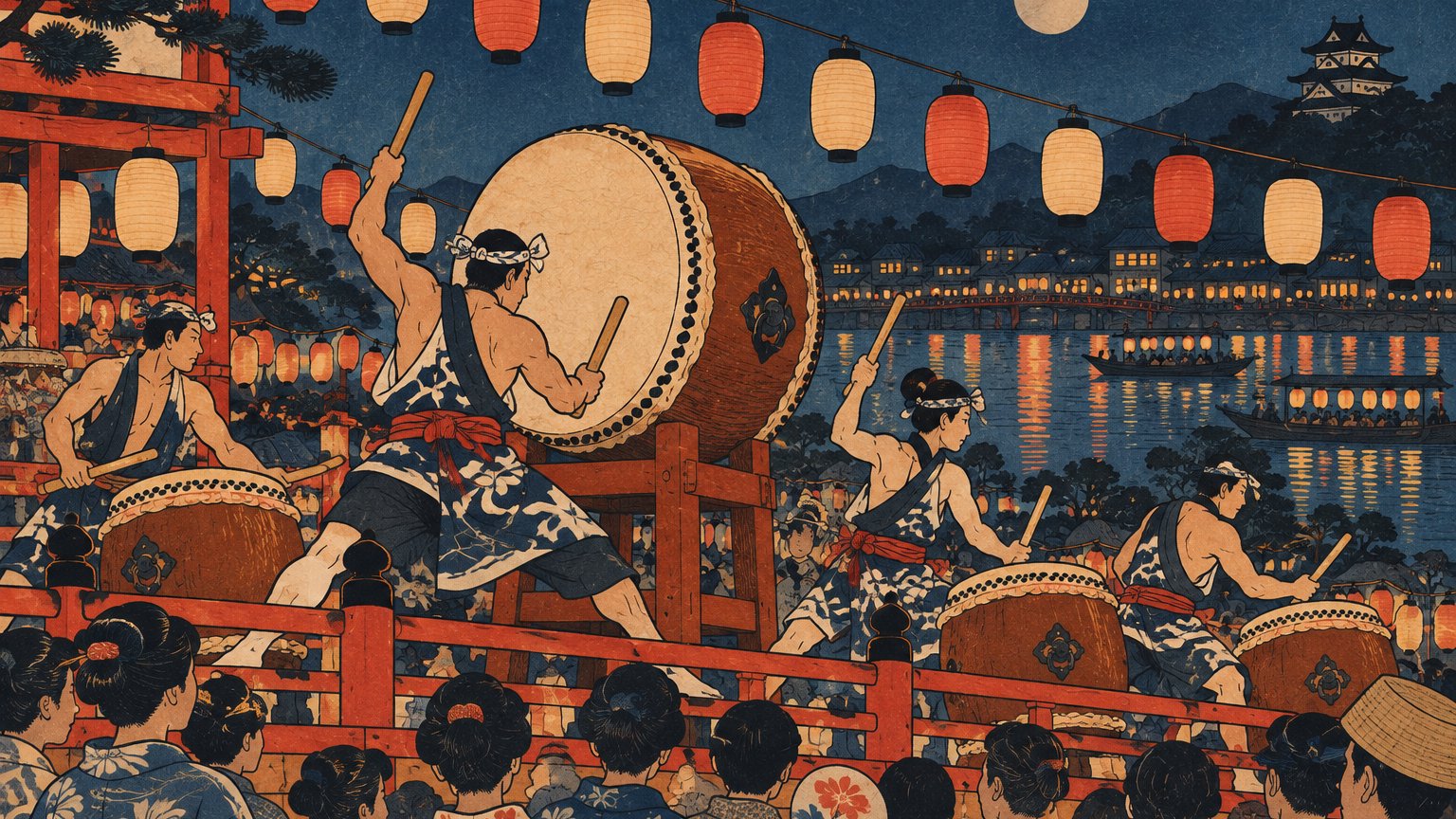
That matters because Japan’s traditions aren’t frozen in the past. They sit alongside trains, office routines, school rules, seasonal festivals, and small everyday gestures like bowing, removing shoes, and choosing the right words in conversation.

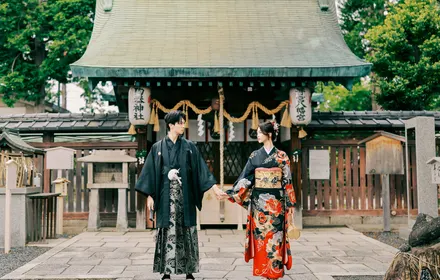
What Japan culture means in daily life
Japan culture is easiest to understand when you look at ordinary routines, not just festivals or temples. The country’s social customs still carry strong traces of formality, hierarchy, and seasonal awareness, even in settings that feel modern and fast-paced. Britannica says contemporary Japanese society is decidedly urban, and that urban culture spreads through the country through mass media concentrated in Tokyo. That’s the key point. Japan is modern in its infrastructure, but many daily habits still lean on older ideas of respect, restraint, and belonging.
If you’re learning Japanese, this is where culture and language meet. The words you choose, the way you bow, and the timing of your greetings all matter. A simple ありがとう (arigato, thanks) can feel friendly, but ございます (gozaimasu, polite copula / honorific 'to be'), すみません (sumimasen, excuse me / I'm sorry), and お手伝い (otetsudai, help / assistance) are chosen with social context in mind. That’s why Japanese isn’t just vocabulary. It’s behaviour, too.
Core traditions that still shape Japanese society
Several traditional practices remain central to public and private life. New Year celebrations, seasonal festivals, tea culture, calligraphy, kimono, shrine visits, and rice-based food customs all continue to carry meaning. The Japanese New Year, for example, is still the most important annual holiday for many families, and people often use it for home visits, family meals, and shrine prayers. Seasonal observance is another age-old pattern. Cherry blossom viewing in spring, summer 祭り (matsuri, festival), moon-viewing in autumn, and warm meals in winter all show how deeply the seasons are woven into daily rhythm.
These customs aren’t only decorative. They organise time. They also preserve a sense of continuity in a society that changes quickly. That balance between movement and memory is one of the most striking parts of Japan culture.
Three traditions you will keep seeing
Bowing, removing shoes, and exchanging gifts are small acts, but they carry real social meaning. Bowing signals respect and often replaces the kind of direct physical contact common elsewhere. Removing shoes protects the home and marks a clear boundary between outside and inside. Gift-giving, especially お土産 (omiyage, souvenir / gift brought back from a trip), shows attention to relationships and obligation. These are everyday customs, but they aren’t casual.
Daily etiquette: the rules behind the quiet order
Japanese etiquette is often described as subtle, and that word fits. The surface looks calm because many expectations are handled before anyone speaks. You line up properly. You keep your voice down on trains. You avoid taking up more space than you need. You think about the group, not just the individual. That doesn’t mean people are cold. It means social smoothness is valued.
Hand on heart: this is one area where language learners should pay close attention. A phrase like yoroshiku onegaishimasu does a lot of social work, and it rarely has a perfect one-word English equivalent. It can mean please treat me well, thank you in advance, or I am counting on you, depending on the situation. That flexibility is part of why Japanese feels so rich. And slightly slippery, if I’m honest.
Etiquette also changes by context. What feels natural in a casual conversation isn’t the same as what you would say in a shop, a school, or a business meeting. That’s why learning Japanese culture means learning levels of politeness, not just memorising expressions.


Japan’s urban present and traditional continuity
The modern side of Japan isn’t a break from tradition. It’s where tradition gets reworked. Tokyo, Osaka, Nagoya, Fukuoka, and other cities set the pace for work, media, fashion, and youth culture. At the same time, local shrines, neighbourhood festivals, ryokan, and regional food customs keep older forms visible. Britannica’s point about Tokyo-centred media matters here, because it explains how trends spread quickly across the country while local customs remain distinct.
What I especially like is that Japan rarely presents tradition as something dusty or finished. A shrine can sit beside a railway station. A convenience store can sell seasonal sweets tied to old calendar customs. A salaryman can move from office formality to a quiet evening at a 銭湯 (sento, public bath) or 居酒屋 (izakaya, Japanese pub). The contrast isn’t awkward. It’s normal.
For learners, this is useful. If you understand that Japanese daily life runs on layers, you’ll read people and situations more accurately. You’ll also notice why certain words, gestures, and silences matter so much. Culture isn’t an extra topic here. It’s part of the grammar of social life.
How to start understanding Japan culture as a learner
My tip: begin with lived patterns, not abstract definitions. Watch how people greet, thank, apologise, queue, and share space. Learn the difference between casual and polite speech. Notice how seasonal events shape store displays, school calendars, and conversation. Then add the bigger traditions, such as tea ceremony, New Year customs, shrine visits, and regional festivals.
If you want a practical order, this is the one I recommend: daily etiquette first, seasonal traditions second, then regional variation. That sequence makes the culture easier to recognise in real life. It also helps you avoid the common mistake of seeing Japan only through stereotypes, which never tell the full story.
Japan culture isn’t one single thing. It’s a living mix of urban habits, traditional forms, and quiet social codes. And that’s exactly why it rewards slow attention. There’s always another layer to explore.
For more on Japan, keep exploring more Japan news on jpnerd.com.
Frequently Asked Questions
What is the main feature of Japan culture?
Its main feature is the balance between modern urban life and long-standing social traditions.
Why is etiquette so important in Japan?
Etiquette helps people manage respect, harmony, and social distance in everyday situations.
What should Japanese learners focus on first?
Start with greetings, politeness levels, and common daily routines such as bowing and removing shoes.