That mix of recovery and caution matters in Kumamoto Prefecture, where ryokan, small inns, and the return of rail access all shape the pace of rebuilding. For Japanese learners, it’s also a useful case study in practical travel vocabulary, from onsen to 洪水危険区域 (kouzui kiken kuiki), the phrase for a flood-risk zone.
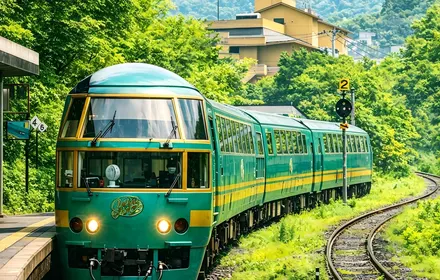

Hitoyoshi Onsen room stock is back above pre-flood levels
Hitoyoshi Onsen ended up with 543 rooms in 2026, according to HotelBank, which is slightly below the 547 rooms counted in 2019 but well above the 506 rooms recorded in 2020 after the heavy rain disaster. That makes the rebound concrete, not just hopeful language, because the area regained almost all of the room count it had before the flooding.
The numbers also show how uneven recovery can be. HotelBank says the local hotel and ryokan stock within 2 km of Hitoyoshi Onsen Station fell from 19 properties with 547 rooms in 2019 to 16 properties with 506 rooms in 2020, then climbed to 18 properties and 543 rooms by 2026. For readers learning Japanese, ryokan means a traditional inn, and that word matters here because smaller family-run places are a big part of the area’s identity.
Why the recovery still feels fragile
What many overlook is the flood risk that remains baked into the geography. HotelBank reports that 82 percent of the rooms in the 2 km zone sit in flood inundation areas, so the rebuilt room stock is being placed in a landscape that still demands caution, planning, and insurance-minded thinking.
This is where the story goes beyond a simple comeback headline. A destination can recover room numbers while still facing structural vulnerability, and Hitoyoshi Onsen is a clear example. My tip: if you’re learning Japanese travel vocabulary, 洪水 (kouzui), or flood, and 避難 (hinan), evacuation, are worth remembering, because they often appear in local disaster planning and transport updates across Japan.


Kumagawa Railway and local reinvestment matter too
The rail side matters because access changes how quickly a hot spring town can fill rooms again. HotelBank links the recovery to the reopening of the full Kumagawa Railway line, which supports reinvestment and makes the area easier to reach for visitors who would otherwise need to rely on road transport.
That’s important in a place like Hitoyoshi, where tourism depends on a mix of train access, river scenery, and the appeal of soaking in an onsen town atmosphere. The best part is that the recovery isn’t just a single rebuild project, it’s a network effect, with transport, lodging, and local confidence all moving together.
For Japan fans, Hitoyoshi also shows how regional tourism recovery works in practice. Numbers improve first, then services, then visitor habits slowly follow. It won’t happen overnight, but the 2026 data suggests the area has moved from emergency response into a longer phase of reinvestment.
Frequently Asked Questions
How many rooms does Hitoyoshi Onsen have in 2026?
It has 543 rooms in the 2 km area around Hitoyoshi Onsen Station, according to HotelBank.
How badly did the flood affect the area?
Room stock fell from 547 rooms in 2019 to 506 in 2020 after the heavy rain disaster.
Is the area still flood-prone?
Yes, HotelBank says 82 percent of the rooms are in flood inundation zones.