What makes it useful for Japan fans is the mix of nature and practical travel planning, since nearby stays in Nagiso can connect this area with Tsumago, Momosuke Bridge, and Hirugami Onsen. My tip: if you are studying Japanese, this is a good place to practise travel vocabulary like 山 (yama, mountain), 川 (kawa, river), onsen, and ゴンドラ (gondora, gondola) while building a real itinerary around the Kiso Valley.
What Heavens Sonohara is known for
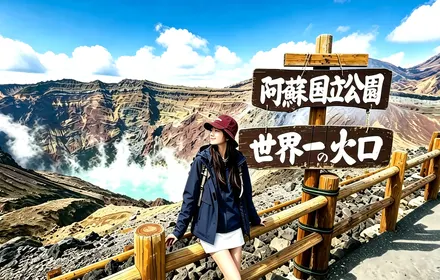
Heavens Sonohara is a mountain leisure area in the Kiso region of Nagano, and it’s built around outdoor scenery rather than city-style sightseeing. The big draw is the gondola access, which makes the highland feel easier to reach than a remote trailhead.
For travellers, that matters because it changes the whole rhythm of the visit. You can spend more time on views, fresh air, and slow movement, instead of treating the area as a strenuous hiking destination.
GaijinPot Travel presents it as a place for seasonal mountain travel, and that matches how many people plan time in central Japan. The appeal is simple: cleaner air, wide horizons, and a landscape that feels different from the packed streets of Tokyo or Osaka.
Why the location works for a Kiso itinerary
The surrounding area gives Heavens Sonohara extra value. According to Klook International, Hotel Fukinomori in Nagiso is within a 15-minute drive of Tsumago 本陣 (Honjin, former official inn) and Momosuke Bridge, while Heavens Sonohara Gondola is about 11.5 mi, or 18.6 km, away.
That distance is useful if you are mapping out a broader Kiso County route. You can combine old post-town scenery in Tsumago with a mountain stop at Heavens Sonohara, then continue to nearby hot spring areas such as Hirugami Onsen, which Klook lists at 12.5 mi, or 20.1 km, from the same ryokan.
This kind of route is popular with travellers who want both history and nature in one trip. The Kiso Valley is one of those parts of Japan where the transport plan shapes the experience as much as the destination itself.
Useful Japanese words for this kind of trip
If you are learning Japanese, this is a neat setting for practical vocabulary. Ryokan means a traditional inn, onsen means a hot spring, and gondora is the katakana form of gondola.


You will also see words like yama for mountain and 風 (kaze) for wind in signs, brochures, and weather reports. That makes this kind of trip a lot more useful than a standard checklist sightseeing day, because the language fits the setting.
How to think about the experience
Heavens Sonohara is best approached as a scenery-first destination. The trip isn’t about cramming in dozens of attractions, it’s about a clear mountain environment and the feeling of space.
The gondola is central to that experience, because it turns the ascent into part of the visit. You’re not just arriving at the top, you’re watching the landscape change as you go.
What I especially like about places like this is the pacing. They reward travellers who are willing to slow down, look at the terrain, and build a day around the weather rather than a rigid timetable.
Planning tips for Japan fans
If you are visiting from outside Japan, Heavens Sonohara works best as part of a wider Kiso trip, not as a rushed standalone stop. Staying near Nagiso or another Kiso base gives you more flexibility, especially if you want to pair it with Tsumago, bridge walks, or an onsen evening.
My tip: check transport connections early and plan for weather changes, because mountain areas in Japan can feel very different from one hour to the next. That is especially true in highland regions where visibility, temperature, and comfort can shift quickly.
For Japan fans, this is also a good reminder that travel vocabulary becomes easier when it’s tied to place. Words like gondora, ryokan, and onsen are not just textbook entries here, they’re part of the actual travel experience.
Frequently Asked Questions
Where is Heavens Sonohara?
It is in the Kiso area of Nagano Prefecture, in central Japan.
What is the main attraction?
The gondola access and the mountain scenery are the main draws.
Is it a good stop for Japan travel planning?
Yes, especially if you want to combine highland views with Tsumago and nearby hot spring stays.