For Japan fans, that makes this more than just a list item. It points to two places where you can encounter seafaring culture, shrine traditions, and ryokan town life, while picking up useful travel vocabulary like onsen, 神社 (jinja, shrine), and ryokan along the way.
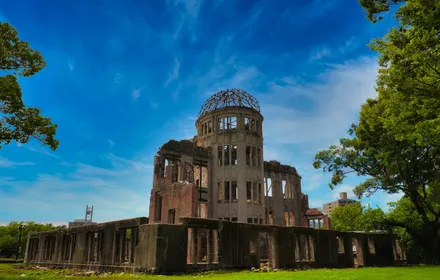
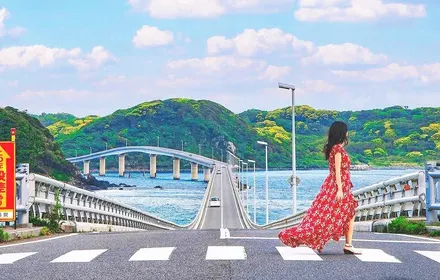
BBC turns the spotlight on two very different parts of Japan
BBC Travel has included two Japanese destinations in its “20 best places to travel in 2027” feature, and both are the kind of places that reward slower travel. The destinations are the Ise-島 (shima, island) Peninsula on the Pacific coast of Mie Prefecture and Nagato Yumoto Onsen in Yamaguchi Prefecture. BBC describes the list as a set of places offering new reasons to travel and different ways of seeing the world in 2027.
The timing matters for planners, but the bigger point is the angle. These aren’t stopovers on the standard golden route of Tokyo, Kyoto, and Osaka. They’re regional places with a strong local identity, and that’s exactly what makes them interesting for Japan travellers who want more than the usual checklist.
For Japanese learners, this is also a nice reminder that travel vocabulary often overlaps with culture. Words like onsen, jinja, and ryokan aren’t just tourist labels; they point to whole ways of life.
Ise-Shima Peninsula: shrine culture, coastlines, and sea people
Ise-Shima stands out because it combines spiritual heritage with coastal scenery and maritime culture. According to BBC and the Voyapon report on the selection, the peninsula offers immersion in a rural seafaring community shaped by 2,000 years of 神道 (Shinto, Shinto religion) spirituality.
At the centre is Ise Jingu, one of Japan’s most sacred shrine complexes. That alone gives the area strong appeal for visitors interested in jinja culture, ritual, and the idea of o-senpai? Not quite, but the social side of shrine life is worth watching too. Purification fountains, 鳥居 (torii, shrine gate) gates, and the quiet order of shrine grounds all tell you something about Japanese religious aesthetics.
What I especially like is that Ise-Shima isn’t only about a famous shrine. It also points to a wider coastal world, including fishing communities and traditional sea-based livelihoods. That makes it a good destination for travellers who want scenery with depth, not just a pretty view.
Why Ise-Shima fits 2027 travel trends
The BBC selection reflects a clear shift in travel interest. Visitors increasingly want places that feel lived-in, regional, and connected to local culture, rather than crowded national icons. Ise-Shima fits that pattern neatly, because it offers both a headline site and a broader landscape around it.
For Japan learners, this is a useful place to notice how travel writing frames culture. A single area can be described through religion, geography, and community, and that makes the vocabulary richer than a simple sightseeing list.

Nagato Yumoto Onsen and the revival of an old hot spring town
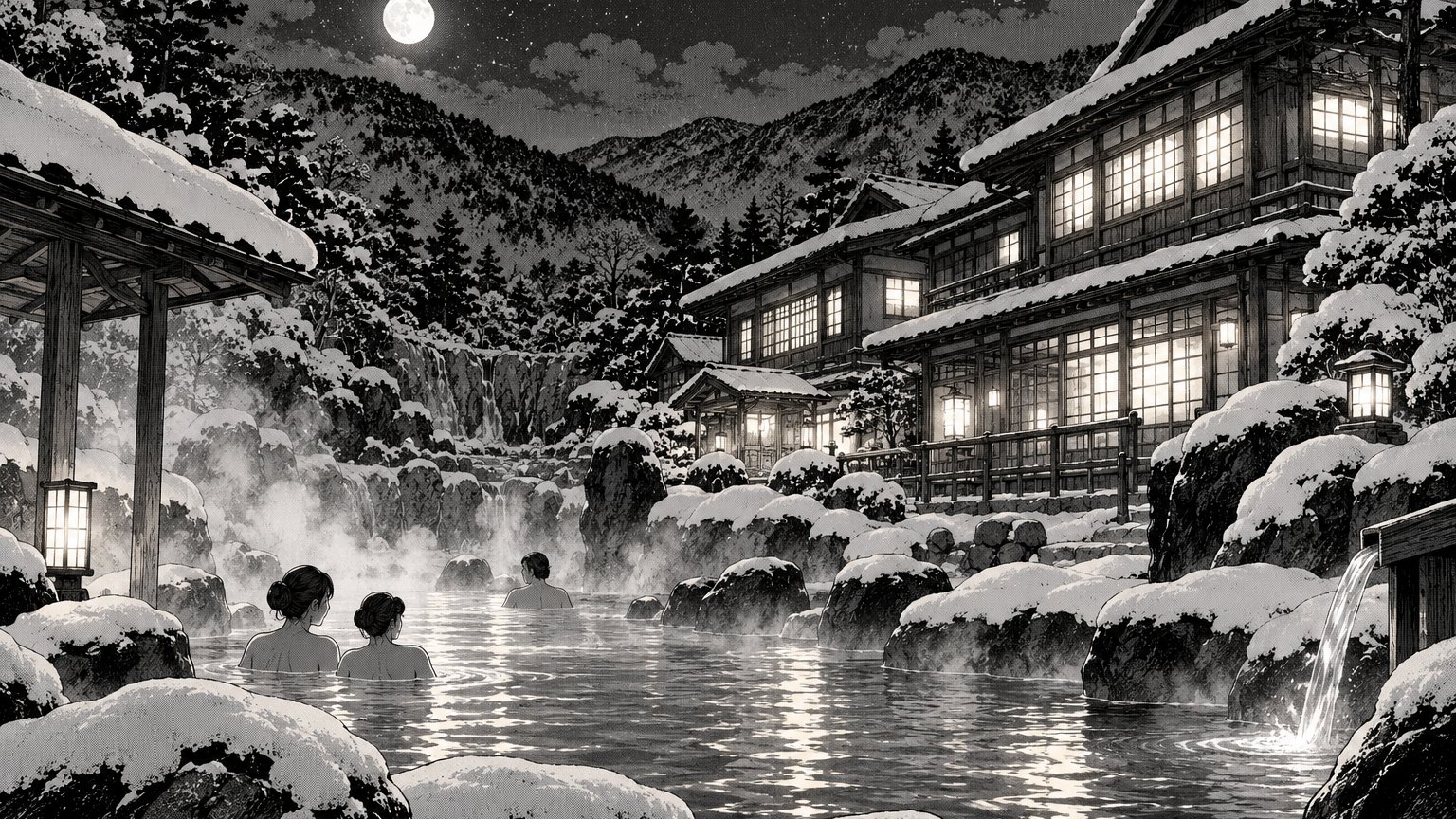
Nagato Yumoto Onsen brings a different mood entirely. BBC chose it for what the local tourism site described as the modern revival of an ancient hot spring town. The story also reaches back 600 years, to a legend saying a deity bestowed the hot spring on monks of Taineiji Temple.
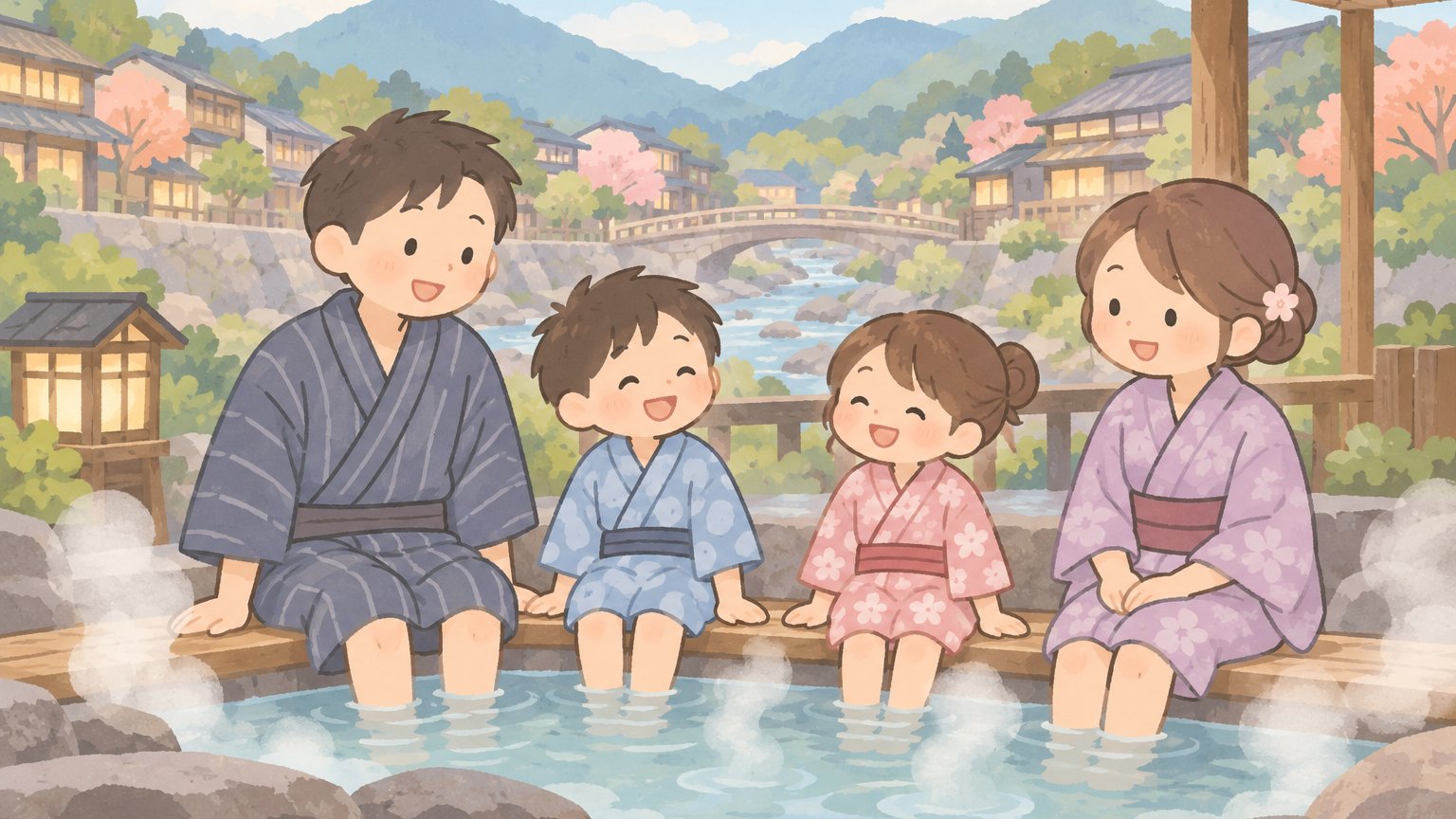
The town’s appeal lies in its onsen culture and its renewed streetscape. Rather than relying only on the hot spring itself, the area has been rebuilt around the atmosphere of a traditional spa town, with a stronger sense of place and walking-friendly public space.
That matters because many travellers look for ryokan towns that still feel active, not frozen in time. Nagato Yumoto Onsen seems to offer that balance, with old religious origin stories on one side and a decade-long revitalisation effort on the other.
From a Japanese language angle, this is a good place to remember the difference between onsen, 銭湯 (sento, public bathhouse), and ryokan. An onsen is the hot spring, a ryokan is the inn, and a spa town like Nagato Yumoto wraps both into a larger travel experience.
What this means if you are planning a Japan trip
BBC’s pick is useful because it expands the mental map of Japan. Instead of treating the country as only its major cities, the list points travellers towards places where religion, landscape, and local life still shape the visit.
If you’re planning for 2027, these two destinations are good examples of the kind of trips that combine sightseeing with cultural learning. Ise-Shima is the better fit if you want shrines, sea views, and heritage. Nagato Yumoto Onsen is the stronger choice if you want a slower stay built around hot springs, inns, and a revived town centre.
My tip: if you’re studying Japanese, try learning a small set of place-related words before you go, such as jinja, onsen, ryokan, 港 (minato, port / harbor), and shima. They’ll show up in signs, brochures, and conversations, and they make travel feel more legible right away.
Frequently Asked Questions
Which two Japanese destinations did BBC choose for 2027?
BBC chose the Ise-Shima Peninsula in Mie Prefecture and Nagato Yumoto Onsen in Yamaguchi Prefecture.
Why is the Ise-Shima Peninsula noteworthy?
It combines one of Japan’s most sacred shrine complexes with coastal scenery and a long seafaring culture.
What makes Nagato Yumoto Onsen interesting?
It is being highlighted as an old hot spring town that has seen a modern revival, with a strong ryokan and onsen atmosphere.