Compared with back home, Shiga feels less rushed than Japan’s biggest tourist hubs, yet it still gives you lakeside views, temple visits, and local food in one trip. Best of all, Lake Biwa, the largest lake in Japan, shapes almost everything here, from transport to food to the feel of the towns around it.
Shiga Prefecture: why it deserves a spot on your Japan list
Shiga Prefecture is one of those places that often gets skipped, even though it sits right next to Kyoto and has a lot going for it. Hand on heart: if you like castle towns, quiet nature, and destinations that still feel local, this area makes a strong case for itself.
According to the original article on Verliebt in Japan, the appeal isn’t based on one single landmark. It’s the mix that matters, and Lake Biwa sits at the centre of it all. For Japanese learners, that makes Shiga extra handy too, because you’ll run into everyday words like 水 (mizu, water), koen, 城 (shiro, castle), and ryokan in real travel contexts, not just textbook examples.
Speaking of which... Shiga is also easy to combine with a Kyoto trip, so you can see a lot without changing hotels every night. It’s highly recommended if you want a calmer pace.
1. Lake Biwa gives Shiga its whole identity
Lake Biwa, or Biwako, is the biggest lake in Japan, and Shiga wraps around much of it. That means beaches, harbour towns, cycling routes, birdlife, and wide-open views are all part of the prefecture’s daily rhythm.
Take Otsu, for instance. It is the prefectural capital, but it still feels tied to the water, which gives the city a different mood from inland urban centres. If you are learning Japanese, this is a good place to notice how often locals use place-based words like 港 (minato) for harbour or kaze for wind in travel descriptions.
Here’s the catch: a lake this large changes how a region feels. The horizon opens up, the air feels lighter, and the trip immediately slows down. Convinced yet?
2. Hikone Castle is one of Japan’s real highlights
Shiga is home to Hikone Castle, one of the best-preserved original castles in Japan. That alone would already earn Shiga a visit, because original castles are much rarer than rebuilt ones, and they give you a better sense of the Edo period atmosphere.
The surrounding castle town adds even more value. Streets, merchant buildings, and museum spaces help explain how a castle once shaped local life, not just military history. For learners, words like 天守 (tenshu, castle keep), samurai, and 町 (machi, town) are easy to remember here because the setting makes them visual.
Seriously though: if your Japan trip needs at least one proper castle stop, Shiga can deliver it without the crowds you sometimes get at more famous spots. My tip: allow enough time to walk the grounds slowly, not just snap a photo and leave. Personally...
3. Omihachiman blends canals, history, and old merchant culture
Omihachiman is one of Shiga’s most rewarding towns, especially if you like places where history still feels lived in. The canal district is a big reason for that, and the atmosphere is calmer than in more heavily touristed cities.
Compared with back home, towns like this often feel like they were built for walking rather than rushing. That matters, because the best detail is in the side streets, old storehouses, and small craft shops. The phrase 町家 (machiya, traditional townhouse), meaning traditional town house, comes up a lot in places like this, and it’s worth learning if you enjoy historic Japan.
The best part: this isn’t just a museum piece. People still live and work here, which keeps the area from feeling staged. My verdict:
4. Shiga is a great base for slow travel
Shiga works well if you want a base outside the usual Kyoto-Osaka corridor but still need easy rail access. That’s especially useful for travellers who prefer one hotel and day trips, rather than constantly repacking.
Otsu, Kusatsu, and Hikone all give you different ways to experience the prefecture. Otsu is the most obvious rail gateway, while Hikone feels more historic, and Kusatsu adds a more modern urban stop. The range is useful for Japanese learners too, because you can practise station signs, directional phrases, and everyday shopping language in settings that aren’t overwhelming.
Insider tip: if you are building a Kansai itinerary, Shiga is one of the easiest places to add without wrecking your schedule. Simply brilliant.
5. The food is strongly regional, not generic
Shiga’s local cuisine is another big reason to go. The prefecture is known for freshwater fish from Lake Biwa, local vegetables, and dishes that reflect a more rural food culture than Japan’s major metro areas.
One thing I especially like is how local food here tends to be tied to place names and family-run shops. That means menus often feel personal rather than mass-produced. If you are learning Japanese, food words such as 料理 (ryori, cuisine; cooking), お弁当 (obento, lunch box), and yasai show up naturally, and they are much easier to remember when you see them on an actual menu.


Here’s the catch: regional food in Shiga is part of the travel experience, not a side note. You are not just eating between sightseeing stops, you’re learning something about the land itself. Convinced yet?
6. Nature lovers get more than one kind of scenery
Shiga is not only about water. It also has mountains, lakeside parks, riverside paths, and seasonal landscapes that change the mood completely from one area to the next.
Take the lakeshore area, for instance. You can pair easy walking with long views, then move inland and find quieter temple or countryside settings. That kind of variety makes the prefecture feel bigger than it first appears on a map.
For language learners, nature travel is a nice chance to pick up seasonal vocabulary, such as haru, natsu, aki, and fuyu, in a setting where the words actually matter. Seriously though: Shiga is a strong choice if you want scenery without having to chase it all over Japan. My verdict:
7. It is a smart pick for temple and pilgrimage fans
Shiga has a solid temple culture, and that gives the prefecture an extra layer beyond castles and lakes. Some visitors come for quiet temple grounds, while others link Shiga into broader Kansai heritage trips.
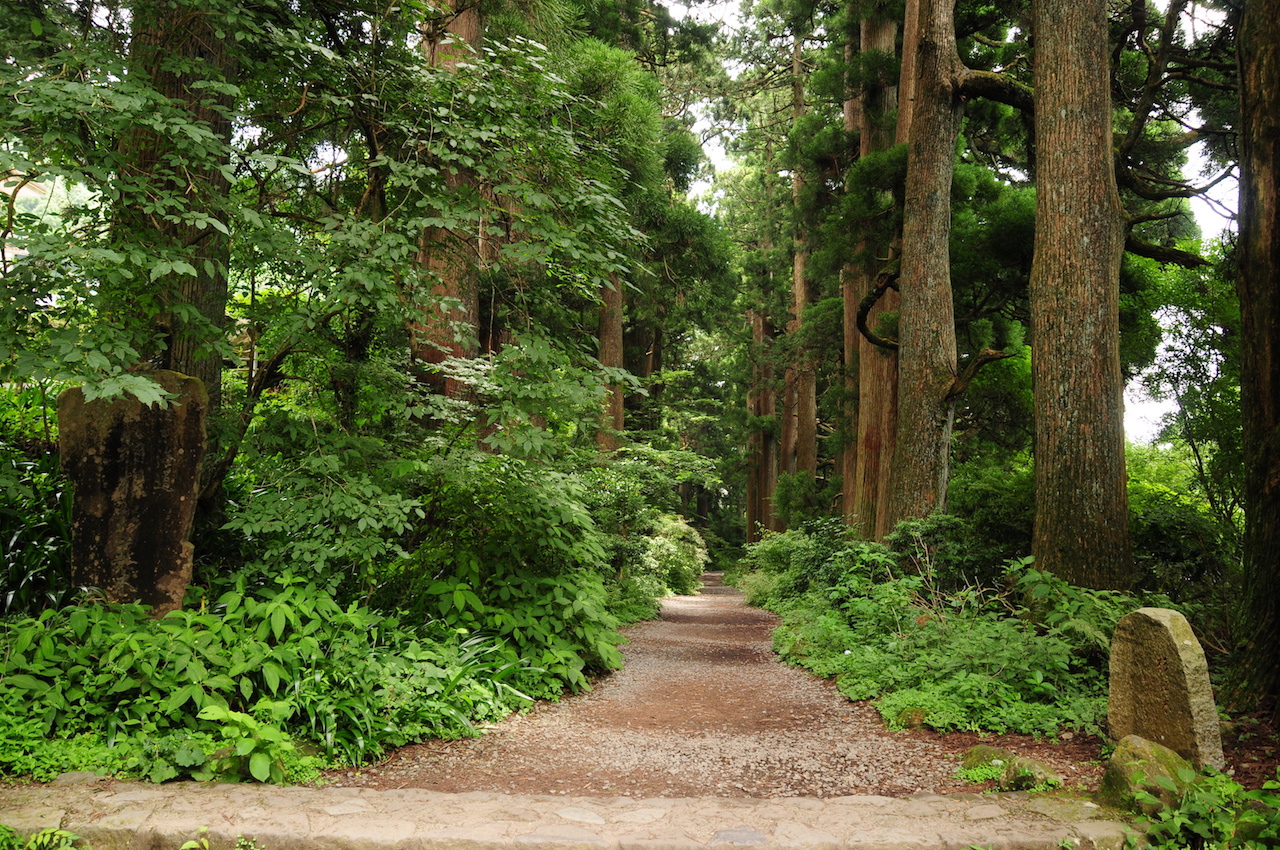
The atmosphere is often less intense than at the biggest headliner sites, which makes it easier to enjoy the details. Rooflines, stone paths, cedar trees, and incense all stand out more when the place isn’t packed shoulder to shoulder.
Speaking of which... this is also a helpful place to learn terms like tera, jinja, and omamori in a real setting. Hand on heart: those are the kinds of words that stick once you’ve seen the objects they describe.
8. Outdoor activities are easy to build into the trip
Because Shiga is shaped by Lake Biwa and the surrounding landscape, it is a strong region for cycling, walking, and boat-linked sightseeing. That makes it appealing if you don’t want a trip made only of temples and train rides.
The lakefront areas are especially good for slower, active travel. Cycling routes can be planned around scenic sections, and even short walks can feel refreshing because the water is always nearby.
My tip: this is where Shiga can surprise first-time visitors. It isn’t a place you just look at, it’s a place you can move through at your own pace. Convinced yet?
9. Shiga still feels local
One reason Shiga stands out is that it hasn’t been flattened into a single tourist image. Different cities and towns keep their own personalities, and that gives the prefecture some real depth.
Compared with back home, where famous areas often start to feel the same, Shiga still offers those small shifts in mood that make travel interesting. One stop might feel like a lakeside retreat, another like a merchant town, and another like a quiet castle city.
The best part: that variety gives Japanese learners lots of useful context clues. You’re not memorising words in a vacuum, you’re connecting them to real places and situations. Simply brilliant.
10. It is an easy prefecture to underestimate, and that is exactly why it works
Shiga does not always shout for attention, and that’s part of its charm. If you are the kind of traveller who likes a destination to reward curiosity rather than hype, this prefecture can be a very good fit.
Let me show you why that matters. A place like Shiga lets you enjoy classic Japan without feeling pushed through a checklist. You can spend time by the lake, visit a castle, explore a historic town, and still finish the day somewhere quiet.
My verdict: Shiga is one of those regions that gets better the more you know about it. For Japan fans and language learners alike, that makes it well worth the detour. Personally...
Frequently Asked Questions
Is Shiga Prefecture worth visiting on a first Japan trip?
Yes. If you already plan to visit Kyoto or Osaka, Shiga is an easy add-on and gives you a calmer, less crowded travel experience.
What is Shiga best known for?
Shiga is best known for Lake Biwa, Hikone Castle, and historic towns like Omihachiman.
Is Shiga useful for Japanese learners?
Yes. It is a practical place to learn everyday travel vocabulary, especially words linked to castles, lakes, food, and temple visits.