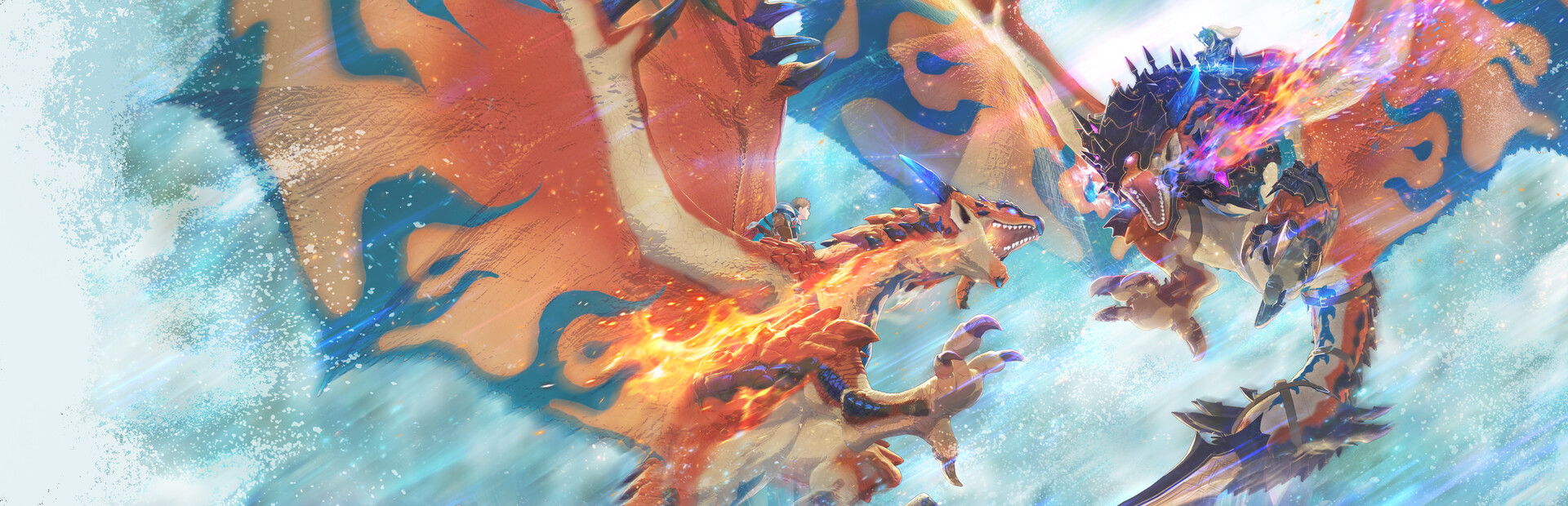
The most eye-catching point isn't just the scale, but the mix: a new title like Monster Hunter Outlanders is posting major early revenue, while Free Fire still pulled 18.7m downloads in the same market snapshot. For Japanese learners and Japan fans, this is also a neat reminder that gaming language in Japan often centres on words like kaikyaku, 振興 (shinkou, promotion; development), and 大規模 (daikibo, large-scale), terms you'll see around business coverage whenever a publisher is tracking growth.


October's gaming chart tells a clear business story
October's top games were led by the usual mobile heavyweights, but the real interest is in how the numbers split between long-running hits and fresh launches. Pixel Flow stands out as one of the newer names in the data set, while Monster Hunter keeps proving that Capcom's brand still carries weight on mobile.
According to the Mobilegamer.biz Data Digest, Free Fire recorded 18.7m downloads, which is the kind of scale that reminds you how durable battle royale mobile games still are. That figure matters because download volume and revenue momentum don't always move together, and October's chart makes that difference visible.
If you're learning Japanese, this is a good place to notice how Japanese business coverage often uses short, packed phrases. Words like 成長 (seicho) for growth and 情報 (joho) for information show up constantly in market reports, and gaming news tends to treat them as everyday vocabulary, not jargon.
Monster Hunter Outlanders gets off to a fast start
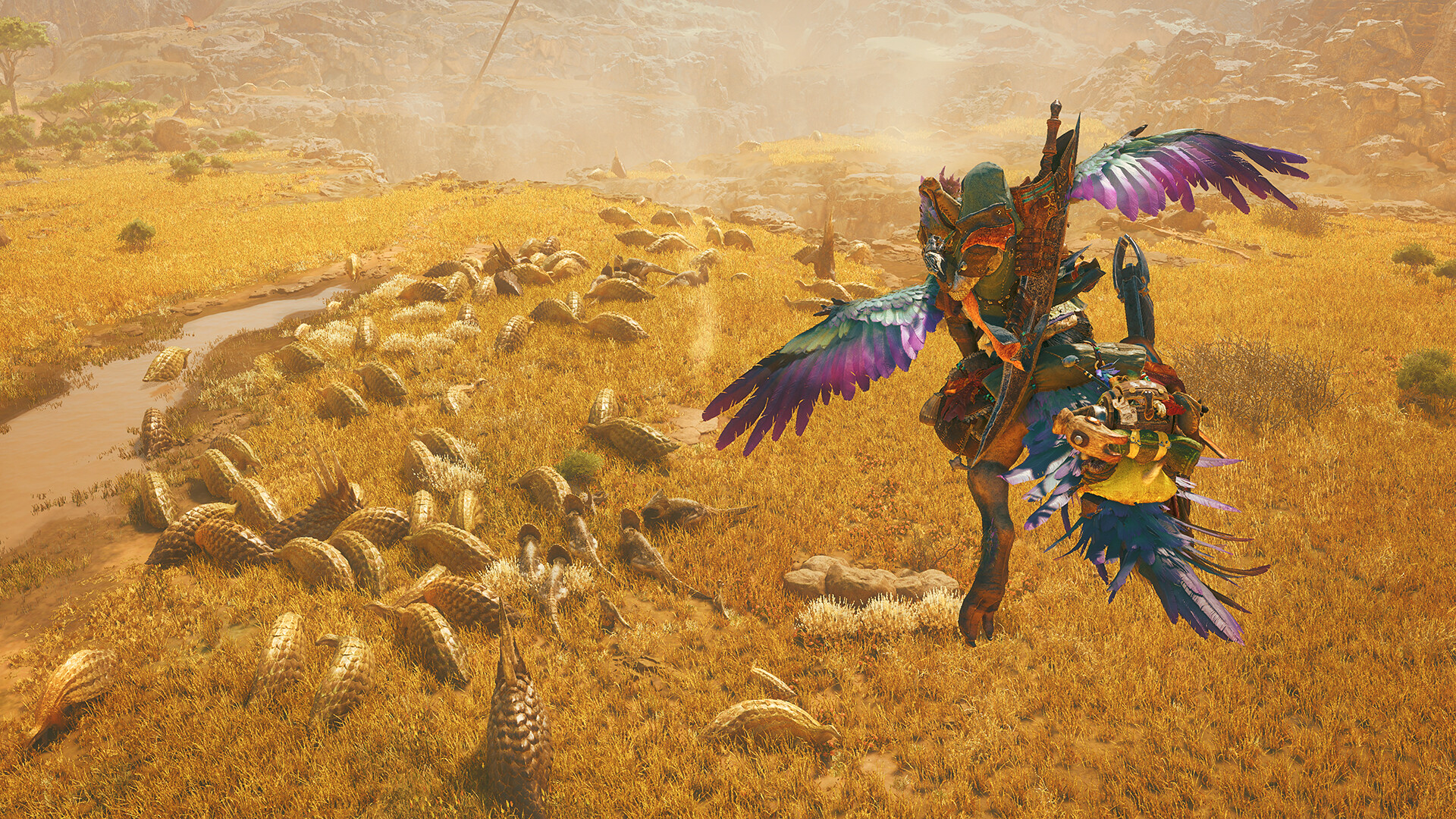
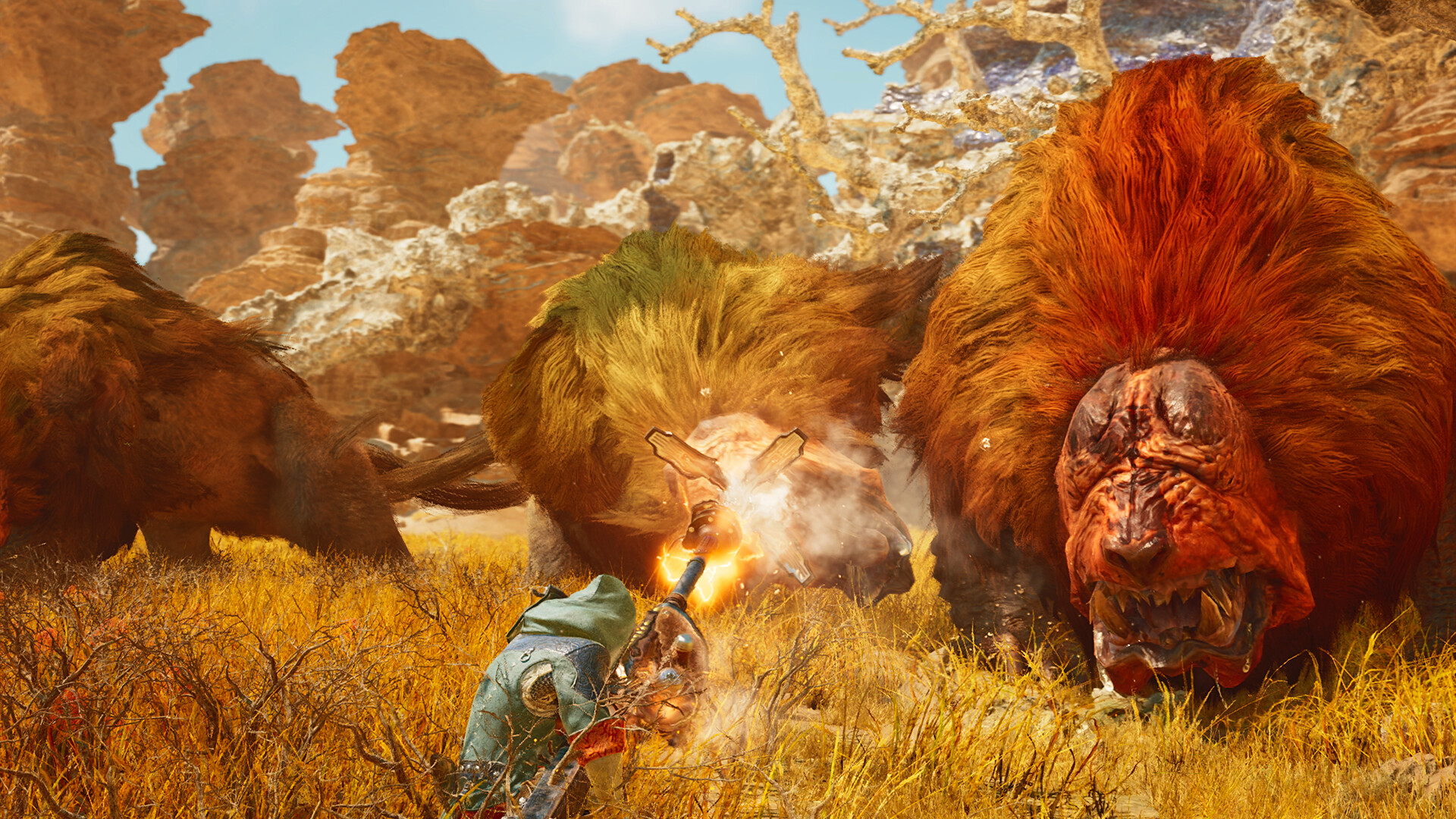
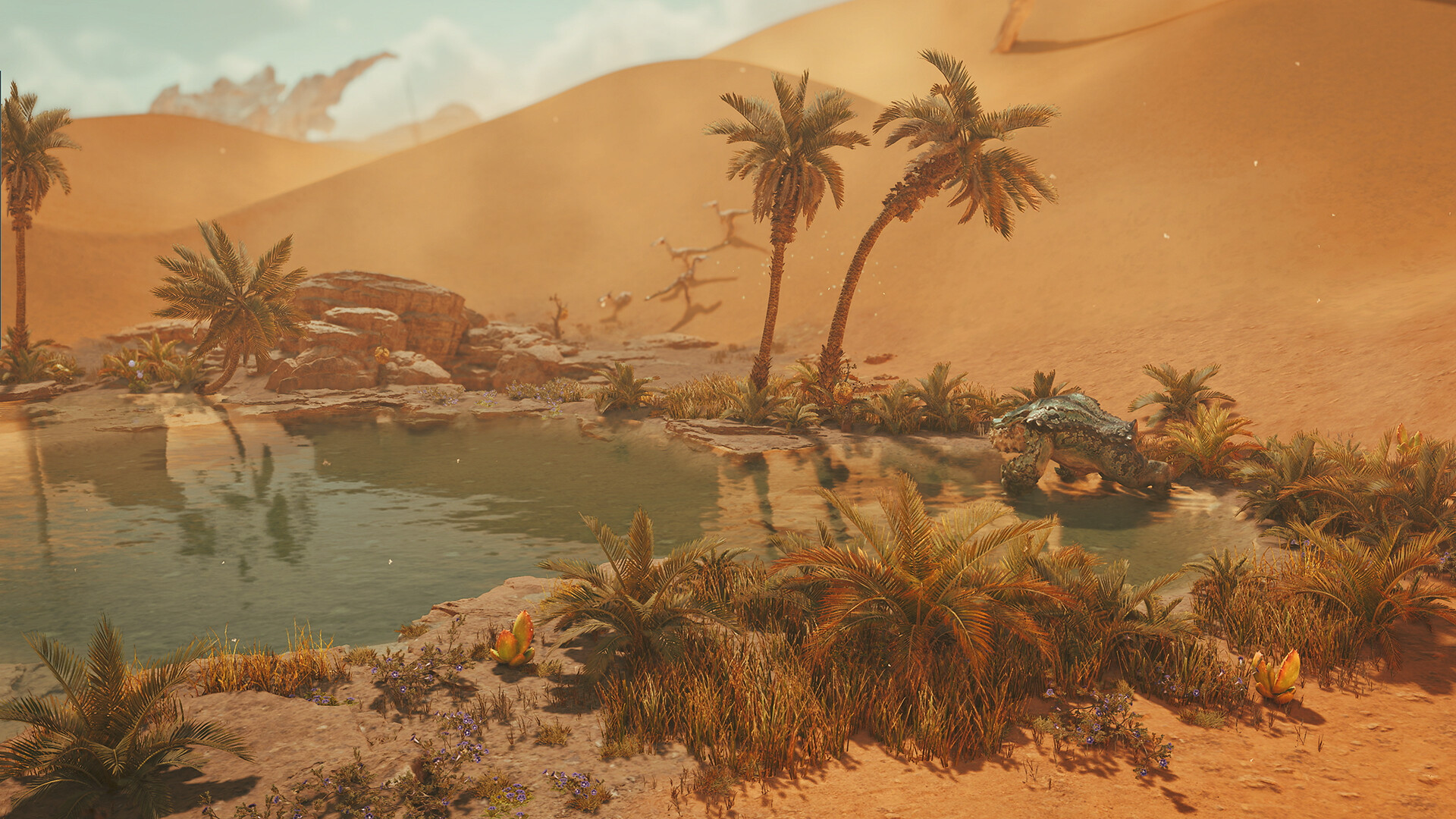
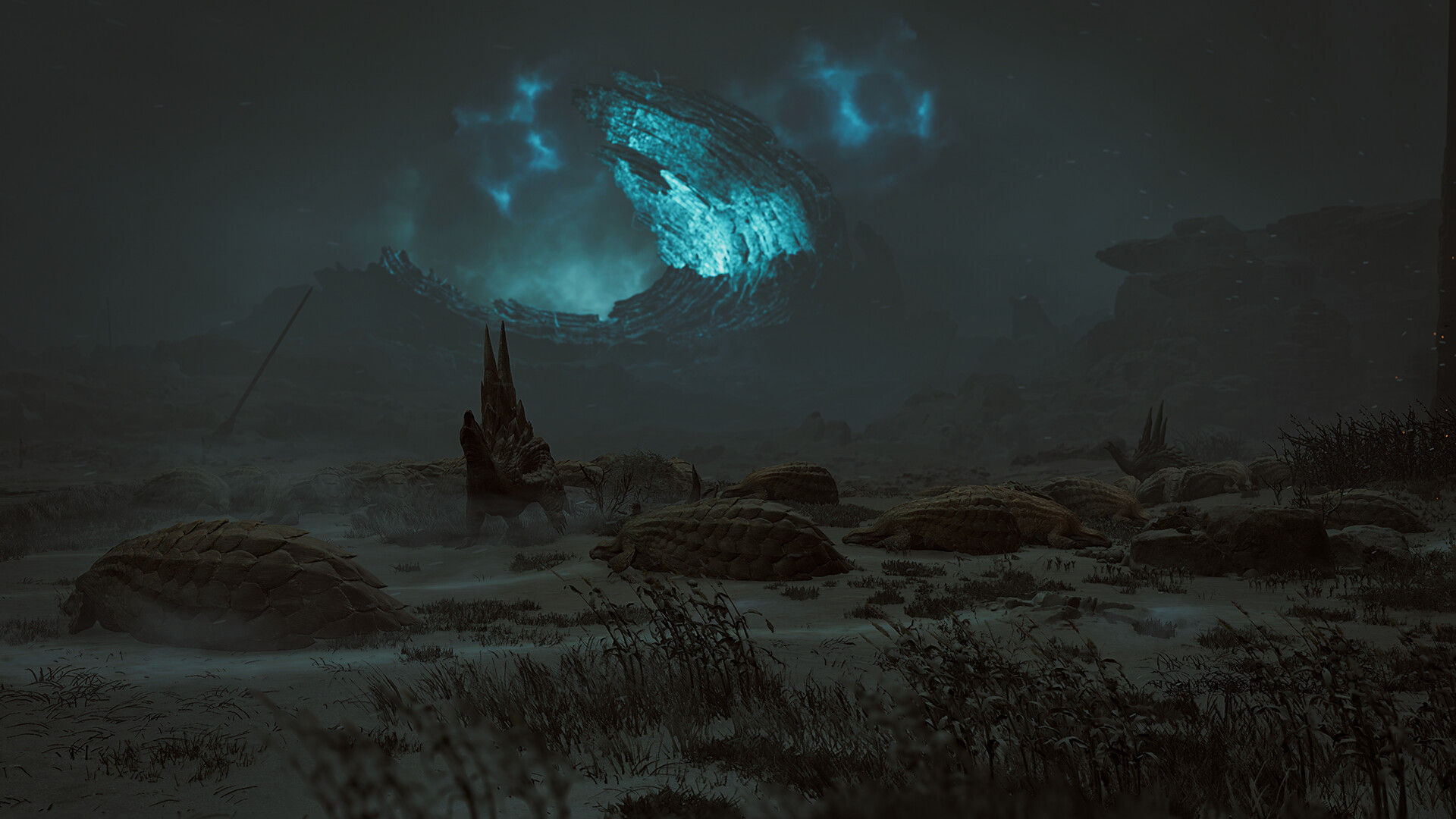
Monster Hunter Outlanders is the standout Japanese-linked name in the report, even though the game itself is a mobile-first release aimed at a global audience. The early numbers are strong: more than 10.2 million dollars in in-app purchase revenue and 5.1 million downloads in just over two weeks, according to AppMagic estimates cited by additional reporting.
That matters because Monster Hunter is one of Capcom's most reliable brands, and mobile launches tied to familiar IP often need a very fast opening to justify their marketing spend. Outlanders seems to have hit that window well. A launch like this shows how a known franchise can lower the barrier for players who already understand the world, the monsters, and the basic hunt loop.
From a Japan context angle, Monster Hunter is also a nice example of how game brands travel across platforms. Console fans, mobile players, and Japanese pop-culture followers often overlap, and that crossover is part of why a franchise can stay commercially relevant for so long.
Nintendo's mobile numbers still scale quietly
Nintendo's mobile games have now passed 980m cumulative downloads, according to its November 6 investor presentation. That's a large number, and it's easy to underestimate because Nintendo's mobile output has never felt as loud as its console business.
Still, the figure tells you something useful about the company's broader reach. Even without treating mobile as the centre of its strategy, Nintendo has built a steady base across multiple apps and regions, and cumulative downloads at that scale are hard to ignore. For business readers, this is less about a single hit and more about the long tail of a famous brand.
What I especially like here is the contrast between Nintendo's quiet mobile footprint and its much bigger public identity around Switch and first-party software. In Japanese, that kind of balance would be described as a stable 会社 (kaisha, company) strategy, not a flashy one, and the numbers fit that image very well.
Why Pixel Flow and Free Fire matter in the same digest
Pixel Flow gives the digest a newer, more experimental edge, while Free Fire represents the opposite end of the spectrum, a mature giant still drawing millions of downloads. Put next to each other, they show the two main ways mobile games stay relevant: a new launch can spike quickly, or a live game can keep a huge audience locked in through constant updates.
The best part is that these stories aren't separate. Platform holders, publishers, and investors all read the same signals, then compare launch velocity, revenue conversion, and download retention. That's why a monthly digest can be more useful than a single headline, because it lets you compare categories instead of staring at one isolated success.
And it gets better for anyone learning how game business news is written in Japanese or about Japan. Reports like this are full of compact market language, and once you get used to the rhythm, terms like downloads, revenue, and growth tend to appear in the same predictable clusters. That makes this kind of article surprisingly good reading practice, even when the numbers are the main point.
In pictures
Frequently Asked Questions
What is the biggest number in this report?
Nintendo's mobile games have passed 980m cumulative downloads, according to a November 6 investor presentation.
How well did Monster Hunter Outlanders perform?
AppMagic estimates cited in later coverage put it at more than 10.2 million dollars in revenue and 5.1 million downloads in a little over two weeks.
Why does this matter for Japan fans?
It shows how Japanese game brands, especially Nintendo and Monster Hunter, continue to shape global mobile business.