That matters because 抹茶 (matcha, powdered green tea) is no longer just a quiet corner of Japanese tea culture; it’s now moving into culinary education, cafe training, and product development. For Japan learners, this is one of those neat moments where vocabulary, food culture, and international business all sit at the same table.
Matcha training gets a transpacific partner
Matcha Education Center, often shortened to MEC, has signed an education-focused partnership with Brightwater, a food education institution in the United States. The announcement, released on 9 November 2026 according to MEC’s press materials and reported by Mainichi, is centred on matcha education rather than product sales or a branded drink launch.
The key point is simple. MEC wants to widen its matcha training reach in North America, and Brightwater gives it a local partner with culinary education infrastructure. That makes this less like a marketing handshake and more like a practical classroom link, which is usually where the interesting things begin.
For readers learning Japanese, the word matcha itself already tells part of the story. In Japan, it usually evokes not just green tea powder, but also おもてなし (omotenashi, Japanese hospitality), seasonal sweets, tea ceremony references, and a very specific kind of careful preparation.
What the collaboration is trying to do
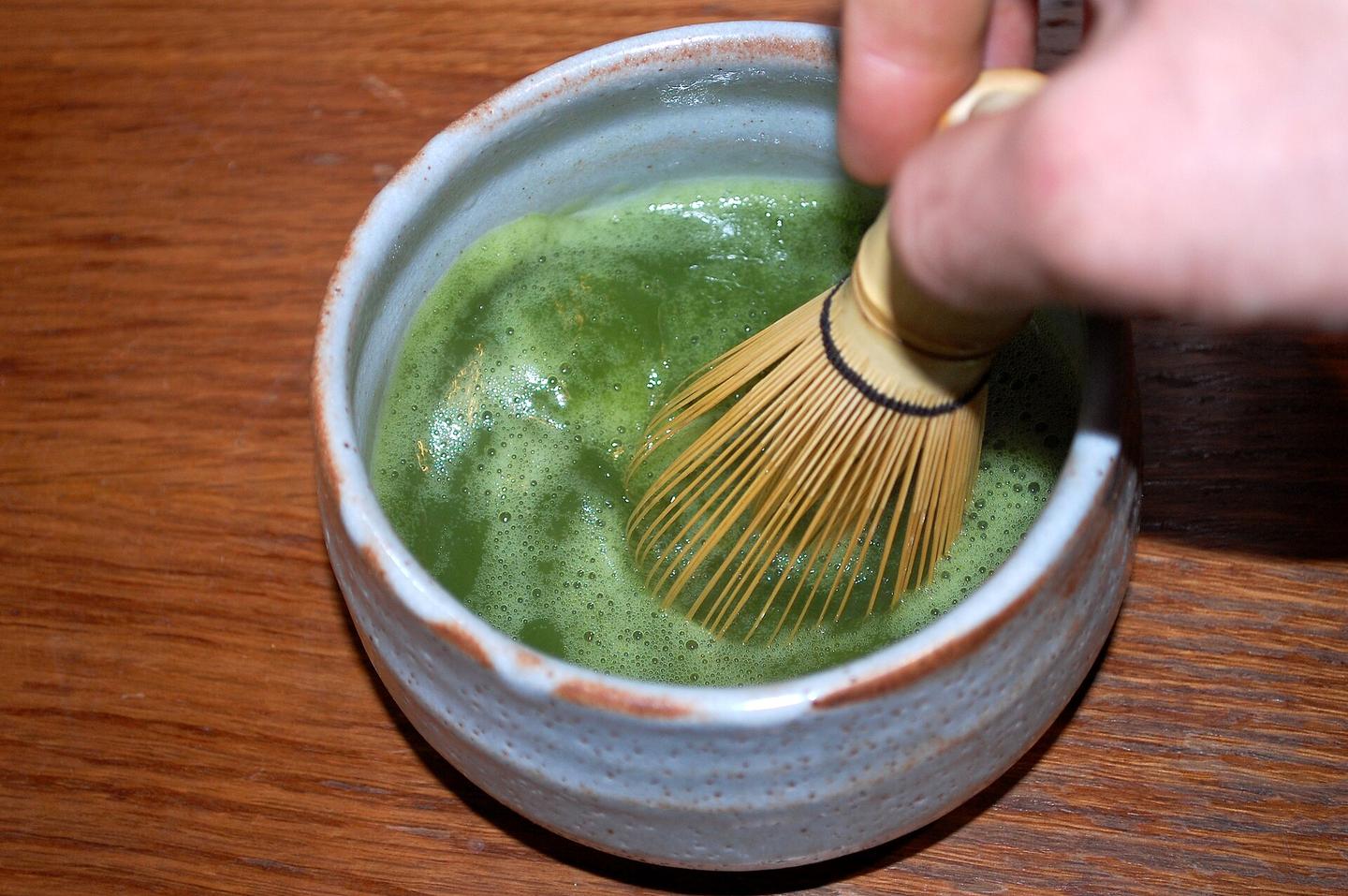
According to the press release, MEC will expand both face-to-face and online matcha education in North America with Brightwater as a base. That combination matters. In-person teaching helps with whisking technique, texture, aroma, and timing, while online classes can reach cafes, restaurants, and learners who are far from a major city.
The announcement also says MEC is open to working with other culinary centres, cafes, and food-related companies. That suggests the Brightwater deal isn’t being treated as a one-off. It’s more like a first anchor point for a wider network, and that is often how specialised food education grows outside Japan.
My tip: if you study Japanese, watch how often food terms travel with them into business English. Words like 職人 (shokunin, craftsman; artisan), omotenashi, and 煎茶 (sencha, steamed green tea) often stay close to their Japanese roots, because translation alone doesn’t quite carry the cultural texture. Matcha is doing that too.
Why Brightwater makes sense as a partner
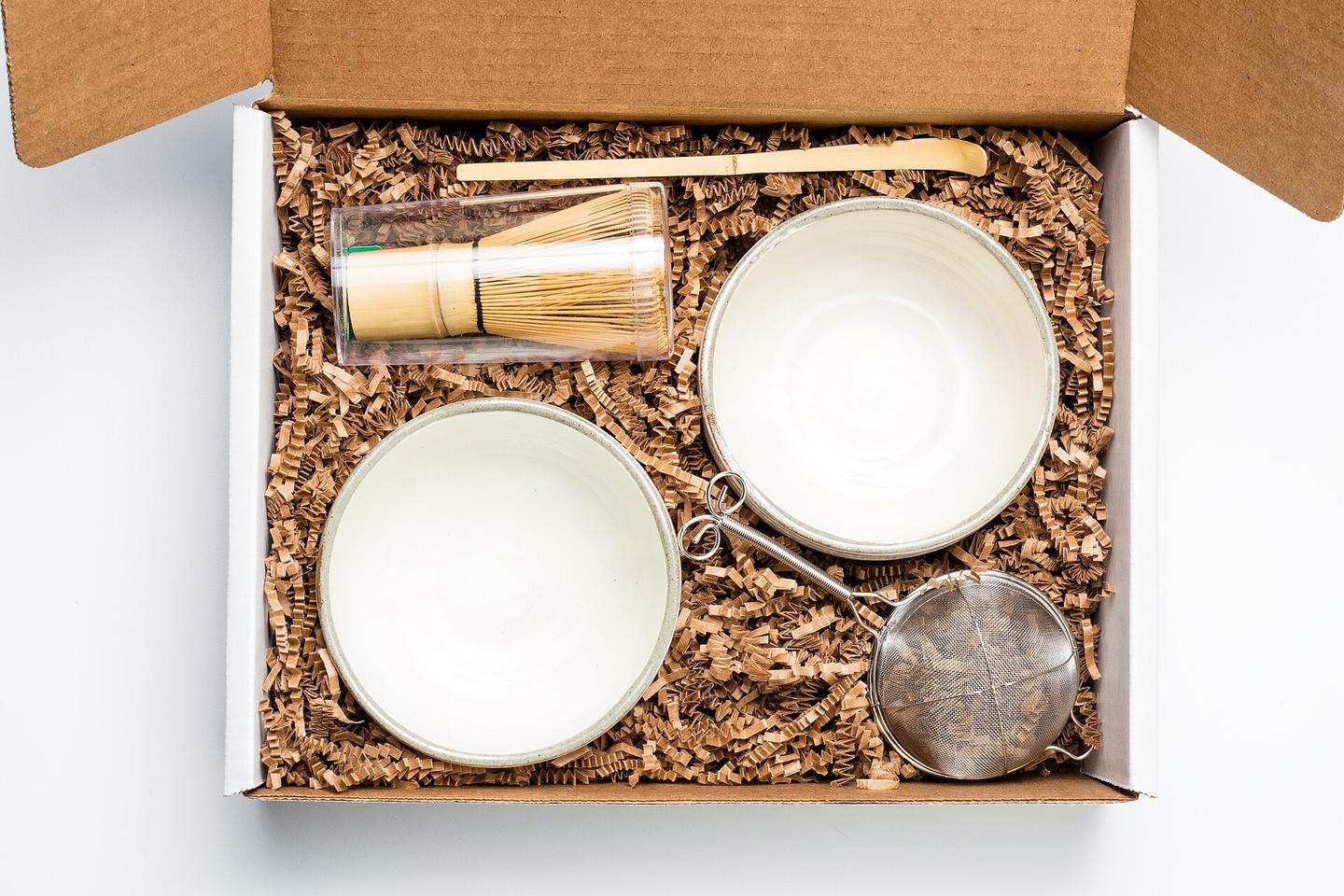
Brightwater isn’t being introduced here as a tea brand, but as a food-focused educational institution. That matters because matcha training isn’t only about taste. It also involves recipe development, beverage handling, equipment use, and the kind of consistency cafes need if they want to serve matcha well every day.
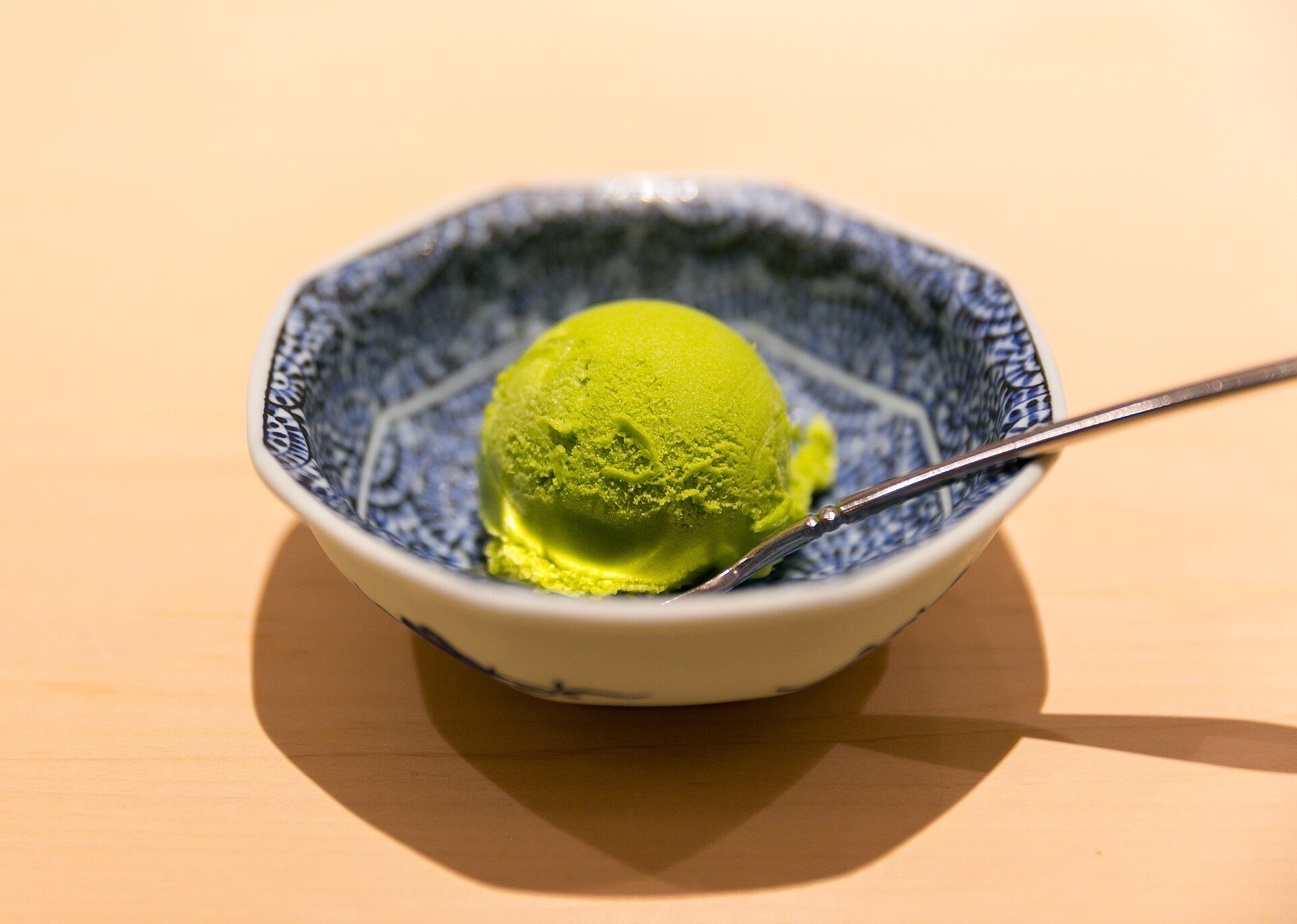
And the market context is clearly there. Recent market reports have pointed to rising U.S. demand for matcha across beverages, frozen desserts, and bakery products, while specialty stores continue to support premium positioning and product education. In other words, the topic is no longer niche in the old sense. It’s niche in the way that a quiet neighbourhood bakery can suddenly find itself teaching half the city how to care about croissants.
That’s where a partner like Brightwater becomes useful. A local educational institution can help translate Japanese tea knowledge into kitchen practice that works in North American classrooms and commercial settings. The cultural bridge is the product.
What this means for Japanese learners and Japan fans
If you are learning Japanese, this story is a good reminder that language and food culture often grow together. A term like お茶 (ocha, tea) may seem basic at first, but once you start noticing the difference between green tea, matcha, sencha, and 焙じ茶 (hojicha, roasted green tea), the whole world of everyday Japan opens up a bit more.
There is also a broader lesson here about how Japanese companies and organisations talk when they expand abroad. The language is often calm, practical, and relationship-based. You don’t always get big dramatic claims. You get phrases like cooperation, education, partnership, and expansion, which is very Japanese corporate rhythm, basically.
What I especially like is that this deal treats matcha as something you can learn, not just consume. That feels right, because the drink has always carried technique and etiquette alongside flavour. You can see why a training partnership would make sense long before a consumer campaign would.
And if you are curious about Japanese vocabulary, this is the kind of story where a single word can carry a whole context. Matcha is the headline, but the real subject is how Japanese food knowledge travels, adapts, and stays recognisably Japanese while moving abroad.
Frequently Asked Questions
What is Matcha Education Center?
It is an organization focused on matcha education, including training and learning activities related to matcha.
Who is Brightwater?
Brightwater is a food education institution in the United States that is partnering with MEC on matcha training.
What is the main goal of the partnership?
The goal is to expand matcha education in North America through both in-person and online programs.