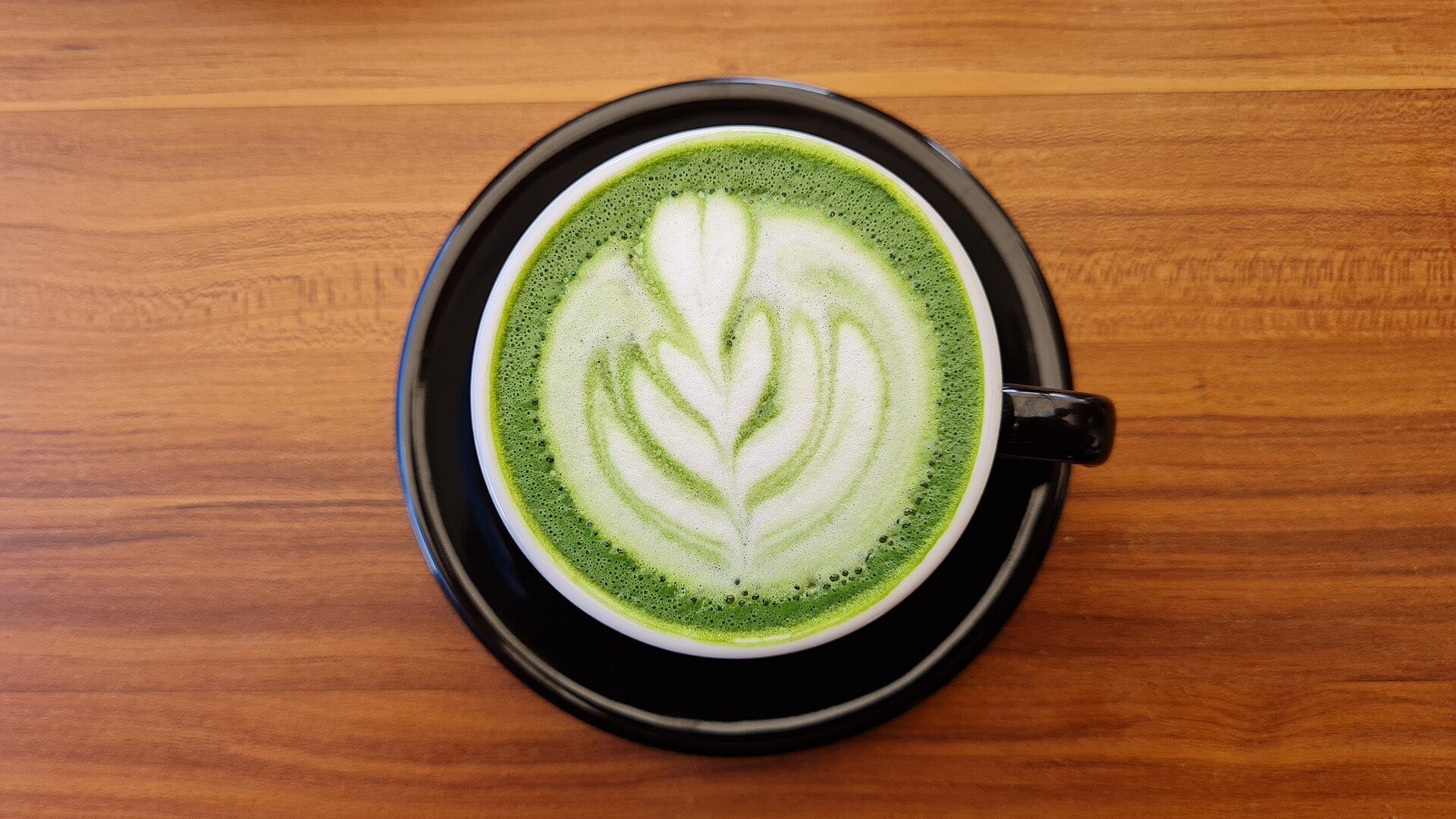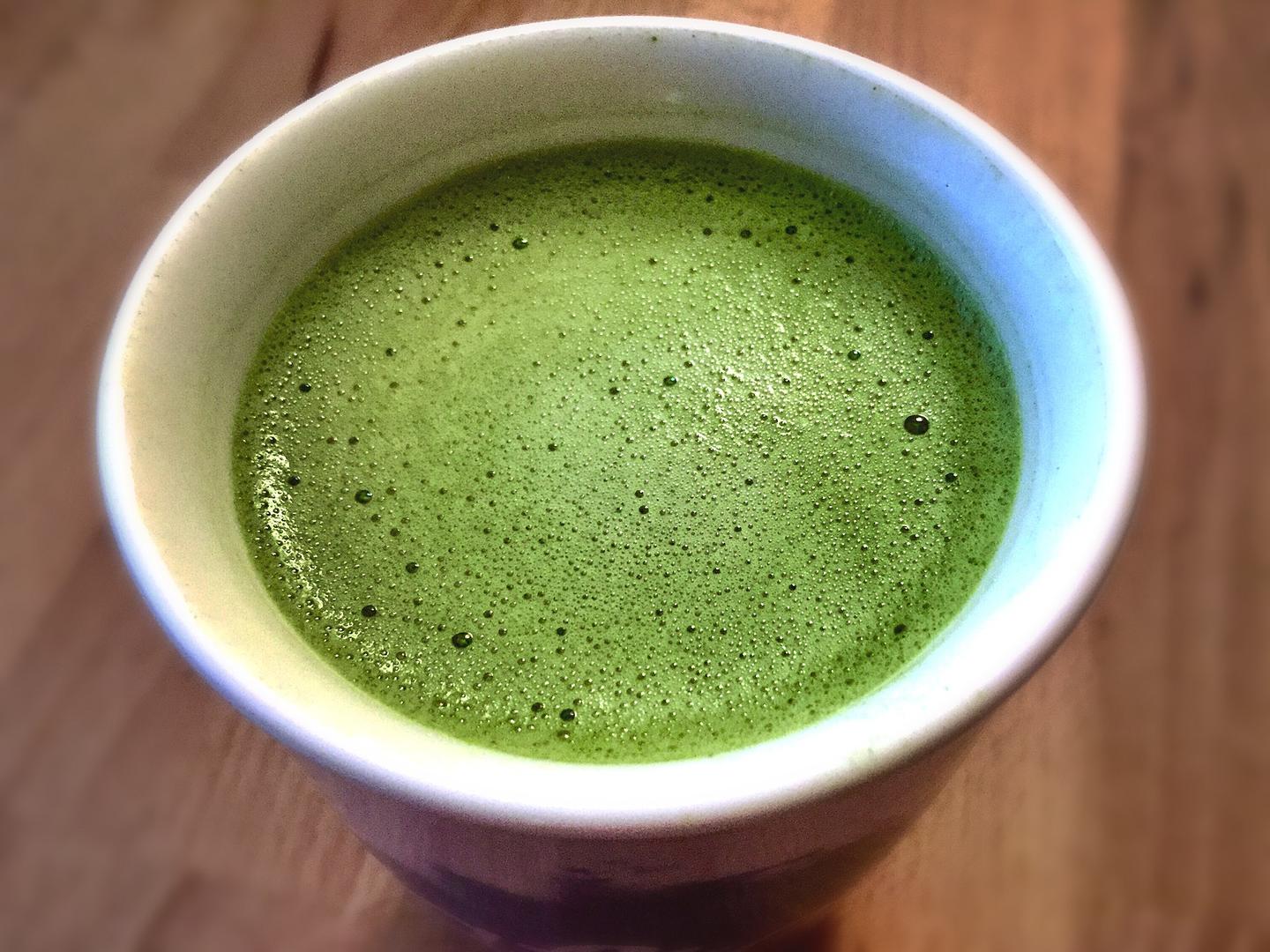
And that’s the neat bit here: this isn’t just a flavoured drink slot tucked between coffee and canned soup. It’s a collaboration between Ito En, the tea heavyweight, and Toyo Vending, whose machine know-how is being used to make 抹茶 (matcha, powdered green tea) feel immediate, accessible, and a little bit ceremonial all at once.
A dedicated machine for proper matcha
Toyo Vending has teamed up with Ito En to launch a dedicated matcha vending machine under the JAPAN QUALITY MATCHA banner, according to the press release issued on 5 August 2026. The pitch is simple and rather appealing: give people a way to drink authentic matcha quickly without sacrificing the feel of freshly whisked tea. For a country that can put a hot meal, a cold drink, and a tissue pack into one box of metal and electronics, this feels oddly inevitable.
The machine is being framed as a new attraction for inbound tourists, which makes sense. Japan’s visitor numbers have pushed demand for cultural experiences, but proper matcha still seems harder to find than you’d expect if you’re standing in a major station area, a sightseeing district, or somewhere full of souvenir shops selling more matcha than they can reasonably defend. This machine tries to close that gap.
Why Ito En matters here
Ito En is one of the names you want in the mix if the brief is tea, not just green-coloured powder with a marketing budget. The company has long been associated with tea in Japan, and its role in this collaboration gives the project the kind of credibility that matters when you’re selling matcha to people who may have tasted it in all sorts of forms, from excellent to deeply regrettable.
That also explains the JAPAN QUALITY MATCHA label. It isn’t just decorative corporate language. The emphasis is on presenting matcha as something rooted in Japanese tea culture, not a novelty flavour. For readers learning Japanese, this is a useful little vocabulary checkpoint too: matcha means powdered green tea, 茶 (cha) means tea, and the wider world of Japanese tea culture sits behind those two syllables with a rather impressive amount of history.
Toyo Vending turns convenience into theatre
Toyo Vending is known for its mill-ground coffee machines, so it’s not exactly entering the beverage business by accident. What matters here is the company’s long experience with vending machines that do more than dispense a drink, they stage a tiny performance. Grind, pour, serve. Now, in this collaboration, the same vending logic is being used for matcha.
That’s the broader Japanese hook, really. In many places, vending means practicality. In Japan, it can also mean precision, reliability, and the faint sense that someone has thought hard about the experience of buying a drink in a corridor at 9 pm. This project leans into that reputation, and rather nicely too.
What this says about matcha in Japan now
The global matcha boom has made the drink more visible overseas, but visibility and access aren’t the same thing. In Japan, matcha still carries the weight of ritual, hospitality, and tea ceremony culture, even when it appears in something as everyday as a vending machine. That contrast is part of the appeal. You get convenience, but you also get the feeling that the product hasn’t been stripped of its Japanese identity in the process.
My tip: if you’re a learner of Japanese, this is a good moment to notice how brands talk about food culture in Japan. Words like tradition, quality, experience, and service do a lot of heavy lifting, and the best product names often sit neatly between plain utility and cultural pride. JAPAN QUALITY MATCHA does exactly that, with the sort of blunt clarity that Japanese packaging often favours. No drama. Just a very Japanese promise.
And that’s why this collaboration matters beyond the machine itself. It’s a small product launch, but it sits right at the junction of tourism, tea culture, and Japan’s gift for making the ordinary feel slightly polished. Which is, frankly, part of the country's charm.
Frequently Asked Questions
What is the Ito En x Toyo Vending project?
It is a collaboration that introduces a dedicated matcha vending machine under the JAPAN QUALITY MATCHA brand.
Why is this machine notable?
It combines Japanese vending machine convenience with an authentic matcha focus, making the drink easier to access for visitors and locals.
Why does this matter for Japan fans?
It is a neat example of how Japan turns everyday infrastructure into a cultural experience, especially around food and drink.