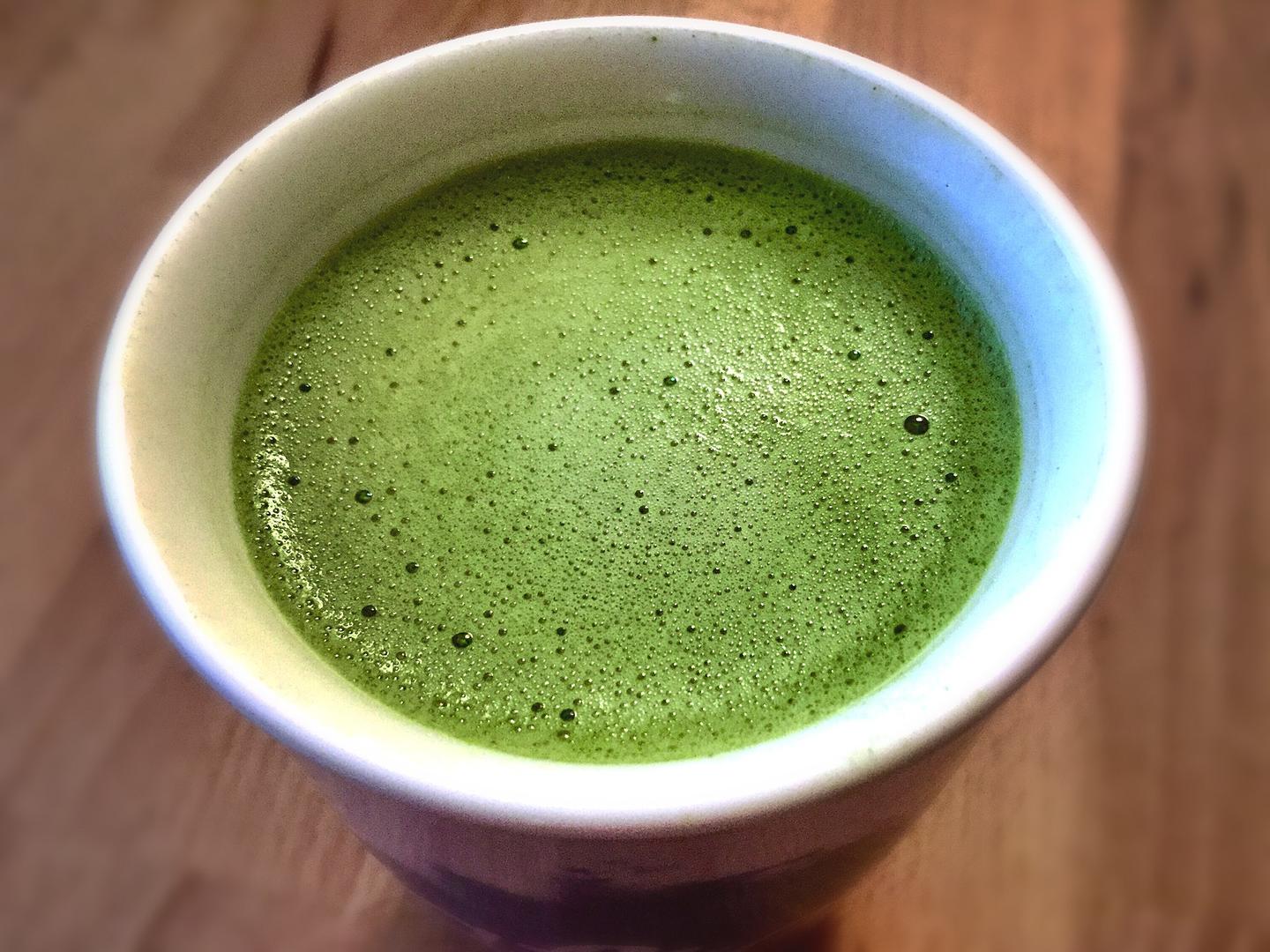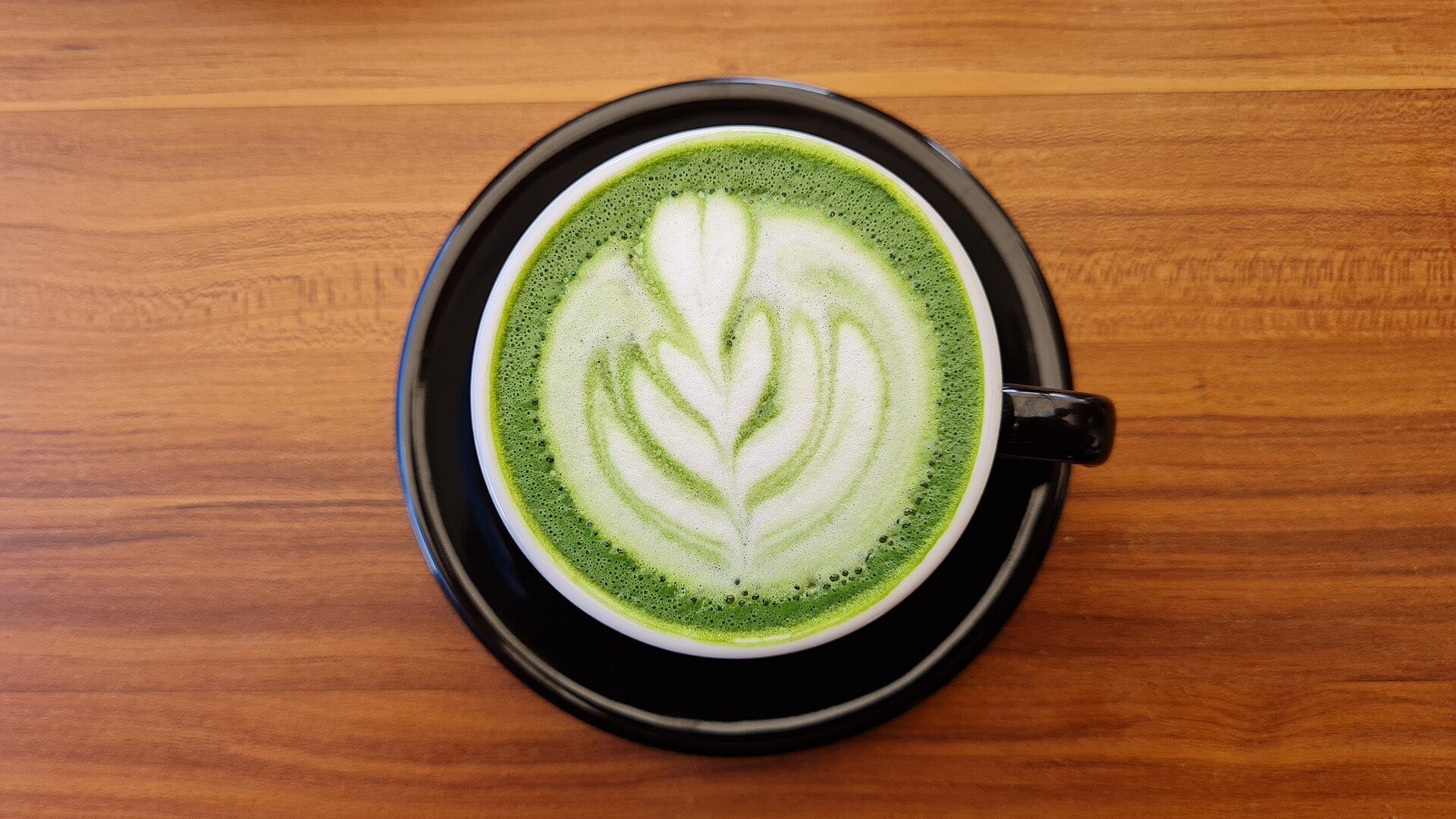
What stands out here is the mix of culinary training and cultural literacy. For Japanese learners, it’s also a neat reminder that words like terroir, craft, and taste are now part of how modern food education talks about 抹茶 (matcha, powdered green tea), not just tea ceremony terms like 茶 (cha) and お茶 (ocha). Sounds good, right?
BCC and GOe bring matcha into an international classroom
The Basque Culinary Center, often shortened to BCC, teamed up with GOe for a matcha programme in Tokyo on 16 October 2026, according to Matcha Education Center. The session was titled “Everything About Matcha: Terroir, Craft and Taste”, and it was built around the basics that serious matcha education always returns to: origin, production method, and flavour.
That matters because matcha isn’t being treated only as a café trend anymore. It’s being taught as a subject with geography, technique, and sensory language, which gives learners a more exact way to talk about what they’re drinking. Seriously though, that shift makes the topic much richer than a simple green tea spotlight.
The event was linked to GOe, the Gastronomy Open Ecosystem promoted by BCC in San Sebastian. The Tokyo session also shows how Japanese food knowledge is being shared in an international learning format, not just inside Japan. For anyone studying Japanese, that’s a useful cue, since food vocabulary often travels alongside cultural ideas, and matcha is one of the clearest examples.
Why terroir matters for matcha
Terroir is one of those words that sounds French, but it’s become a standard term in global food education. It points to the place behind the taste, including soil, climate, farming style, and processing choices. In matcha, that means the leaf’s growing conditions can change colour, aroma, bitterness, and the overall finish in the cup.
The best part is that this is exactly the kind of detail that helps learners move beyond “matcha tastes green”. A good matcha vocabulary set includes words like 旨味 (umami, savory taste; umami), astringency, sweetness, and aroma, plus place-based terms such as 地域 (chiiiki), or region, when talking about origin. My tip: if you study Japanese food media, keep an eye on how often origin is treated as part of quality, not just a marketing label. Wait, there’s more.
From tea leaves to teaching material
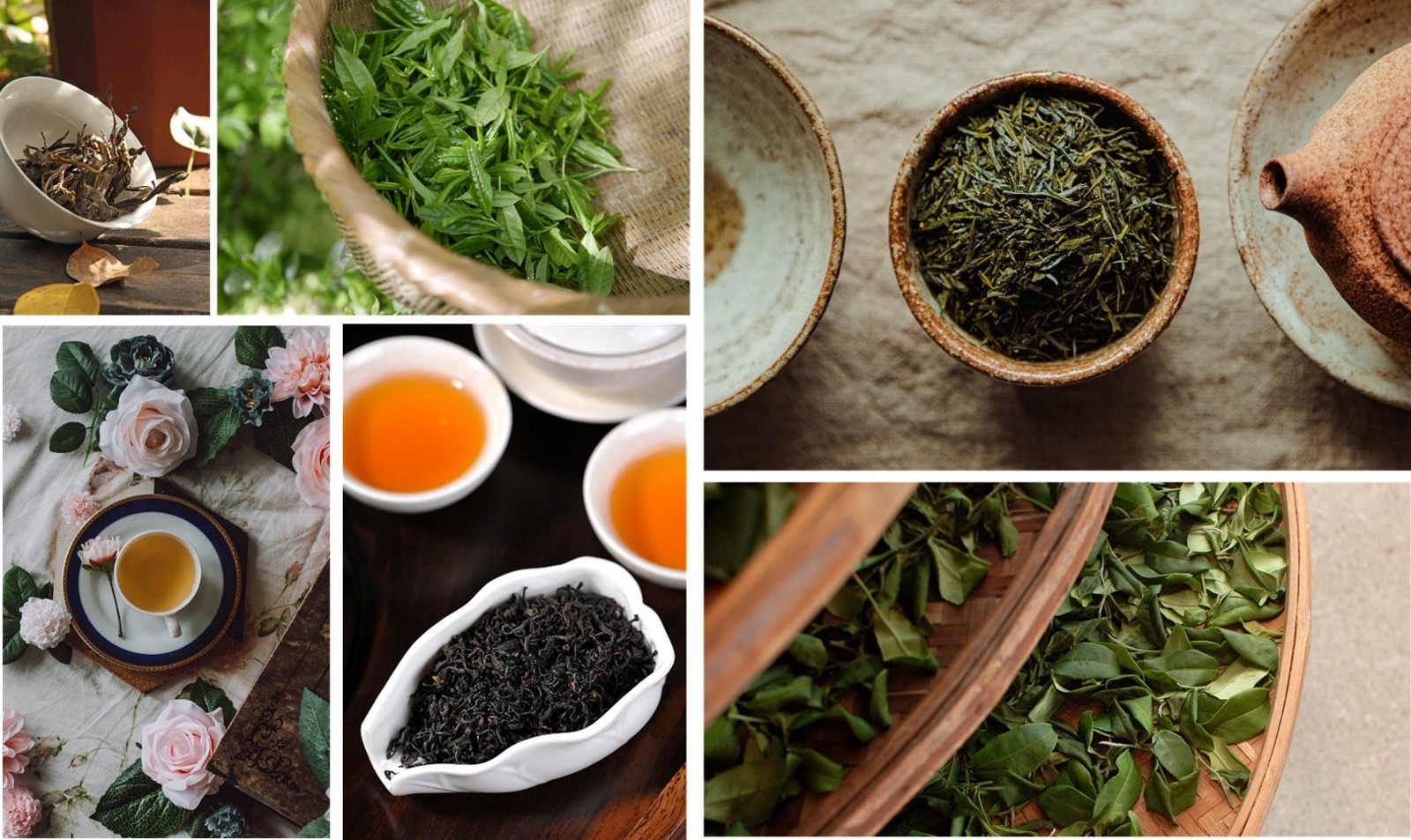
Matcha education often starts with production steps that many casual drinkers never think about. Shade-growing, steaming, drying, stone milling, and grading all affect the final powder. That means a programme like this isn’t just about taste, it’s also about giving students a framework for evaluating food with precision.
Compared with back home, where tea discussions can stay broad and lifestyle-focused, Japanese food learning often gets very specific very fast. That precision is one reason matcha works so well as a teaching topic. It sits right at the intersection of agriculture, craftsmanship, and flavour analysis. From my experience, that combination is exactly what keeps Japan-related food content interesting.
What GOe and BCC add to the story
GOe is presented as an ecosystem for gastronomy, which makes it a strong fit for a class that treats matcha as both a product and a subject of study. BCC already has a strong reputation in culinary education, so the partnership gives the programme a credible international frame. That brings us to the bigger point: this wasn’t just a one-off tea event, but part of a broader exchange around food knowledge.
And it gets better: the Tokyo programme also connects Japanese food culture with overseas culinary education networks. That’s important for learners because it shows how Japanese food terms can appear in professional settings outside Japan, not only in tourism or pop culture. If you are studying Japanese, this is the kind of context where words like 食品 (shokuhin, food products), 教育 (kyouiku, education), and bunka start to feel more alive.
Insider tip: when Japanese media discusses matcha, watch for the balance between tradition and modernity. You’ll often see a careful respect for provenance, while the presentation itself can be very contemporary. Sounds weird, but it’s true. That balance is one reason matcha keeps expanding into new educational and culinary spaces.
Frequently Asked Questions
What is the main focus of the BCC and GOe matcha program?
It focuses on matcha terroir, production methods, and taste, with an educational approach rather than a simple tasting event.
Why is this news relevant for Japanese learners?
It connects Japanese tea culture with international food education, which helps learners understand vocabulary, origin-based quality language, and cultural context.
What makes terroir important in matcha?
Terroir helps explain how location, farming, and processing shape the final flavour, aroma, and texture of the tea.