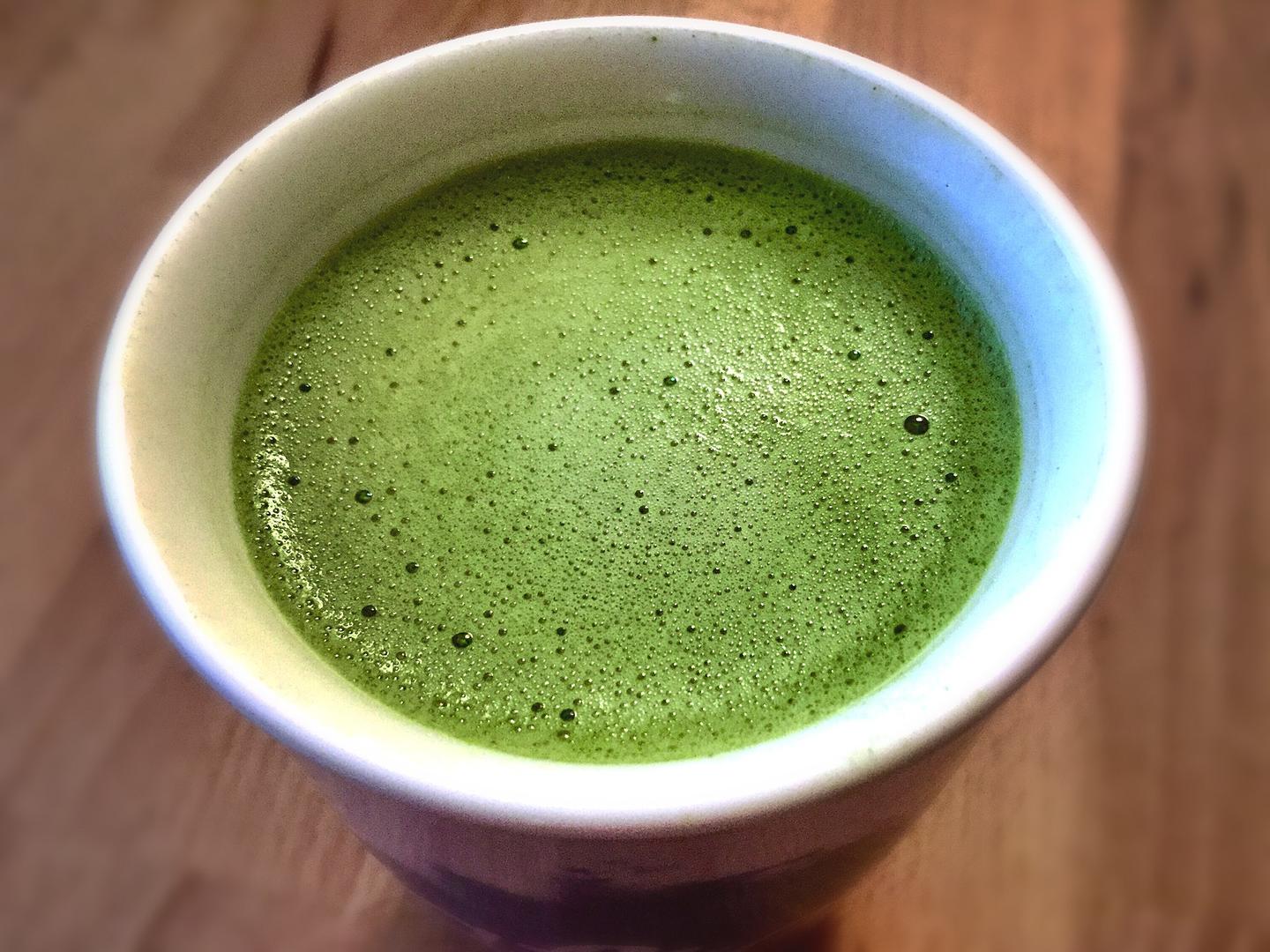
For Japanese learners, this is a useful seasonal food story as well as a vocabulary one. Terms like stollen, 抹茶 (matcha, powdered green tea), 宇治抹茶 (Uji matcha, matcha from Uji), and 黒豆 (kuro mame, black soybeans) all appear in a context that’s easy to recognise, and the product itself shows how Japanese bakeries adapt a European holiday bread for a local palate.
Comme'N's 2026 Christmas stollen brings matcha and kuro mame together
Comme'N has added a seasonal stollen called Stollen 2026 Matcha to its Christmas range. According to Fashion Press, reservations for the 2026 stollen began on 25 October 2026, and sales started on 1 November 2026. The bakery is based in Kuhombutsu, Setagaya, Tokyo, and this year's lineup also includes a fruit-focused version, Stollen 2026 Fruits, plus a half-size tasting set that combines both flavours.
The matcha version is the one that stands out for Japan watchers. It uses Uji matcha, which gives the loaf a clear green-tea character, and kuro mame, or black soybeans, which add a gentle sweetness. That pairing is easy to read even if you’re still building your Japanese vocabulary. Matcha brings bitterness and aroma, while kuro mame is associated with a calm, mildly sweet flavour that appears often in New Year food and traditional sweets.
Comme'N's approach is straightforward. The bakery isn’t treating stollen as a single fixed product. It’s presenting it as a seasonal bread that can carry different flavour profiles, including a Japanese one. That makes the release practical for readers who like limited-edition bakery items, and it gives language learners a neat example of how food names can shift in Japanese depending on ingredients and season.
Why Uji matcha and kuro mame work in stollen
Stollen is already a dense, fruit-and-nut style holiday loaf, so it can handle stronger flavours. Uji matcha gives structure, not just colour. It adds bitterness that keeps the sweetness in check. Kuro mame works in the same direction, but more softly. It rounds out the flavour and adds a Japanese seasonal note without making the bread taste like a dessert bun.
That balance matters. If a matcha product leans too far into sweetness, the tea flavour disappears. If it goes too far towards bitterness, the loaf feels harsh. Here, the combination of Uji matcha and kuro mame suggests a controlled flavour profile. For people learning Japanese, it is a good reminder that ingredient names often carry regional meaning. Uji is not just a place name. In food culture, it signals a high-quality matcha association right away.
One more practical point: black soybeans are often called kuro mame in everyday food writing, and they’re worth remembering as a seasonal keyword. You’ll see them in sweets, festival food, and New Year dishes. If you’re reading Japanese bakery news, this word comes up often enough that it’s worth keeping in your notebook.
What the tasting set tells you about the product
Comme'N is also offering a half-size tasting set, which bundles Stollen 2026 Fruits and Stollen 2026 Matcha. That’s a sensible move for a niche seasonal item. It lets buyers compare the fruit-led loaf with the Japanese-style one without committing to a full loaf of each. For a bakery campaign, that also lowers the barrier for people who want to choose based on flavour rather than brand loyalty alone.
This is where the product becomes more than a holiday novelty. It’s a small example of how Japanese bakeries frame choice. The emphasis is not only on buying a Christmas sweet, but on selecting between two clear flavour identities. That is useful vocabulary for learners too. Words like fruits, matcha, kuro mame, and tasting set are concrete, easy to reuse, and tied to a real seasonal context.
What I especially like is the clarity of the concept. There’s no need to guess what the product is trying to be. The name tells you the flavour, the ingredients tell you the direction, and the seasonal timing tells you when it belongs on sale. That’s good product design, and it makes the news easy to follow even if you’re not already familiar with Japanese bakery culture.
Useful Japanese vocabulary from this release
If you’re studying Japanese, this story gives you a small but useful set of terms. Stollen stays close to the German original, so it’s easy to recognise. Matcha is the standard word for powdered green tea. Uji matcha refers to matcha associated with Uji, a tea-growing area near Kyoto. Kuro mame means black soybeans, and it’s a common food term in seasonal writing.
You can also treat this as a model for reading product names. Japanese food news often packs a lot of information into a short label. A name like Stollen 2026 Matcha doesn’t just identify the product. It tells you the year, the category, and the key flavour cue in one line. Once you’re used to that pattern, reading seasonal announcements becomes much easier.
For Japan fans, the appeal is simple. This is a Christmas item, but it carries a distinctly Japanese ingredient profile. That mix is exactly what makes bakery releases like this worth watching, because they show how global holiday foods are adapted for a local market without losing their seasonal identity.
Sources
Frequently Asked Questions
What is the main flavour of the Matcha stollen?
The main flavour comes from Uji matcha, with kuro mame adding a mild sweetness and a Japanese seasonal note.
When did sales begin?
According to Fashion Press, reservations began on 25 October 2026, and sales started on 1 November 2026.
Why is this product useful for Japanese learners?
It includes practical food vocabulary such as matcha, Uji, and kuro mame, all in a seasonal context that is easy to remember.