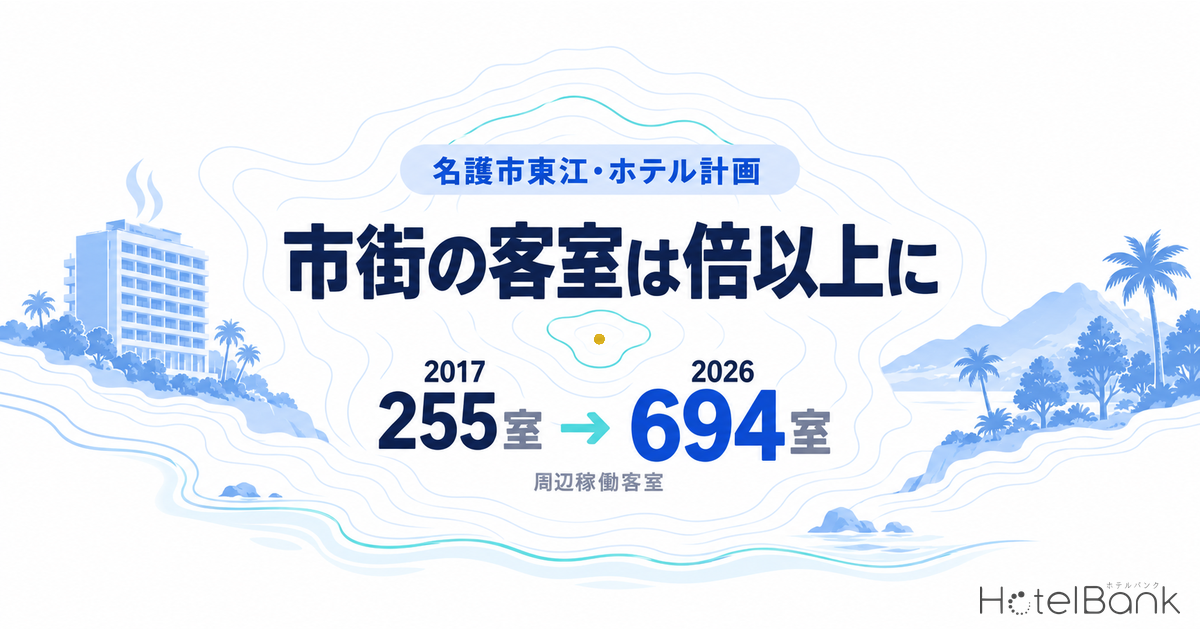
For Japan fans, the detail that stands out is the onsen on the upper floors, since that kind of bathing setup is often a selling point in Japanese hotel vocabulary, with terms like 露天風呂 (rotenburo, open-air bath), 銭湯 (sento, public bath), and onsen used very precisely. The scale also matters here, because this isn't a small boutique build, but a mid-sized city hotel aimed at a busy travel market.

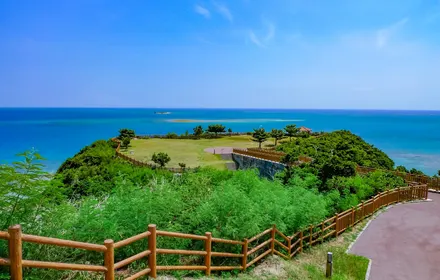
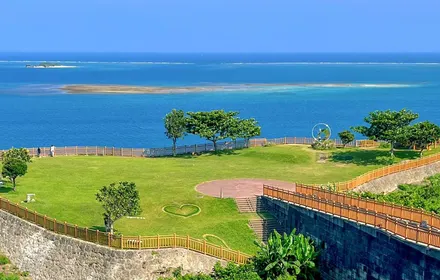
What is planned for Nago
A hotel with 140 rooms, nine floors, and an onsen is set for Nago, on the site of the former fire station in the Nago Agarie area, according to Hotelbank. That combination tells you a lot about the project’s target: a practical city hotel, not a resort villa, with enough size to serve both leisure travellers and business guests.
The location matters because Nago is one of the main bases for visiting northern Okinawa. It sits close to key road links, and it’s often used as a stopover for travellers heading to the Motobu area, the aquarium, or beach resorts along the island’s north coast.
Why the onsen angle matters in Okinawa
In Okinawa, hotel competition is usually shaped by beaches, views, and access to attractions, so adding an onsen gives this project a different hook. In Japanese, onsen usually means a hot spring bath, while sento refers to a public bath, and that distinction matters to learners because hotels often market the bathing facility very carefully.
For readers who study Japanese, this is also a useful real-world example of how property features become part of hotel branding. A phrase like onsen ari in listings signals that bathing is a core amenity, and in a place like Nago it can help a hotel stand out from standard city stays.
Market context for northern Okinawa
Nago has long been a practical base for Okinawa trips, and hotel supply there has grown around tourism traffic, road travel, and the spread of accommodation options beyond Naha. A 140-room build is large enough to matter in local supply, but still modest compared with major urban hotel towers in Tokyo or Osaka.


The nine-storey plan also fits the area’s hotel pattern. In Nago, a taller building can make commercial sense because it concentrates rooms on a limited site, while keeping the project close to transport routes and central services. That’s especially relevant for a former public-site redevelopment, where land use efficiency is part of the story.
What to watch next
Two details will matter most as the project moves forward: the opening timing and how the onsen is designed into the building. If the bath is placed on an upper floor, guests may get better views as well as a more memorable stay, which is exactly the kind of feature Japanese hotels use to justify a stronger room price.
Before I forget, this is also a neat vocabulary case for learners. Room count is 部屋数 (heya-suu, number of rooms), floors are 階 (kai, floor / storey), and a new build is shincho, so a headline like this packs a lot of usable Japanese terms into a single news item.
My view is that the mix of nine floors, 140 rooms, and an onsen makes this more interesting than a routine hotel announcement. It shows how Okinawa’s lodging market keeps branching out, with Nago staying firmly on the map.
Frequently Asked Questions
Where is the new hotel planned?
It is planned for Nago, in the Nago Agarie area on the former fire station site.
How big is the project?
The plan calls for 140 rooms and nine floors.
What is the main feature that stands out?
The onsen is the standout feature, because it gives the hotel a stronger appeal in Okinawa’s competitive lodging market.