That makes this a very specific kind of Japan news, the sort that sits nicely between travel, heritage, and language learning. If you like lesser-known places with real cultural depth, Minakami is one to keep an eye on.
Why Minakami is in the spotlight
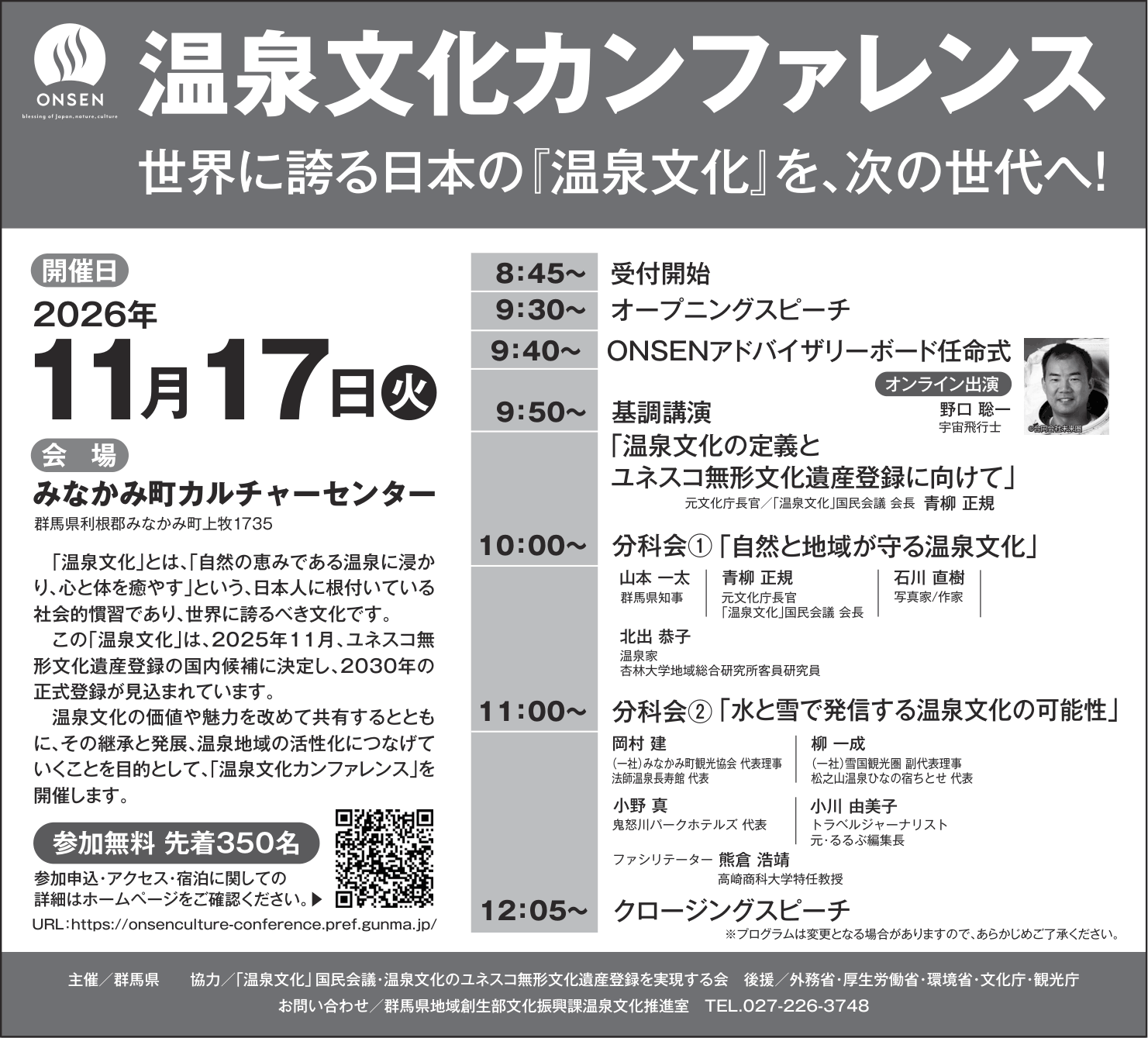
Minakami, in Gunma Prefecture, is the setting for a rare kind of travel-news story, one that isn’t about a new hotel or a flashy sightseeing campaign. On November 17, 2026, the town will host the Onsen Culture Conference at the Minakami Town Culture Center, according to MICE TIMES ONLINE and local reporting from Jomo Shinbun. The focus is on onsen culture itself, not just hot springs as a place to bathe, but as a living part of Japanese regional life.
That distinction matters. In Japanese, onsen refers to hot springs, while 文化 (bunka, culture) means culture, and put together the phrase points to something bigger than tourism. It’s about how bathing, local landscapes, hospitality, and everyday customs connect. For Japanese learners, this is one of those useful words that opens a door, because it shows how a simple term can carry history, geography, and social meaning at once.
What the conference is aiming for
The conference is being organised with an eye toward UNESCO intangible cultural heritage registration in 2030, according to the coverage from Jomo Shinbun. That gives the event a clear policy and cultural angle, not just a local promotional one. The prefecture wants to share the value of onsen culture inside Japan and abroad, and the conference is meant to be part of that effort.
What I especially like is that this isn’t being treated as a vague heritage slogan. The reports describe keynote talks and breakout sessions, which suggests a proper working conference rather than a ceremonial gathering. That feels very Japanese to me in the best way: serious, structured, and quietly ambitious. No drama needed, just patient groundwork.
Why UNESCO matters here
UNESCO intangible cultural heritage is not about buildings or scenery alone. It’s about practices, knowledge, and traditions that are passed down. If onsen culture is being discussed in that framework, then the conversation goes beyond soaking in hot water. It includes regional community life, care for natural resources, and the cultural habits that grow around bathing.
And for Japan fans, that’s the interesting bit. Onsen are often introduced as a travel pleasure, but they’re also part of a much wider cultural system. A conference like this asks a deeper question: how do you keep something familiar alive for the next generation without turning it into a museum piece?

What we know about the event itself
The date is fixed, November 17, and the venue is the Minakami Town Culture Center. The event is being described as the first conference of its kind in Gunma focused on onsen culture. Participation is reported as free in one of the additional news items, and the programme is expected to include a keynote lecture by Masanori Aoyagi, a former head of the Agency for Cultural Affairs, according to the local reports.
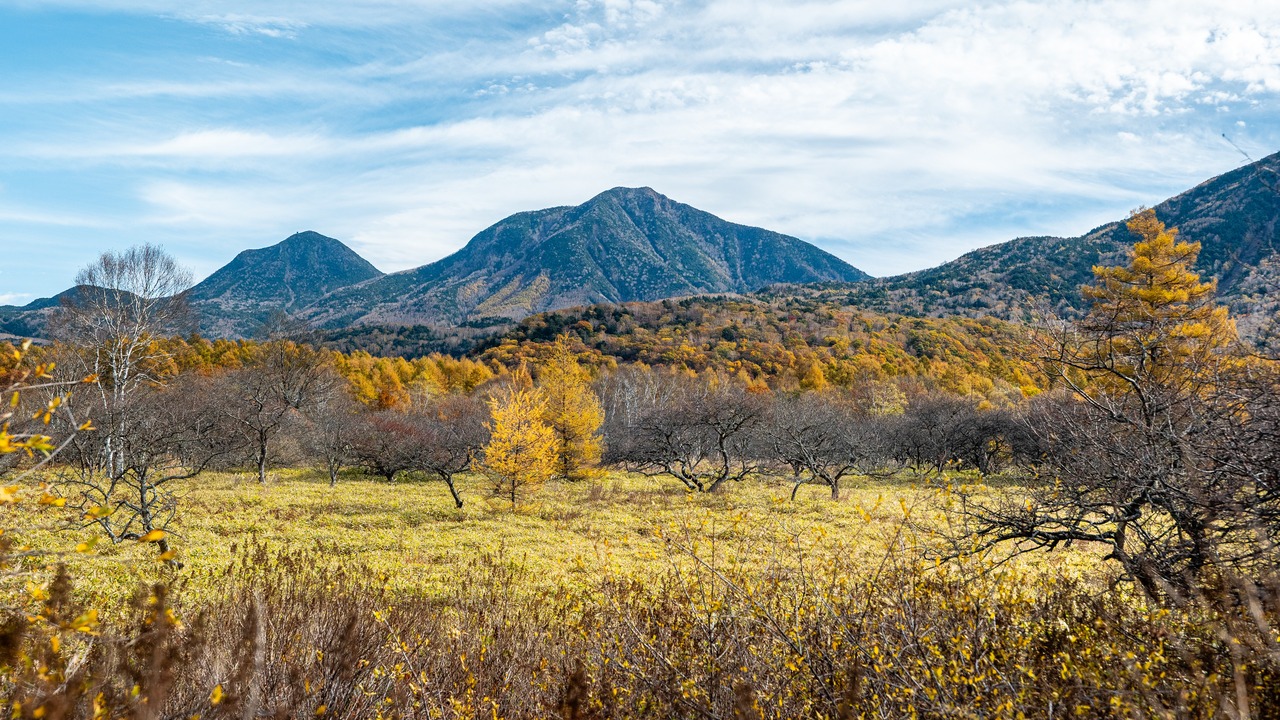
That speaker choice says a lot. Aoyagi is associated with cultural policy, so the conference is clearly trying to connect local onsen traditions with national heritage strategy. It isn’t hard to see why Minakami was chosen either, since Gunma has long been one of the prefectures most closely associated with hot spring culture. Minakami, especially, has the kind of mountain setting that gives onsen towns their rhythm, with travel, rest, and regional identity all tied together.
For Japan learners, this is a nice vocabulary moment
If you are studying Japanese, this news offers a small but useful cluster of words. Onsen is the obvious one, but 無形文化財 (mukei bunkazai, intangible cultural property) is another phrase worth noticing, especially because it appears often in heritage and museum contexts. You will also see 伝承 (densho, transmission; handing down) for transmission or handing down, which fits the idea of passing traditions to the next generation.
My tip: when you read Japanese news like this, try noticing what the headline emphasises and what the article adds underneath. A phrase like onsen bunka sounds simple, but the surrounding language usually reveals whether the story is about tourism, policy, preservation, or local pride. That little habit pays off fast, and it makes newspaper Japanese feel less intimidating.
And if you are the kind of reader who likes less obvious Japan stories, this one is worth a look. It is not a big city headline, and it is not trying to be. It is a local event with a clear date, a clear place, and a real heritage angle, which is exactly the sort of thing that makes Japan news rewarding to follow.
Frequently Asked Questions
When is the conference taking place?
It is scheduled for November 17, 2026.
Where will it be held?
The venue is the Minakami Town Culture Center in Minakami, Gunma Prefecture.
Why is UNESCO mentioned in connection with the event?
The conference is linked to efforts to promote onsen culture for UNESCO intangible cultural heritage recognition.