For Japan fans, this is a neat example of regional branding done right, and it also gives language learners a useful phrase to remember: onsen for hot springs, gastronomy for food culture, and 歩き (aruki) for walking. Simple words, but together they tell you a lot about how Japanese tourism events are framed. Wild, isn’t it?
Kanonji City gets a tourism win with real local impact
Kanonji City’s ONSEN Gastronome Walking event has won an award for the first time in Kagawa Prefecture, according to Shikoku Shimbun. The honoured programme was the 4th ONSEN Gastronome Walking, which puts food, strolling, and hot spring culture into one compact regional tourism experience.
That matters because this isn’t just a feel-good local headline. It shows that a smaller city in Shikoku can turn a community event into something the wider prefecture notices, and that kind of recognition can help with future visitors, media coverage, and local pride. For Japan watchers, it’s a nice example of how regional events often build identity through a few strong themes instead of trying to do everything at once. See what I mean?
Here’s the thing: Japanese local tourism often works best when it gives travellers a reason to slow down. A walking route, seasonal food, and an onsen stop are all easy to understand, easy to market, and easy to remember. In Japanese, the event name itself is almost a mini lesson in tourism vocabulary, with onsen, gastronomy, and walking culture blended into one phrase. My tip: if you’re learning Japanese, pay attention to event names like this, because they often reveal how Japan sells place and experience in a very direct way.
What makes an onsen gastronomy walk appealing
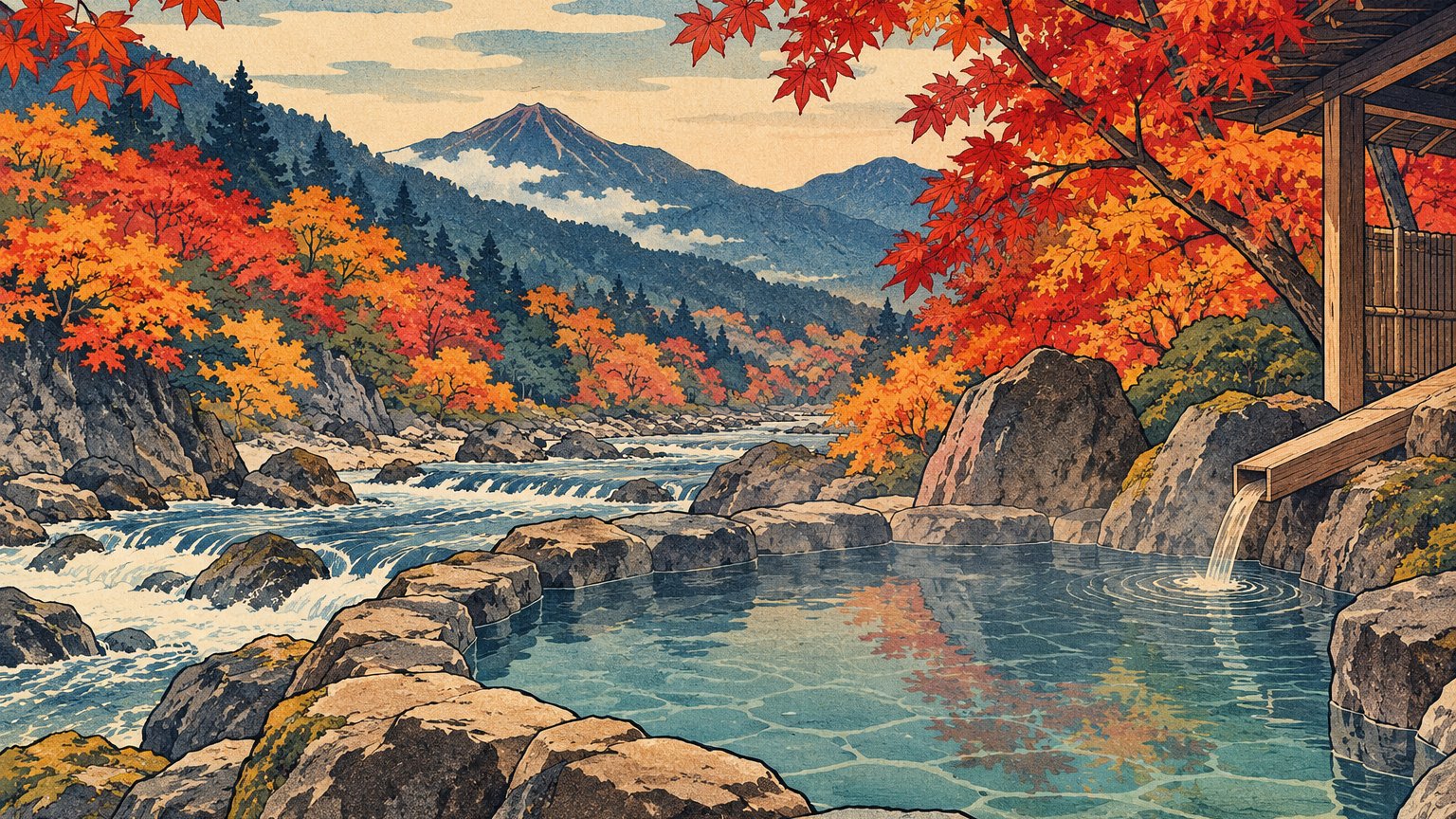
Picture this: you walk a route through town, stop for local dishes along the way, and finish with a soak in a hot spring. That basic structure is exactly why onsen gastronomy walks have spread to different parts of Japan. They’re part sightseeing, part food crawl, part gentle exercise, and they fit both domestic travellers and overseas visitors who want something more grounded than a standard bus tour.
For example, the format gives local producers a chance to show off ingredients that might otherwise stay invisible to visitors. It also encourages people to explore neighbourhoods at a human pace, which is a big reason these events feel more personal than a quick attraction hop. The best part is that it naturally links place and flavour. You remember the road, the meal, and the bath together. That’s a stronger memory than just ticking off a landmark, and it’s pretty clever tourism design. Convinced yet?

Before I forget: for language learners, these events are also useful for listening and reading practice. Words like 祭り (matsuri, festival), 食堂 (shokudo, diner; cafeteria), ryokan, and onsen show up constantly in regional travel coverage, and they’re all tied to real-world travel contexts. If you can recognise them quickly, Japanese news and travel pages become much easier to follow.
Why this award matters for Kagawa tourism
To be fair, regional awards can sound small if you only look at the headline. But a first-in-the-prefecture award is a meaningful marker, especially when the event is tied to a city like Kanonji that wants to stand out within Kagawa. It gives organisers a concrete achievement they can use when promoting future editions, and it helps position the city as more than just a name on a map.
That also fits a bigger pattern in Japan, where local governments and tourism groups often use food-and-walk events to spread visits beyond the usual big-name destinations. Instead of pushing people towards one overloaded attraction, they create reasons to move through a whole area. That can be good for small shops, local restaurants, and bath facilities, all of which benefit when visitors stay longer and explore more widely.
What most people don’t know: these kinds of events also tend to be media-friendly because they’re easy to explain in one sentence. The concept is clear, the visuals are appealing, and the local angle is strong. For Kagawa, which already has a reputation that can include うどん (udon, udon noodles) as a major talking point, an award like this adds another layer to its tourism story.
Frequently Asked Questions
What was awarded in this news?
The 4th ONSEN Gastronome Walking event in Kanonji City received an award.
Why is this news important for Kagawa Prefecture?
It is the first time an event in Kagawa Prefecture has received this kind of recognition, so it is a notable local tourism achievement.
Why should Japanese learners care about this event?
It uses common travel vocabulary and shows how Japan combines food, walking, and hot springs in tourism promotion.