This is a small but useful regional expansion, not a nationwide reset, and that makes it interesting. For Japan fans, it’s a good reminder that many prefectural events are built through local networks of public baths, hotels, and community venues rather than one big central campaign.
Sento no Hi reaches 49 facilities in Nagano on 10 October
Nagano Prefecture will take part in 銭湯の日 (Sento no Hi, Public Bath Day) on 10 October, with 49 facilities included according to the original PR release. That number matters because it shows this isn’t just a symbolic mention of public baths, but a local rollout with real coverage across the prefecture. For readers learning Japanese, 銭湯 (sento) means a public bath, while 日 (hi) means day, so the phrase itself is straightforward and easy to remember.
The event sits in a very Japanese seasonal rhythm. October is already a strong month for bath culture, with cooler evenings, autumn travel, and the first proper need for a hot soak after a day out in the mountains or around town. Nagano, with its elevation and long history of hot-spring tourism, fits that mood well.
Why Nagano is a natural fit for bath culture
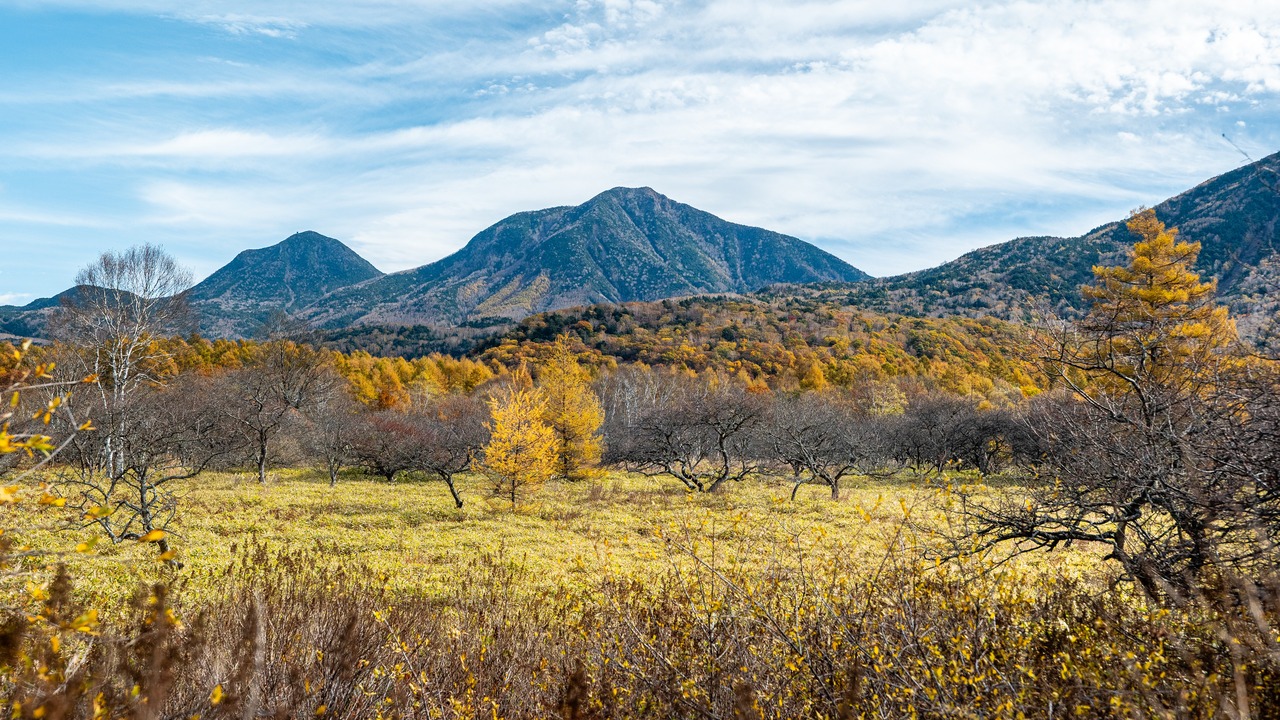
Nagano isn’t just a mountain prefecture on the map, it’s a place where bathing culture has practical value. Cold seasons arrive early in many areas, and that makes warm water a daily comfort rather than a luxury.
Snow Monkey Resorts notes that Nagano Prefecture has 77 municipalities, and many of them are known for local food, scenery, and hot springs. That mix helps explain why a bath-focused event can spread beyond one city and still make sense for residents and visitors alike.
What the vocabulary tells you
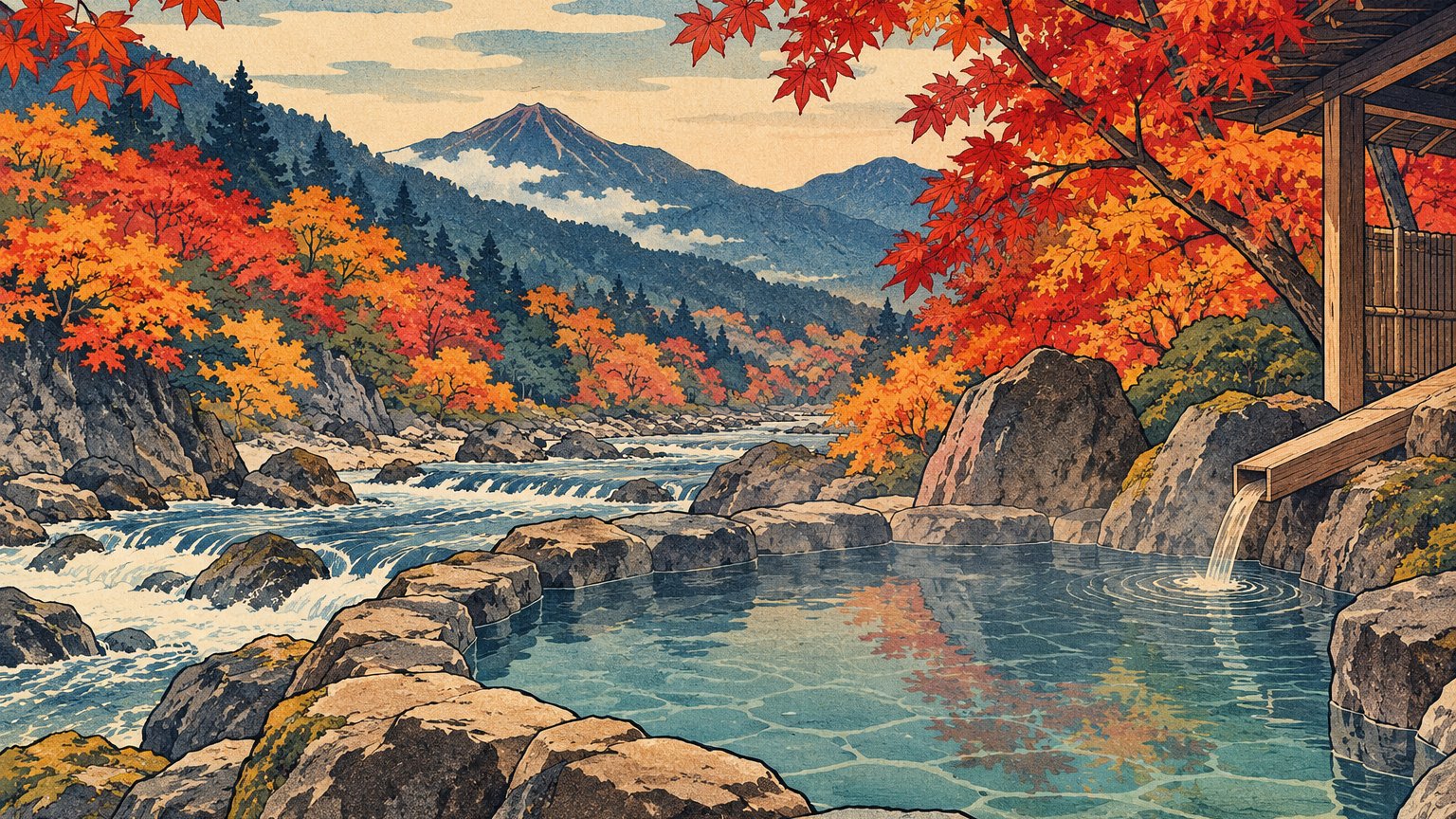
Japanese event names often stay simple, and this one is no exception. Sento no Hi can be read almost at face value, which is useful for learners who want to build a basic vocabulary set around travel and bathing. Words like sento, onsen, and 露天風呂 (rotenburo, open-air bath) appear constantly in guides, signage, and conversation, so this kind of event is a practical entry point rather than a niche detail.

My tip: if you’re studying Japanese, make a small word list from everyday travel topics like bathing, train stops, and food, because those terms turn up far more often than classroom textbook phrases.
What this regional expansion says about local events in Japan
The best part is the scale. Forty-nine facilities is enough to show coordination, but not so large that the event loses local character. That balance is common in Japan, where prefectural and city-level campaigns often grow through existing businesses instead of flashy one-off venues.
Take Nagano, for instance. A public bath campaign here can connect to hotel stays, mountain trips, and after-ski travel without needing a huge festival setup. Even a simple date like 10 October becomes a useful anchor for seasonal promotion, and that is exactly the kind of thing Japan’s local tourism sector does well.
For Japan enthusiasts, this is also a reminder to watch regional news, not just headlines from Tokyo or Osaka. Smaller announcements often reveal how local culture actually works on the ground, especially in prefectures with strong travel identities like Nagano.
Frequently Asked Questions
What is Sento no Hi?
It is a bath-related observance tied to public bath culture in Japan, marked on 10 October in this report.
How many facilities are taking part in Nagano?
According to the original release, 49 facilities in Nagano are included.
Why is this news relevant for Japanese learners?
It gives you useful everyday vocabulary, and it shows how Japanese local events are often organised around practical cultural habits.