That matters because the Imperial Palace has long felt like a place to pass by rather than linger in. These additions make the grounds easier to enjoy as a travel stop, not just a sightseeing landmark, and they fit neatly with a half-day Tokyo plan for Japan fans who like history, architecture, and quiet green space.
A quieter Imperial Palace visit now comes with better facilities
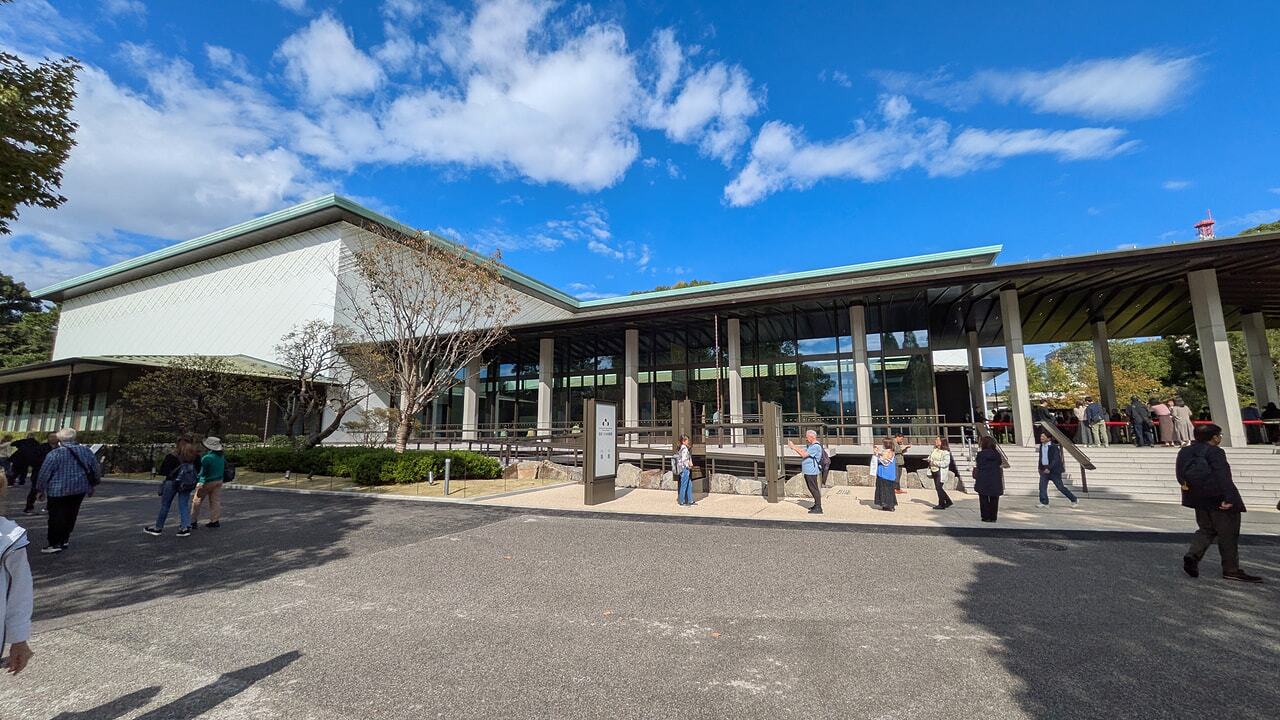
The Imperial Palace area in central Tokyo has gained several practical new attractions, and that changes the rhythm of a visit. The biggest additions are the first cafe in the complex, a new visitor centre, and the reopening of the Museum of the Imperial Collections, Sannomaru 尚蔵館 (shozokan, collection museum), just inside Ote-門 (mon) Gate.
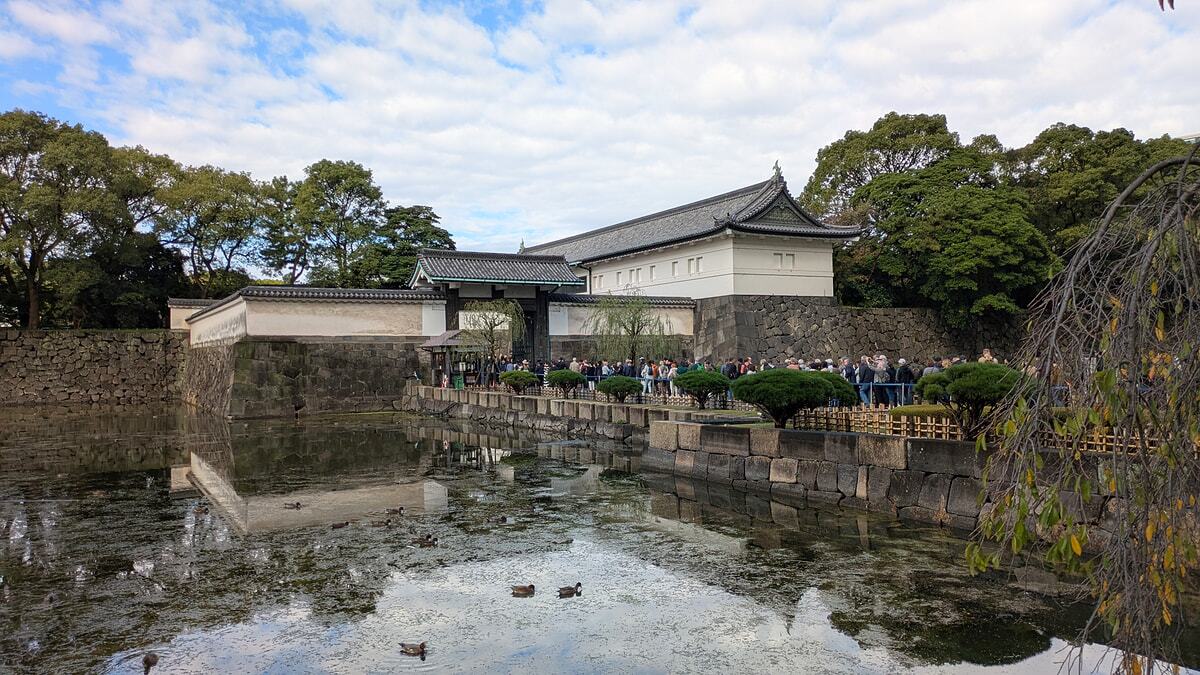
This isn't a tiny update. According to The Mainichi, the free-to-enter East Gardens drew 2.13 million visitors in 2025, just short of the 2019 record of 2.23 million. Foreign visitors now account for about 60% of all visitors, which shows how strongly the area has become part of Tokyo travel itineraries.
For Japan fans, the appeal is obvious. You can see the formal palace grounds, read the place names on the signs, and pick up a little cultural vocabulary along the way, such as mon for gate, 庭 (niwa) for garden, and 美術館 (bijutsukan, art museum) for museum. Those words are simple, but they help you understand how Japanese historic sites are organised.
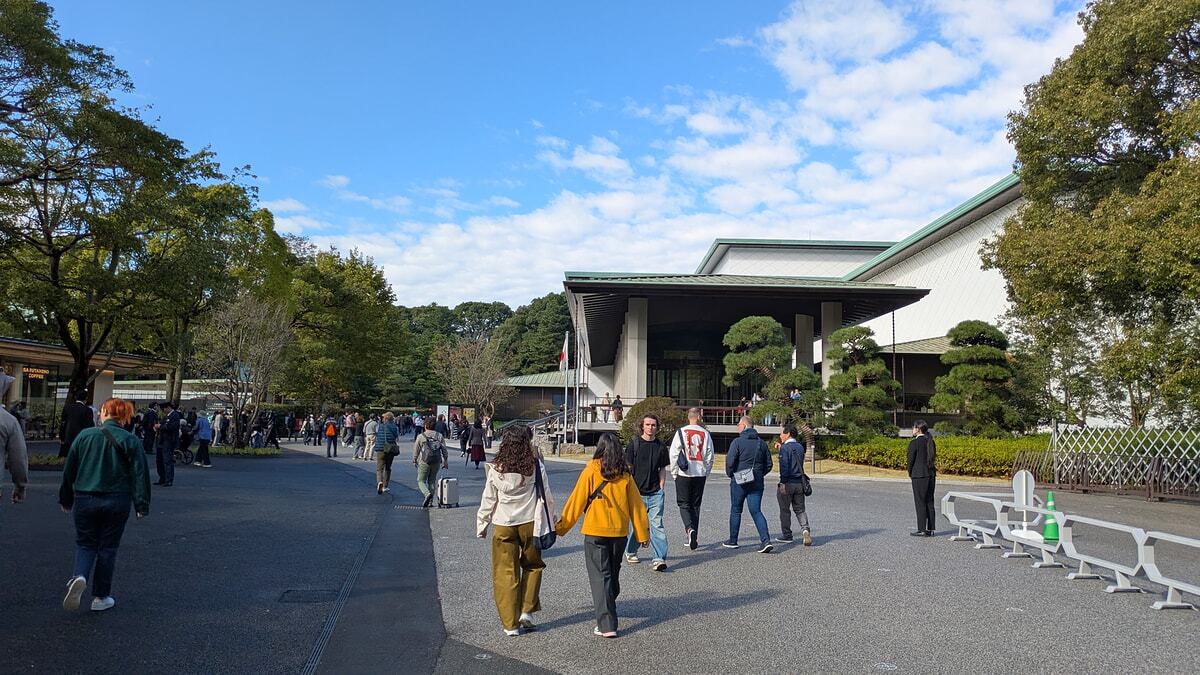
What the new cafe and visitor centre add
The new facilities make the area feel more usable, especially for people who want to stay longer than an hour. A cafe sounds like a small change, but at a large public site it matters a lot, because it gives visitors a place to rest without leaving the grounds and breaking the mood of the visit.
JapanNews24 reported that visitors welcomed the additions because they make the Imperial Palace feel more accessible to the public. That reaction makes sense. The palace area has always been beautiful, but it wasn't built like a modern theme park or a commercial sightseeing district. A resting area, gift shop, and visitor information space help bridge that gap.
My tip: if you're planning a Tokyo day with a lot of walking, treat the Imperial Palace as a slower stop rather than a quick photo break. The new cafe and visitor centre make that style of visit much easier, especially if you're combining the palace with nearby Marunouchi, Tokyo Station, or a museum day in central Tokyo.
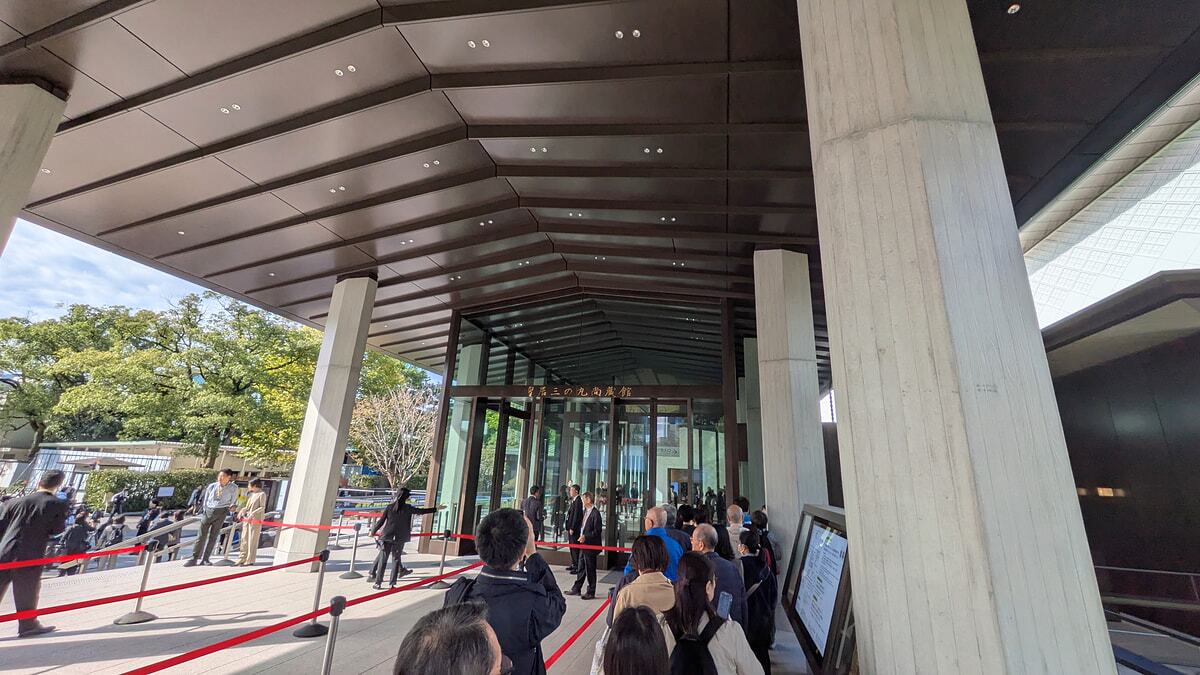
Sannomaru Shozokan reopens with timed-entry exhibitions
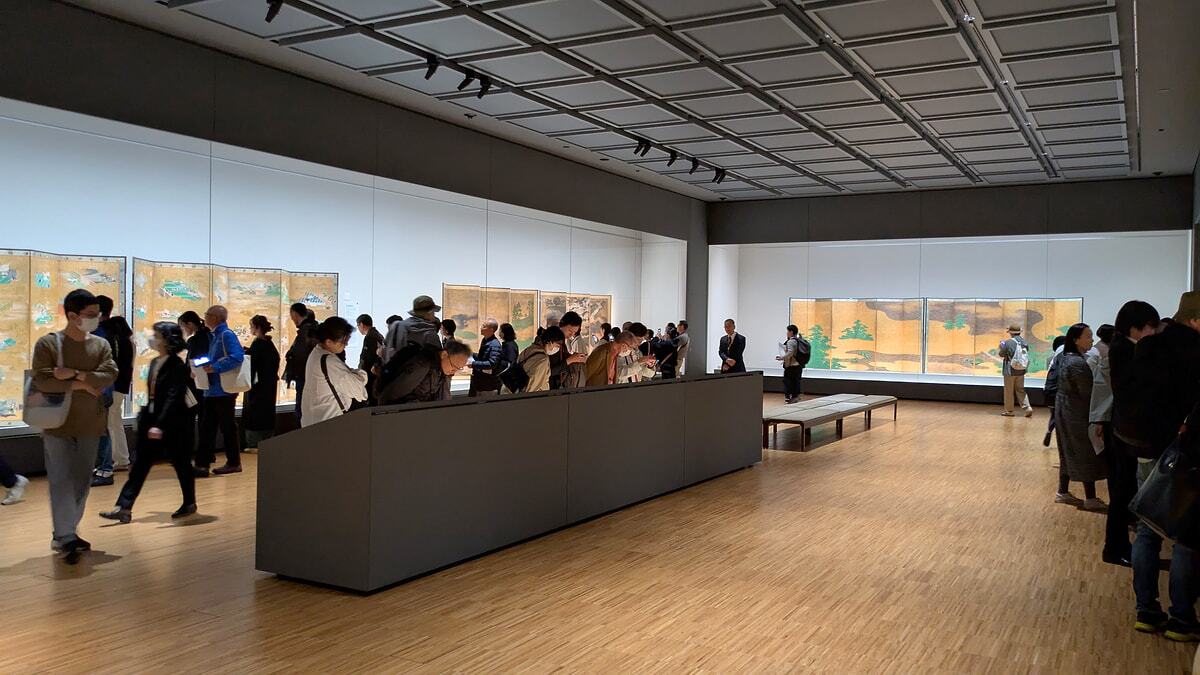
The most interesting cultural draw is the Museum of the Imperial Collections, Sannomaru Shozokan. Japan Nakama notes that it holds artworks once owned by the Imperial Family, which gives it a different feel from a general art museum. It closed temporarily in 2025 and reopened on 3 November 2026 with Grand Opening Special Exhibitions.
That reopening matters for visitors who want more than scenery. Timed tickets are required in advance, so this is the part of the visit you need to plan first, not last. If you're studying Japanese, the museum context also gives useful exposure to words such as shozokan for collection museum and 特別展 (tokubetsu ten) for special exhibition.
The timed-entry system is a good reminder that some of Tokyo's best cultural stops are still carefully managed. You can wander the East Gardens freely, but the museum experience is more structured. That contrast is typical of Japan, where public access and preservation often sit side by side.
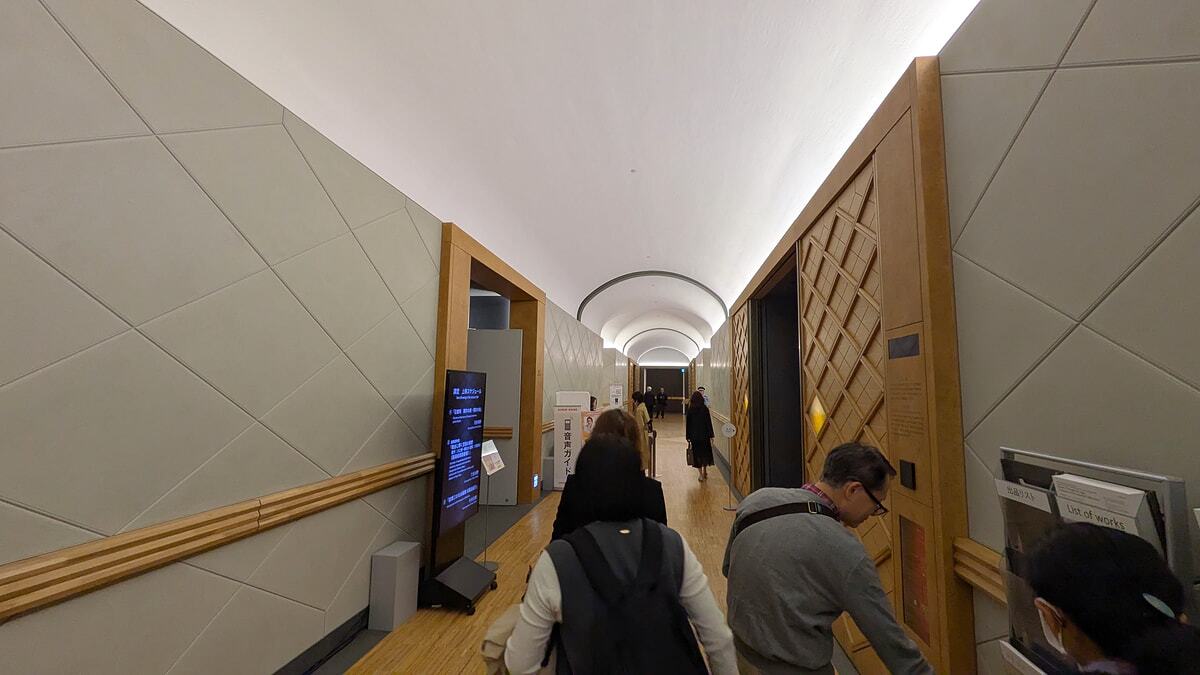
Why this update matters for Tokyo travel
What many overlook is that the Imperial Palace is one of Tokyo's easiest places to combine history, greenery, and low-stress walking. The gardens are free, the routes are clear, and the setting feels calm even when the city around it is busy. With the new facilities in place, the area now works better for first-time visitors as well as repeat travellers.
The numbers back that up. A site that already drew more than two million visitors in a year can still grow by improving comfort, not just adding spectacle. That's exactly what these changes do. They don't turn the Imperial Palace into a different destination, but they do make it easier to stay, learn, and enjoy the atmosphere without rushing off.
For Japan enthusiasts, that's reason enough to go back. The palace grounds already offered seasonal scenery, formal Japanese landscaping, and a strong sense of place. Now they also offer a better base for a longer visit, and that makes the whole area feel more complete.
In pictures

Frequently Asked Questions
What is new at Tokyo Imperial Palace?
The main additions are the first cafe, a new visitor centre, and the reopened Museum of the Imperial Collections, Sannomaru Shozokan.
Do visitors need to pay to enter the East Gardens?
No, the East Gardens are free to enter.
Do I need advance tickets for the museum?
Yes, the reopened museum exhibitions use timed tickets that must be booked in advance.