For Japan fans and language learners, that mix matters. You get a city where words like 食い倒れ (kuidaore, eating oneself into ruin), Namba, and Dotonbori come with very real cultural context, not just travel branding.

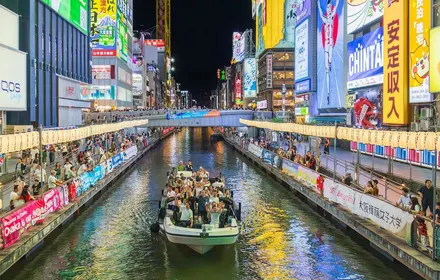
Osaka, a city built around trade and taste
Osaka has never been a museum city in the narrow sense, because commerce shaped it early and deeply. According to Wikipedia, merchants in Osaka stored daimyō rice in exchange for fees and traded it for coin or receipts, a system that became a precursor to paper money. That background still matters when people talk about the city’s character, since Osaka has long been associated with money, markets, and a practical-minded business culture.
This is one reason the city fits the idea of kuidaore so well, the saying that people spend so much on food that they ruin themselves. It sounds dramatic, but it captures the local obsession with eating well and often. My tip: if you’re learning Japanese, kuidaore is one of those words that tells you a lot about Osaka in a single phrase.
Dotonbori and the city's most famous appetite
Dotonbori is the obvious place to start if you want the loudest, most recognisable side of Osaka. Wikipedia describes it as one of the city’s principal tourist and nightlife areas, running along the Dotonbori canal in the Namba district, and that location explains why it feels so dense with restaurants, signs, and people after dark. The area began as a theatre district, then evolved into a place where food and nightlife now dominate the experience.
That mix makes Dotonbori more than a photo stop. It’s where many first-time visitors connect Osaka with たこ焼き (takoyaki, octopus balls), お好み焼き (okonomiyaki, savory Japanese pancake), 串カツ (kushikatsu, deep-fried skewers), and the kind of shopfront energy that feels different from Tokyo’s more polished restaurant streets. Seriously, though, the point isn’t just that the food is good, it’s that the setting amplifies everything, from the canal-side crowds to the constant visual noise of signs and displays.
What the language learner can pick up here
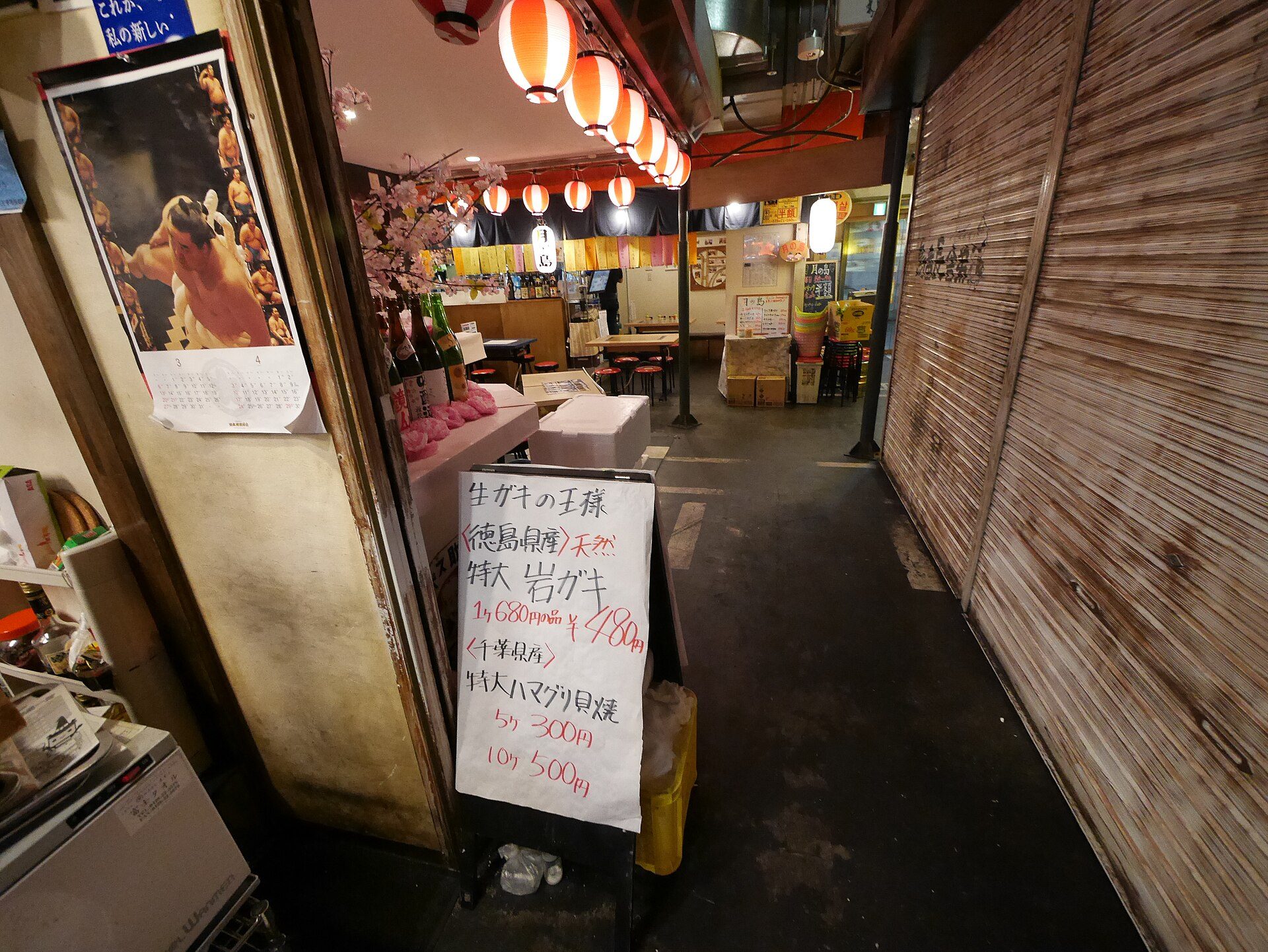
Dotonbori is also a useful place to notice everyday Japanese in context. Menus often use short, direct words, and shop signs rely on simple phrasing, 仮名 (kana, kana script), and visual cues that make ordering less intimidating than it first looks. If you already know basic food vocabulary, this is where it starts to feel alive.

Osaka food culture beyond the neon
Food in Osaka doesn’t begin and end with one famous district. The city’s reputation comes from a wider urban culture that values quick meals, shared plates, and comfort food that doesn’t need much explanation. That’s why many visitors end up enjoying everything from street snacks to 居酒屋 (izakaya, Japanese pub) meals, and why Osaka often feels easier for casual eating than some other major Japanese cities.
By the way, that ease is part of the attraction for travellers who want a short city break instead of a heavy itinerary. Food Hunters notes that 2 to 3 days can be enough to cover the main highlights of Osaka without rushing, although it also recommends adding Nara for a separate day. That’s a sensible pace if your goal is to eat well, walk a lot, and still leave room for a slower evening.
How Osaka fits into a longer Kansai trip
Osaka works especially well as a base because it connects neatly to the rest of Kansai. Kyoto, Nara, and Kobe are all close enough for day trips, so you can use Osaka as the place where you eat late, sleep well, and reset between outings. That practical role suits the city’s character, since Osaka has always been a place where commerce and movement matter.
If you’re planning a first trip to the region, Osaka often gives you the least complicated start. The city is lively, but not in a way that demands constant planning, and its food culture makes each neighbourhood feel worth the walk. I especially like how the city rewards a flexible schedule, because you can follow your appetite and still cover a lot of ground.
For Japan enthusiasts, Osaka also offers a good cultural contrast. Tokyo may be the capital and Kyoto the historical heart, but Osaka is where daily urban life feels especially direct, chatty, and food-centred. That combination gives the city its own identity, and it’s one of the easiest places to understand why Japanese regional stereotypes persist, and why they’re sometimes grounded in real local habits.
Frequently Asked Questions
Why is Osaka so strongly associated with food?
Osaka has a long commercial history and a city culture that prizes eating well, which is why food plays such a visible role in everyday life and tourism.
Is Osaka only worth visiting for Dotonbori?
No. Dotonbori is the most famous area, but Osaka also works well as a base for exploring nearby cities and for understanding Kansai culture more broadly.
How long should I stay in Osaka?
For many travellers, 2 to 3 days is enough to see the main sights and enjoy the food scene without feeling rushed.