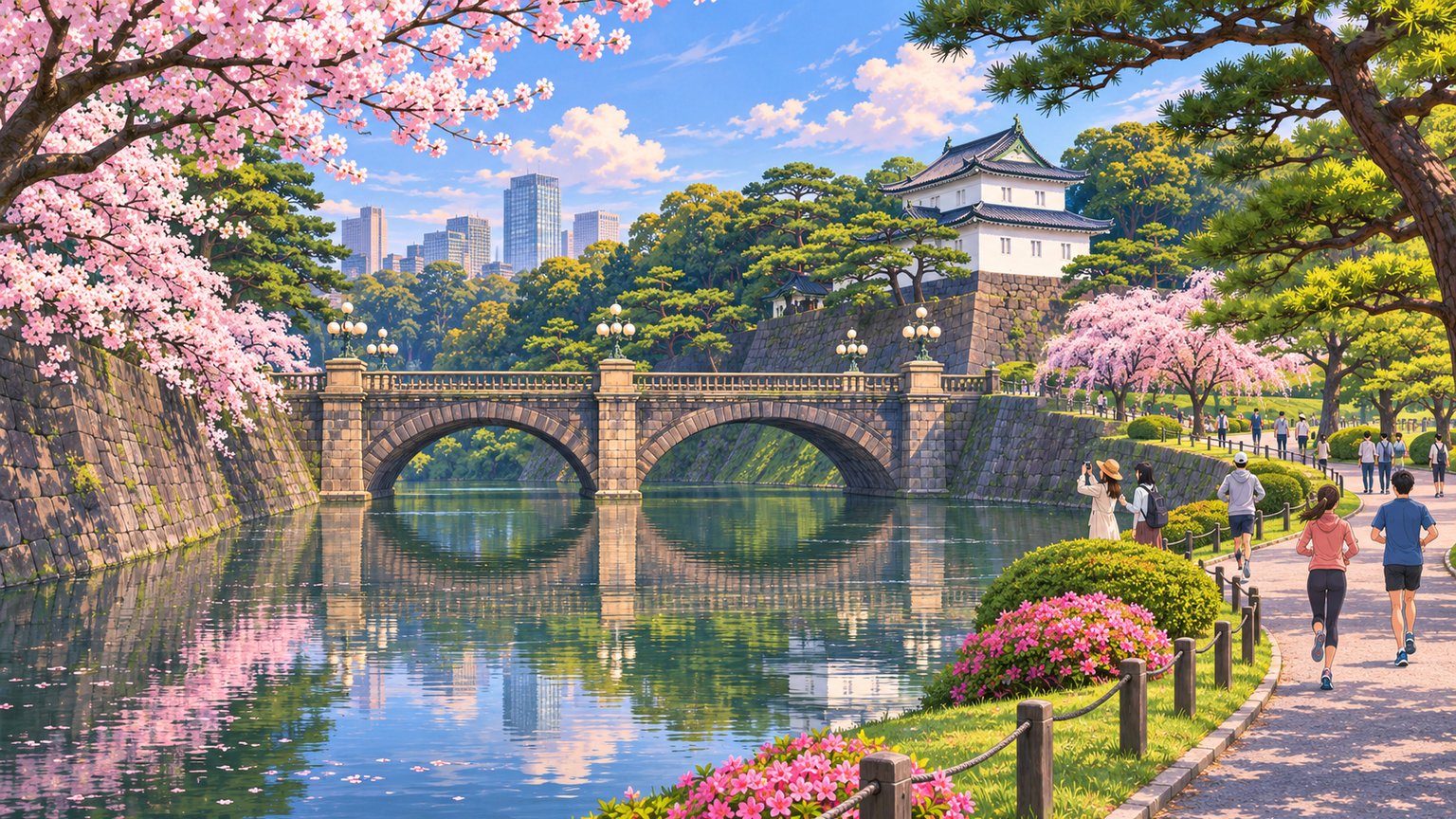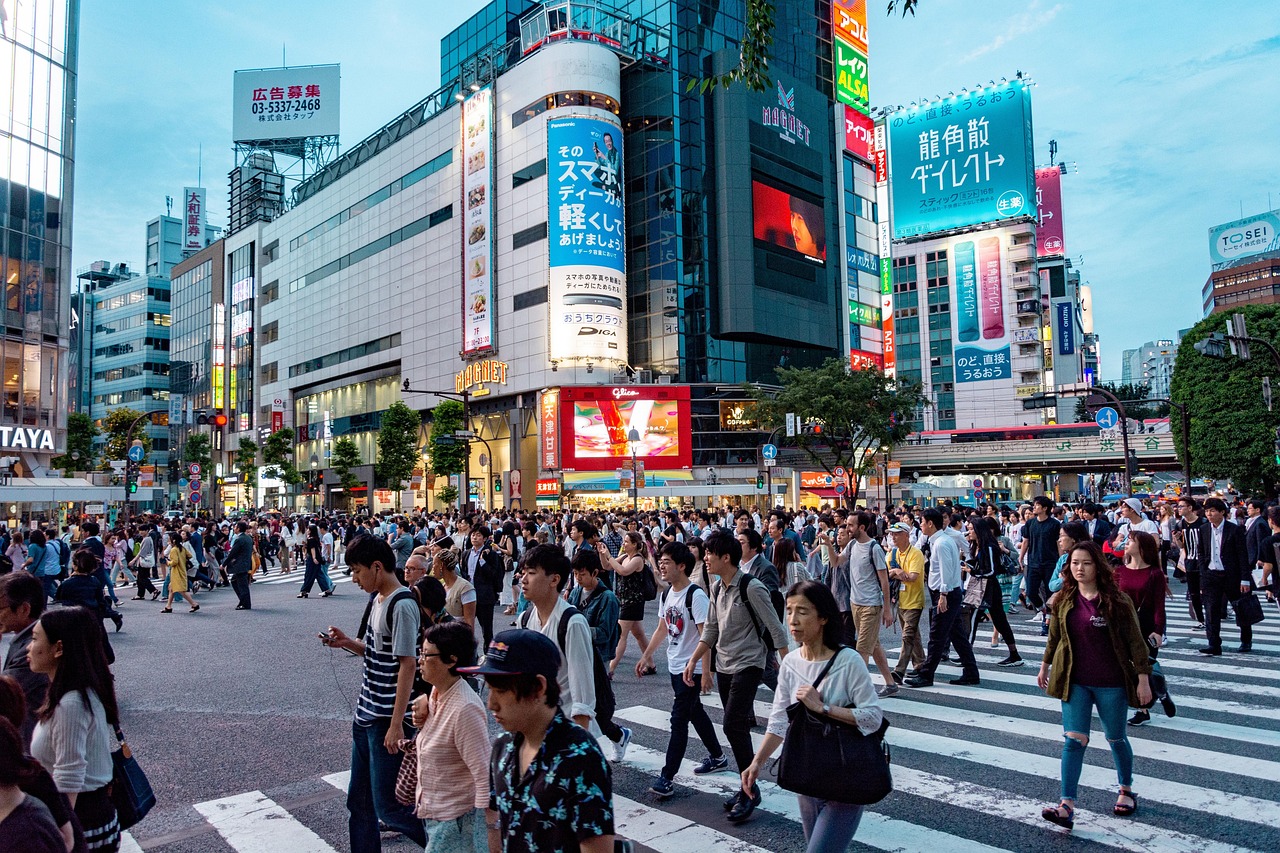
What I like about this angle is the lack of travel theatre. It treats planning as part of the journey itself, with routes, seasons, and place texture doing the heavy lifting rather than spectacle.

Planning Japan with Voyapon+ starts before you pack
Voyapon+ is presented as a planning platform for Japan trips, and the basic promise is simple: use it to shape the trip before you leave, not after you’ve already burned time in front of station boards and half-read tabs. That matters, because Japan travel is often won or lost in the pre-trip stage, especially once you start matching rail lines, hotel bases, and seasonal timing across a country that can feel lumpy in all the best ways.
The original Voyapon piece positions the service as a way to help turn a dream trip into a real one. That’s a modest claim, which is why it works. There’s no fantasy language here, no fake urgency. Just the quieter logic of good preparation, the sort that lets you spend your energy on place rather than logistics.
If you’re learning Japanese, this is where planning becomes useful on both sides of the brain. Route names, station signs, ryokan check-in notes, and even seasonal words like 紅葉 (momiji, autumn leaves) or 雪見 (yukimi, snow viewing) are easier to absorb when they sit inside a real itinerary. The vocabulary sticks because it has a job to do.
Why a Japan trip needs structure, not just inspiration
Japan is easy to admire in fragments, harder to connect. You can love Tokyo, Kansai, and a mountain onsen town in the abstract, but turning those into one coherent route takes judgment, and judgment is travel's unglamorous core. Voyapon+ speaks to that part of the process, the part where you decide whether your days should be built around train access, neighbourhood texture, or the season's best light.
What many overlook is how much Japan rewards the middle distance. Not every trip needs to be a sprint between famous names. A well-planned base in one city, then a slower move to another region, often gives you more texture than a week of constant switching. That’s true whether you’re aiming for autumn colour in November or a winter route with clear skies and short daylight.
My tip: plan fewer stops than your first instinct suggests. Leave room for the local train that runs late, the café you didn’t expect, the street that makes sense only after you’ve walked it twice. That’s where the country opens up properly.
How language learners can use travel planning as study
Use real place names and real tasks
Travel planning is one of the cleanest ways to study Japanese without making it feel like homework. Read place names in romaji first, then start matching them to the kanji you’ll actually see on signs and tickets. Tokyo, Kyoto, Kanazawa, Hakone, Nara, Sapporo, they all become more than names once you attach them to routes and booking decisions.

It also helps to build a small field of practical words before you go: 駅 (eki, station), 電車 (densha, train), 新幹線 (shinkansen, bullet train), 宿 (yado, lodging), 夕日 (yuhi, evening sun), 寄り道 (yorimichi, detour). You don’t need a perfect dictionary brain. You need enough language to move through the day with calm.
Let the itinerary shape your vocabulary
A good itinerary creates repetition, and repetition is how language gets under the skin. If you’re staying near an eki, riding a local line, and taking side trips to temples or coast roads, the same words recur in a natural way. That’s far more useful than memorising abstract lists in a vacuum.
There’s also a cultural side to this. Planning around seasons isn’t just practical in Japan, it’s part of the texture of place. Autumn leaves in November, plum blossoms later in winter, first light in January, all of it shapes what you choose to do and how you move. The schedule becomes a conversation with the weather.
What Voyapon+ signals about modern Japan travel
Voyapon+ reflects a wider shift in how people approach Japan trips now. The focus is less on piling up landmarks and more on making the route itself legible. That’s a better fit for a country where a ten-minute walk can change the whole mood of a day, and where a side street, a station exit, or a small neighbourhood can carry as much weight as a famous temple.
There’s also a quiet respect in that approach. It assumes you’re capable of planning, choosing, and adjusting. No hand-holding, no inflated promises. Just tools, context, and enough structure to keep the journey from collapsing into noise.
For readers of jpnerd.com, that’s the useful part. If you want to learn Japanese, or simply understand Japan with more precision, the act of planning isn’t separate from the trip. It’s the first walk. More soon.
Frequently Asked Questions
What is Voyapon+ for?
It is presented as a planning resource for Japan trips, helping you organise routes, timing, and travel ideas before you go.
How can Japanese learners use it?
You can use it to build useful vocabulary around stations, transport, hotels, and seasonal travel words tied to real destinations.
Is this only useful for big city trips?
No. It can help with any Japan itinerary, including slower routes that mix cities, neighbourhoods, and regional stops.