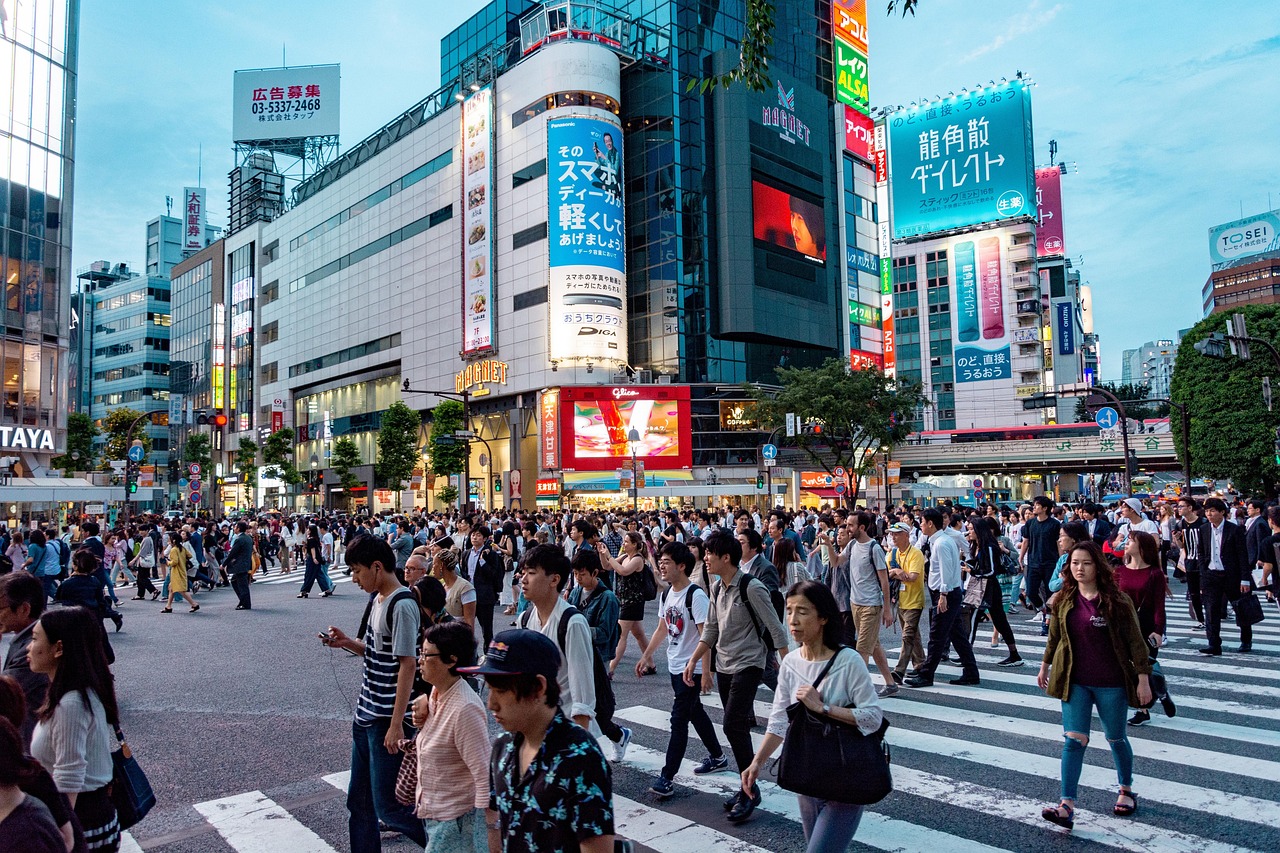
What many overlook is how much of that atmosphere comes from ordinary streets, stations and neighbourhood spaces rather than glossy landmarks. For Japan fans and language learners, that makes the film useful in another way too, because the setting is full of everyday Japanese place names, daily routines and social cues that show up in natural context.


Tokyo as the film's quiet backdrop
Rental Family is a 2025 Tokyo story, and the city isn't just a backdrop, it shapes the whole tone. According to Voyapon, the film follows Brendan Fraser as Phillip, a struggling actor and isolated American expat who gradually gets involved with a rental family service, and that premise naturally pushes the story into real neighbourhood spaces rather than studio fantasy.
The appeal for travellers is straightforward. If a film is set in Tokyo and feels believable, the locations usually reflect how people actually move through the city, by train, on foot, through small streets, and between modest buildings that blend into the urban landscape. That's where this kind of location guide becomes useful.
For learners of Japanese, this also offers practical vocabulary in context. Words such as 駅 (eki, station), 町 (machi, town / neighborhood), 角 (kado, corner), and apartment-related terms appear naturally in stories like this, and the setting helps you connect them with visual memory instead of memorising them in isolation.
Why real places matter in a rental family story
A rental family premise depends on social realism, so the surroundings have to feel lived in. Tokyo delivers that very well, because it has layers of old and new, calm side streets beside dense commercial zones, and family life beside solitary urban routines.
That contrast matters in Hikari's film. A service that involves acting as a stand-in relative, friend, or companion works best when the city around it looks believable, not theatrical. The result is a travel-friendly film atmosphere, where everyday Tokyo becomes part of the storytelling rather than a decorative postcard.
What I especially like is that this kind of setting invites a slower way of watching. You start noticing signage, station exits, narrow residential lanes, and the rhythm of neighbourhood life. Those details are useful if you are learning Japanese place vocabulary, because they repeat in real travel situations too.
How to use the film as a Tokyo travel guide
The best way to approach Rental Family locations is to treat them as a neighbourhood map, not a checklist of famous sights. Tokyo is enormous, and the most memorable film places are often the ones that feel ordinary at first glance, then become meaningful once you know what the scene needed emotionally.
Setagaya is a good example of the kind of area that often fits this mood, with residential streets and easy access to central Tokyo. ARealty's Tokyo rental guides note that neighbourhoods such as Sangenjaya and Shimokitazawa are prized for lifestyle quality and quick access to Shibuya and Shinjuku, which helps explain why filmmakers and expats are drawn to these parts of the city.
Before you go looking for film spots, it helps to separate what is public and what is private. Residential lanes, apartment exteriors, local shops and station approaches are usually the most realistic places to recognise. Private interiors are another matter, and travel planning should always respect the people who live and work there.
Japanese words that fit this theme
Some useful words to keep in mind while following a Tokyo film route are eki for station, apartment-related terms such as 1R, 1K, 1DK and 1LDK, and neighbourhood words like machi and 商店街 (shotengai, shopping street). Family Romance, the company name referenced in the broader rental-family conversation, is also a reminder that the idea sits inside a real Japanese service culture, not just a film concept.
That context matters for language learners because it shows how words connect to everyday life. A drama about a rented family can reveal how Japanese social language softens requests, how introductions are framed, and how people describe their roles without sounding overly direct.
What the film says about modern Tokyo life
Rental Family also fits a wider Tokyo pattern: people living close together while still feeling emotionally distant. That tension is part of why stories about substitute relationships resonate so strongly in Japan, and why the city itself becomes part of the theme.
The apartment market gives one practical angle on that reality. ARealty's 2026 guides note that 1K rents can start from about 64,700 yen in Nerima, while 1LDK-class places can begin from about 80,400 yen in Katsushika. Those numbers help explain why housing choices, commutes and neighbourhood identity matter so much in the city, and why a film like this feels grounded.
Tokyo also rewards travellers who like to notice small details. A station platform, a stairway, a local restaurant frontage, even the space between buildings can say a lot about the scene in front of you. In a film about rented roles and borrowed relationships, that visual honesty feels especially fitting.
Frequently Asked Questions
Is Rental Family based on real Tokyo places?
The film uses real Tokyo settings and a realistic urban mood, which makes the locations feel authentic even when the story itself is fictional.
What kind of Tokyo areas fit this film's atmosphere?
Residential neighbourhoods, station areas, and quieter side streets fit best, especially places with an everyday local feel.
Can Japanese learners use the film as study material?
Yes. It offers useful context for everyday vocabulary, place names, and social language tied to city life.