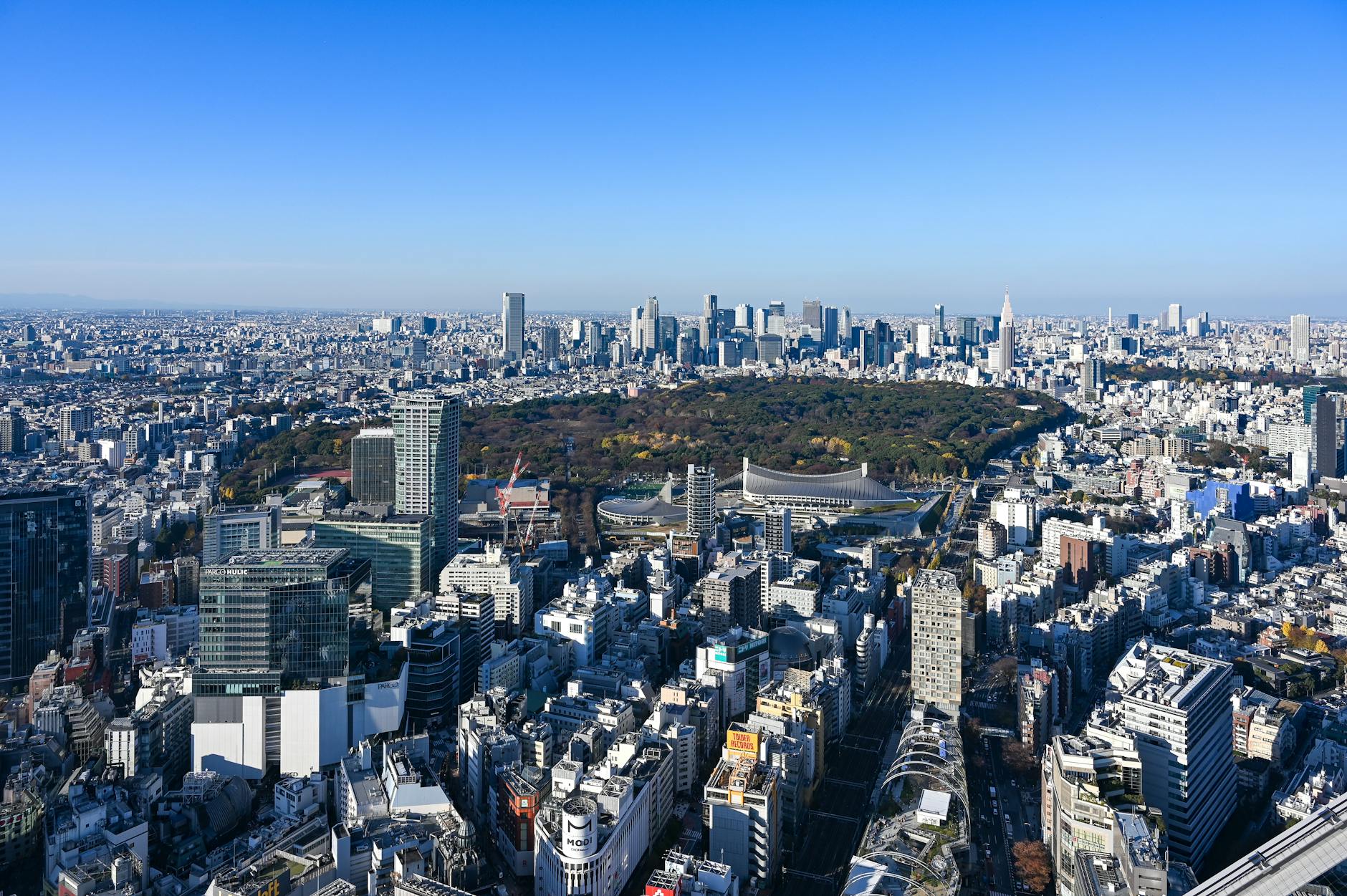
The practical order matters. Sort your passport and visa situation first, then flights, then where you'll stay, then the rail pass or point-to-point tickets, and only after that the fine details like IC cards, luggage forwarding, and booking the spots that really need reservations. That sequence saves money, cuts stress, and leaves room for the nice part of travel in Japan, which is the small discoveries between the big names.
Start with the trip length, route, and season
For most first-time visitors, 7 days is enough for one city and a few day trips, 10 days works well for Tokyo plus Kyoto or Osaka, and 14 days lets you add a slower stop such as Hakone, Takayama, or Nikko. According to The Invisible Tourist, a 2 week first-timer route can comfortably cover Tokyo, Kyoto, Osaka, and one or two lower-key stops without feeling rushed. That’s the number I’d anchor on if you want variety without spending every other morning on a platform.
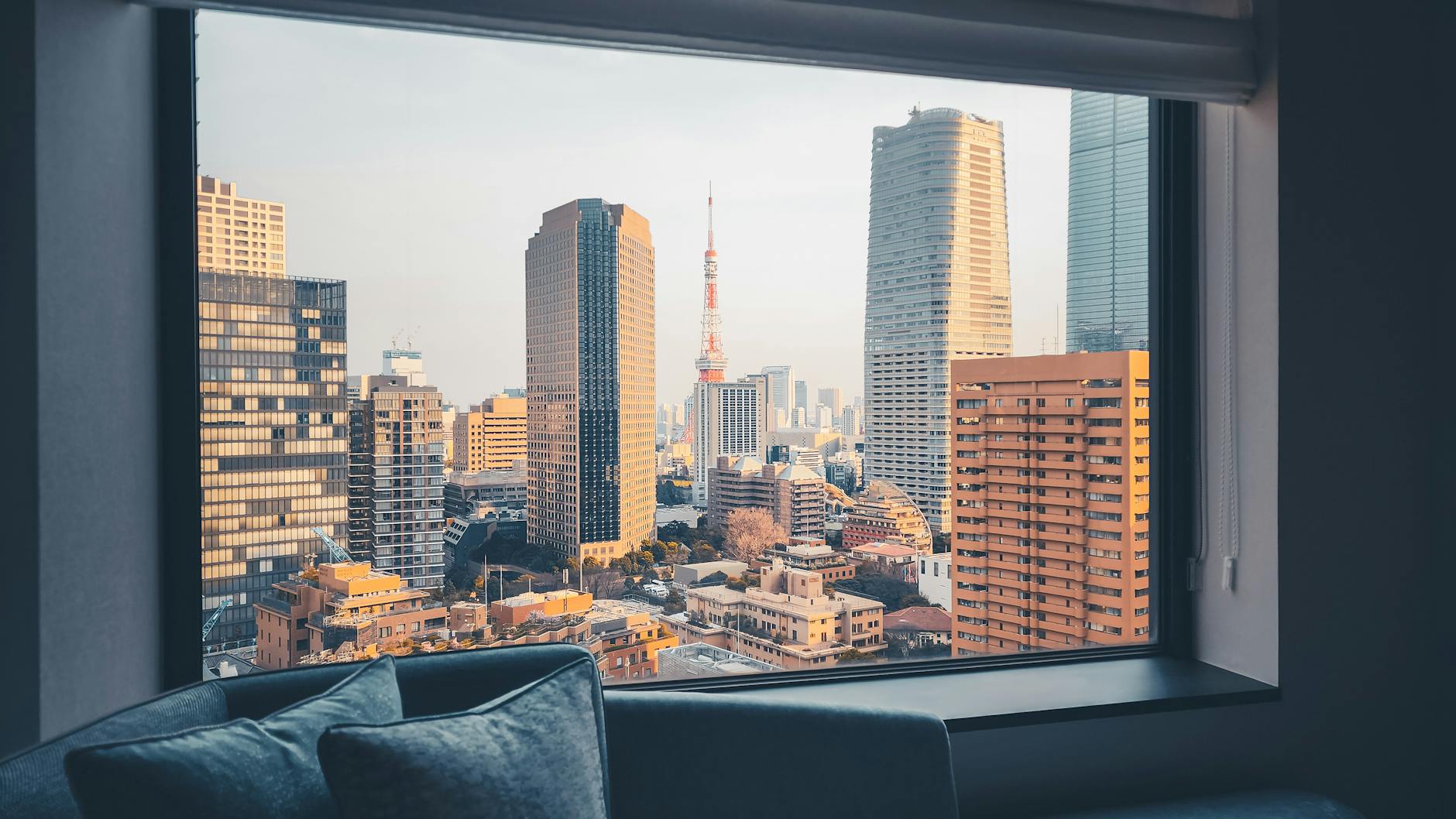
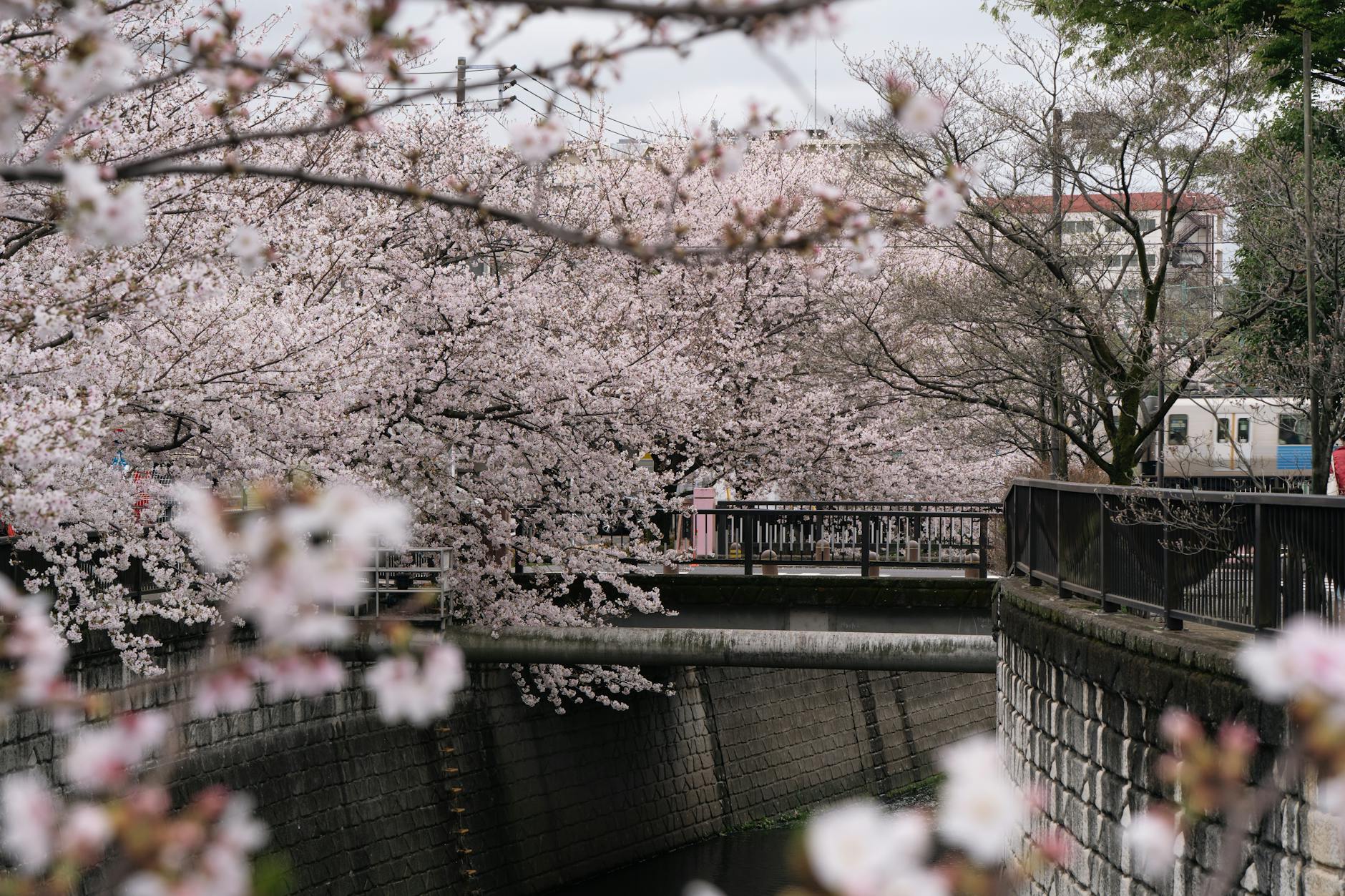
Season changes the whole shape of the trip. Spring brings 桜 (sakura, cherry blossoms) in many regions from late March into April, but dates shift by city and year. Summer is hot and humid, with festival energy and long evenings. Autumn usually gives the most comfortable walking weather, while winter is often best for onsen towns, snow country, and clearer skies. If you’re learning Japanese, this is a nice place to pick up practical words like 春 (haru) for spring, 夏 (natsu) for summer, 秋 (aki, autumn / fall) for autumn, and 冬 (fuyu) for winter, because locals really do use them everywhere, from weather chats to travel advice.
Do the paperwork before you book the fun stuff
Passport validity is the first box to tick, then visa rules for your nationality, then your exact arrival airport. Japan's entry rules are straightforward for many travellers, but not all, and visa timing can shape everything else. If you’re flying from farther away, route planning matters too, because a cheaper fare with a brutal layover isn’t always the bargain it looks like on screen.
After that, check what kind of traveller you are. If you eat vegetarian, vegan, or Jain, you’ll need a bit more planning than the average ramen-and-yakitori crowd. Japan can absolutely work for those diets, but it takes a little label-reading and a few stock phrases, such as 肉は食べません (niku wa tabemasen, I don't eat meat) for meat, 魚もだめ (sakana mo dame, No fish either) for fish too, and dashi wa haitteimasu ka for asking whether broth is included. That little sentence alone can save you a meal or two (and possibly a lot of awkward pointing).
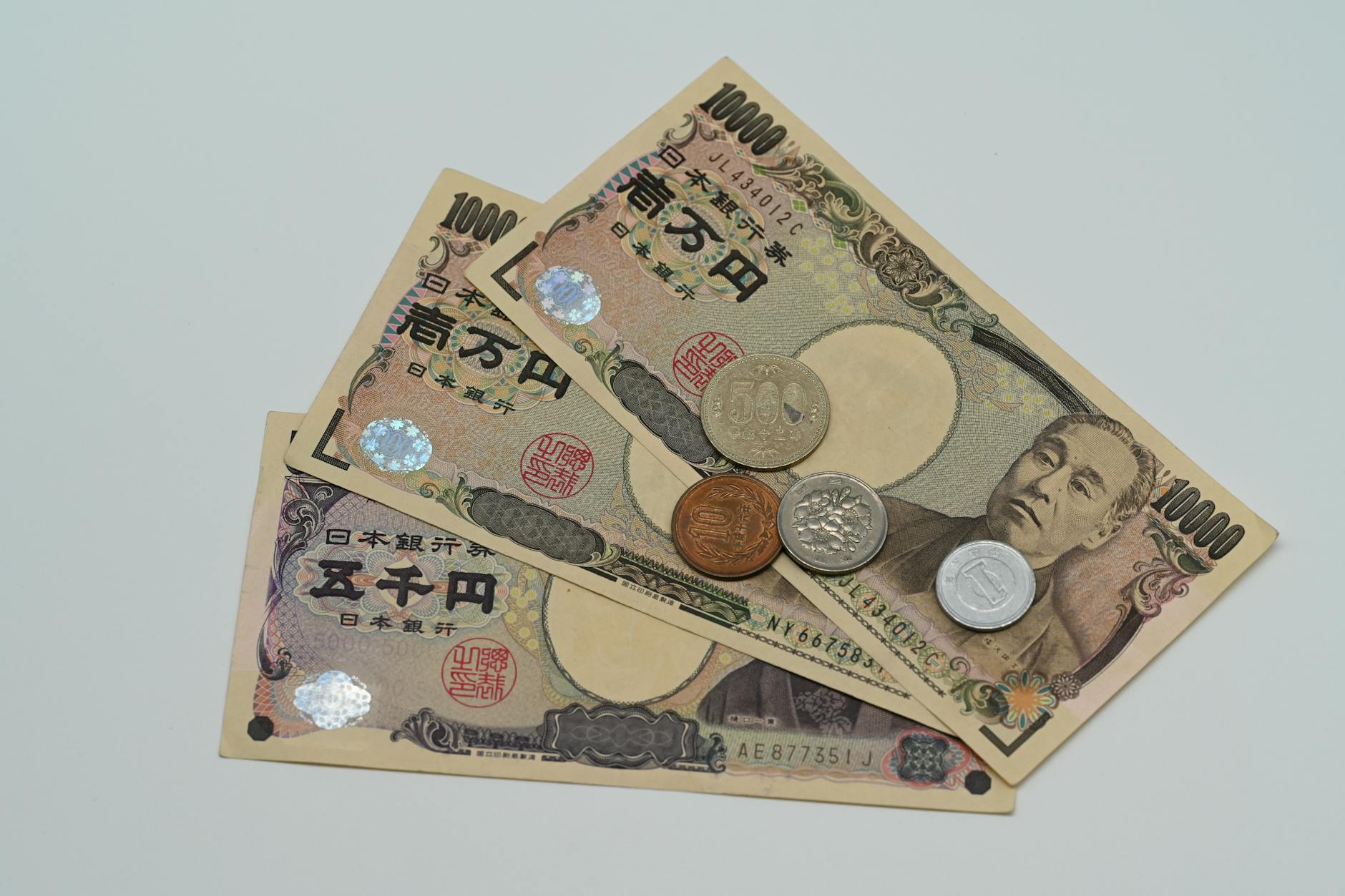
Travel insurance, a good debit or credit card, and a working roaming plan or eSIM should sit near the top of the list as well. Google Maps is excellent in Japan, but station exits, platform changes, and local bus routes become far easier when your phone is actually connected. And yes, cash still matters, especially in rural areas, temples, smaller cafes, and family-run places that haven't quite surrendered to card terminals yet.
Book flights, hotels, and trains in the right order
Flights come first because arrival and departure airports shape the whole route. Tokyo's Narita and Haneda both work well, but Haneda is closer to central Tokyo, while Narita often gives more long-haul options. Once the flights are set, book the first and last hotel nights, then fill the middle. That keeps the trip flexible without gambling on a tired first night after a long flight.
For trains, decide whether a rail pass actually pays off. On a classic Tokyo-Kyoto-Osaka trip, point-to-point tickets are sometimes better than a nationwide pass, depending on your exact route and side trips. If you are adding longer stretches, a rail pass may still make sense, but the numbers need checking against your itinerary rather than your excitement. I like that approach because it keeps the budget honest, which is never a bad thing in Japan, where convenience can quietly nudge spending upward.
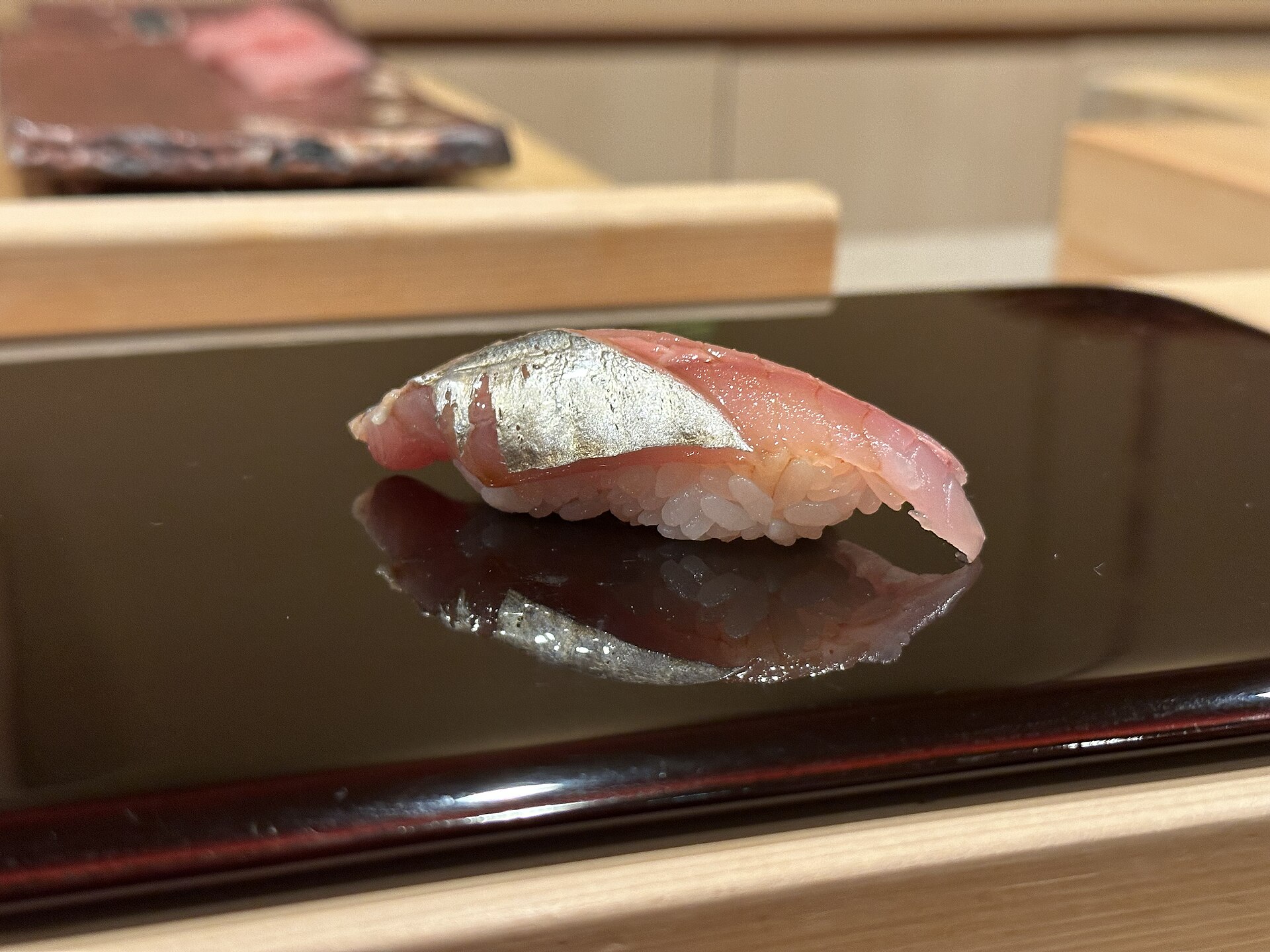
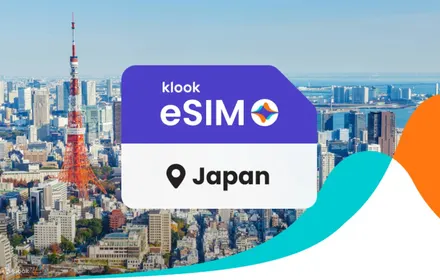

Inside cities, reserve only what truly needs it. 新幹線 (shinkansen, bullet train) seats during busy travel periods, popular ryokan, and certain theme parks or special exhibits can book out early. Everything else is usually more forgiving than first-time planners fear. For Tokyo and Kyoto especially, staying near a major station or a clean transport link matters more than chasing a stylish neighbourhood name you may only see for breakfast and sleep.
Build the route around one big city, one old capital, and one slower stop
A balanced first route usually looks like this: Tokyo for modern city life, Kyoto for temples and classic streets, Osaka for food and a louder energy, then one slower stop for breathing room. Hakone gives you an easy onsen break and Fuji views when weather cooperates. Nikko adds shrines, cedar avenues, and a strong sense of older Japan. Takayama gives a more compact, walkable feel with a slower pace that many travellers underestimate.
What's more, day trips can fill the gaps without forcing another hotel move. From Tokyo, Nikko and Kamakura are natural choices. From Kyoto or Osaka, Nara is the classic easy add-on, while Uji works well if you care about matcha culture and want to connect travel with language learning through tea vocabulary, temple phrases, and tiny shop exchanges. That’s where Japan gets especially rewarding, because the country opens up more the moment you start reading signs, asking questions, and noticing the small details around stations, markets, and side streets.
My recommendation is simple: keep one or two evenings unscheduled. Japan rewards curiosity, and the hidden spots are often found when you have space to wander a little after dinner, not when the day is packed wall to wall.
Use this final checklist before you leave
Here is the practical sequence I’d follow: confirm passport and visa requirements, lock in flights, book the first and last hotel, map the route, check train prices against pass options, reserve any key shinkansen seats, arrange luggage forwarding if needed, and save your hotel addresses in both English and romaji. That last bit sounds tiny, but it helps a lot when you’re tired, standing at a station, and trying to explain where you’re going.
You should also prepare a few phrases before departure. Sumimasen for getting attention, arigato gozaimasu for thanks, onegaishimasu for polite requests, and eki wa doko desu ka for asking where the station is. Even basic Japanese changes the rhythm of a trip. People notice the effort, and you get a little more ease in return. That’s part of the fun, really, because travel in Japan often becomes better the moment you stop trying to control every minute and start working with the flow.
If you want a broader sense of what to read next while planning, you can more Japan news on jpnerd.com.
In pictures
Frequently Asked Questions
How many days do you need for a first trip to Japan?
Ten to fourteen days is the most comfortable range for a first trip, because it gives you time for Tokyo, Kyoto, and one slower stop without rushing every transfer.
What should you book first when planning Japan?
Book your flights first, then your first and last hotels, then any train seats or ryokan that are hard to change later.
Is a rail pass always worth it?
No. It depends on your route, and on shorter first-time itineraries, point-to-point tickets can be cheaper than a nationwide pass.
Sources
- The Invisible Tourist - 2 Week Japan Itinerary 2026: Complete First Timer Guide
- JNTO - Official Tourism Guide for Japan Travel
- TokyoTourism.org - How to Plan a Trip to Tokyo: Complete Guide (2026)
- One Life Adventures - Japan Itinerary: 10 Day and 2 Week Routes, Day by Day
- Explera - Japan Trip from India: Visa, Flights, Food and Best Time