Lake Ashi: the volcanic heart of Hakone
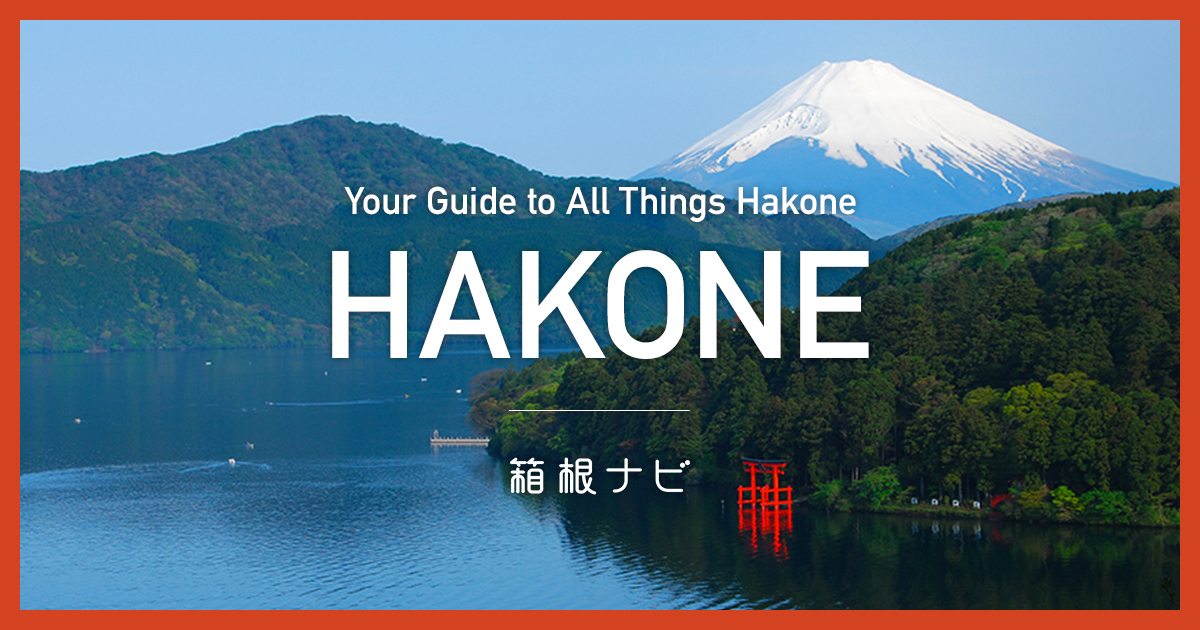
Picture this: a mirror of dark water framed by cedar forests and volcanic slopes. That's Lake Ashi, also called Ashinoko, in the Hakone area. Take the lake's origin, for instance. It occupies a caldera formed by the last major Hakone eruptions around 3,000 years ago. The surface sits at about 723 metres above sea level, and the lake covers roughly 7.1 square kilometres, with a maximum depth near 43 metres.



What most people don't know is that on clear days, you get one of the most iconic postcard views of Mount Fuji from the lake shore, especially around Moto-Hakone and Hakone-machi. While we're at it, the landscape around Lake Ashi combines natural spectacle with tangible traces of Japan's volcanic activity, like the nearby Owakudani valley, a steaming sulphur area linked by the Hakone Ropeway. Sounds good, right?
Why the pirate ships are the classic Hakone sight
So, why are there pirate ships on a Japanese lake? Here's the deal: the sightseeing vessels, styled as Edo-period pirate ships, were introduced to give Tokyo visitors an atmospheric cruise with views of Fuji and the surrounding mountains. Hand on heart, the theatrical design works, especially for photographers and families.
To be fair, the boats run between Hakone-machi, Moto-Hakone, and Togendai, the latter sitting by the Hakone Ropeway terminal. A typical cruise lasts 25 to 30 minutes each way, and the operator is Hakone Sightseeing Boat, which keeps regular timetables year-round. From my experience, booking a morning slot on a clear day gives you the best Fuji views and softer light for photos.
Cruise tips and what to expect
Unlike what we're used to in big-city ferries, these boats are built for sightseeing, not speed. My tip is to sit on the upper deck, dress warm in spring and autumn, and bring binoculars if you want a close-up of Mount Fuji. You know that feeling when a sudden cloud rolls in? It can change the whole scene in minutes, so flexibility helps.
Activities around Lake Ashi: shrines, hikes, and hot springs
Fact: Lake Ashi is compact yet full of options. You can combine a boat ride with a walk to the iconic Moto-Hakone Shrine and its red torii, or take an easy hike along the historic Old Tokaido road toward the Hakone Sekisho site. Take the Torii, for instance; the lakeside gate at Moto-Hakone is one of the most photographed spots.



Picture this: after a brisk walk and shrine visit, you soak in a local onsen to warm up. What I especially like is pairing the crisp outdoor views with a calm hot-spring evening. It’s a classic Hakone routine that helps you practice simple travel phrases while interacting with onsen staff. From my experience, many small ryokan will include guidance if your Japanese level is basic, so don’t worry about getting stuck.
Hiking routes and seasonal notes
Compared to back home, Hakone's trails feel closer to the wild, but they're well-marked. The trail from Moto-Hakone to the Hakone Shrine area takes under an hour, while longer loops toward Kojiri or the Hakone Checkpoint take several hours. While we're at it, spring brings cherry blossoms, and autumn gives fiery maple leaves. Both times attract crowds and photographers.
Getting there and practical language tips
Direct address: planning logistics? Lake Ashi is reachable by the Hakone Tozan Railway plus bus, or by Odakyu's Romancecar to Hakone-Yumoto and onward connections. Togendai on the northern shore links to the Hakone Ropeway for Owakudani. Expect typical travel times from Tokyo's Shinjuku station of about 90 to 120 minutes, depending on your route.
Hand on heart, practice this simple phrase; it helps at small kiosks. My tip is to learn to say 'thank you' and 'excuse me' in Japanese. Most locals appreciate the effort. Use arigatou and sumimasen as good starters, and try showing the station name on your phone if the accent makes spoken directions tricky.
Here's the catch: weather can hide Mount Fuji, so always check the forecast and consider returning the next day if views are essential. From my experience, mornings are usually clearer than afternoons, especially in late autumn and winter.
Frequently Asked Questions
How long does a pirate ship cruise on Lake Ashi take?
Most sightseeing boat crossings last about 25 to 30 minutes one way.
Can you see Mount Fuji from Lake Ashi?
Yes, Mount Fuji is visible from several lakeside points on clear days, especially around Moto-Hakone and Hakone-machi.