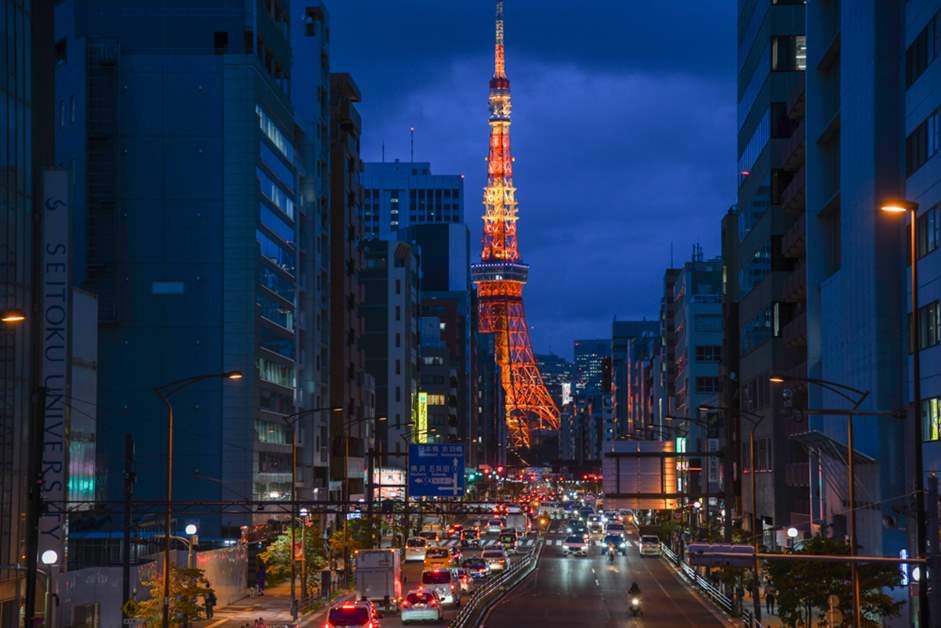
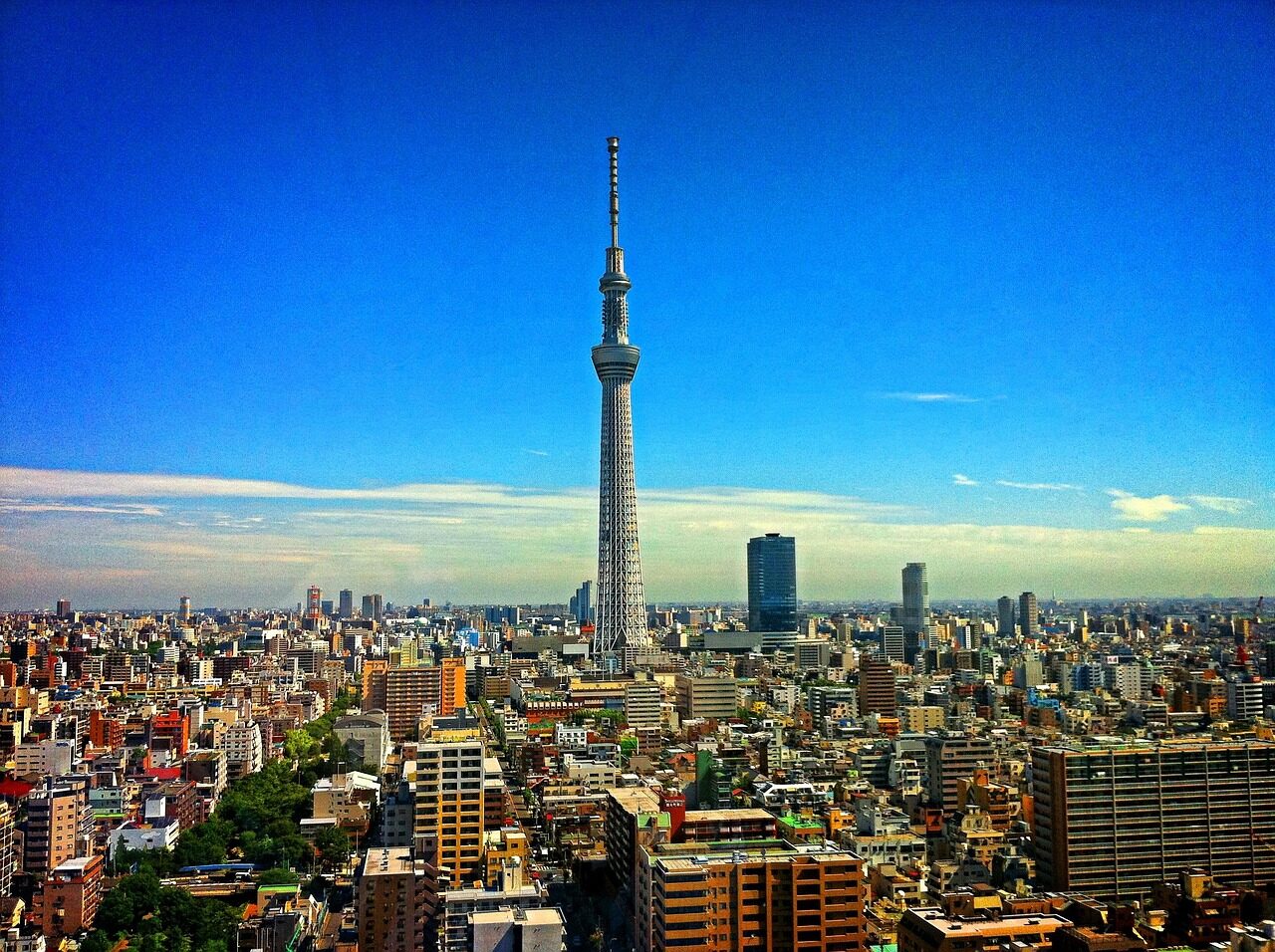
That’s why this angle suits Japan fans so well: you get urban scenery, local food stops, and a chance to pick up everyday Japanese as you go, from 交通 (kotsu, traffic; transportation) for traffic to the kind of route words you’ll hear around any station. Sounds good, right?
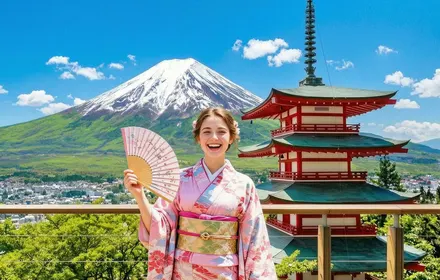
Cycling in Tokyo is less about speed and more about rhythm
Tokyo can feel intimidating on a map, but cycling changes the pace completely. Instead of rushing between districts, you notice small things: a quiet shrine tucked behind apartment blocks, a canal path, a bakery line at 8 am, the shift from office towers to family streets. No exaggeration, that slower rhythm is exactly why cycling fits Tokyo so well.
The original Voyapon guide to cycling in Tokyo frames the city as a place where bike travel is practical, scenic, and often much calmer than first-time visitors expect. The best part is that you do not need to treat Tokyo like one giant traffic maze. With the right route, you can ride through riverside corridors, backstreets, and parks, then stop for ラーメン (ramen, ramen noodles), coffee, or a convenience-store snack when you need a break. Personally, I think that balance is what makes Tokyo cycling feel so memorable.
What to know before you ride
Guess what? Tokyo isn’t just for hardcore road cyclists. A relaxed city ride works too, and that opens the door for more travellers. You still need common sense, of course, because Japanese road culture has its own rules, and bikes are expected to stay tidy, predictable, and respectful of pedestrians.
The reason is simple: streets in central Tokyo can be busy, and route choice matters. Wider roads, riverside lanes, and park edges are much friendlier than squeezing through traffic-heavy intersections. What most people don't know is that Tokyo also rewards early starts. In the morning, the air is cooler, the roads are quieter, and you get a better feel for neighbourhood life before the city fully wakes up. If you’re learning Japanese, this is a nice chance to hear words like 自動車 (jidoo sha, car; automobile) for bicycle, and to notice how often locals use practical directions rather than dramatic landmark talk. But that’s not all.
Season matters more than you might think
According to ProCyclingUK, carrying a light layer is sensible even when Tokyo is warm outside midsummer, and autumn brings cooler temperatures and changing leaves that make western routes especially appealing. That sounds ideal, but there’s a catch: popular scenic areas can get busy at weekends. If you want a smoother ride, go on a weekday or head out early. My tip: plan food and water stops before you leave central areas, because once you move towards the edge of the city, convenience can drop quickly. Classic Japan, isn't it?
Routes that show Tokyo at its best
Tokyo works especially well as a patchwork of rideable areas rather than one single cycling destination. You can stay in the city, or you can push west for more open roads and mountain escapes. That variety is the real draw.

Exodus points out that cycling in Japan can run from Tokyo to Kyoto on road-based tours, which says a lot about how normal longer bike travel has become for some travellers. In Tokyo itself, that spirit shows up in shorter rides too, with routes that connect neighbourhood life to the wider landscape. No joke: the city can feel surprisingly calm once you leave the main station scrambles behind and follow a river or park path.
Why these routes work for Japan learners
For language learners, cycling gives you repeated exposure to daily Japanese in context. You see signboards, station names, traffic instructions, and food shop menus over and over, which makes vocabulary stick faster than a flashcard app alone. The same is true for travel etiquette. You start noticing how people queue, park, wait, and move around each other. Sounds weird, but it's true.
The title of Voyapon’s piece also feels like a small nod to the way Tokyo often becomes a love story for visitors, not in a dramatic movie sense, but in the quieter way a city wins you over through details. That theme even echoes Japanese pop culture references like Tokyo Love Story, the 1989 manga by Fumi Saimon, which helped cement the city as a romantic backdrop in the minds of many fans. Personally, I like that connection, because it shows how Tokyo keeps turning everyday movement into something that feels cinematic. But that’s not all.
My take: why Tokyo by bike stays with you
What I especially like about cycling in Tokyo is that it gives you control over your day. You can ride for half an hour or half a day, stop for photos, take a coffee break, or detour into a quiet district you had not planned to visit. That flexibility matters in a city this large, where trains are excellent but sometimes too efficient for the slower kind of travel many Japan fans enjoy.
Oh, almost forgot: the romance angle works because cycling makes Tokyo feel personal. You are not just crossing a metropolis, you are building a map of your own favourite streets. Maybe it starts with a riverside path, maybe with a neighbourhood bakery, maybe with a sunset ride home. Either way, the city feels a little closer after a day on two wheels. Highly recommended: keep your route light, your schedule flexible, and your eyes open for the small details that make Tokyo feel alive. Sounds good, right?
Frequently Asked Questions
Is Tokyo a good city for casual cycling?
Yes. If you choose calmer streets, riverside paths, and park routes, Tokyo can be very manageable for relaxed riders.
When is the best time to cycle in Tokyo?
Early morning is usually best, especially in warmer months. Autumn is also a strong choice because temperatures are cooler and the scenery improves.
Do I need strong Japanese to ride in Tokyo?
No, but basic place and transport vocabulary helps a lot. Even a few simple words make route planning and everyday stops easier.