That’s the practical answer. The longer version is that Japan rewards a bit of structure: 10 to 14 days is the sweet spot for a first trip if you want Tokyo, Kyoto, and one extra stop without turning every morning into a luggage puzzle. My tip: build around fewer bases, use rail passes only when the numbers make sense, and learn a little ローマ字 (romaji, Japanese written in Latin letters) before you go, because even basic words like 駅 (eki, station), バス (basu, bus), and ryokan change how you move through the day. Sounds good, right?

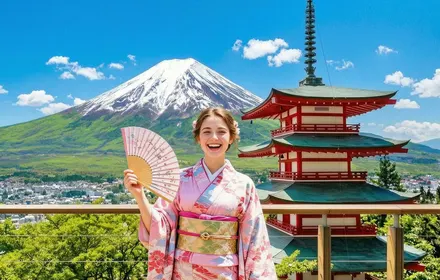
Start with the trip shape, not the flight search
Here’s the thing: a Japan trip gets easier when you decide the shape first. For a first visit, I recommend 10 to 14 days, because that gives you enough time for Tokyo, Kyoto, and one side trip without spending the whole holiday on platforms, 新幹線 (shinkansen, bullet train) seats, and hotel check-ins. If you only have 7 days, keep it simple: Tokyo plus one nearby base, or Kyoto plus Osaka and Nara. If you have 2 weeks or more, you can add Kanazawa, Hakone, Hiroshima, or Fukuoka and still keep the pace humane.
That choice matters more than people think. Japan is not difficult, but it is layered, and every extra transfer costs attention. My rule is simple: fewer hotel changes, fewer long-distance moves, more actual time in the streets. Classic Japan, isn't it?
Pick the right season for the kind of Japan you want
The first time you choose a season, you set the whole texture of the trip. Spring means 桜 (sakura, cherry blossom) season, but it also means crowds and higher hotel prices; winter gives clear air, blue skies, and good walking weather in many places; summer can be punishingly humid, especially in Tokyo and Kyoto; autumn is the steady favourite for colour and comfortable days. No wonder, because weather changes how much patience your body has.
A good example: if you want cherry blossoms, timing matters more than wishful thinking. A few days can shift the price of flights and the experience on the ground, which is why people compare dates carefully rather than booking around a vague month alone. Skyscanner’s cherry blossom guidance points out that even a few days can change airfare, and that’s the sort of detail that saves money before it disappears into a hotel minibar. See what I mean?
What to check before you book
Look at school holidays, national holidays, and major events in the city you want. Then check temperatures and rainfall for the exact region, not just “Japan” as if it were one weather system. Tokyo and Hokkaido are doing completely different work.
For Japanese learners, this is a useful place to pick up season words: 春 (haru, spring), 夏 (natsu, summer), 秋 (aki, autumn), fuyu. Simple. Useful. You’ll hear them constantly in weather reports, travel advice, and shop displays.
Build a route that matches your energy, not your ambition
Imagine a narrow alley in Tokyo. Now imagine dragging a large suitcase through it, then doing the same thing after a long train ride, then again because the hotel is on the wrong side of the station. That’s how bad route planning announces itself, quietly and then all at once. My tip: use major rail hubs as anchors, and avoid one-night stays unless the place truly demands it.
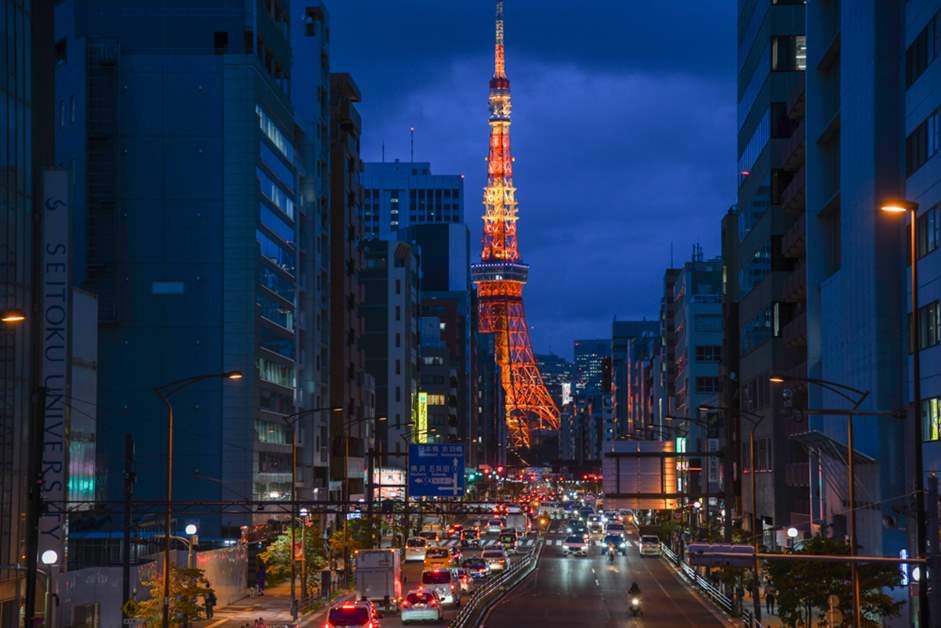
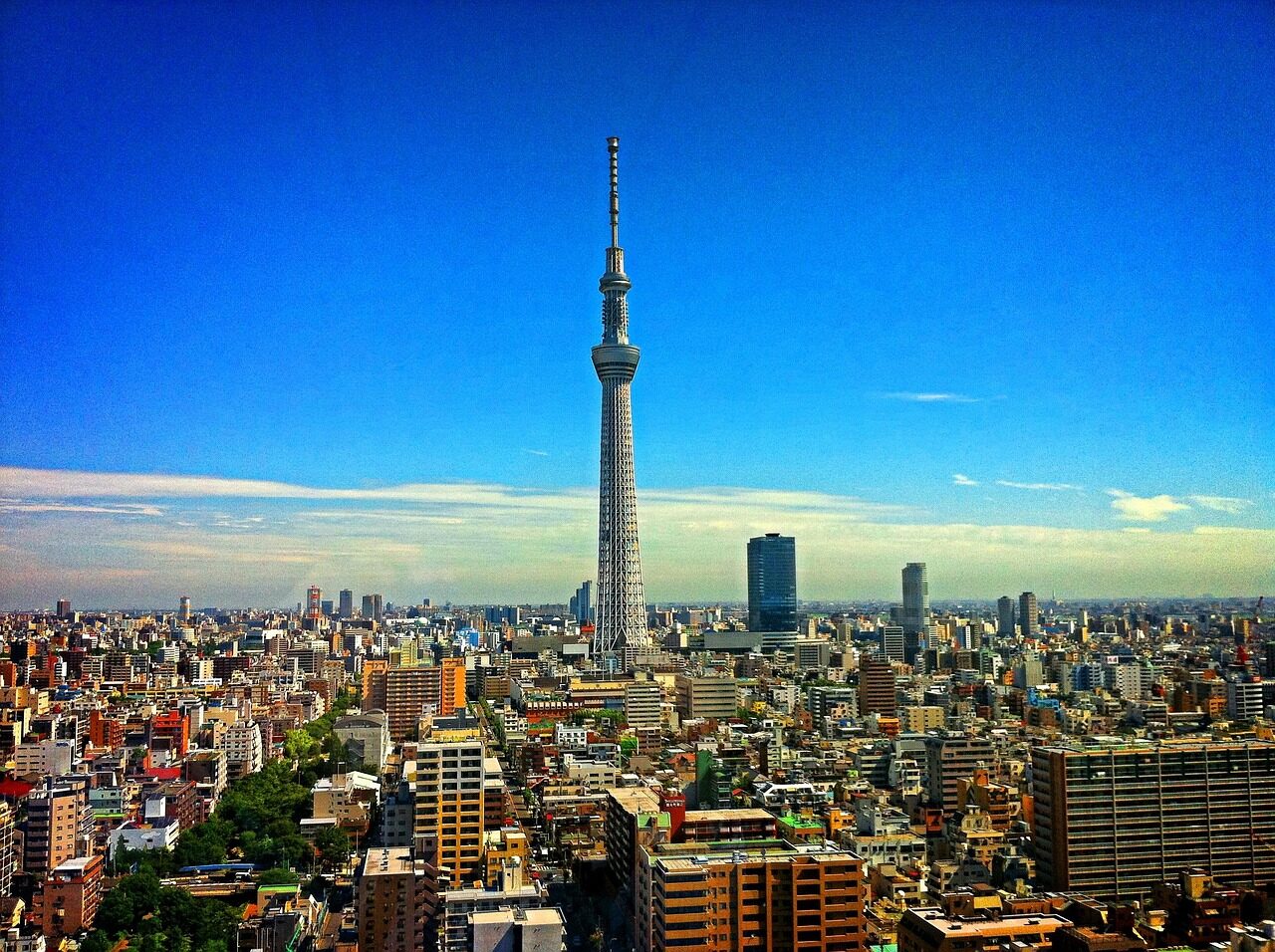
For a first route, Tokyo, Kyoto, and Osaka remain the safest triangle. Tokyo gives the modern sprawl, Kyoto gives temples, gardens, and slower texture, and Osaka gives food and a rougher, friendlier street energy. If you want a gentler loop, Tokyo and Kyoto alone is enough for 10 days. If you want more movement, add Hakone for onsen and views, or Hiroshima for history and a different rhythm. Speaking of which... the best routes are often the ones with one fewer stop than your pride wanted.
When to use trains, and when not to
The shinkansen is brilliant, but it isn’t always the cheapest answer. If you are crossing several regions in a short time, calculate the total before buying a pass or stacking tickets. Sometimes point-to-point fares win. Sometimes a pass pays off. Here’s the catch: the wrong pass can feel tidy and still be a bad deal.
Japan Rail passes and regional passes change often, so check current prices on the official rail pages before you commit. I recommend building your route first, then checking whether a pass actually reduces the total. That sequence matters. People reverse it all the time.
Handle entry, money, luggage, and the daily mechanics
According to Wiidii, the online Visit Japan Web service helps you prepare certain immigration and customs formalities before arrival. Use it. It won’t pack your bag, but it does cut friction at the border, and friction is the real enemy when you land tired. Check passport validity, visa requirements for your nationality, and the latest customs rules before departure. Don’t leave this to the airport queue.
Money is simple enough once you stop overthinking it. Cards are widely accepted in cities, but cash still matters in smaller places, older restaurants, temples, some buses, and many machines. Carry a little yen from day one. Also: travel light. Japan station stairs are not a theoretical problem, they’re a recurring one. If your suitcase is heavy, use luggage forwarding between hotels. It’s one of the few civilised inventions in travel. More soon.
What to pack
Wear the lightest shoes possible. Bring layers, because train interiors, streets, and mountains don’t share one temperature. Add a power bank, a compact umbrella, any regular medicine you need, and a small towel. That covers most ordinary days.
For language learners, luggage is a nice little vocabulary anchor: kaban for bag, kutsu for shoes, kasa for umbrella. You’ll see these words in shops, stations, and signs, and the trip makes them stick better than flashcards ever do.
Book the right mix of hotels, restaurants, and day by day anchors
Here’s the kicker: good Japan planning is less about filling every hour and more about placing one or two fixed points each day. A morning temple, a lunch stop, one neighbourhood, one evening plan. That’s enough. If you try to schedule too tightly, the place starts to feel like an exam, and Japan isn’t meant to be consumed that way.
What I especially like is this: Japanese cities are good at accidental structure. You can walk for 20 minutes and pass a shrine, a bakery, a bookshop, a station, and a noodle counter with no special effort at all. So leave room. Leave actual room. If the day holds one excellent bowl of ramen and a long walk, that can be the right amount. See what I mean?
For booking, I recommend the following order: 1) international flight, 2) first and last hotel, 3) main intercity transport, 4) the hardest-to-book meal or timed entry, 5) the rest. That order keeps the schedule from floating apart. It also stops you from booking ten things that all compete with each other.
Frequently Asked Questions
How far ahead should I plan a trip to Japan?
For a standard first trip, start planning 3 to 6 months ahead. Book earlier if you want sakura season, Golden Week, or specific trains and hotels.
Is Japan easy to do without a rail pass?
Yes. If your trip is short or focused on one region, point-to-point tickets can be better. Compare the total before buying anything.
Do I need Japanese to travel around Japan?
No, but a few romaji basics help. Learn words for station, hotel, ticket, exit, and toilet, and you will feel more at ease almost immediately.