Overview
Tsukiji Outer Market is not a single attraction so much as a living food neighborhood, and that is exactly why it keeps working so well. The former wholesale market moved to Toyosu, but Tsukiji itself remained active, with a dense mix of stalls, specialty shops, casual eateries, and take-away counters that reward slow exploring rather than a rushed checklist.
If you are using this as a Tsukiji Outer Market guide, the best way to think about the area is simple: you come to eat, sip, browse, and wander. That walkable rhythm is part of the charm. You are never far from a counter serving something hot, a tiny shop packed with ingredients, or a side street that seems to lead to one more hidden gem. And for travelers who like the practical side of Japan, this is also where a little 予約 (yoyaku), meaning a reservation, can help for some restaurants, while many street-facing spots remain easy to drop into on the go.
There is also a nice lesson here for anyone doing Tsukiji Outer Market japanisch lernen style exploration. Food districts like this are full of everyday language in motion: menu words, shop signs, seasonal offerings, and the kind of conversational Japanese you hear when people order, pay, and chat over lunch. Even the written name often appears in different forms, which makes Tsukiji Outer Market kanji a useful search phrase for learners who want to recognize how place names and food terms show up in the wild.
Why Tsukiji still feels alive
What keeps Tsukiji interesting is not nostalgia alone. The district still functions as a place where people actually go to eat and shop, not just to take photos. You can move between small stores, specialty food counters, and restaurants without the feeling that you are locked into one fixed itinerary. That flexibility matters. It makes the area feel lived-in, and a little messy in the best way.
The atmosphere is especially appealing if you like places that reward curiosity. Instead of a single landmark, Tsukiji offers layers: breakfast crowds, lunch rushes, hand-held snacks, retail browsing, and those brief pauses between stops where you realize the whole district is part of the experience. In Japan, that kind of neighborhood energy often comes from おもてなし (omotenashi, hospitality; wholehearted service), a form of thoughtful hospitality that shows up in tiny gestures, efficient service, and a genuine desire to feed people well.
What to eat and drink
Food is the reason most people come here, and Tsukiji keeps finding new ways to surprise visitors. One recent wave of openings has leaned into matcha, with fresh concepts adding to the district's mix of traditional and contemporary tastes. IPPUKU-wabisabi opened as a new matcha stand, bringing a quick, street-friendly format to the area. The name itself signals the aesthetic mood: 侘寂 (wabi-sabi, aesthetic appreciation of simplicity and imperfection), the appreciation of imperfection, simplicity, and quiet beauty, which fits Tsukiji surprisingly well.
Another matcha-focused spot, NAGOMI MATCHA TOKYO, opened in Tsukiji on 2026-06-05 with an emphasis on interior design and atmosphere. That matters more than it might sound. A lot of Tsukiji's appeal comes from contrast, and a calm, beautifully arranged tea space gives you a softer pause in the middle of a busy food walk. The district's matcha scene also includes a bamboo cup concept, which adds a sustainability angle and a tactile feel that stands out from standard take-away service. It is the kind of small detail that makes a quick drink feel considered.
If you are more in the mood for a proper sit-down meal, Kobe Beef Yakiniku Kaede in Center Village adds another layer to the neighborhood's range. Its focus is high-quality Kobe beef yakiniku, which shows how Tsukiji is not only about snacks and market bites. You can move from street-level drinking and grazing to a more substantial lunch or dinner without leaving the district's compact core. And that is one of the reasons the area stays relevant: it serves both the quick stop and the longer meal.
For visitors building a broader Tokyo food day, Tsukiji also connects nicely with other nearby experiences. A good example is the city's ongoing matcha wave, including spots like NAGOMI MATCHA TOKYO in Tsukiji, which shows how the neighborhood keeps evolving without losing its everyday food identity.
Walking the district at street level
Tsukiji works best when you give yourself time to wander. That sounds obvious, but it is the real key here. The district is built for short stops, casual browsing, and spontaneous detours. You can eat while walking, browse ingredients, and drift from one small shop to another. In practical terms, this is a very easy area to experience without a rigid plan.
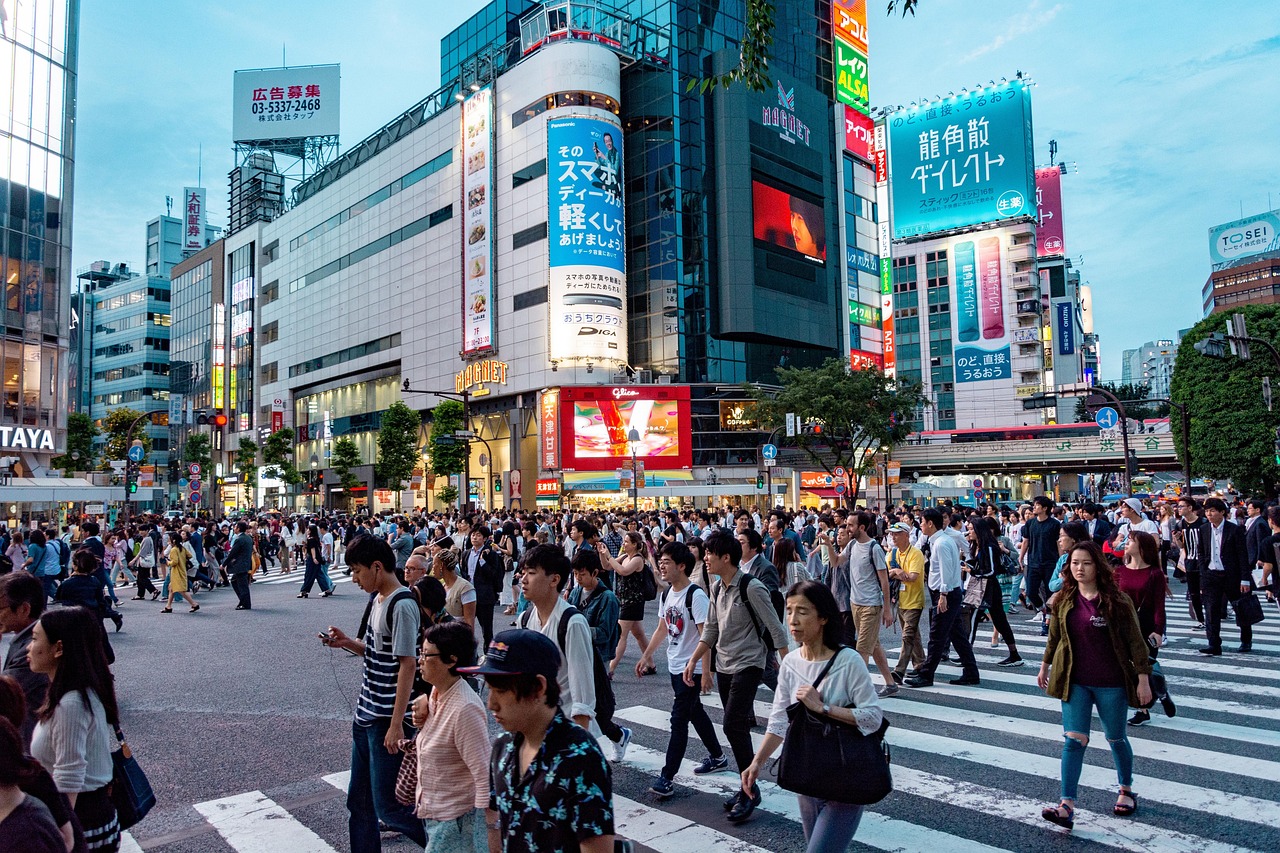
That style of visit also makes the district feel more intimate than a major landmark. You notice the signage, the scent from cooking counters, the hand-written menus, and the constant motion of people moving between shops. It is a little bit of organized bustle, a little bit of neighborhood life, and a little bit of culinary treasure hunting. And honestly, that mix is exactly why people keep coming back.


Local culture and seasonal energy
Tsukiji is not only about food. It also carries local festival energy, and the Tsukiji Lion Dance Festival is one of the events that gives the area a stronger neighborhood identity. Festivals like this remind you that Tsukiji is still a place where people live, work, and maintain traditions, not just a destination for visitors.
That broader cultural layer matters. A market district can easily become one-note if it loses its local rhythm, but Tsukiji still feels connected to the everyday city around it. Food is the most visible expression of that, yet festivals, shop routines, and the steady flow of regular customers all help keep the area grounded.
Related experiences nearby
Because Tsukiji is compact and easy to reach, it works well as part of a larger Tokyo outing. You can build a morning around food, then continue into nearby neighborhoods for shopping, sightseeing, or an extended lunch. The area also pairs well with other market and dining stops, especially if you like following a theme across the city. A matcha-focused stroll, for example, can connect nicely with other recent openings covered in Matcha-Latte in Tsukiji, which highlights how the district keeps adding new flavors to its old market identity.
And if you are planning where to experience Tsukiji in Japan, think of it less as a single must-see and more as a flexible food district that fits into a Tokyo day almost naturally. Come early for breakfast energy, stay for lunch, or drop in for an afternoon snack and a slow walk. There is no wrong tempo here… just different ways of moving through the same lively little web of shops and counters.
How to make the most of a visit
A good Tsukiji visit is less about covering every corner and more about staying open to the next smell, the next sign, the next little place that catches your eye. The district rewards patience. If something looks crowded, there is probably a reason. If something looks quiet, it may be a very good pause. And if you enjoy food culture with a bit of texture and movement, Tsukiji gives you that in spades.
- Arrive hungry, but not in a rush.
- Mix quick snacks with at least one sit-down meal.
- Leave room for tea or dessert, especially if you like matcha.
- Look beyond the busiest stretch and follow side streets for smaller finds.
- Let the district be a walk as much as a meal.
Frequently Asked Questions
Is Tsukiji Outer Market still worth visiting after the fish market moved?
Yes. Tsukiji Outer Market remains a lively food and shopping district with small shops, street food, and a walkable atmosphere.
What kind of food can you find in Tsukiji Outer Market?
You can find take-away matcha, specialty tea spaces, and sit-down yakiniku, along with many small food spots and shops.
What is special about the new matcha spots in Tsukiji?
They focus on quick, high-quality matcha, atmosphere, and in some cases a bamboo cup concept that adds a sustainability angle.
Where is Kobe Beef Yakiniku Kaede located?
It is located in Center Village in Tsukiji.
Is there a local festival in Tsukiji?
Yes. The Tsukiji Lion Dance Festival is held in Tsukiji.
Sources
- IPPUKU-wabisabi opened in Tsukiji — https://jpnerd.com/de/japan-news-de/6797-ippuku-wabisabi-matcha-stand-in-tsukiji-eroeffnet-de
- Tsukiji matcha stand with bamboo cup concept — https://jpnerd.com/de/japan-news-de/8005-tsukijis-matcha-stand-mit-bambusbecher-de
- Tokio weekend guide: Sanno Matsuri and Tsukiji — https://jpnerd.com/de/japan-news-de/8165-tokio-wochenend-guide-sanno-matsuri-und-tsukiji-de
- Matcha latte in Tsukiji: NAGOMI MATCHA starts in Tokyo — https://jpnerd.com/de/japan-news-de/8561-matcha-latte-in-tsukiji-nagomi-matcha-startet-in-tokio-de
- NAGOMI MATCHA TOKYO in Tsukiji — https://jpnerd.com/de/japan-news-de/9368-nagomi-matcha-tokyo-in-tsukiji-neues-matcha-cafe-de
- Kobe Beef Yakiniku in Tsukiji: Kaede in Center Village — https://jpnerd.com/de/japan-news-de/9384-kobe-beef-yakiniku-in-tsukiji-kaede-im-center-village-de
- Tsukiji gets matcha stand with bamboo cups — https://jpnerd.com/de/japan-news-de/7227-tsukiji-bekommt-matcha-stand-mit-bambusbechern-de