Overview
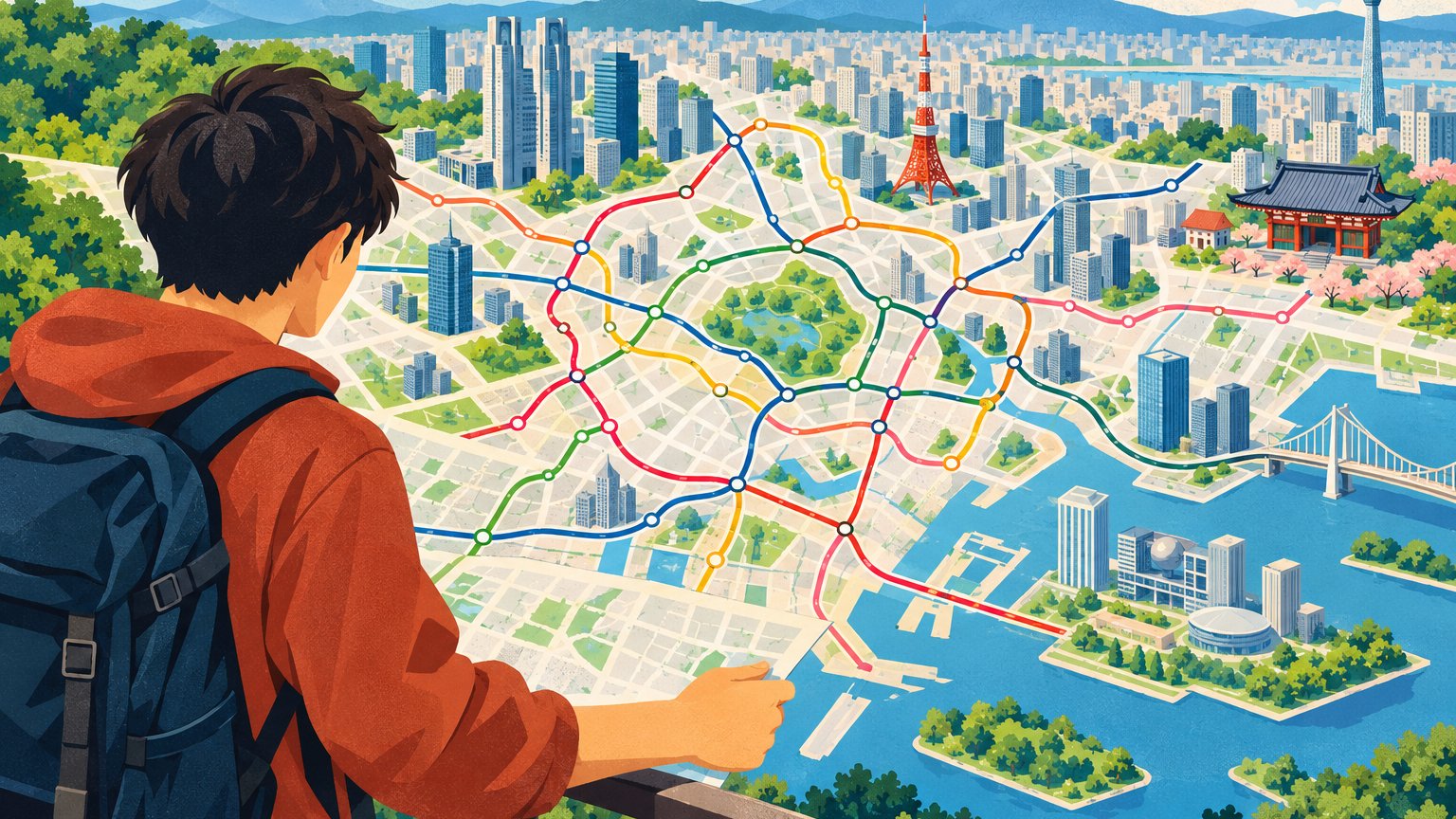
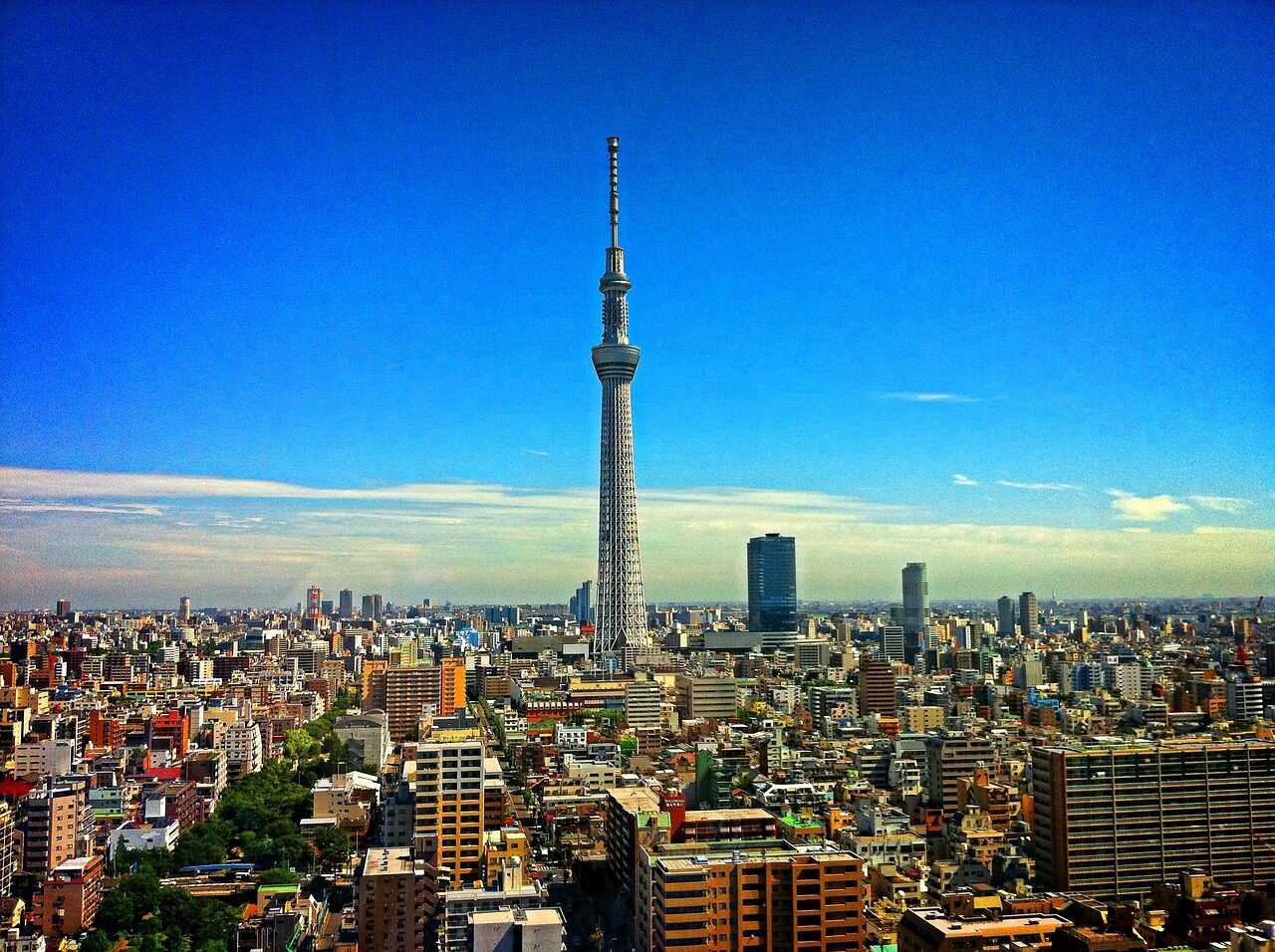
Tokyo Skytree opened in 2012 and stands in Oshiage, in Sumida ward, where it functions as both a landmark and a tourism hub. The building is best known for its observation decks, especially the Tembo Deck at 350 meters and the Tembo Galleria above it, but the real draw is the way the whole site works as a compact place to look, eat, shop, and drift through seasonal events without needing to leave the complex. That mix matters. A visit here is not only about the view; it is about the texture of place, the slow shift from city panorama to food hall to limited campaign display, all in one clean vertical stack.
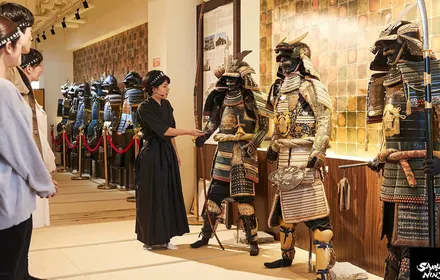
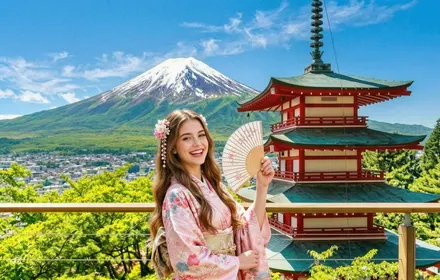
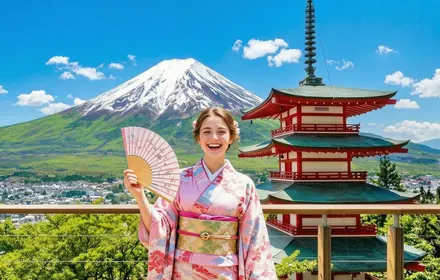
If you are building a Tokyo Skytree guide for a first visit, the basic shape is simple: go up for the views, then spend time below on the commercial floors and event spaces. The experience is easy to combine with nearby neighborhoods, especially Asakusa, and many organized visits use the tower as the anchor for a larger route. That is why you will see it in tour packages with transfers, entrance fees, and guides, and sometimes in more themed outings that fold in samurai or ninja museums, armor try-ons, sword demonstrations, and workshops. Very Japan. Slightly absurd. Useful, too.
What the tower actually offers
The central attraction is, naturally, the view. The Tembo Deck sits at 350 meters and gives you a wide, high-angle read on Tokyo, while the Tembo Galleria lifts the experience further with a more floating, corridor-like ascent above the main deck. The building opened in 2012, and since then it has settled into a role that is part skyline object, part leisure machine, part civic shorthand. People use it as a meeting point, a destination, and a marker for where they are in the city.
For visitors, the practical appeal is the way the site layers functions. You can arrive for sightseeing, move into shopping, stop for food, and then catch a seasonal campaign or pop-up without changing districts. This is where the place differs from a simple observatory. It has a commercial ecosystem around it, and that means the visit can be tailored to time, weather, and mood. On a clear day, the view does the work. On a wet or lumpy afternoon, the indoor pieces still hold the day together.
Seasonal food campaigns and why they keep returning
Tokyo Skytree is also used as a stage for rotating food campaigns, and the recurring matcha programming has become one of the more recognizable examples. These are not treated as one-off tricks. The pattern is closer to seasonal visitor flow, with formats that return because they work: sweets, limited products, photo-friendly installations, and a clear tie to time of year. That is the logic of a good in-house campaign. It gives regulars a reason to come back and first-timers a reason to linger.
Recent Tokyo Skytree news has focused on matcha-themed activations, including matcha and koji experiences and the broader matcha experiences at Tokyo Skytree that emphasize seasonal enjoyment and limited goods. The tower is also hosting TOKYO Matcha Time at SKYTREE with Gion Tsujiri, which fits neatly into the site’s habit of pairing the observatory with food culture that feels local rather than generic. That matters. Matcha here is not a garnish; it is part of the visitor script.
One scheduled example is the Matcha and Koji tasting planned for 2026-05-20 to 2026-05-22. Koji, the fermented rice culture used across Japanese food production, gives the event a more technical edge than a standard dessert campaign. In other words, this is not just green tea powder in every direction. It is a structured seasonal theme, and for visitors who care about food, it shows how the site uses its height as a commercial platform rather than a static monument.
Nearby touring patterns and bundled visits
Many visitors do not treat Tokyo Skytree as a stand-alone stop. They combine it with Asakusa, which makes sense geographically and atmospherically, and some tours build the day around transport, entry logistics, and a guide who can keep the pace moving. If you want a more packaged version of the visit, tour bundles are common and may include transfers, entrance fees, and guided routing. That saves time and reduces the friction that comes with a first trip across a new part of Tokyo.
There are also themed packages that connect the tower with samurai or ninja museums. These may include armor try-ons, sword demonstrations, and workshops, which sounds like a lot until you realize that Tokyo tourism often thrives on controlled variety. One part skyline, one part hands-on history, one part retail. The result is a day that feels deliberately layered rather than randomly assembled.
If you are comparing options, think in terms of tempo. A self-directed visit gives you more room to sit with the view and the surrounding district. A bundled tour gives you structure and less decision fatigue. Both can work. Choose the one that fits your energy level and your feet.
Where to experience it in Japan
Tokyo Skytree is in Oshiage/Sumida, in eastern Tokyo, and that is the place to experience it directly. The tower is easy to fold into a Tokyo itinerary, but it is also substantial enough to deserve its own half day if you want to do more than just photograph the skyline and leave. The surrounding complex gives you the food, shopping, and event spaces that make the visit feel complete, and the nearby area lets you pair it with older Tokyo in Asakusa if you want contrast.

For visitors who are trying to place the attraction in a broader Japan travel plan, I would keep the focus simple: go for the observation decks, stay for the seasonal programming, and use the surrounding district as the connective tissue. That is the real value here. Not one attraction, but a whole stack of reasons to stay in the same place for a while.
Why it matters now
Tokyo Skytree matters because it shows how a major urban landmark can keep renewing itself without pretending to be something else. It remains a tower first, but it also operates as a venue for food campaigns, collaboration events, and special programming that can change with the season. The planned Chiikawa event in 2026 is a good example of how the site stays plugged into contemporary character culture while still holding onto its core identity as a sightseeing destination. That balance is harder to achieve than it looks.
For readers who like Japanese place names and practical vocabulary, this is also a neat place to learn a few terms in context: 展望台 (tenboudai), meaning an observation deck; 予約 (yoyaku), meaning a reservation; kikan gentei, meaning limited-time; setto, meaning a set or bundle; and 会場 (kaijo), meaning the venue or site where an event is held. Those are the words you will keep seeing around major attractions like this one, because they describe how the place actually operates. Useful words. No waste.
If you are collecting Tokyo Skytree news, or simply deciding whether it belongs on your next Tokyo day, the answer is yes. It is a landmark, but also a working tourism machine, and the distinction matters. More soon.
Frequently Asked Questions
What is Tokyo Skytree known for?
It is known as a 634-meter Tokyo landmark with observation decks, especially the Tembo Deck at 350 meters and the Tembo Galleria above it.
Where is Tokyo Skytree located?
It is located in Oshiage, in Sumida ward, Tokyo.
Can you combine Tokyo Skytree with other sightseeing in Tokyo?
Yes. Tour packages often combine it with Asakusa, and some also include transfers, entrance fees, guides, or themed museum stops.
What kinds of seasonal events happen at Tokyo Skytree?
The tower hosts seasonal food campaigns and special collaborations, including matcha-themed experiences and a planned Chiikawa event in 2026.
Is Tokyo Skytree a good place to learn Japanese travel vocabulary?
Yes. It is a practical place to encounter everyday terms like tenboudai, yoyaku, kikan gentei, setto, and kaijo in a real tourism setting.
Sources
- Tokyo Skytree official site — https://www.tokyo-skytree.jp/en/
- Tokyo Solamachi official site — https://www.tokyo-solamachi.jp/
- Tokyo Metropolitan Government tourism information — https://www.gotokyo.org/en/
- Tokyo Skytree News coverage on matcha and seasonal campaigns — https://jpnerd.com/de/japan-news-de/4202-tokio-skytree-setzt-auf-matcha-und-koji-de
- Tokyo Skytree News coverage on matcha experiences — https://jpnerd.com/de/japan-news-de/3759-tokio-skytree-startet-neue-matcha-erlebnisse-de
- Tokyo Skytree News coverage on Chiikawa event plans — https://jpnerd.com/de/japan-news-de/7231-tokyo-skytree-bekommt-neues-chiikawa-event-2026-de