

Overview
Tokyo is a city of 23 special wards, with a wider metropolitan area that reaches beyond them into additional cities and islands. For a first visit, that scale is best handled with a simple rule: do not plan by attraction count, plan by geography. Tokyo is not a place that rewards crisscrossing the map all day. It rewards attention, a workable route, and a willingness to let one district lead to the next.
If you are putting together a Tokyo travel guide for first-time visitors, start with the station map, not the sightseeing list. Think in terms of 駅 (eki, station), meaning station, because that is how the city opens up: around rail nodes, exits, and the texture of place that changes when you walk two or three klicks in the wrong direction. This is also where 道 (michi, road; route; way), the way or route, matters in the practical sense. Tokyo is navigable, but only if you respect its scale and keep your load light.
The 2026 guide materials frame Tokyo travel as useful for visitors who want clear route planning, budget control, and a bit of language support along the way. That makes sense. The city can feel expensive, but it is not only for high spenders. It is perfectly possible to travel on a moderate budget if you choose neighborhoods carefully, eat with intent, and avoid the reflex to move constantly.
How to shape a first Tokyo itinerary
For a first trip, the smartest structure is a day-by-day cluster plan rather than one giant sightseeing list. Keep each day to around two major sights and one or two smaller stops. That is enough. More than that and you start spending your time underground, which is a strange way to meet a city, however efficient it looks on paper.
The source material points to a few reliable anchor areas for first-timers: Shibuya, Shinjuku, Asakusa, Ueno, and Tokyo Station. These are not the only useful districts, but they are among the easiest to orient around. A sensible first day might be Asakusa plus Ueno, or Shibuya plus Harajuku. That pairing works because the areas sit close enough together to reduce train fatigue and let you actually notice where you are.
- Asakusa plus Ueno works well for a slower first day with temple atmosphere, park time, and museums.
- Shibuya plus Harajuku gives you city energy, youth culture, and shopping in one compact arc.
- Tokyo Station can serve as an orientation point when you need a central reference.
- Odaiba, Ikebukuro, and Akihabara can fit into day plans, but not all at once unless you enjoy spending your afternoon collecting transfers like us dorks collecting receipts.
The practical logic here is simple: cluster nearby areas and keep the day coherent. Tokyo becomes much easier when the day has a shape.
Choosing the right area to stay in
Accommodation choice shapes the whole trip. The guide materials repeatedly point to staying near a Yamanote Line station or another major transit hub, because it makes movement across the city less fragile. The Yamanote Line is especially useful because it connects many key districts and reduces the need for frequent transfers. Tokyo Metro and Toei lines also cover most of the city, so the real goal is not perfect proximity to every sight. It is reducing friction.
Shinjuku is presented as the most practical all-round base for many visitors. It has strong rail access, late-night food, and a wide range of hotels, from business hotels to higher-end towers. It is chaotic, yes, but in a logical way. You feel the city working there.
Shibuya is the better choice if you care most about nightlife, youth culture, shopping, and easy access to Harajuku and Omotesando. It is busier, more modern in tone, and less about resting than about being pulled outward again. Good if that is what you want.
Asakusa suits travelers who want a calmer stay, traditional streets, and a slower pace. There are also many ryokan-style stays in the area, which can give the visit a more rooted feel. Ueno is another sensible base, with its park, museums, transport access, and a somewhat softer price tag than central Shibuya or Shinjuku. If your body prefers fewer sharp edges, Ueno has its uses.
Tokyo Station remains an important anchor area for planning and orientation, especially if you want the city to feel more legible from the start. Some travelers also look at luxury skyline hotels, which belong to a different budget tier entirely, but the point is the same: base yourself where the trains are kind to you.
Budget, meals, and the daily rhythm of spending
Tokyo can feel expensive, but budget travel is still possible. The trick is to be deliberate about meals and avoid paying extra simply because you are tired. A useful daily rhythm is a comfortable breakfast, a quick lunch, and an evening destination that is not overly crowded. That alone can keep costs and energy in line.
For food, the guide materials mention ラーメン (ramen, wheat noodle soup) shops, soba stands, and bento from station food options. These are not glamorous choices. They are practical, and that matters more. A typical lunch budget mentioned is around 1000 to 1800 yen, with classic ramen shops often coming in cheaper unless you are aiming for one of the famous top spots. That is a useful range to have in mind before you open your wallet and begin improvising like a person with no plan.
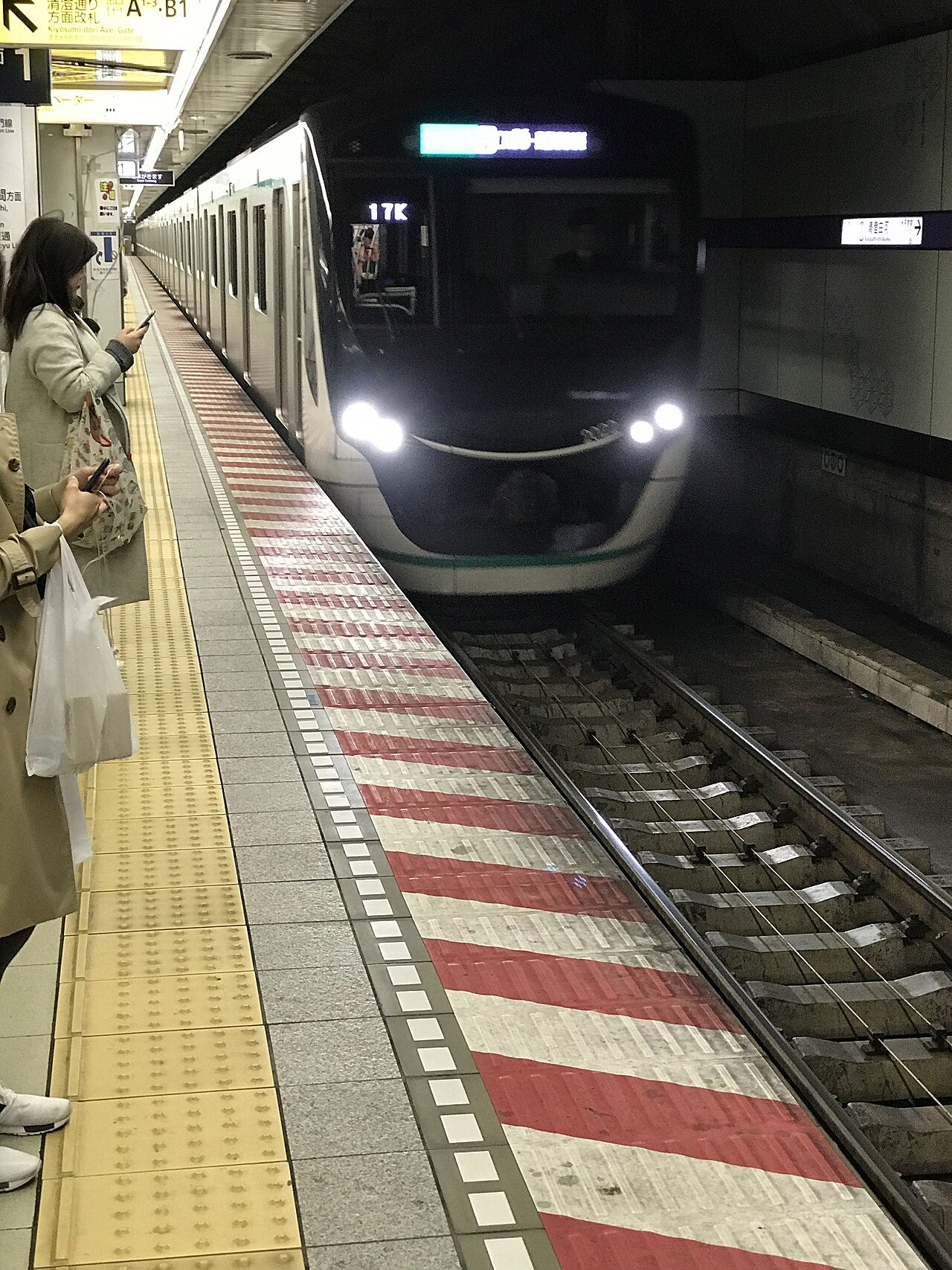
When you move through the city, keep your route and money card ready before heading into places like Shibuya, Asakusa, or Ueno. Small preparation changes the whole day. You move more calmly. You waste fewer clicks. You stand around less, which is a kindness to everyone, including your own feet.
Useful Japanese travel vocabulary for the street
The guide materials are also useful for travelers who are learning Japanese and want terms they can actually use. A few words recur in real-world travel situations. Romaji is the Latin-script writing system used here for easy reading. 切符 (kippu, ticket) means ticket, so it comes up when buying or checking fares. Eki means station, which is the basic unit of movement in Tokyo. Michi means way or route, and that is exactly how the city should be approached. 予約 (yoyaku, reservation), meaning reservation, is useful for hotels and some meals. Chika tetsu refers to the subway, which will come up often enough to deserve its own place in your head.
These are small words, but they help. Tokyo travel becomes more legible when you can recognize the language around stations, transfers, and reservations. For readers looking specifically for Tokyo travel planning on food, sleep, and exploring, the same principle holds: the city is easier when vocabulary and route planning support each other.
The broader appeal here is that Tokyo rewards visitors who notice structure. The neighborhoods are distinct. The trains are efficient. The city runs on repetition, but not on sameness. That is why a modest plan often works better than a grand one.
Where to experience Tokyo in a way that makes sense
If you are deciding where to actually experience the city, start with the places that match your pace. Shibuya gives you crossings, shopping, and a concentrated dose of youth culture. Harajuku and Omotesando are easy additions from there, so you can build a day without stretching it thin. Shinjuku is practical when you want rail access and a strong hotel base. Asakusa gives you temple atmosphere and old streets. Ueno brings park time, museums, and easier prices. Tokyo Station works as an orientation hub when you need the city to stop being abstract.
The point is not to collect districts. The point is to move through a few of them well. Tokyo reveals its texture that way, in layers, with enough structure to keep you from drifting and enough variation to keep you awake. If that sounds modest, good. Modest is often the right scale for a first visit.
Frequently Asked Questions
What is the best way to plan a first Tokyo trip?
Plan by neighborhood and day cluster, not by trying to see the whole city at once. A first day with two major sights and one or two smaller stops is the most workable approach.
Where should first-time visitors stay in Tokyo?
Shinjuku is the most practical all-round base, Shibuya is best for nightlife and shopping, Asakusa is calmer, and Ueno offers park access, museums, and slightly lower prices.
Is Tokyo expensive for budget travelers?
It can feel expensive, but budget travel is possible. Food choices like ramen, soba, and station bento help, and a typical lunch budget of about 1000 to 1800 yen is a useful guide.
Do I need to think in stations rather than addresses?
Yes. Tokyo is easier when you plan around eki, or stations, because the rail network is the main way to move between districts.
Which rail line is most useful for sightseeing?
The Yamanote Line is especially useful because it connects many key districts and reduces the need for frequent transfers. Tokyo Metro and Toei lines also cover most of the city.
