Overview
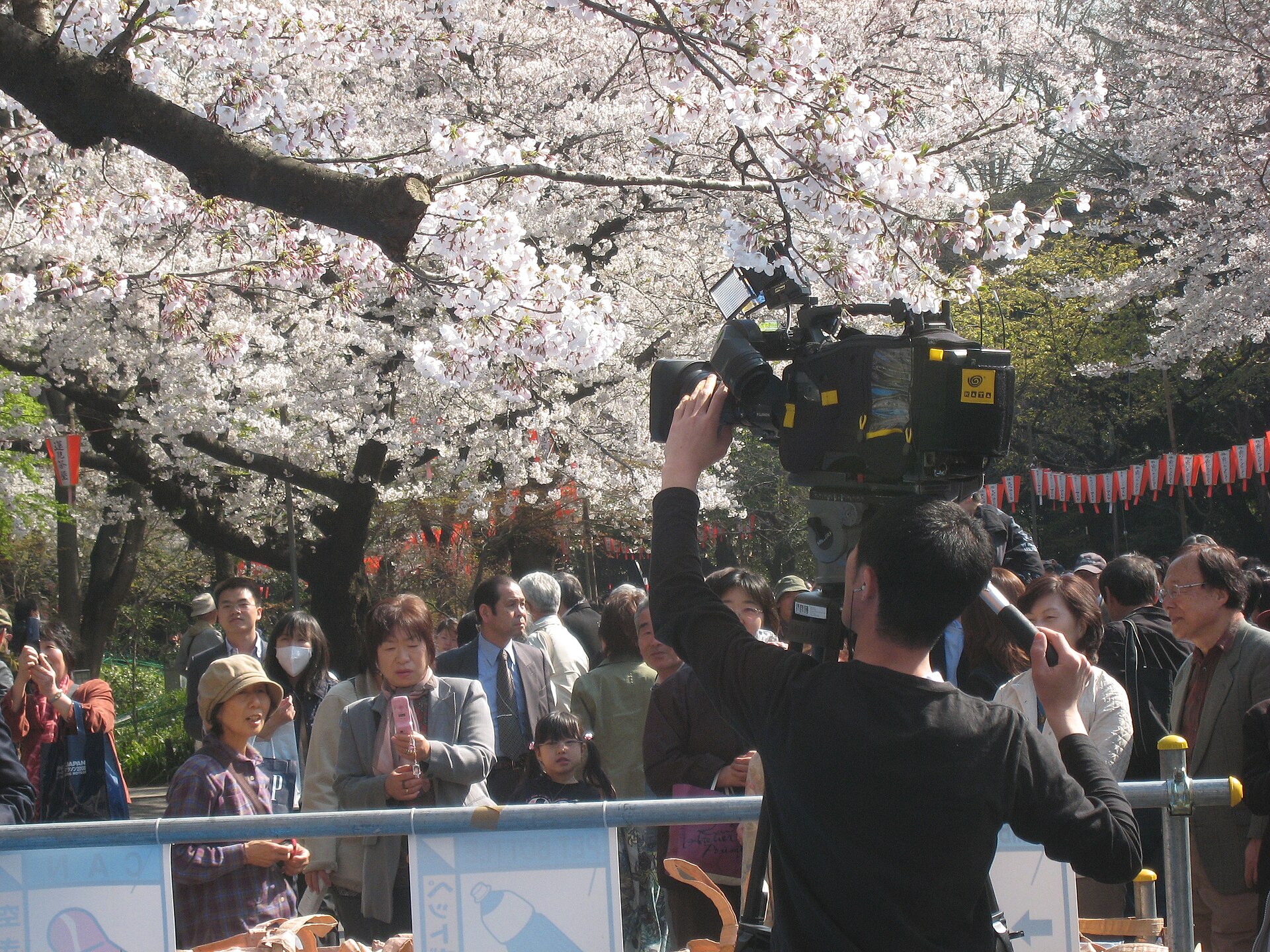
Ueno Park in Tokyo was officially opened in 1873 as one of Japan’s first Western-style parks, and that history still shapes the way it feels on the ground: broad paths, institutional buildings, pockets of green, and a steady pull between leisure and culture. It covers about 53 hectares, which is enough space for the place to breathe and still remain unmistakably urban. That balance is the point. You come for museums, the zoo, Shinobazu Pond, the Toshogu complex near the entrance, and in spring, the great shared crowd of 花見 (hanami, cherry-blossom viewing) beneath more than 1,000 cherry trees.
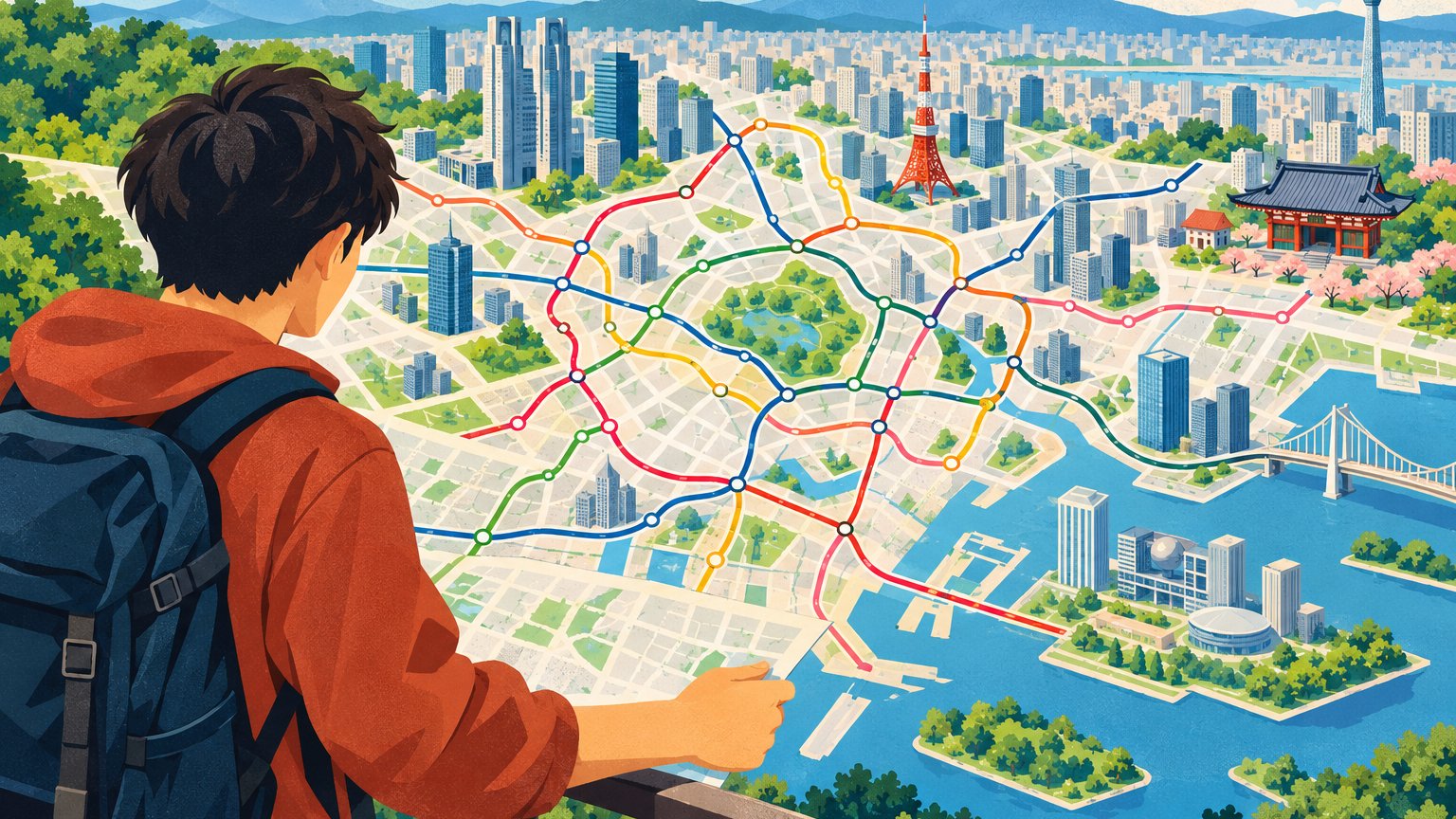
If you are mapping a first day in Tokyo, Ueno is one of those areas that lets you read the city in layers. The station is a major transit hub, so arrival is simple, and the park itself is open 24 hours a day. The museums and cafes keep their own hours, of course; the body of the place never closes, but its institutions do. That matters. Tokyo often rewards early starts, and Ueno rewards them especially well.
How to get there and move through the park
Ueno Station is the obvious gateway, served by the JR Yamanote Line, Keihin-Tohoku Line, and Tokyo Metro Ginza and Hibiya lines. If you are arriving from Narita, the Keisei Skyliner also makes the approach straightforward. Once you step out, the park unfolds in short, readable segments rather than one grand sweep. That is useful. You can move between the station, the museum zone, the pond, and the zoo without needing a plan written in permanent marker.
The name Ueno Park in sakura season has become almost shorthand for spring in Tokyo, but the practical lesson is simpler: go early if you want the place to feel spacious. For hanami photography, early morning is the cleanest window, ideally on weekdays between 7:00 and 10:00, when the light is gentler and the crowds have not yet made the paths lumpy with people and picnic sheets.
What the park contains
The core attractions are easy to list, but they are better understood as a cluster. The Tokyo National Museum sits at the cultural center of the park area. The National Museum of Nature and Science is nearby, giving the district a strong museum spine. Ueno Zoo adds a very different rhythm, while Shinobazu Pond brings water, birds, and seasonal reflection to the south side. The Toshogu complex near the park entrance adds historical weight and a more formal architectural register. You can spend a day just moving among these anchors and still miss things. That is not a flaw. It is the texture of place.
A useful Japanese term here is 予約 (yoyaku), meaning a reservation. Not every part of Ueno Park needs one, but museums and special programs often do, and it is worth checking before you go rather than discovering the rule at the door like a fool with too much optimism. Another is hanami, the flower-viewing tradition centered on cherry blossoms; Ueno is one of Tokyo’s most famous hanami destinations, and the social scale of it changes the entire atmosphere in late March and early April.
Why the museums matter
The Tokyo National Museum deserves a pause. Founded in 1872, it is described as Japan’s oldest and largest art museum, with more than 120,000 objects in its collection. That is not merely a statistic for the wall. It means the park is not only green space, but a kind of cultural hinge where the national story is held in rooms just off the path. For a reader interested in Ueno Park japanisch lernen, this is also the sort of place where labels, object names, and exhibit notes can turn an ordinary visit into quiet study.
Another term worth knowing is 資料館 (shiryokan), meaning a museum or archive. Ueno’s museum cluster makes the park feel almost like an open campus, and the rhythm of entering, leaving, and walking between institutions is part of the experience. If you are the kind of person who likes to learn by wandering, this is your sort of place.
The Tokyo National Museum also hosts hands-on cultural formats from time to time, including 和菓子 (wagashi, Japanese confectionery) and 抹茶 (matcha, powdered green tea) workshops that connect food, aesthetics, and making. Within that context, wagashi are traditional Japanese sweets, and matcha is powdered green tea prepared with a specific ceremonial attention. 練り切り (nerikiri, a type of sweet made from bean paste) are a type of seasonal wagashi, often made from shiro-an, glutinous rice flour, and sweet bean paste. It is a small thing, but these details matter; they make culture tactile rather than merely photographed.
If you want a related read with a more specific museum angle, see wagashi and matcha at the Tokyo National Museum.
The zoo, the pond, and the slower side of the park
Ueno Zoo opened in 1882 and is described as Japan’s oldest zoo. That makes it one of the park’s historical pillars, but it also changes the pace of a visit. Animals impose their own timing. The famous 動物園 (dobutsu-en), meaning a zoo, is one of those places where families, school groups, and solitary visitors all move at slightly different speeds, which is probably why it never feels entirely static.
Shinobazu Pond offers a gentler counterweight. In a park known for institutions and crowds, the pond area gives you water, open sky, and a place to stand still for a moment without feeling as if you are performing stillness. There is no grand instruction here. Walk the edge. Look across the surface. Then keep going. That is enough.


The park’s cherry trees, more than 1,000 of them along the main avenue and around Shinobazu Pond, are the reason many people first come in spring and the reason many return in other seasons to see how the space holds up without blossoms. It does, which is the mark of a good park. Late March to early April 2026 is expected to be the full-bloom window for Tokyo, though weather always gets the final vote. Bring patience. And a spare layer. Spring in Tokyo likes to pretend it is warmer than it is.
Events, festivals, and the life of the district
Ueno is not only a place for looking at things; it is also a place where the city schedules itself. The 下町 (shitamachi, old downtown; traditional working-class neighborhood) Kids Matsuri is scheduled for 2026-09-12 at Ueno Park and is said to be part of the 20th Youth Festival. The term shitamachi refers to Tokyo’s traditional old downtown merchant and artisan district, and that context matters because Ueno has long been associated with a more lived-in, mixed urban character than polished showcase districts elsewhere in the city.
Events like this keep the park from becoming purely ceremonial. They remind you that Ueno is not frozen in a postcard. It is a working public place, used by children, commuters, museum-goers, photographers, and people with no particular plan at all. That is the virtue of it.
If you are building a fuller day around the area, a seasonal visit can easily pair with other nearby reading, including a look at the Shitamachi Kids Matsuri at Ueno Park or a longer spring route through the district’s blossom corridors. More soon. C
Practical tips for a better visit
- Go early if you want quieter paths and better light, especially for sakura photography.
- Use Ueno Station as your main access point; it is the simplest way into the park.
- Check opening hours for museums, zoo facilities, and cafes separately, because the park itself being open 24 hours does not mean everything inside it is.
- Keep a small list of the sites you care about most, then accept that you will probably see more than you planned. That is how Ueno works.
- If you are learning Japanese, treat exhibit labels and seasonal event notices as real study material; Ueno is unusually good for that.
Why Ueno Park still matters
Some parks are for passing through. Ueno is for staying long enough to notice the shifts: station noise falling away, the museum districts tightening around you, the pond opening the air, the cherry trees turning the whole place into a shared seasonal room. It is historic, yes, but not museum-piece historic. It remains active, practical, and densely useful. That combination is rare. More soon.
Frequently Asked Questions
When was Ueno Park opened?
Ueno Park was officially opened in 1873 as one of Japan’s first Western-style parks.
What can you see in Ueno Park?
Key sights include the Tokyo National Museum, the National Museum of Nature and Science, Ueno Zoo, Shinobazu Pond, and the Toshogu complex near the entrance.
What is the best time to visit for cherry blossoms?
Tokyo’s full-bloom window is expected from late March to early April 2026, and early morning on weekdays between 7:00 and 10:00 is the best time for quieter hanami photography.
Is Ueno Park easy to reach by train?
Yes. Ueno Station is served by the JR Yamanote Line, Keihin-Tohoku Line, and Tokyo Metro Ginza and Hibiya lines, and the Keisei Skyliner is also convenient from Narita.
What event is scheduled at Ueno Park in September 2026?
The Shitamachi Kids Matsuri is scheduled for 2026-09-12 at Ueno Park and is said to be part of the 20th Youth Festival.
Sources
- Tokyo National Museum - https://www.tnm.jp/
- Ueno Zoo - https://www.tokyo-zoo.net/zoo/ueno/
- Tokyo Metropolitan Park Association - https://www.tokyo-park.or.jp/
- Keisei Electric Railway - https://www.keisei.co.jp/
- Tokyo Metro - https://www.tokyometro.jp/
- JR East - https://www.jreast.co.jp/