And that matters, because these aren’t the kind of places you can casually zig-zag through without checking buses, weather, or opening hours. If you like Japan trips where a little planning pays off, and where words like ryokan, onsen, and 山 (yama, mountain) really start to feel alive, this one’s for you.
Aso, Kuju, and Kurokawa Onsen in one mountain loop
Deep in Kyushu, Aso, Kuju, and Kurokawa Onsen line up as a very satisfying mountain route, especially if you enjoy the slower side of Japan travel. Aso gives you volcanic scale, Kuju brings highland scenery and road access through Aso Kuju National Park, and Kurokawa Onsen gives you the sleepy hot-spring village feeling that many Japan fans go looking for.
The useful part is that these places work together, not just separately. Kurokawa Onsen sits in Minamioguni, and sources like Klook place it within a short drive of Aso Kuju National Park and Meotodaki Fall. So if you’re building a trip around onsen, driving, and mountain air, the geography actually makes sense. Sounds simple, but that’s half the charm.
For Japanese learners, this is a nice real-world vocabulary set too: onsen for hot springs, ryokan for traditional inns, and 崩れ (kuzure, collapse; crumbling), well, no need to overcomplicate it. Just knowing the place names and travel words already helps a lot when reading signs and booking pages. My tip is to learn the transport terms first, because they matter more here than cute phrasebook lines do. But that’s not all.
What local lodge operators are telling travellers
Here’s the kicker: the advice from lodge operators in the area isn’t romantic fluff, it’s practical, and that makes it valuable. Their message is basically to treat the trip as a mountain journey, not a quick city hop. Check the weather, check road conditions, and assume plans may need adjusting if snow or heavy rain shows up.
Before I forget, this is exactly the kind of place where “close on a map” can still mean “awkward in real life.” Bus schedules can be sparse, especially once you leave the main tourist flow, so a plan that looks tidy on paper may still need buffer time. And when local operators stress flexibility, they aren’t being dramatic, they’re saving you stress later. Personally, I think that kind of advice is gold.
Why the winter warning matters
Winter is the season where Aso and Kurokawa Onsen can become much less forgiving. Mountain roads can freeze, visibility can drop, and even a short hop between spots may take longer than expected. If you’re not used to driving in snowy conditions, that isn’t the moment to learn by trial and error... and yes, I say that with deep sympathy for my own occasionally overconfident planning brain.
Hand on heart, if snow is in the forecast, it’s worth choosing accommodation carefully and keeping a backup for every transfer. A lodge with parking, a ryokan with clear check-in guidance, or a route that avoids late-night driving can make a huge difference. Sounds weird, but it’s true. The mountain is lovely, but it doesn’t care about your neat itinerary.

Driving tips for Aso and Kurokawa Onsen
Take Aso, for instance. The crater area and open plateau roads are part of the appeal, but they’re also the places where driving conditions change quickly. If you’re coming from Fukuoka or another Kyushu city, the route may look straightforward, yet the final stretch can still demand patience, especially in winter or in bad weather.
Speaking of which, cars are often the easiest way to combine Aso, Kuju, and Kurokawa Onsen in one trip, but only if you’re comfortable handling mountain roads. That means checking tyres, fuel, and daylight before you leave, plus not assuming there’ll be a convenient shop or station right where you want one. It’s not difficult, just less forgiving than a normal urban drive.
Oh, almost forgot: if you’re using public transport, build in extra time for connections and keep your expectations loose. This is one of those hidden spots where the reward is real, but the logistics ask for a little maturity. I actually like that. Japan travel often works best when you stop fighting the schedule and start working with it. From my experience...
What makes Kurokawa Onsen feel different
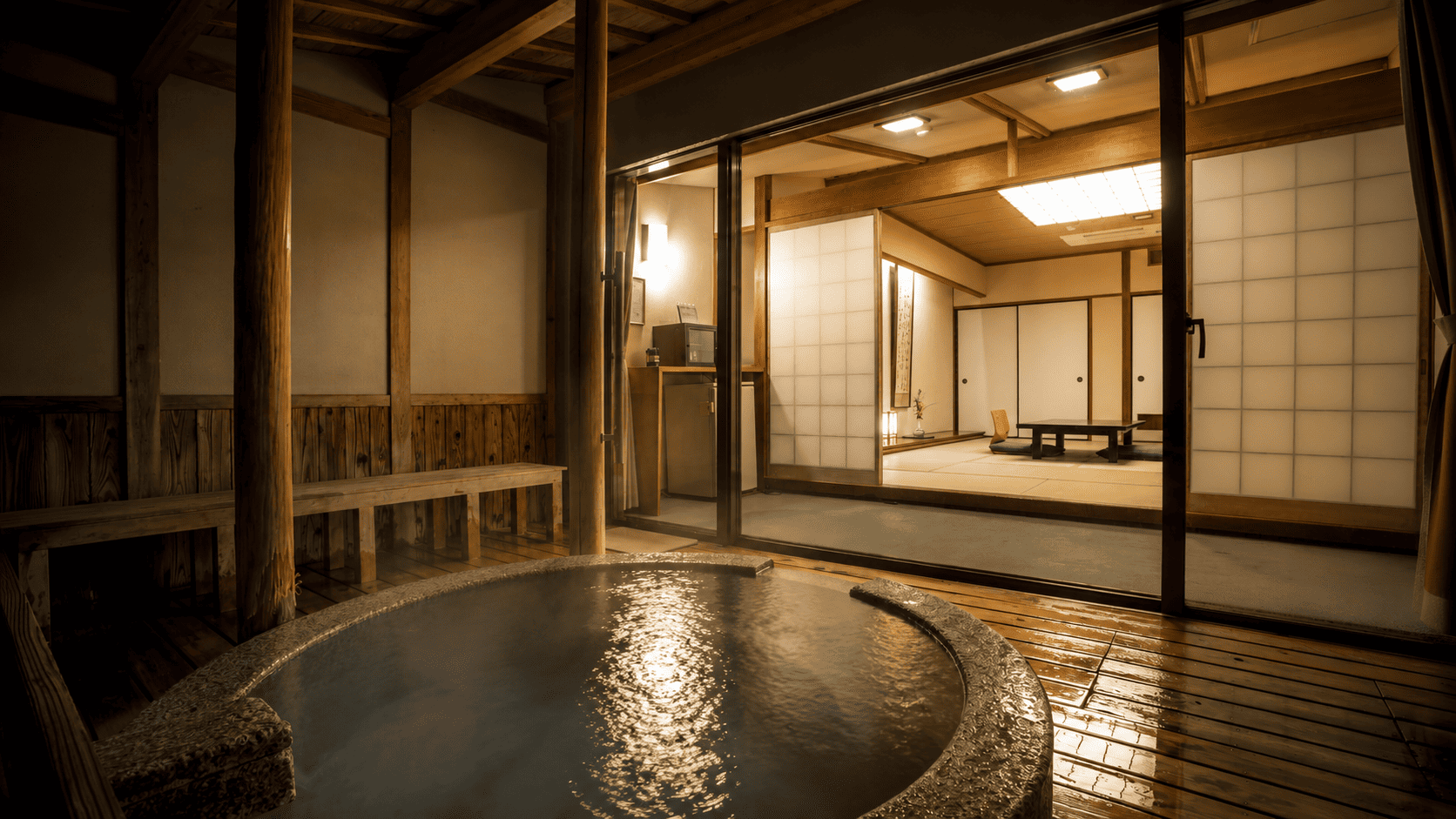
The best part is that Kurokawa Onsen isn’t trying to be flashy. It’s a compact hot-spring village with a strong ryokan culture, and that creates a quieter rhythm than many more famous onsen towns. Fewer neon distractions, more steam, more wooden bridges, more people wandering in 浴衣 (yukata, casual summer kimono) between baths. Simply lovely.
That atmosphere also makes it a good place to slow down after time on the road. If you’ve been around Aso or Kuju, the contrast is part of the appeal. You go from wide mountain spaces to a place where the pace gets softer, and where even your simple travel decisions, like when to eat, when to soak, and when to stop for the night, start to feel pleasantly deliberate.
And for Japan fans, there’s a cultural angle here too. Onsen towns reward small courtesies: removing shoes when needed, keeping voices low, checking tattoo policies in advance, and reading the basic bathhouse etiquette before you arrive. None of that is difficult, but it does make the trip smoother. I’d highly recommend spending five minutes on etiquette before you go, and you’ll relax faster once you’re there. But that’s not all.
Frequently Asked Questions
Is Aso easier to reach than Kurokawa Onsen?
Usually yes, especially if you’re using major roads or a guided transfer. Kurokawa Onsen tends to feel more remote, so transport planning matters more.
Do you need a car for this area?
A car makes the Aso, Kuju, and Kurokawa Onsen combination much easier, but it is only a good idea if you’re confident with mountain driving and winter conditions.
Is Kurokawa Onsen a good stop for first-time onsen travellers?
Yes. Its small scale and ryokan atmosphere make it a gentle place to learn basic onsen etiquette and enjoy a slower pace.