Overview
抹茶 (matcha, powdered green tea) has covered a strange amount of ground in the past decade. It went from a bowl whisked slowly in a tea room to a green streak on the menu board of every third coffee shop from Melbourne to Manchester, and that popularity is not free. It has landed, with real weight, on a handful of farming regions in Japan that still grow and process the stuff by hand, and by the spring of 2026 the strain had stopped being backroom grumbling and become official industry business. Two things happened almost back to back: Japan's tea trade formally organized itself to manage the boom, and it publicly admitted, in writing, that the boom might be breaking something.
What's Actually Driving the Demand
The short version: matcha lattes at Western coffee chains did more for global tea culture than a century of exports managed on its own. Add matcha-flavored sweets, skincare, protein powder, and whatever else marketing departments can dye green, and you get demand curves that no longer track with how much 碾茶 (tencha, shade-grown tea leaves used to make matcha) Japan can physically produce in a season. This isn't a fad that will quietly recede. It's a new, permanent floor of global appetite sitting on top of a supply chain built for a much smaller world.
The Slow Work Behind a Real Bowl
Here is the part that gets lost between the whisk and the photo. Real matcha starts as tencha — tea leaves grown in the shade and stripped of their stems before they're stone-ground into powder. Growers shade the plants for weeks under covers called 棚 (tana, shelf/rack (shading frame for tea plants)), and that step cannot be rushed for cost or convenience; the plant simply needs the time. Stone milling is slow by design too — a good mill turns out only a modest amount of matcha per hour. That labor and patience is exactly why authentic matcha costs multiples of the bright-green powder sold as a cheap imitation. The texture alone tells you which one you're holding before you've even opened the tin.
Uji, Nishio, and the Squeeze on Traditional Growers
Uji, in Kyoto Prefecture, and Nishio, in Aichi, are matcha's two most storied growing regions, and both are straining under demand they were never built to meet. The problem isn't only volume — it's who gets paid what. Large-scale buyers chasing volume have been able to out-compete smaller, quality-focused farms for the limited tencha supply, and the price paid to a farmer at the start of the chain doesn't reliably track the price a customer pays for a tin of ceremonial-grade matcha at the other end. That gap is where the smaller, generations-old operations in these regions are getting squeezed hardest.
The May 2026 Joint Statement
On May 5, 2026, the situation moved from quiet concern to public record. The International Matcha Association (IMA) and 38 major Japanese tea trading companies released an emergency joint statement calling for fair trade practices, better alignment between quality and price paid to producers, a sustainable business environment for the industry, and shared responsibility across everyone in the matcha market — growers, processors, traders, and brands alike. It's a rare thing for a famously understated industry to say, in effect, that the current boom is unsustainable as structured. Worth noting: this reads as an open, ongoing concern rather than a resolved dispute — there's no indication yet of concrete enforcement mechanisms behind the statement's demands.
Formalizing an Industry: the IMA and Ryosuke Iwamoto
The joint statement didn't come out of nowhere. The IMA itself was founded on April 22, 2026, headquartered in Tokyo, and describes itself as the world's first international matcha industry organization. Its Representative Director is Ryo Iwamoto, and the association's stated work is exactly what an industry at this stage of growing pains needs: establishing international definitions, quality standards, and grading for matcha, networking producers and traders, and opening dialogue with markets overseas.
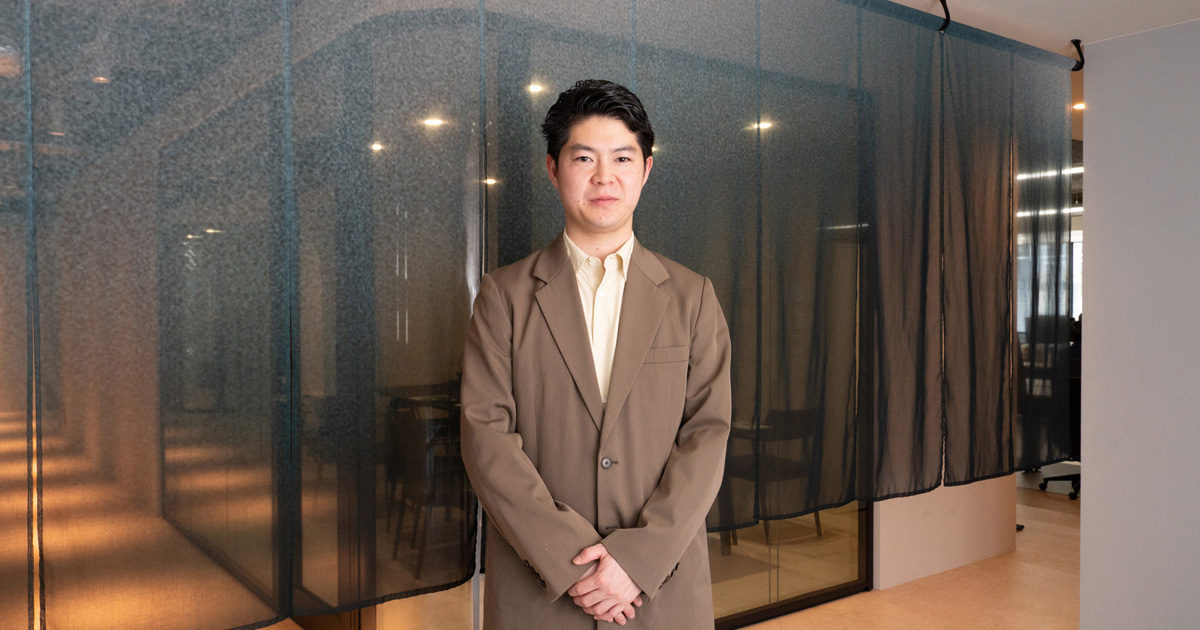
Behind that effort sits Ryosuke Iwamoto, CEO of TeaRoom, who has been pushing an "industry concept" of matcha for a while now — the idea that matcha isn't just a beverage but a full value chain, from cultivation and shading through to stone-mill grinding, that can be standardized, marketed, and exported the way any serious global commodity is. TeaRoom's ties to Urasenke, one of the major schools of Japanese tea ceremony, and to the long-established retailer Nakagawa Masashichi Shoten, give this push a foot in both tradition and commerce — a combination that will decide whether "industrializing" matcha ends up protecting the farmers in Uji and Nishio or simply formalizing the pressure they're already under.
Where to Taste the Real Thing in Japan
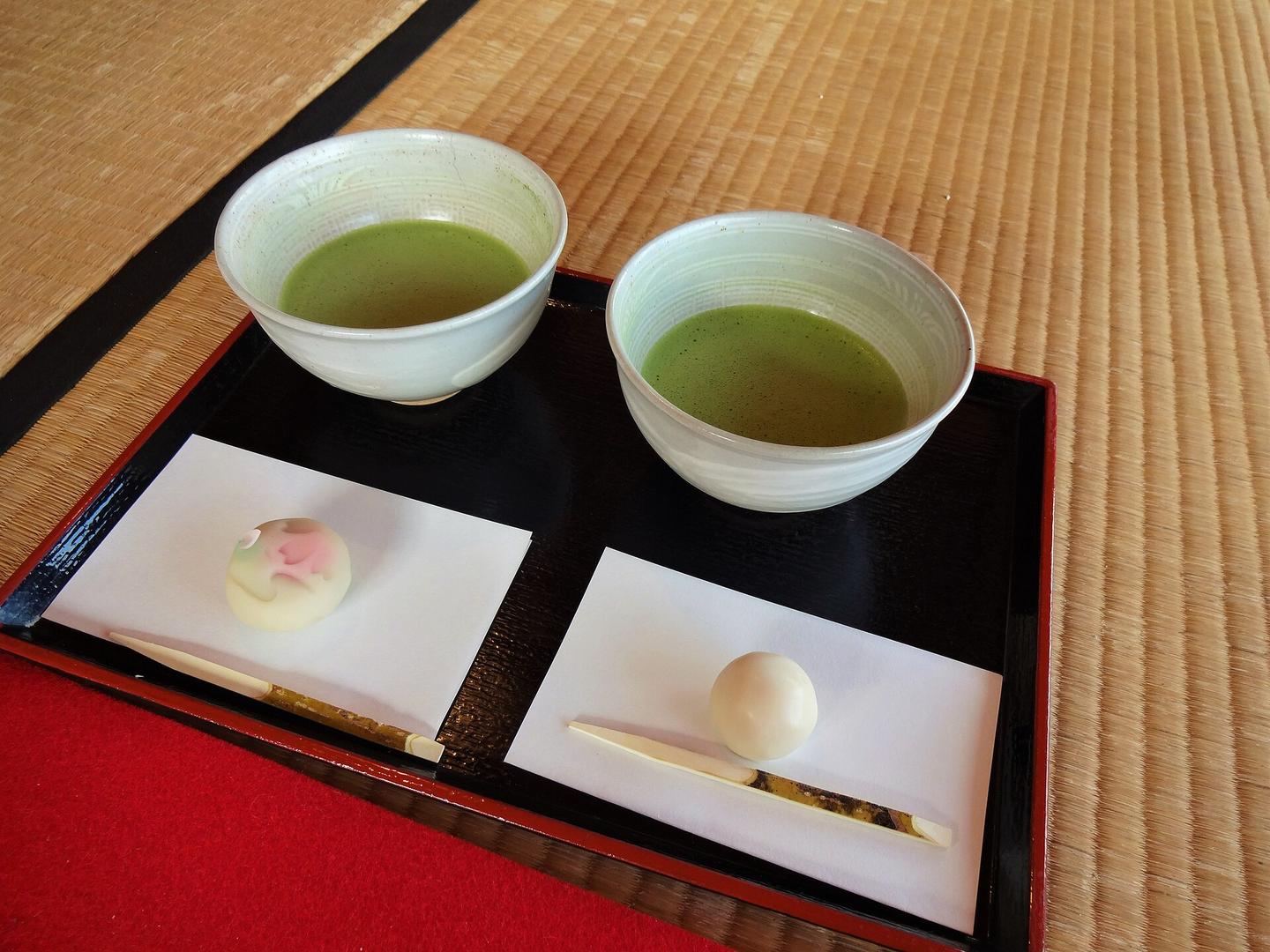
If you want to understand any of this with your own hands and tongue rather than secondhand, go to the source. Uji, a short train ride south of Kyoto, is walkable in an afternoon: tea shops line the streets near the Uji River, several mills let you watch or try stone-grinding, and the older houses serve matcha the way it was meant to be drunk — thick, slightly bitter, no sugar hiding the leaf underneath. Nishio, out in Aichi, is quieter and less touristed, which suits it; you can wander between tea fields and small processing houses without a schedule pressing on you. In Kyoto proper, Urasenke-affiliated tea rooms and casual tea-ceremony experiences are open to visitors who want the ritual alongside the flavor — worth doing at least once, even if, like me, you fumble the bowl-turning etiquette the first time. Matcha, done right, rewards slowing down. That's the whole argument the farmers are making, really.