
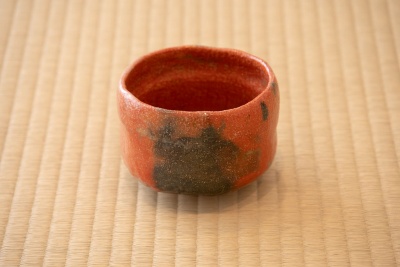
And that shift matters. If you love Japan, tea or language learning, this is one of those stories where culture and commerce sit right next to each other, like 畳 (tatami, tatami mat) and chabudai.
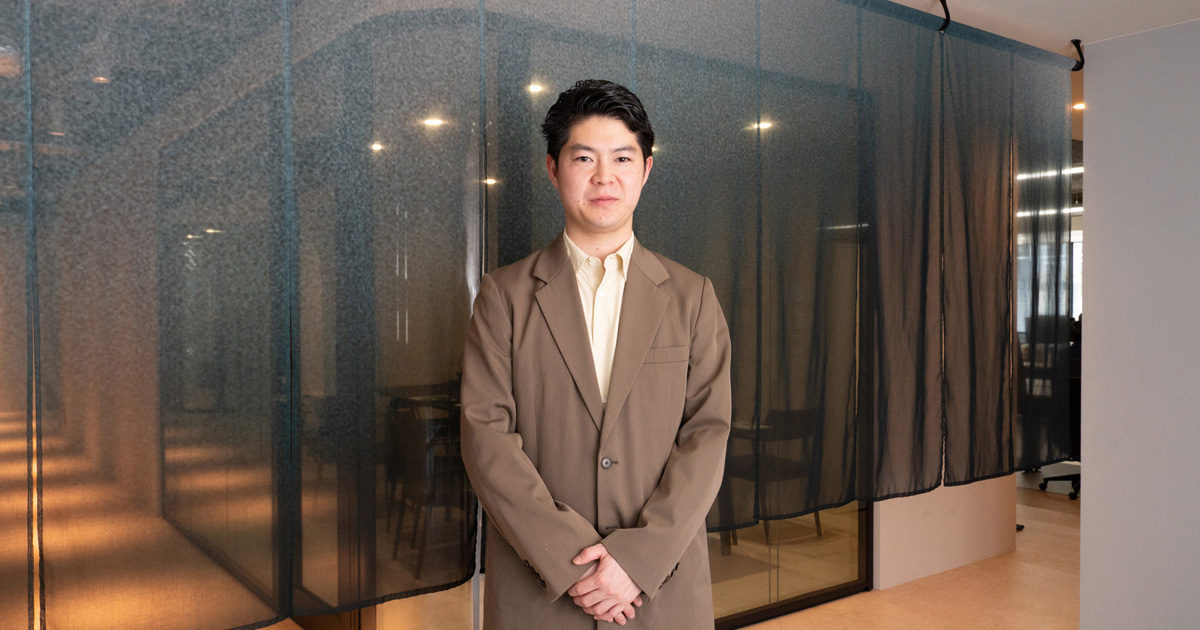
TeaRoom CEO Ryosuke Iwamoto and the rise of matcha as business
What happens when 抹茶 (matcha, powdered green tea) stops being treated only as a drink and starts being built like an industry? That’s the question hanging over TeaRoom CEO Ryosuke Iwamoto, who’s been pushing a view of matcha as something far bigger than café powder and sweet drinks.
TeaRoom isn’t just selling tea. It’s trying to shape how matcha is made, priced, circulated and understood, from farms to retail to global markets. For Japanese learners, this is a neat example of how a cultural word can gain an economic meaning, too. Matcha stays matcha, but the business around it changes fast. Sounds good, right?
Why Iwamoto Ryosuke wants a matcha industry
Fun fact: matcha already has a strong brand image overseas, yet much of the market still works in a fragmented way. Some producers focus on ceremonial-grade tea, others on food service and others on international demand, but the supply chain can still feel patchy. Iwamoto’s argument is that Japan needs a clearer industrial framework, not just more hype.
That’s why the phrase “matcha as an industrial concept” stands out. It sounds a little corporate, sure, but there’s a real idea behind it. If Japan can define standards, stabilise production and connect growers with users more intelligently, then matcha could become a serious export category, not just a trend that pops up in lattes and desserts. Classic Japan, isn’t it?

Compared to back home, where tea is often just a grocery item, Japanese tea culture still carries deep craft value. That cultural capital is exactly what TeaRoom seems to want to turn into long-term economic strength. My tip: if you’re studying Japanese, keep an eye on words like 再生 (saisei, revival) (revival), 仕組み (shikumi, system; framework) (system) and 企業化 (kigyoka, industrialization) (industrialization), because they show up all over business and policy writing. From my experience, that vocabulary opens doors.
2026 and the International Matcha Association
Before I forget: one of the most concrete points in this story is the planned founding of the International Matcha Association in 2026. That kind of move tells you this isn’t just about branding tea for tourists, it’s about building a platform with rules, members and international reach.
Here’s the catch: associations matter in Japan. They can set standards, connect companies and give a new market category real legitimacy. If this group comes together in 2026 as planned, it could help define what counts as matcha, how quality is discussed and how the product should be positioned overseas. For learners, that’s a great reminder that Japanese business culture often works through organised groups, not just individual entrepreneurs. Simply brilliant.
Unlike what we're used to in many Western markets, Japanese industries often lean on networks, trade bodies and legacy institutions. That means a group like the International Matcha Association would not be some side project. It could become a serious node in the tea economy, especially if it links producers, distributors and global buyers in one clear framework. Sounds good, right?
Urasenke, Nakagawa Masashichi Shoten, and tea culture as infrastructure
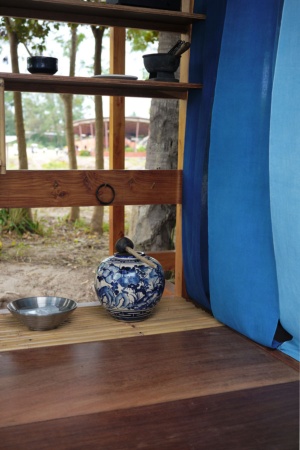
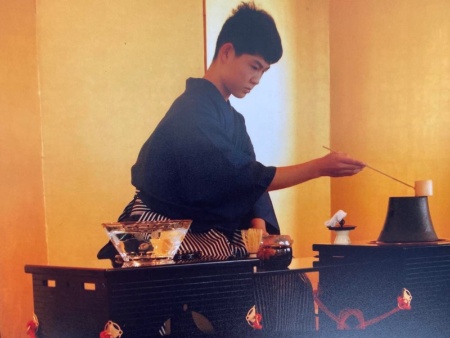
Speaking of which... TeaRoom’s story makes more sense when you place it next to Urasenke and Nakagawa Masashichi Shoten. Urasenke represents one of the major schools of 茶の湯 (chanoyu), the Japanese tea ceremony, where precision, hospitality and seasonal awareness are everything. Nakagawa Masashichi Shoten, on the other hand, is known for turning traditional craft and lifestyle goods into a modern, marketable business.
That pairing is revealing. One side gives cultural legitimacy, the other gives commercial know-how. TeaRoom seems to be working in that same space, where tea isn’t just heritage and not just sales, but a system that can be designed. For Japan fans, this is the sweet spot: old forms, new distribution. Insider tip: watch how often Japanese companies borrow from tradition, then rebuild it for present-day consumers. It happens all the time. From my experience...
Did you know that...? In Japanese business writing, this kind of bridge between 伝統 (dentou, tradition) (tradition) and shinka (evolution) is a recurring theme. Matcha fits perfectly, because it already carries ceremony, aesthetics and regional identity. The challenge is turning that cultural weight into something scalable without flattening it. That balance is hard, but when it works, it’s powerful. My verdict:

What matcha means for Japan learners and Japan fans
Guess what? This story is also useful if you’re learning Japanese. It gives you real-world context for words you’ll hear in news, business meetings and tea culture discussions. Terms like seisan (production), ryutsu (distribution), hyoujun (standard) and kaigai (overseas) suddenly feel less abstract when they’re attached to a live industry story.
What I especially like: this isn’t a simple “traditional Japan” story. It’s about how tradition gets organised, marketed and defended in a global economy. If TeaRoom and Iwamoto Ryosuke succeed, matcha may end up being talked about the way people talk about wine regions or craft chocolate, with categories, origin stories and pricing logic that go way beyond taste alone. Sounds good, right?
On a related note: this kind of business shift is exactly why Japan remains so interesting. A bowl of green tea can lead you to associations, tea schools, heritage companies and export strategy all in one article. That’s the magic of following Japan closely. You learn the language, but you also learn how ideas move through society. From my experience...
For more stories like this, read more Japan news on jpnerd.com.
In pictures
Frequently Asked Questions
Who is Ryosuke Iwamoto?
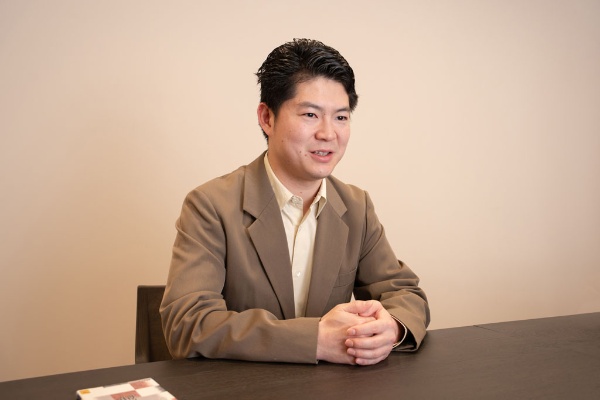
He is the CEO of TeaRoom, a company working to position matcha as a structured business category, not just a consumer drink.
What is the International Matcha Association?
It is a planned organisation set for 2026 that aims to support standards, coordination and global growth for matcha.
Why are Urasenke and Nakagawa Masashichi Shoten relevant?
They show the link between tea culture and modern business, one through tea ceremony tradition and the other through commercial craft branding.


