
Why 38 Tea Dealers Are Worried About the Matcha Market
No joke: getting 38 competing businesses to sign the same statement is almost unheard of in Japan's notoriously reserved business culture. The fact that it happened tells you just how serious the situation has become. The IMA, together with some of Japan's biggest names in tea trading, made their concerns public on 5 May 2026, and the tea world took notice immediately.
The reason is simple: global demand for 抹茶 (matcha, powdered green tea) has exploded over the past decade. From matcha lattes at Western coffee chains to matcha-flavoured everything in supermarkets from Seoul to São Paulo, the world can't get enough. Japan's tea-growing regions, especially 宇治 (Uji, Uji) in Kyoto Prefecture and 西尾 (Nishio, Nishio) in Aichi Prefecture, are struggling to keep up. When supply can't match demand, corners get cut.
The joint statement specifically flags concerns about market fairness. Smaller, traditional tea farmers are being squeezed out by large-scale buyers who prioritise volume over quality. Prices at the farm level don't always reflect what consumers pay at the other end of the chain. Sounds familiar, right? It's the same story we've seen in coffee and cacao markets worldwide. Classic Japan, isn't it, that the solution involves a formal, collective public statement rather than, say, a Twitter storm.
Matcha Quality Under Pressure
What Makes Genuine Matcha So Hard to Scale
Ever wondered why real matcha is so expensive compared to the green powder in those two-euro latte sachets? The difference comes down to a process called 碾茶 (tencha, tea leaves used for matcha) production. Tencha is the shade-grown, stem-removed leaf that gets stone-ground into matcha. The shading process alone, traditionally done with special covers called tana, takes weeks and dramatically increases labour costs. You simply can't rush it.
Compared to back home, where most tea is just bagged and sold, the matcha production chain involves far more specialised steps. Farmers shade the plants for roughly three to four weeks before the first harvest in May. After harvest, leaves are steamed, dried, and carefully sorted. Only then does the slow stone-grinding begin. A single stone mill can produce only around 40 grams of matcha per hour. That's not a typo.
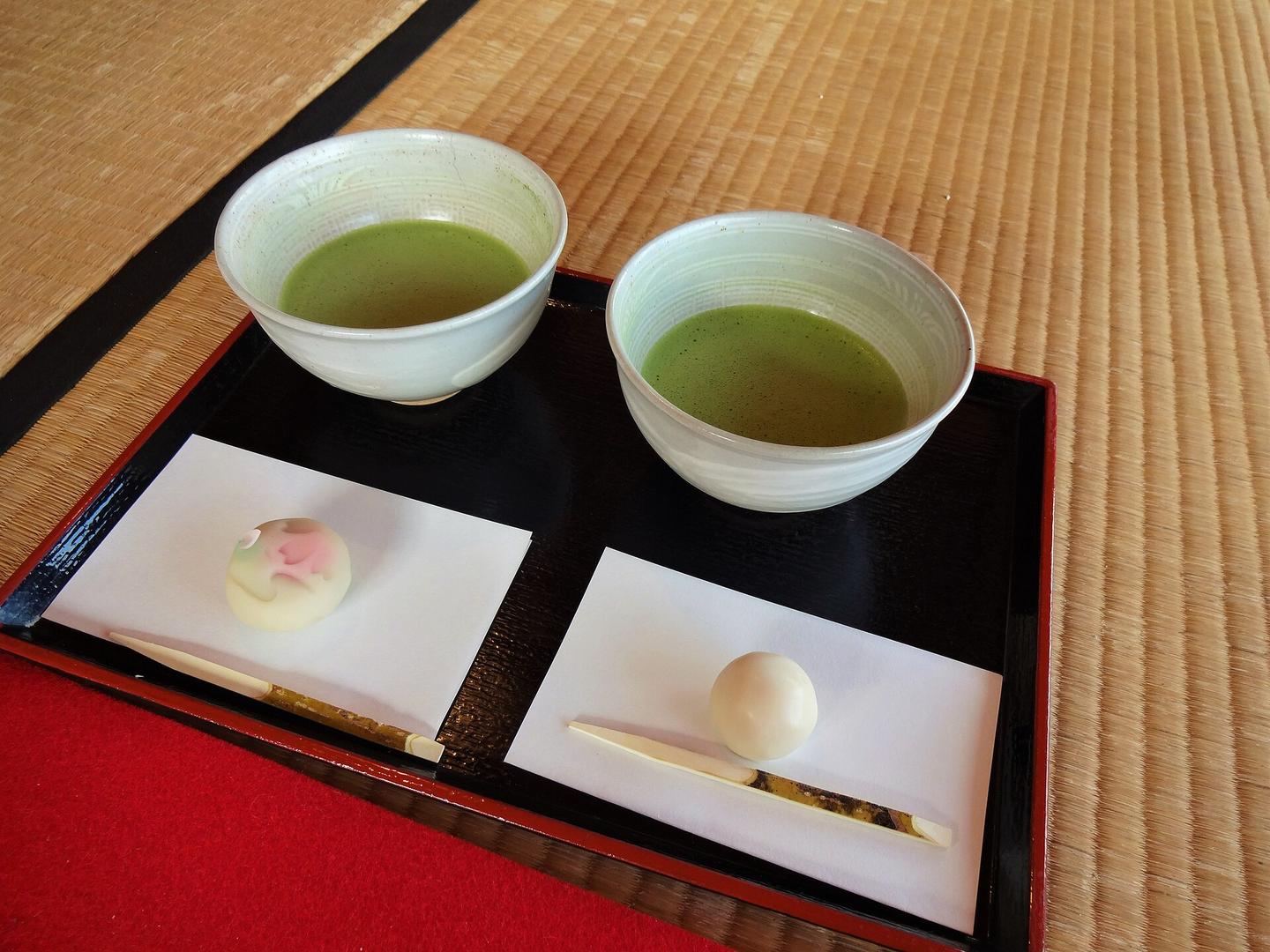
The IMA's statement draws a clear line between ceremonial-grade matcha, the kind used in chado (the Japanese tea ceremony), and high-quality culinary matcha on one side, and low-grade blended powders on the other. A lot of what's being marketed internationally as matcha doesn't meet the standards that Japanese producers consider acceptable. That brings us to one of the core demands in the statement: clearer labelling and stricter international standards for what can actually be called matcha.
Vocabulary Corner for Japanese Learners
Quick detour for anyone learning Japanese. The word matcha breaks down as ma (ground, rubbed) and cha (tea). The broader term for Japanese green tea is お茶 (ocha, tea), where the o is an honorific prefix you'll encounter constantly in Japanese. Tea culture vocabulary is actually a brilliant entry point into 敬語 (keigo, honorific speech), formal Japanese speech, since the tea ceremony world is deeply connected to polite language and ritual phrases. Knowing words like 茶会 (chakai, tea gathering) (tea gathering) or chashitsu (tea room) will genuinely impress anyone you meet at a tea event in Japan.
Sustainability: The Deeper Problem Nobody Wants to Talk About
Know that feeling when a trend you love starts showing cracks? That's where the matcha world is right now. The sustainability concerns raised in the May 2026 statement go beyond just farming practices. They include soil health in key growing regions, the impact of climate change on tea yields, and the very real risk of losing traditional cultivation knowledge as younger generations leave rural areas for cities.
Uji, Kyoto Prefecture's famous tea-growing district, has seen some of its most experienced tea masters retire without successors. Nishio in Aichi, which supplies a huge share of Japan's matcha for food manufacturing, faces similar demographic pressures. The IMA is pushing for investment in agricultural training programmes and better financial incentives to keep young people in tea farming. On the flip side, some producers are already experimenting with technology-assisted farming to reduce labour dependency without sacrificing quality. Whether that works long-term is still an open question.
My tip: if you're buying matcha outside Japan, look for products that list the specific growing region on the packaging. Uji matcha, Nishio matcha, and Yame matcha (from Fukuoka Prefecture) are three of the most respected origins. A product that just says 'Japanese matcha' without specifying where tells you very little about quality or how the farmers were treated.
What This Means for Japan Fans and Matcha Lovers
Did you know that Japan exports only a fraction of its total matcha production? The majority is consumed domestically, which means the export market is genuinely a bonus economy for producers. But as export demand grows, that balance is shifting, and domestic consumers are starting to feel the pinch in terms of availability and price for premium-grade products.
Here's the deal: the IMA's statement is essentially a line drawn in the sand. Either the international market accepts price points that reflect real production costs, or quality will inevitably decline as producers cut corners to survive. For Japan enthusiasts who visit the country and want to experience an authentic chakai, or who buy matcha to practice at home, this matters directly. What you pay shapes what survives.
Personally, I think the timing of the 5 May 2026 statement is no accident. May is harvest season in Japan's tea regions, the moment when the year's quality becomes clear and market negotiations for the season's prices intensify. Releasing a joint industry statement right at that moment sends a very deliberate message to buyers. See what I mean?
The matcha boom isn't going away. But how it develops from here, whether it lifts traditional producers or hollows out the industry, depends on choices made by everyone in the chain, including the consumers reaching for that matcha latte. More Japan news on jpnerd.com
Frequently Asked Questions
What did the IMA and the 38 tea dealers actually demand in their May 2026 statement?
The joint statement called for fairer pricing structures across the matcha supply chain, clearer international labelling standards to distinguish genuine high-quality matcha from lower-grade blends, and stronger support for sustainable farming practices in Japan's key tea-growing regions.
Why is high-quality matcha so much more expensive than cheaper green tea powders?
Genuine matcha requires shade-grown plants, careful hand-harvesting, slow stone-grinding, and strict sorting of leaves. A single stone mill produces only around 40 grams per hour. These labour-intensive steps make authentic matcha significantly more costly to produce than mass-market green tea powders.
How can I make sure the matcha I buy supports Japanese farmers fairly?
Look for matcha that lists a specific growing region such as Uji, Nishio, or Yame on the packaging. Products with transparent origin information and fair-trade or direct-trade certifications are more likely to reflect actual production costs and support the farmers behind them.


