Overview
Matcha in Japan is no longer a casual grab-and-go purchase in every shop. In 2026, several retailers introduced purchase caps to spread stock more fairly, and Saijoen announced limits of up to five units per order on some matcha products so that a few shoppers would not clear the shelf in one sweep. That kind of policy is not random bureaucracy; it is a direct response to demand outrunning supply, which is exactly the sort of imbalance that turns a familiar item into something rationed by polite notice and small print.
The core issue is simple. Matcha takes time. The shaded tea leaves used to make 碾茶 (tencha, tea leaves used to make matcha), then processed into the fine powder we know as matcha, require careful cultivation and a slow production chain. Demand, by contrast, has moved quickly: matcha lattes, confectionery, and food-brand products have pushed interest far beyond the tea room. If you are trying to buy it in Japan, understanding these limits is useful. If you are trying to learn the language around them, terms like 予約 (yoyaku, reservation; pre-order), meaning a reservation or pre-order, and 現金 (genkin, cash), meaning cash, are part of the practical vocabulary you will see in shops, along with 百貨店 (hyakka-ten, department store), the department store format where premium tea often turns up. The texture of place matters here too: a tiny tea counter in Kyoto is not the same as a broad retail floor in Tokyo, and the rules can feel very different from one to the next. More on that in a moment.
Why shops are limiting purchases
The immediate reason for purchase caps is fairness. When demand spikes, a shop can sell out to bulk buyers before ordinary customers even get a chance. Limits of one pack per person, or a maximum of five units per order, slow that process down and keep stock moving across more hands. That is the logic behind the strict sales policies documented on 2026-05-26, when some stores were already applying different quantity limits depending on the product.
The deeper reason is structural. Matcha is not made like instant powder. It comes from tencha leaves grown under shade, then harvested, steamed, dried, and ground with care. The process is labor-intensive and time-intensive, and there are only so many kilograms that can be produced without rushing the thing into mediocrity. Good matcha has always carried a cultural weight in Japan, especially around tea practice and the quiet authority of schools such as Urasenke, which helped define how the drink is prepared, served, and understood. That cultural seriousness now sits beside a very modern retail problem. Global demand has expanded, and supply has not kept up.
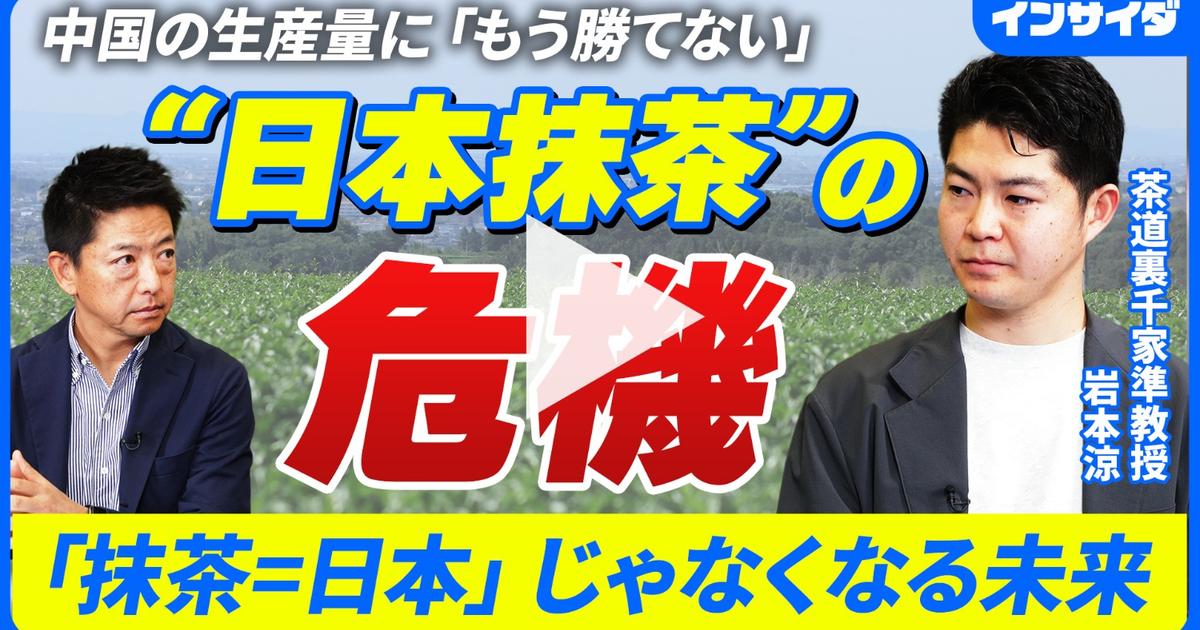
For a broader look at the market pressure behind this trend, see Matcha Supply Crisis: Why Japan’s Green Tea Is Running Short and the related reporting on limits at shop level. The situation is not glamorous. It is logistics, cultivation, and patience.
How purchase limits usually work in practice
Sales policies are not one-size-fits-all. A store may limit one item per person, cap the number of tins or bags per transaction, or restrict purchases only on high-demand products. The exact wording matters. One shop might allow five units of a daily-use blend while placing a tighter cap on ceremonial-grade powder. Another may apply a stricter rule only during a shortage window. That is why shoppers should read the sign rather than assume the rule from the display.
- Per-person limits are common when stock is especially tight.
- Per-order limits may be used when a shop wants to prevent bulk buying.
- Different limits can apply to different products in the same store.
- Some retailers shift rules over time as supply improves or demand changes.
If you are planning to buy matcha as a visitor, the practical move is to treat the first sign you see as the real one. Ask staff if the policy is unclear. Keep a spare purchase day in mind if you need more than one tin. And if the product you wanted is capped, do not assume every shop in the city is identical. Japan loves consistency in theory and local variation in practice. That tension is the whole business.
What kinds of matcha are most affected
Premium matcha tends to feel the squeeze first. The reason is obvious enough: quality grades linked to tea culture and particular production regions are in higher demand, and they are the products people most often seek for gifts, tea preparation, and social-media-ready lattes (which, yes, is how the modern market now behaves). Uji in Kyoto and Nishio in Aichi are especially associated with high-quality matcha, and that regional reputation adds another layer of pressure when supply tightens.
In shops, this often means that entry-level matcha and specialty ceremonial tins do not move in the same way. A basic kitchen-use powder may still be available while a more refined single-origin product is restricted. For buyers, that distinction matters. For shops, it is one way to keep the shelves from going from full to gone in a morning.
Where to look for matcha in Japan
If you want to experience matcha in Japan rather than just read about the shortage from afar, the obvious places are tea shops, department stores, and cafes that carry Japanese tea programs. Kyoto remains the classic stop for tea culture, especially in areas associated with Uji, while Aichi is closely tied to production history through Nishio. In larger cities, hyakka-ten often stock packaged matcha and tea utensils, and some specialty counters will post the most up-to-date sales rules right by the register.
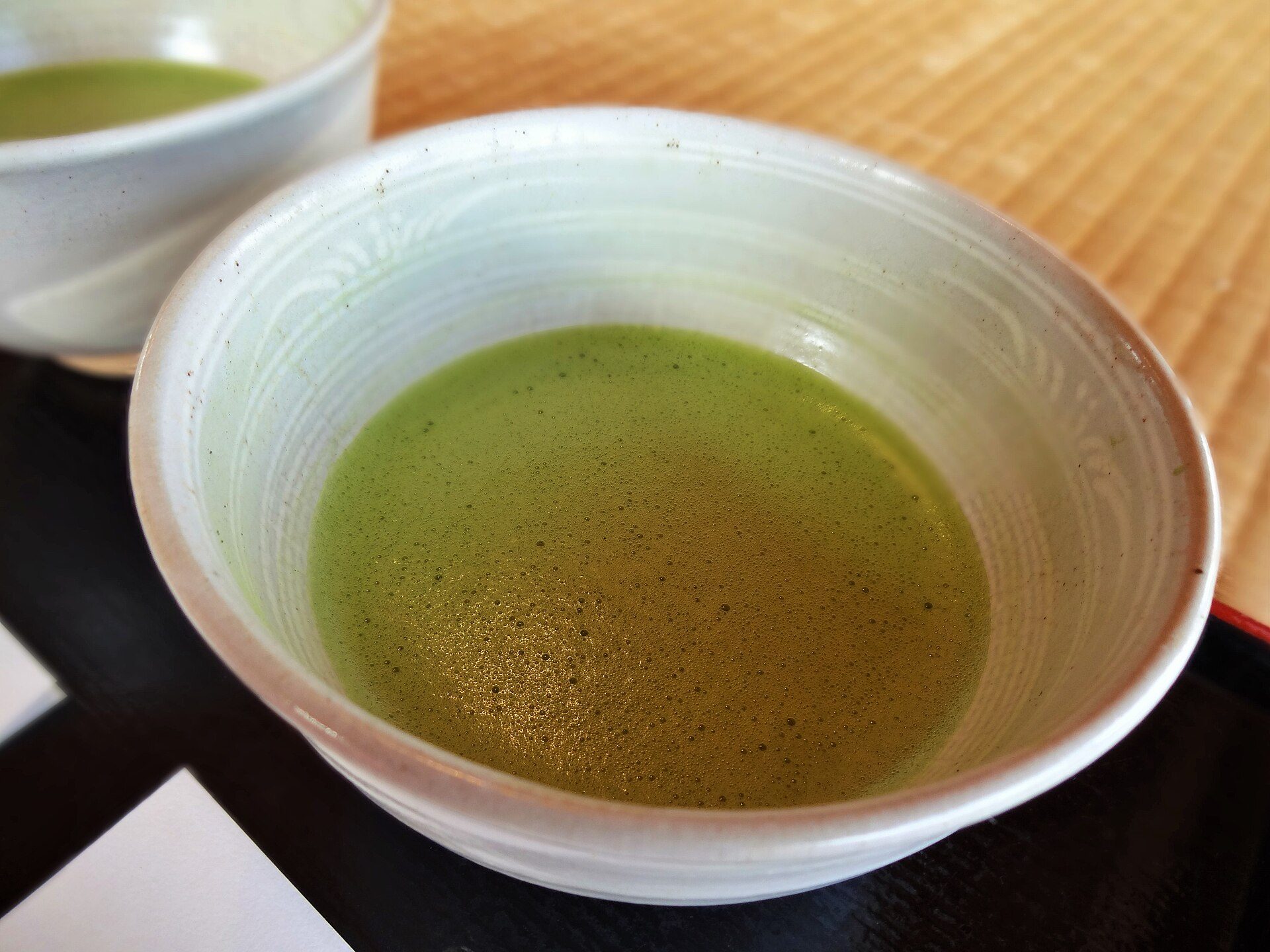
The more ceremonial side of matcha is still best understood through tea culture itself, where serving style, utensils, and preparation remain part of the point. If you are curious about the language of the label and the shelf tag, terms like 御縁 (go-en, good connection; auspicious relationship), the slightly lucky-sounding word for a good connection or proper occasion, often appear in gift-oriented packaging and tea-gift culture, though the real lesson is simpler: buy early, read the limits, and do not expect the shop to bend just because you arrived late in the day. The stock is the stock.
For readers following this from a broader consumer angle, there is also a practical question of how matcha is sold across Japan during tight supply periods. This is covered in more detail in Matcha-Knappheit in Japan: Verkauf und Limits and, in English, in Matcha Shortage: Why Saijoen Is Limiting Purchases and What It Means. Those reports show the same pattern from a slightly different angle: constrained supply, careful rationing, and a retail landscape trying to stay fair.
Why this matters beyond one product
Matcha is not just another green powder. It sits at the intersection of regional identity, tea ritual, food trends, and export demand. When it becomes scarce, you see how modern Japanese retail works under pressure: stores use limits, customers adjust expectations, and culturally important goods are treated with a kind of quiet discipline. That discipline is not romantic. It is operational. Still, it says something about what Japan protects when a product becomes popular faster than the system can comfortably support.
For readers who want to understand the word itself and the surrounding language, a quick study note helps. Matcha kanji, or the written form of the term, and related shopping terms are useful if you are reading signs, receipts, or product descriptions in Japan. If your interest is language-learning as much as consumption, that is a neat overlap. Us dorks like that sort of thing. The shelf label becomes a lesson.
Frequently Asked Questions
Why are matcha shops in Japan limiting purchases?
Shops are limiting purchases because strong demand has outpaced supply. The caps are meant to keep stock from being cleared by a few buyers and to distribute products more fairly.
How many matcha items can I usually buy?
It depends on the shop and the product. Saijoen announced limits of up to five units per order on some items, while other stores have enforced stricter rules, including one pack per person for certain products.
Which matcha products are most affected by shortages?
Premium and highly sought-after products are often affected first. Matcha linked to tea culture and regions such as Uji in Kyoto and Nishio in Aichi is especially in demand.
Where can I buy matcha in Japan?
You can look in specialty tea shops, department stores, and cafes that sell Japanese tea products. Kyoto and Aichi are especially relevant for matcha culture and production.
What makes matcha supply so hard to increase quickly?
Matcha production depends on shaded tencha leaves and a slow, labor-intensive process. That makes supply harder to expand quickly than demand from cafes, lattes, and flavored products.