
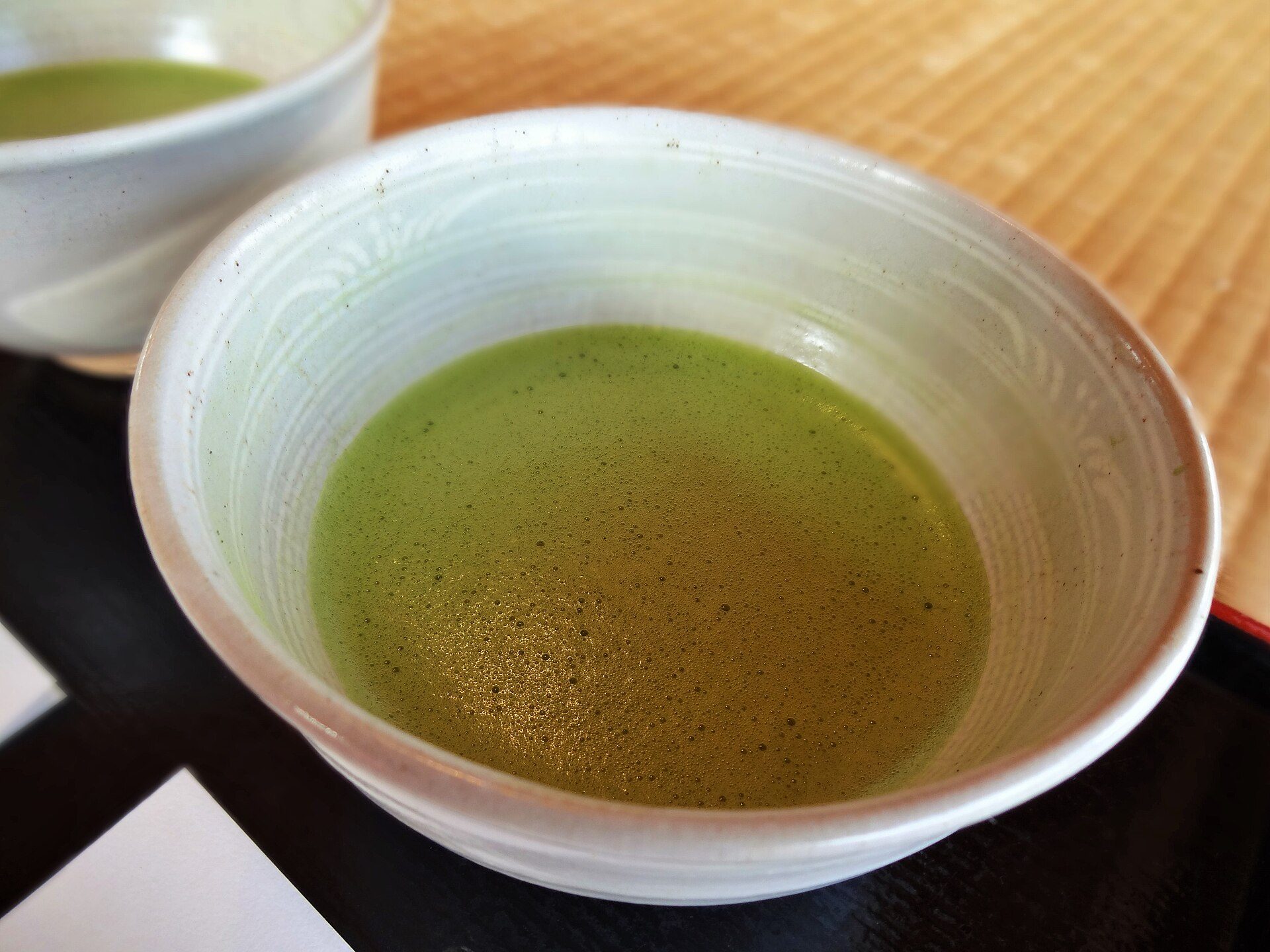
Saijoen matcha purchase limits: what changed
Did you see the announcement? Saijoen, a well-known Japanese tea retailer, posted a notice that some matcha items are now limited to a maximum of five units per order. No wonder, because the store says the change aims to let more customers buy popular items rather than letting a few shoppers buy out stock. Saijoen announcement gives the exact figure, five items, and lists the affected products. Convinced yet?
Why shops set purchase limits on matcha
Here's the deal: retailers use buying caps when demand outstrips supply, especially for a product tied to seasons and terroir. For example, high-grade 抹茶 often comes from concentrated regions like 宇治 (Uji) in Kyoto and Nishio in Aichi. The reason is simple: when rare batches or limited harvests appear, stores try to share stock fairly. Wait, there's more.
Demand drivers: not just tourists
Unlike what we're used to thinking, it's not only foreign tourists or souvenir shoppers creating pressure. Domestic cafe culture, seasonal confections, and online export orders all spike interest in premium powdered tea. No exaggeration: matcha-flavoured desserts at chain cafes and matcha kits sold by influencers increase the appetite for the best grades. From my experience, when a single popular cafe starts a matcha latte campaign, suppliers feel it within weeks. Convinced yet?
Supply factors: harvests and product types
What I especially like is that Saijoen clearly separates which matcha grades are limited, prioritising fairness for daily consumers. The harvest cycle matters because ceremonial-grade 抹茶 tends to come from the first flush of leaves, resulting in a small yield per year. The best part is that by limiting per-order quantities to five, shops can prevent bulk resellers from clearing shelves. My tip? Check product pages often if you collect specific batches. From my experience...
How this affects shoppers and learners
Question: are you a Japanese learner who uses matcha as a study motivator? Good news, you can still buy small amounts to practice rituals and vocabulary. Here's the kicker: buying less encourages you to learn proper terms like 茶道 (the tea ceremony) and how to treat powdered tea with respect. The first time I went to Japan, I brought home tiny tins of premium 抹茶 as gifts, and that made my language exchanges richer. Not bad, right?
Practical tips for buying during limits
Addressing shoppers directly, plan ahead. If a shop caps orders at five units, split purchases across different product SKUs or shop at multiple trusted retailers. The reason is simple: staggered orders and alert subscriptions help you secure seasonal releases. My tip? Sign up for stock alerts and follow official store social feeds for restock windows. For example, check the Saijoen notice page frequently and set browser alerts. Convinced yet?
What the limit says about the matcha boom
Anecdote: I once watched a long queue form at a small Kyoto tea shop the day a limited blend was released. That scene captures a wider trend. No wonder, because matcha is no longer just a tea for ceremonies; it's a global flavour trend and a domestic lifestyle staple. Here's the deal: when a product becomes both a local tradition and an international commodity, retailers must adjust policies quickly. Wait, there's more.
Language and culture connections
Fact: learning the right vocabulary helps you navigate buys and conversations at Japanese shops. Let me show you why learning words like 抹茶 and お土産 can make a difference when asking staff about limits, availability, or brewing instructions. My tip? Practice phrases for asking quantity limits and restock dates at real shops. From my experience...
Here's the kicker: shopping limits reveal a lot about consumer trends. They show which flavours and grades are prized and how retailers try to balance fairness with profitability. No exaggeration: a simple five-item rule tells a much bigger story about demand, culture, and commerce in Japan. Convinced yet?
Frequently Asked Questions
Why did Saijoen limit matcha purchases?
Short answer: to let more customers buy popular matcha products when stock is limited.
How many items can I buy per order?
Short answer: Saijoen set a maximum of five units per order for the affected products.
Will the limits affect all matcha grades?
Short answer: No, typically limits apply only to specific products or batches that are in short supply.


