
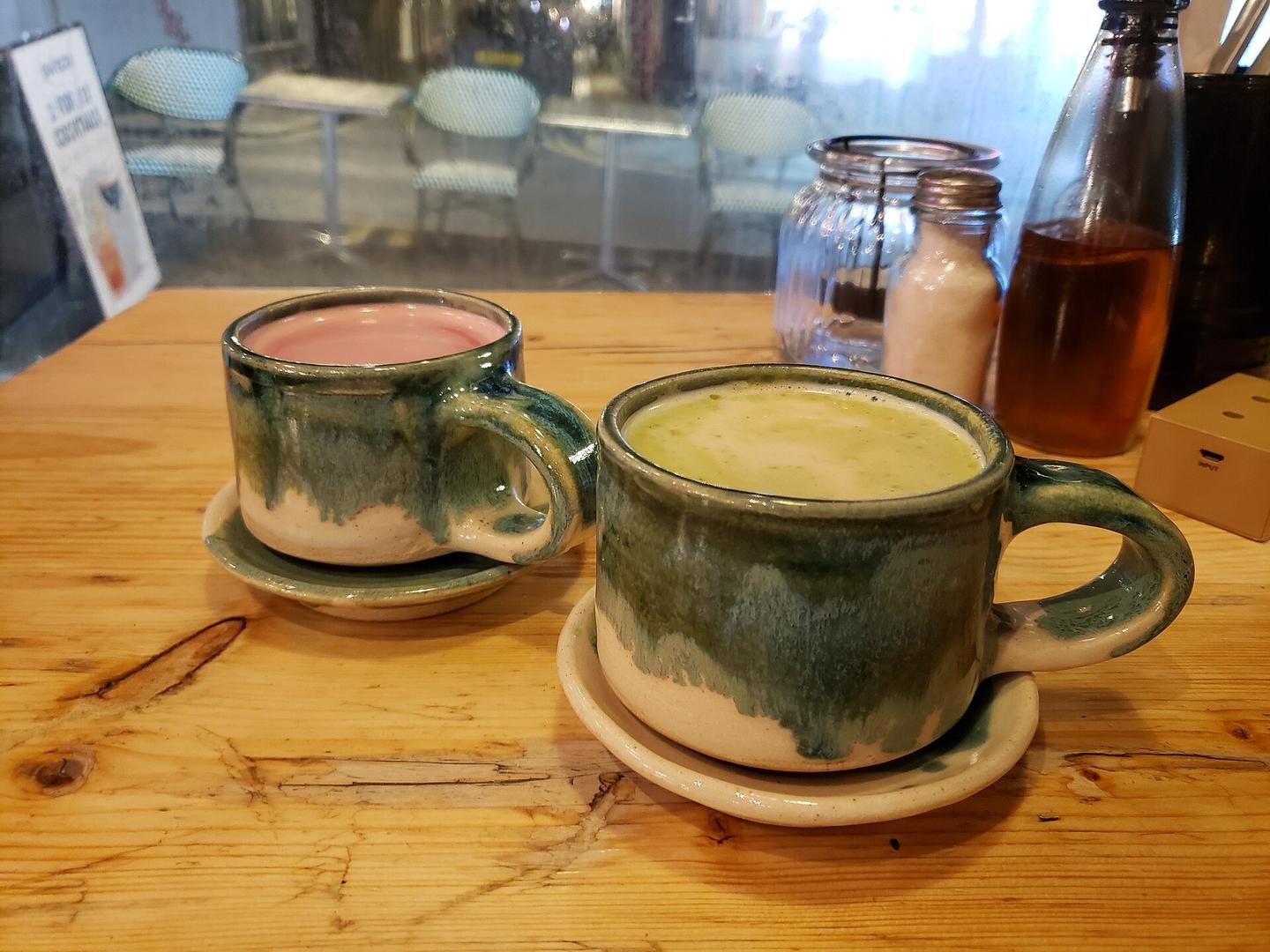
Seriously though: this isn’t just about one trendy tea. It’s about how Japanese shops handle scarcity, how buyers react, and what “limited sale” actually means on the ground.
Matcha shortages in Japan are turning into real sales limits
What most people don't know is that 抹茶 (Matcha, powdered green tea) sales policy in Japan can change fast when supply gets tight. The document published on 26 May 2026 by shop-matcha.jp lays out a clear purchase limit, which is exactly the kind of detail that tells you the shortage is real, not just social media hype.
Hand on heart, this is the part I find most interesting. Japan doesn’t usually handle scarcity with loud announcements or messy shelf battles; it often shows up as calm, precise rules, and that says a lot about how retail works here.
In this case, the shop’s policy was simple enough to understand, but strict enough to matter. Customers were told that certain matcha products would be limited, which means you can’t just buy as much as you want in one go.
My tip: when a Japanese shop posts a limit, read it carefully, because the exact wording often tells you whether it’s a temporary control, a per-order cap, or a broader supply issue. From my experience, that small distinction can make a big difference.
How Japanese sales rules work when a product gets scarce
Here's the thing: Japanese sales rules are often designed to protect fairness first. If a product is in short supply, stores may cap the number of units per customer, per day, or per order, so stock doesn't vanish in one minute.
That might sound strict, but it’s very normal in Japan. You’ll see this approach with seasonal snacks, limited-edition sweets, and cosmetics too, especially when demand spikes through tourism, social media, or export interest.
Why shops use purchase limits
Picture this: a popular matcha brand gets attention abroad, then local buyers, tourists, and online resellers all want the same tin. Without limits, the product can disappear instantly, and regular customers get shut out.
That’s why shops often add rules like one item per person, one order per household, or no bulk buying. It’s not just about being strict; it’s about keeping the line moving and making sure the product reaches actual tea drinkers.
What many overlook: these limits also protect the store’s reputation. If people feel a product is being hoarded or flipped for resale, trust drops fast, and Japanese retailers care a lot about that kind of balance. But that's not all.
What the 26 May 2026 matcha notice tells us
No joke: the 26 May 2026 notice is a strong example of how a shortage becomes visible through policy. Instead of vague talk about “higher demand,” the shop gave customers an actual rule set, and that’s the real signal here.
A great example: a matcha sale notice like this usually means one or more of three things, limited harvest volume, uneven milling capacity, or stock pressure from both domestic and overseas demand. Matcha isn’t like ordinary tea bags, either, because fine 碾茶 (tencha, tea leaves used for matcha) leaves have to be processed into powder, and that takes specialised production.
Speaking of which, matcha production can’t simply be scaled up overnight. The tea plants, harvest timing, shading process, and stone milling all affect supply, so when demand jumps, the bottleneck can be very real.
Japan fans often notice this first when prices rise or when favourite brands start posting “limited quantity” notices. If you’ve ever watched Japanese shopping culture closely, you’ll know that these messages are rarely casual; they’re usually a practical response to pressure on stock. Sounds odd, but it's true.
Matcha shopping tips for Japan fans and language learners
Here's the kicker: this is also a great little lesson in Japanese language and daily culture. Words like 数限定 (kazu gentei, quantity limit) (quantity limit), 一人一点 (ichi nin ichi ten, one item per person) (one person, one item), and 販売制限 (hanbai seigen, sales restriction) (sales restriction) show up all the time in notices like this.
If you’re learning Japanese, these are the kinds of real-world phrases worth memorising, because they’re practical, clear, and everywhere in store announcements. They also teach you how Japanese retail communicates politely but firmly, which is a skill in itself.
What I especially like is that these notices are short, but they carry a lot of cultural information. They tell you that fairness matters, that supply chains are taken seriously, and that consumers are expected to follow the rules without drama.
Insider tip: if you’re planning to buy matcha in Japan, check the shop’s official news page before heading out, especially for speciality stores and online shops. That small habit can save you a wasted trip, and it’s one of those travel habits that really pays off. My verdict:
Matcha shortages aren’t just a tea story, they’re a snapshot of how Japan manages demand, quality, and fairness at the same time. For Japan enthusiasts, that makes this more than a shopping update; it’s a neat window into everyday retail culture. That’s why paying attention to these little notices can teach you a lot about Japan beyond the cup.
Frequently Asked Questions
Why are matcha limits appearing in Japan?
They usually appear when supply is tight and stores want to prevent bulk buying or resale.
Are purchase limits common in Japanese shops?
Yes, especially for high-demand food, seasonal products, and limited-edition items.
Does this mean matcha is unavailable everywhere?
No, but certain products may be sold out or restricted at specific stores.


