Overview
Okay, so. Somewhere between a scrappy Tokyo studio's monster-catching survival game blowing up to tens of millions of players and Nintendo's legal department deciding enough was enough, we ended up here: an honest-to-god patent lawsuit, filed in Japan, over whether Palworld crossed a line that Pokemon has spent decades quietly defending. Let's talk about why this is still one of the messiest, most fascinating stories in Japanese gaming right now, and why the actual stakes are weirdly smaller than the internet wants them to be.
This is the page I keep sending people back to whenever the topic resurfaces, so consider it the one-stop rundown: what Palworld actually is, what Nintendo is suing over, what the money side really looks like, and where this leaves the whole monster-tamer genre going forward.
Palworld's Wild Rise: Release, Platforms, and Player Numbers
Pocketpair, a small but genuinely punchy Tokyo-based studio, put Palworld into Early Access on PC via Steam on January 19, 2024, with an Xbox release following not long after. And it did not do the thing small survival games are supposed to do, which is exist quietly for a few months while a niche community figures out if it's good. It exploded. By February 2024, Pocketpair was reporting 25 million players across platforms, roughly 15 million of those on Steam alone and about 10 million more on Xbox. For a genre-blend indie project, that is an absolutely unhinged number, and it is exactly why Nintendo's lawyers started paying attention.
- Launched into Early Access on PC (Steam), January 19, 2024
- Xbox release followed shortly after
- 25 million total players by February 2024
- 15 million on Steam, roughly 10 million on Xbox
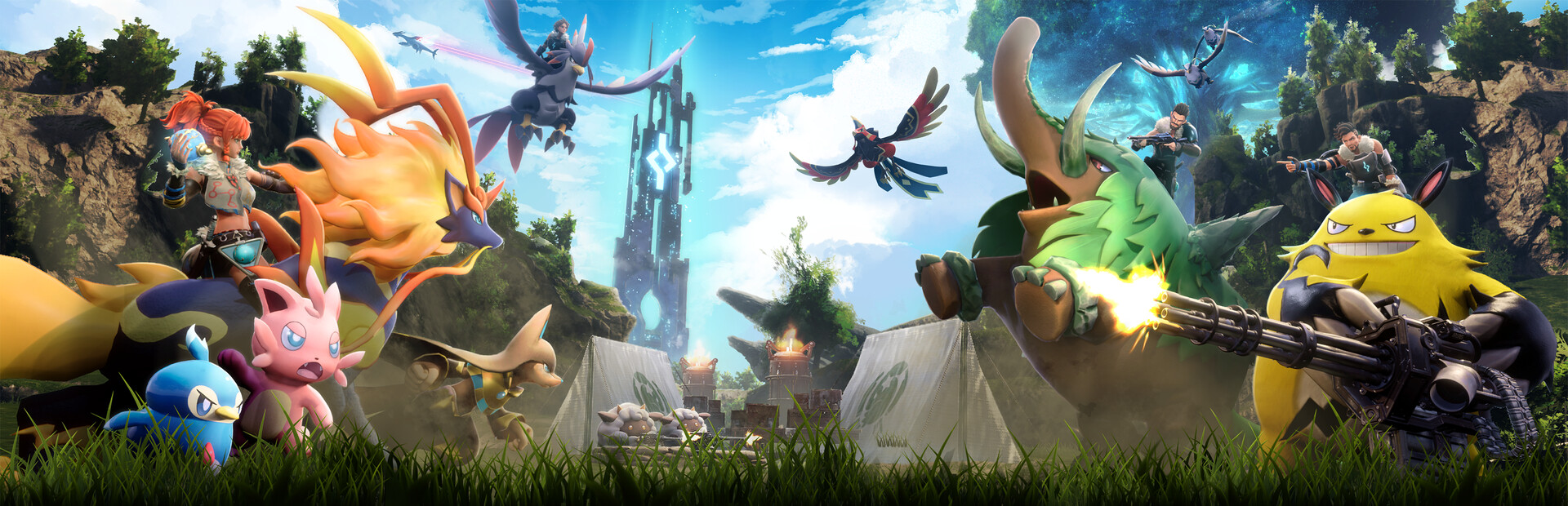
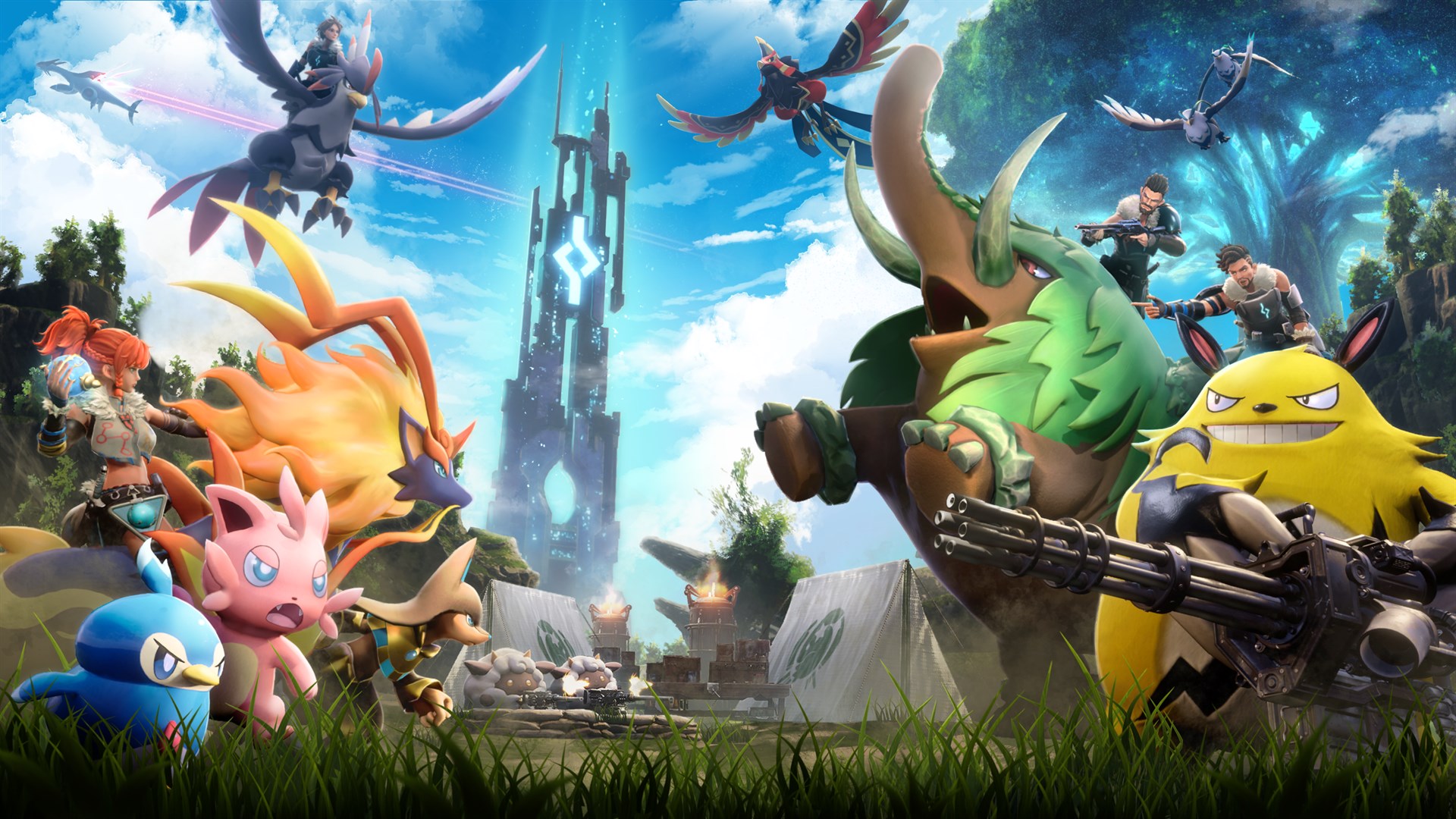
Mechanically, Palworld mashes together survival crafting, base-building, and monster capturing, then bolts co-op action on top of it. You catch creatures (Pals), you put them to work on your base, you fight, you build, you repeat, and the whole loop is dressed in a visual language that a lot of players immediately clocked as "familiar." That familiarity is, bluntly, the entire reason we're talking about a lawsuit instead of just a fun co-op game.
Inside the Nintendo vs. Palworld Patent Dispute
Here's the thing people get wrong constantly: Nintendo is not suing Pocketpair because Palworld's monsters look a little bit like Pokemon. That's a vibes argument, and vibes don't hold up in a Japanese courtroom. What Nintendo actually filed is a formal patent lawsuit, litigated in Tokyo rather than in the US, targeting specific, technically patentable game mechanics tied to how monster-capturing works under the hood, things like the exact method by which a Pal or Pokemon gets thrown, captured, or triggers gameplay events out in the field. It's narrower and, honestly, smarter than "you copied our vibe." Patents protect functional inventions, not general concepts, so Nintendo built its case around the parts of Palworld's design that are provable as mechanical overlap rather than just aesthetic resemblance.
And look, this isn't Nintendo suddenly getting litigious out of nowhere. This is a company with a genuinely long, disciplined history of going after anything that touches its IP, from ROM sites to fan projects to, now, a competitor that got a little too close to the source code of its own genre. I will die on this hill: Nintendo protecting Pokemon this aggressively is completely in character, even if it feels like punching down at a studio that's a fraction of its size.
The Ridiculously Small Number Everyone's Talking About
And here's where it gets interesting. Nintendo's own 2026 financial disclosures flagged notable litigation losses tied directly to the ongoing Palworld case, reported by GameRant in May 2026, which tells you this fight is costing real money on Nintendo's side just to keep pursuing it. Meanwhile, and this is genuinely the funniest part of the whole saga, IGN reported in June 2026 that if Nintendo actually wins, the compensation on the table could land around 30,000 US dollars. That figure is still being reported rather than confirmed as a final award, since the case is ongoing, but even as a ballpark it's almost comedically small next to the scale of speculation this dispute generated online. People were out here predicting studio-ending, Pocketpair-bankrupting numbers. The figure being floated wouldn't cover a decent chunk of a AAA marketing budget.
So why fight at all if the payout is that small? Because for Nintendo this was never really about the money. It's about precedent. Winning on even one narrow mechanical patent sets a legal marker that says "we will chase this, no matter how small the check at the end is," and that marker is worth infinitely more to Nintendo than thirty grand.
Why the Genre Itself Is on Trial
The bit where this stops being just a Nintendo-versus-Pocketpair story is the part I find genuinely fascinating: the whole "monster capture" genre has been quietly borrowing DNA from Pokemon since basically the moment Pokemon existed, and this lawsuit is the first time that borrowing has been tested this directly in a Japanese court. Where does inspiration end and infringement begin? That question has been floating around the industry for years, and Nintendo just forced everyone to actually answer it with lawyers instead of forum arguments.
Related Titles: Pokemon, Craftopia, and the Monster-Tamer Family Tree
If you're new to this whole saga, it helps to know the family tree. Pokemon is obviously the genre's origin point and the thing every capture mechanic gets measured against, whether that's fair or not. Pocketpair's own earlier game, Craftopia, was already blending survival and creature mechanics before Palworld took the formula and made it a phenomenon. And beyond this specific fight, the broader monster-collecting space includes plenty of titles navigating the same "how close is too close" tension.
- Pokemon, the genre-defining original
- Craftopia, Pocketpair's earlier survival-crafting project
- Digimon, a long-running rival franchise with its own capture mechanics
- Yo-kai Watch, another major monster-collecting series
- Temtem, an indie MMO built explicitly in the same space
A Few Japanese Terms Worth Knowing
Since we're on a site that likes sneaking a little language learning into the fandom stuff, here's some vocabulary worth picking up if you're following the case in Japanese coverage. 特許 (Tokkyo, patent) means patent, the legal concept at the center of everything here. 訴訟 (Soshou, lawsuit) is lawsuit, the broader word for the legal action itself. 侵害 (Shingai, infringement) means infringement, as in what Nintendo is alleging happened. And 裁判所 (saibansho, court) is the word for court, specifically the kind of institution now hosting this whole mess in Tokyo. Even if you never read the actual filings, knowing these terms makes Japanese gaming news around this case a lot less intimidating.
Where to Play Palworld
None of this legal drama has taken Palworld off shelves, so if you want to actually play the thing everyone's arguing about, it's still very available. On PC, it's on Steam, where the bulk of that 15 million player count lives. On Xbox, it's playable both as a standalone purchase and through Xbox Game Pass, which is a big part of how it hit 10 million players on that platform so fast. Wherever you land, you're getting the same survival-crafting-and-catching loop that started this entire fight, so honestly, it's worth forming your own opinion on the similarities instead of just absorbing everyone else's hot takes.