
I’ll be honest, when I first saw the scale of Palworld’s success, I thought Nintendo would come down on it hard and fast. But the latest reporting suggests the legal ground may be less solid than many people assumed, which makes this dispute even more interesting.
![Dragon Ball Z: Kakarot [Master Edition]](https://s.pacn.ws/1/p/1eh/dragon-ball-z-kakarot-master-edition-908785.1.jpg?v=t8ja8t&width=400)


Here’s the thing: the Nintendo vs Palworld fight is no longer just a gamer-news sideshow, it’s turning into a case study in how Japanese companies defend their intellectual property. And if you care about Japan’s game industry, or just want to understand why a single patent can become a business weapon, this is worth your time.
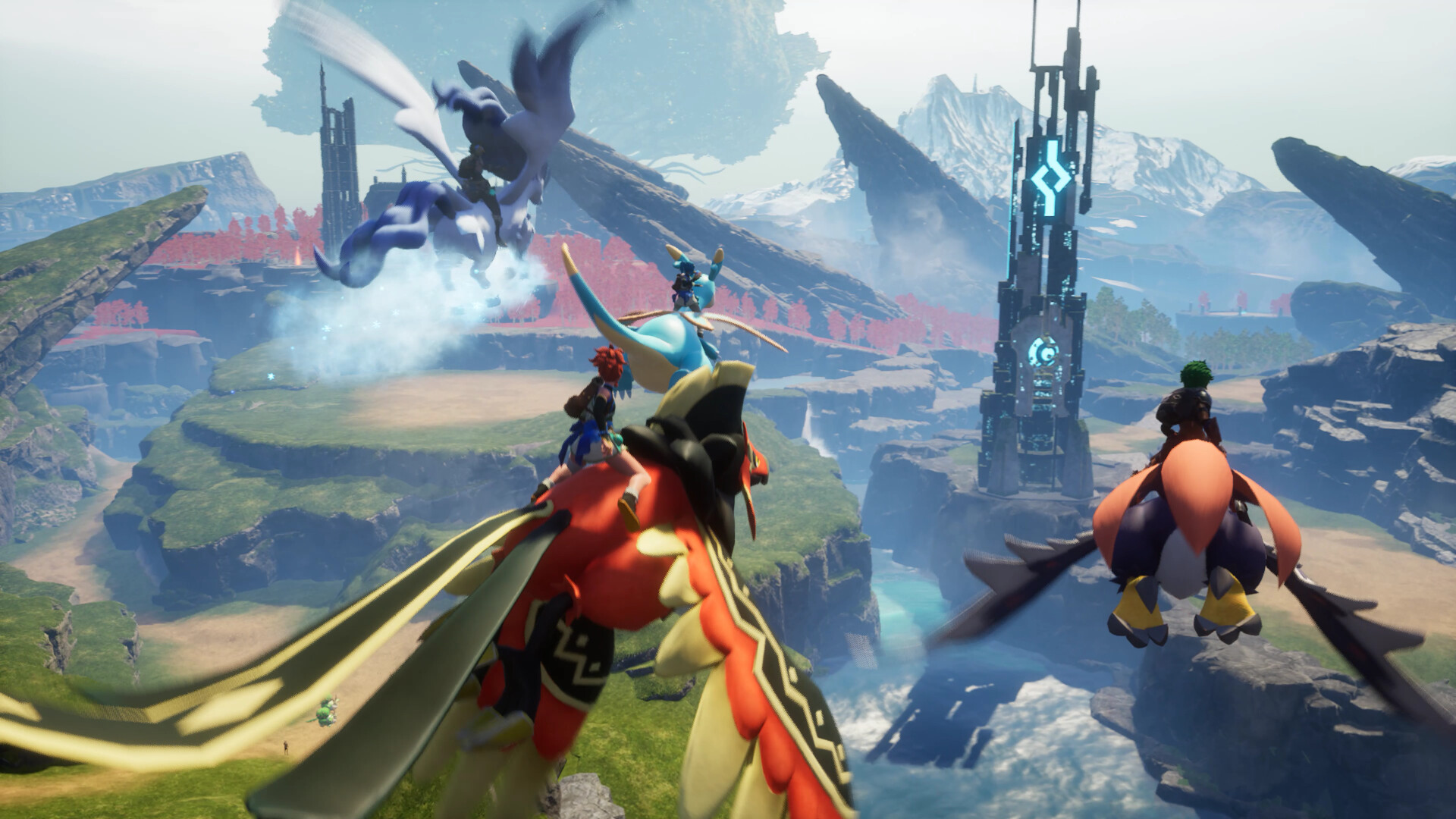
Palworld, made by the Japanese studio Pocketpair, exploded after its January 2024 early-access launch on Steam and Xbox. The game sold millions of copies in a shockingly short time, and the internet promptly did what the internet always does, which is to call it “Pokemon with guns” and then argue about that description for weeks. Nintendo and The Pokemon Company then moved against it in Japan, not with a copyright claim, but with a patent lawsuit tied to gameplay systems. That choice matters a lot.
Before I forget, this is not just about one monster-catching survival game. It’s about how Japanese firms use patents, how courts treat them, and whether a giant like Nintendo can keep control over design ideas that sit in a grey zone between inspiration and imitation. Sounds boring on paper, I know, but in practice it’s the sort of legal chess match that can shape game development for years.
Nintendo vs Palworld: why this case got so big
No joke: the size of Palworld is the first reason this case matters. Pocketpair wasn’t some tiny hobby studio making a weird little clone, it built a mega-hit that pulled in more than 25 million players across PC and Xbox within months, according to the company’s own announcements. That kind of success brings scrutiny, and in Japan, scrutiny from Nintendo is never a casual thing.
Nintendo has spent decades building a reputation for careful brand control. Think of the company’s long memory, from Super Mario Bros. in 1985 to The Legend of Zelda and Pokemon, and you can see why it reacts sharply when it thinks another company is circling its core ideas. The company is famous for treating its characters and systems as precious assets, almost like cultural property. In a way, that’s very Japanese, and very understandable.
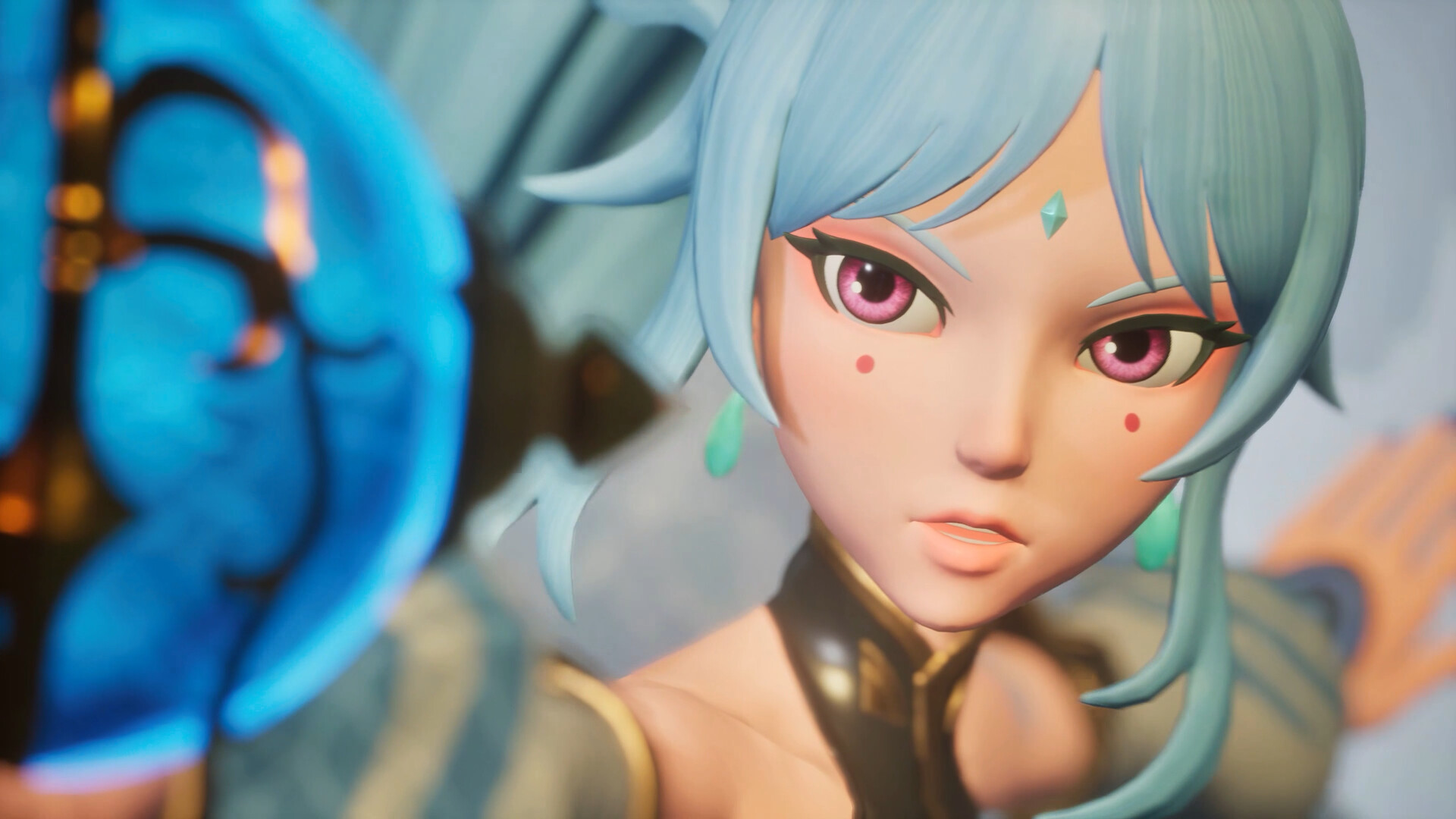
What many overlook is that Nintendo didn’t initially frame this as a simple “they copied our creatures” drama. Instead, the legal action in Japan centres on patents related to game mechanics, the sort of things players rarely think about when they’re busy throwing a ball at a monster. That makes the dispute much more technical, and potentially much more fragile. Patent cases live and die on specifics, and specifics are where broad fan outrage tends to fall apart.
Why the patent route is unusual
Take Nintendo, for instance. It has a history of protecting its IP aggressively, but it usually does so with a mix of copyright, trademarks, and licensing pressure. Patents are a sharper, riskier blade. If you pick the wrong one, or if the relevant prior art is too obvious, the whole argument starts wobbling.
That’s why PC Gamer’s reporting on the case caught my eye. The outlet PC Gamer pointed out that the legal fight may be weaker than it looked at first, and that even if Nintendo wins, the monetary result may be modest, around USD 30,000 in the scenario discussed. Now, that would be pocket change for Nintendo, a company that made over JPY 1 trillion in net sales in fiscal 2024, but money isn’t really the point here. Control is.
And control is exactly what Japanese patent strategy often seeks. A lawsuit can discourage copycats, chill imitators, and send a signal to the market, even if the direct damages are small. This is where the case stops being about cash and starts being about policy, precedent, and corporate intimidation, all wrapped in a cute monster suit. Sounds weird, but it's true.
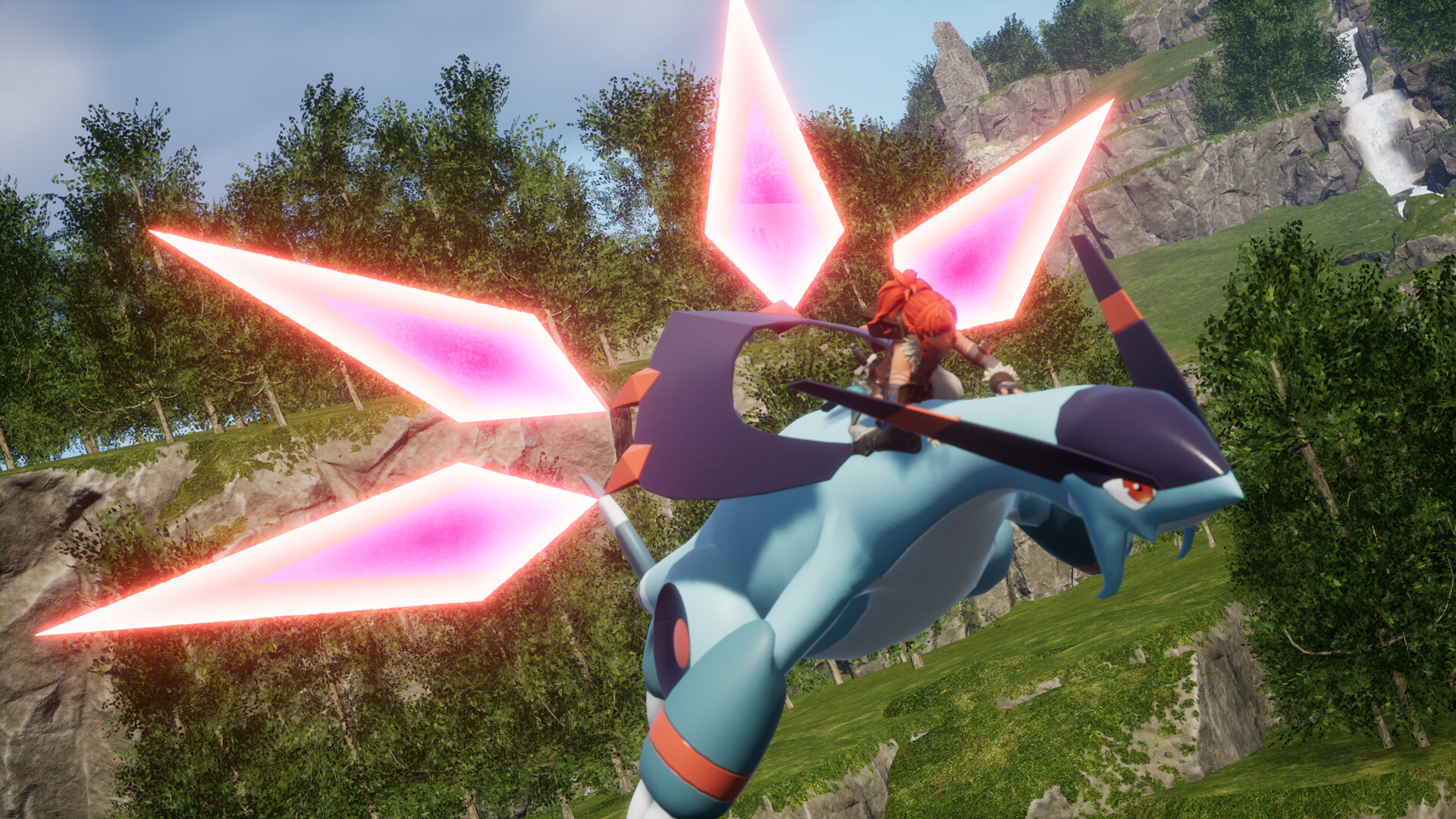
Basically, Nintendo may not need a giant damages award to “win” in the public-relations sense. It just needs enough legal leverage to make other studios think twice. But if the patent argument is shaky, that leverage gets weaker, and suddenly the empire looks a little less invincible.
Patent strategy, Japanese law, and the game industry
Let me show you why this matters for Japan more broadly. Japanese companies have long been careful, sometimes almost obsessive, about protecting IP, because the domestic market rewards polish, consistency, and strong brand identity. When a firm like Nintendo feels threatened, it doesn’t usually bluff in a sloppy way, it reaches for the cleanest legal mechanism it can find.
Here’s the thing: patents are not the same as copyright. Copyright protects expression, while patents protect technical inventions or methods. In game law, that line gets messy fast, because so many gameplay systems are just combinations of familiar ideas. Capture mechanics, inventory management, stamina bars, base-building, gliding, all of these are old ingredients. The question is whether Nintendo’s specific claims are truly inventive, or whether they are trying to patent the shape of a genre.
That’s where the “wobbling” legal situation reported by PC Gamer becomes important. If the challenged patents were granted recently, or if they depend on narrow wording, Pocketpair may have room to argue that the mechanics were already obvious or previously used. In Japan, as elsewhere, patent validity is a real battlefield. A patent can look powerful right up until a court starts reading the fine print, and then, suddenly, it isn’t.

What I especially like, as a Japan watcher and a nerd who has spent too much time around game company drama, is that this case reveals a very Japanese tension: innovation versus preservation. Japan’s biggest firms are often admired for refinement, but that same instinct can become defensive when the market shifts too quickly. The country has been trying for years to revive parts of its sluggish growth story through content exports, and games are a huge part of that. Nintendo’s legal posture, then, is not just about one title, it’s about the boundaries of a national success model.
What this could mean for Japan gaming culture
Unlike what we're used to in some Western startup scenes, Japanese firms rarely treat IP as a throwaway issue. They treat it as corporate architecture. If Nintendo successfully forces a narrower space around familiar gameplay ideas, smaller Japanese developers may become even more cautious about experimental mechanics that resemble hit franchises.
But there’s another side to it. If the case weakens, or if the patent strategy looks overreaching, that could embolden developers to take more risks. And honestly, Japan could use a bit more of that. I’m not saying everyone should start making chaos goblins with rifles, but I am saying that an overly rigid IP climate can freeze creativity into a tidy, stagnant museum display.
Speaking of which, there’s a cultural parallel here that I think matters. In Japan, the best creative industries often balance respect and reinvention, like taking a traditional ryokan aesthetic and updating it without losing its soul. The same principle applies to games. The best future for Japan gaming is not copycat sprawl, and it’s not legal petrification either, it’s a revival of bold design under clear rules. My tip: keep an eye on how this case shapes developer behaviour more than the immediate court outcome.
In the end, the Nintendo vs Palworld dispute is a test of how far Japanese patent strategy can stretch before it snaps. If Nintendo wins convincingly, the message to the industry will be loud and clear. If the case looks shaky, though, we may be watching a small but meaningful shift in how Japanese gaming giants police their own territory. Wait, there's more.
In pictures

Frequently Asked Questions
Why is Nintendo suing Palworld?
Nintendo and The Pokemon Company are pursuing patent-based legal claims in Japan, focused on gameplay systems rather than a simple copycat argument.
Is Palworld made by a Japanese company?
Yes. Palworld was developed by Pocketpair, a Japanese studio.
Does this case matter beyond one game?
Yes. It could affect how Japanese game companies use patents to protect gameplay mechanics and shape competition.


