That sounds tiny for a clash involving Pokemon-style monsters, a major publisher, and a game that lit up the internet. But the legal details matter, and they tell us a lot about how copyright, patents, and game design really work in Japan and beyond.
![Dragon Ball Z: Kakarot [Master Edition]](https://s.pacn.ws/1/p/1eh/dragon-ball-z-kakarot-master-edition-908785.1.jpg?v=t8ja8t&width=400)
![Tiny Tina's Wonderlands [Next-Level Edition] (English)](https://s.pacn.ws/1/p/13a/tiny-tinas-wonderlands-nextlevel-edition-english-707353.12.jpg?v=rt1dpt&width=400)
Know that feeling when a huge gaming scandal turns out to have a surprisingly small money angle? That’s exactly what this Nintendo vs Palworld case feels like right now. The headlines sound massive, but the payout risk being discussed is only around 30,000 dollars, at least in the part of the dispute that’s drawn so much attention. Wild, isn’t it?
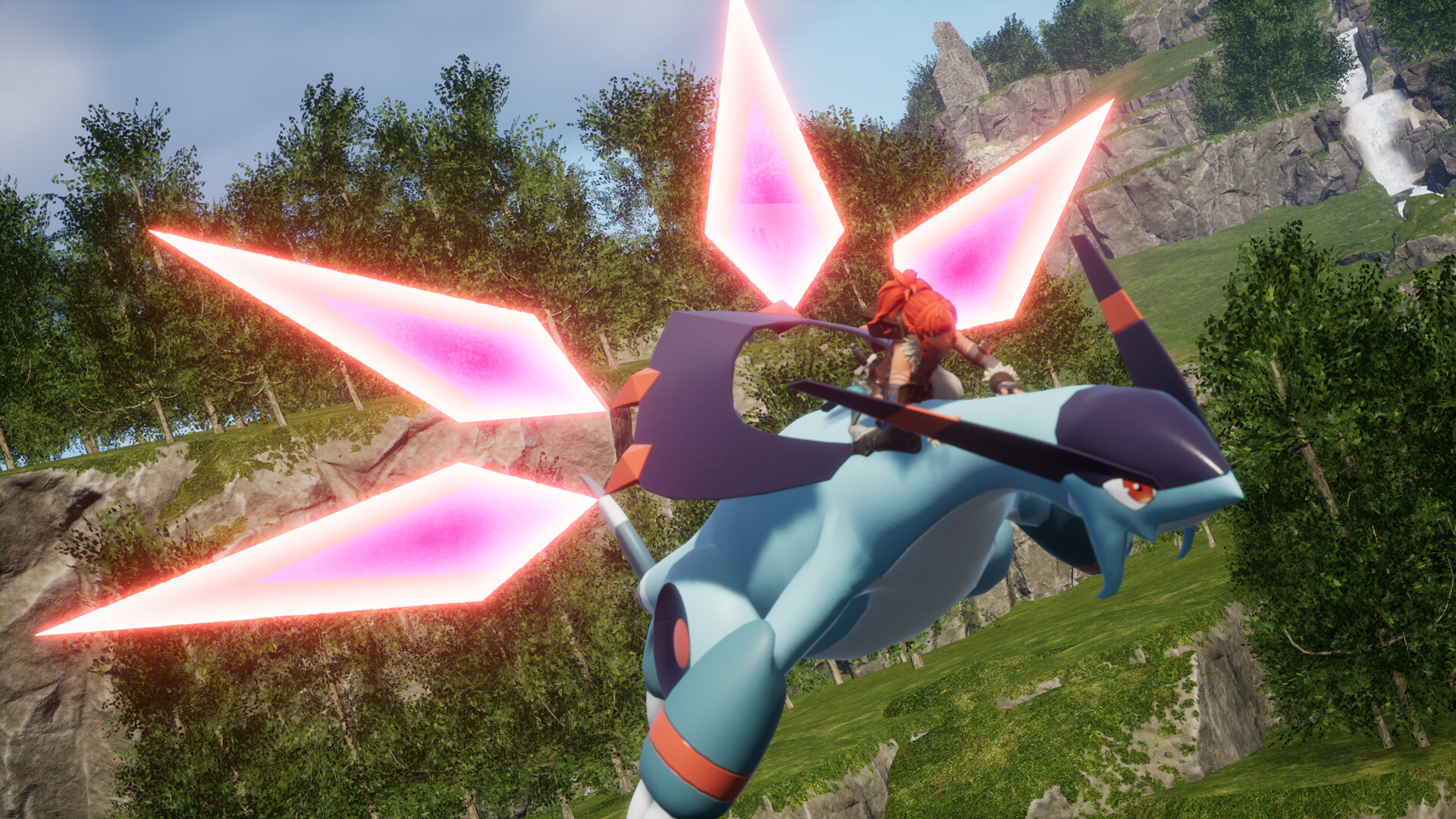
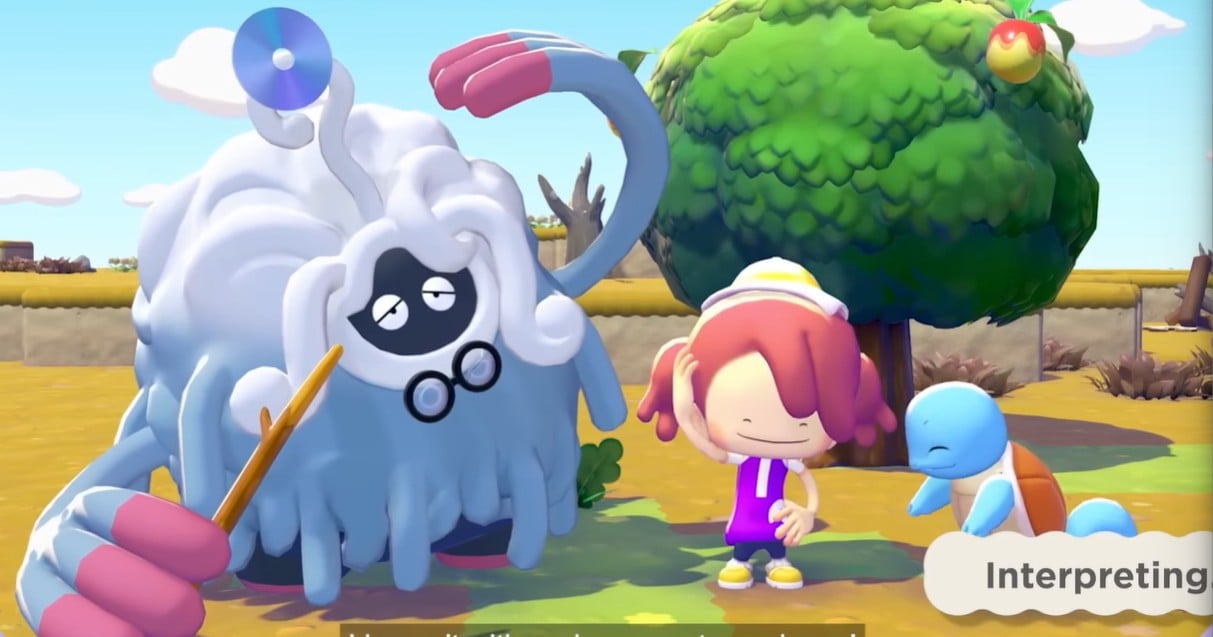
Palworld, from the Japanese studio Pocketpair, launched in early access in January 2024 and exploded almost immediately. Players called it “Pokemon with guns”, and that shorthand spread fast, even if the game is really more of a survival-crafting monster collector with its own identity. Nintendo and The Pokemon Company didn’t stay quiet for long, and by September 2024 they had filed a patent-based lawsuit in Japan against Pocketpair. That brings us to the key question: what can Nintendo actually win here, and why does the number look so low?
The reason is simple: this isn’t a classic “you copied our entire game” style battle. From the reporting, including an IGN video that broke down the likely damages angle, the current issue is tied to specific patent claims, not a giant copyright claim over the whole game. That means the court fight can be very focused, and focused lawsuits often mean much smaller payouts than fans expect. Not bad, right?
Nintendo vs Palworld and the 30,000 dollar damage problem
Trust me on this one: a legal victory and a huge cash payout aren’t the same thing. Nintendo may be able to prove that Pocketpair crossed a line, but the amount of money attached to that line may still be modest. The figure making the rounds, about 30,000 dollars, is tied to a specific Japanese patent issue, not the full commercial success of Palworld.

That distinction matters a lot. Palworld reportedly sold over 8 million copies in its first six days on Steam and later became one of the biggest early-access hits of 2024. Even so, Japanese patent damages are usually calculated in a much narrower way than many fans think. The court can look at the value of the patented feature, the harm caused, and the scope of infringement, not simply the overall sales number.
To be fair, this doesn’t mean Nintendo is powerless. A company can still seek an injunction, force changes, or set a legal precedent that matters for future games. Money isn’t the only scoreboard here. Personally, I think that’s what makes the case so interesting for Japan fans who follow business news as much as games.
Why the amount may stay small
That reminds me: Japanese game law disputes often play out differently from the loud internet version people imagine. A patent claim can be very technical, and if only one feature or one implementation is under fire, the damages can be limited. Nintendo is a giant, yes, but the court doesn’t automatically award giant numbers just because the company is famous.
There’s also the practical side. Pocketpair is an indie-sized studio compared with Nintendo, even if Palworld became a breakout hit. When a case centres on narrow patent language, a settlement or court ruling can end up looking almost underwhelming from the outside. My tip: if you follow Japanese gaming news, always check whether the story is about copyright, trademark, or patent law, because the outcome can change a lot depending on which one it is.

On a related note: this is where Japanese vocabulary can be useful for learners. Words like 裁判 (saiban, trial; lawsuit) for trial, 特許 (tokkyo, patent) for patent, and songai baishosho for damages claim show up often in serious news coverage. If you read Japanese reports from outlets like Nikkei or game commentary from Japanese creators, you’ll see how precise the language gets. That precision is part of Japanese business culture too, where people often prefer clear categories over emotional slogans. Personally, ...
Palworld, Pokemon comparisons, and why Japan is watching closely
Did you know that Palworld’s launch triggered a huge wave of debate in Japan, not just overseas? Part of the reason is cultural. Pokemon is more than a game series there, it’s a long-running national brand tied to childhood, merchandise, tourism, and even local mascots. When a new monster-catching hit appears with a very similar vibe, people notice immediately.
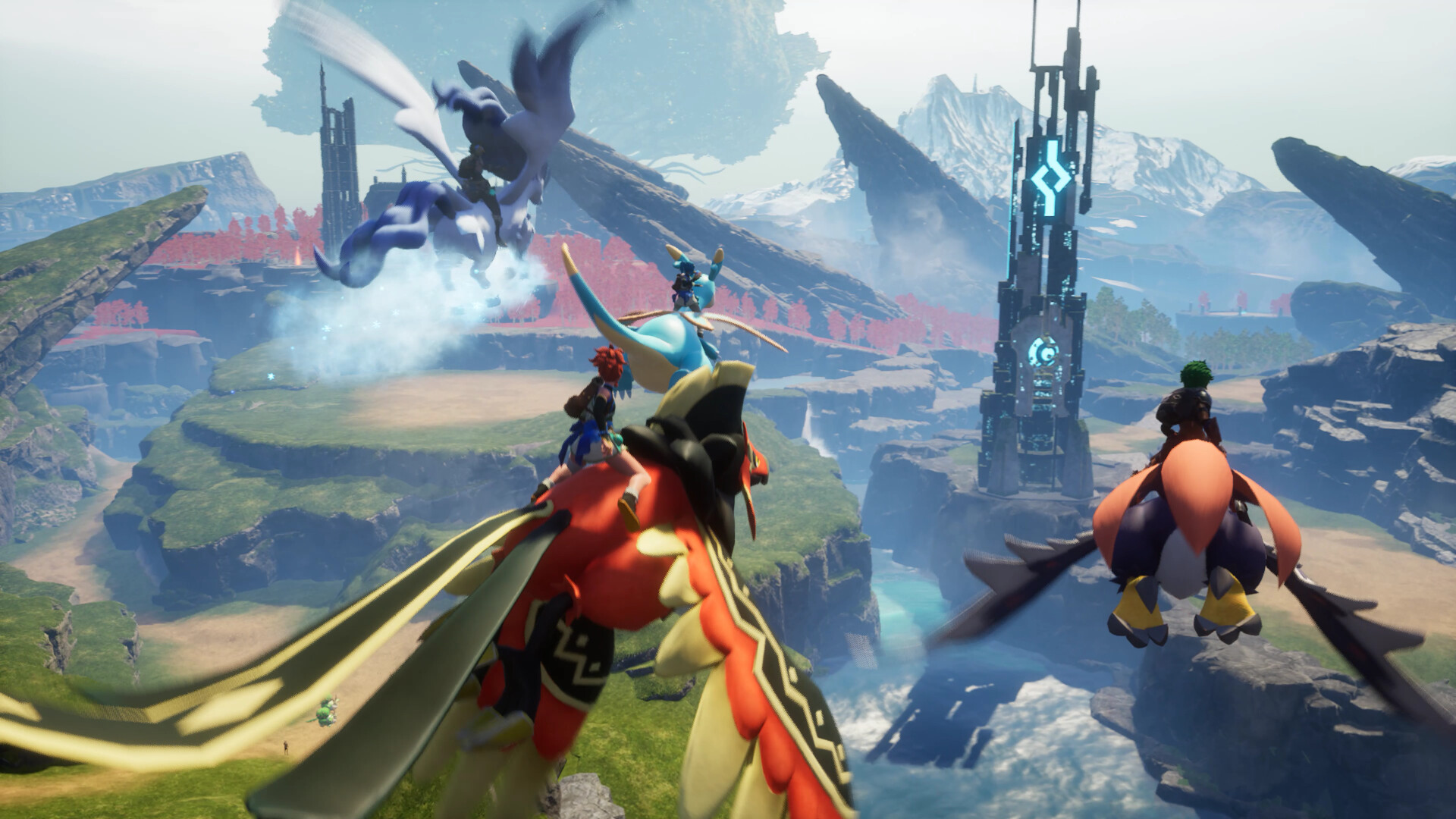
That said, the line between inspiration and infringement is always messy in games. Monster collecting, crafting, base building, and survival mechanics all exist in many titles. What makes Palworld different is the visual and marketing overlap that sparked the “Pokemon-like” label. Nintendo’s legal team appears to have zeroed in on patents related to gameplay systems, which is a much sharper angle than just saying “this feels familiar.”
It’s early morning in Kyoto. Picture a gamer at a 喫茶店 (kissaten, coffee shop; café), reading about this over coffee, and trying to explain it to a friend in simple Japanese. They’d probably say, “Nintendo wa 強い (tsuyoi, strong) けど (kedo, but), お金 (okane, money) no 話 (hanashi, talk; story) wa omoi yori 小さい (chiisai, small) ne.” That’s a useful learning moment, because Japanese news often separates emotional reaction from legal fact. The reason is simple: the law cares about evidence, not internet noise. Wait, there’s more.
What Japan fans should watch next
First, watch for whether the case stays in Japan or pulls in arguments from other countries. Second, keep an eye on any gameplay updates from Pocketpair, because companies sometimes change mechanics while a dispute is ongoing. Third, look at how Nintendo frames the issue in official statements, since Japanese corporate language is often extremely careful and indirect.
No exaggeration: this could end up being less about money and more about control. If Nintendo wants to protect specific gameplay patents, even a small court win may be enough to send a warning to the wider industry. For fans, that means the story isn’t just legal drama, it’s a glimpse into how Japanese companies defend intellectual property in one of the world’s most competitive entertainment markets. My verdict: the number is small, but the message could be big.
And if you’re learning Japanese, this is a good reminder to follow real news, not just game memes. Legal and business stories give you practical vocabulary, plus a window into how Japanese media frames controversy. more Japan news on jpnerd.com
In pictures
Frequently Asked Questions
Is Nintendo really only after about 30,000 dollars?
That’s the amount discussed in reporting about one part of the patent dispute, not necessarily the full business impact of the case.
Why is Palworld in legal trouble?
Nintendo and The Pokemon Company filed a lawsuit in Japan over alleged patent infringement tied to gameplay systems.
Does a small payout mean the case is unimportant?
No. Even a small damages award can lead to design changes, legal precedent, or a settlement that affects future games.