
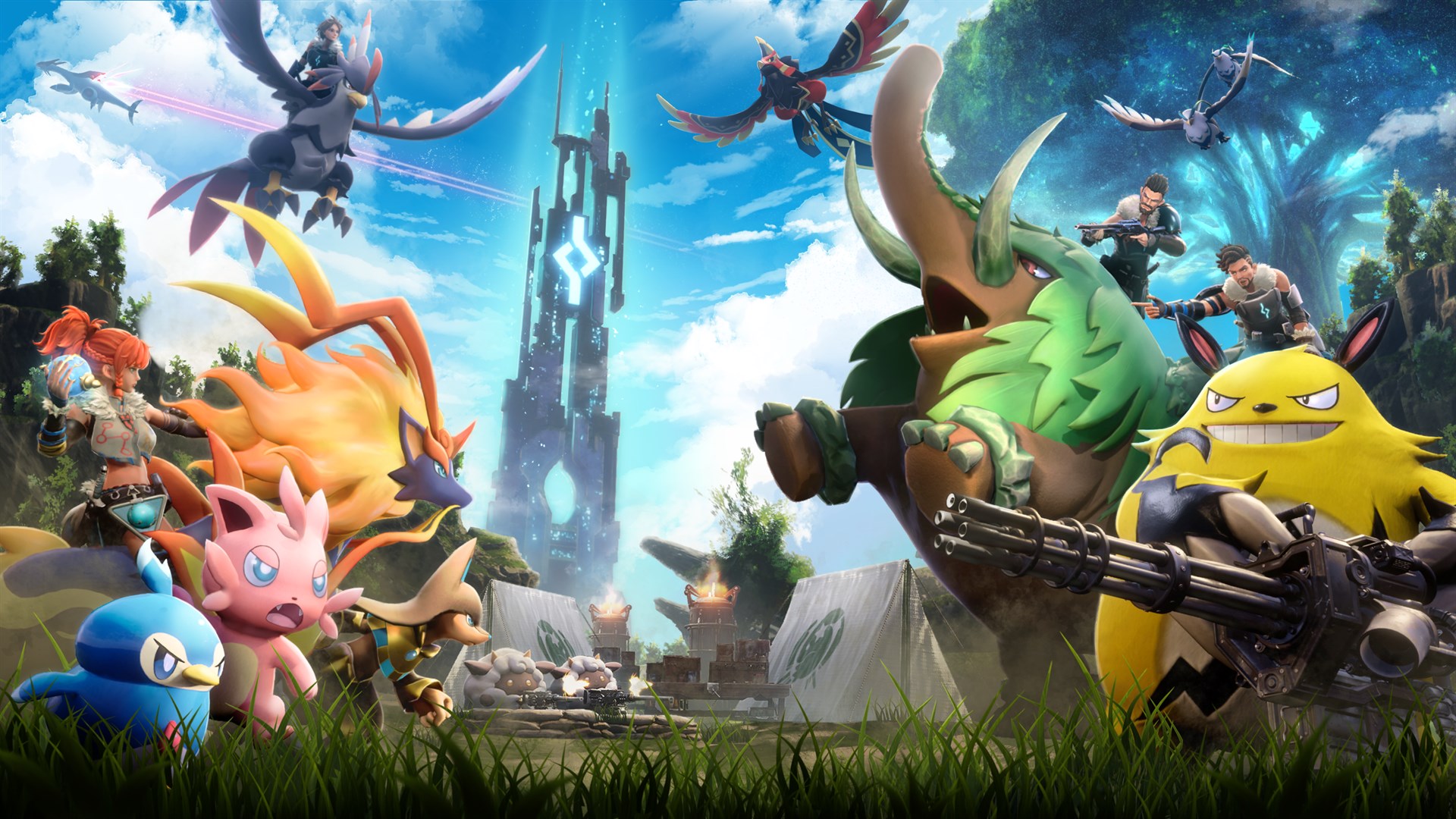
Let’s be honest: this is one of those gaming stories that spills far beyond the courtroom. If you care about Pokemon-style design, creature-catching history, or how Japanese companies protect their IP, this one matters.
![Dragon Ball Z: Kakarot [Master Edition]](https://s.pacn.ws/1/p/1eh/dragon-ball-z-kakarot-master-edition-908785.1.jpg?v=t8ja8t&width=400)


Nintendo Palworld lawsuit costs are now showing up in the numbers
Guess what? The biggest detail here isn’t a dramatic new trailer or a patch note, it’s a line in Nintendo's financial reporting. According to GameRant, Nintendo's 2026 financial report points to high litigation losses tied to the ongoing Palworld dispute.
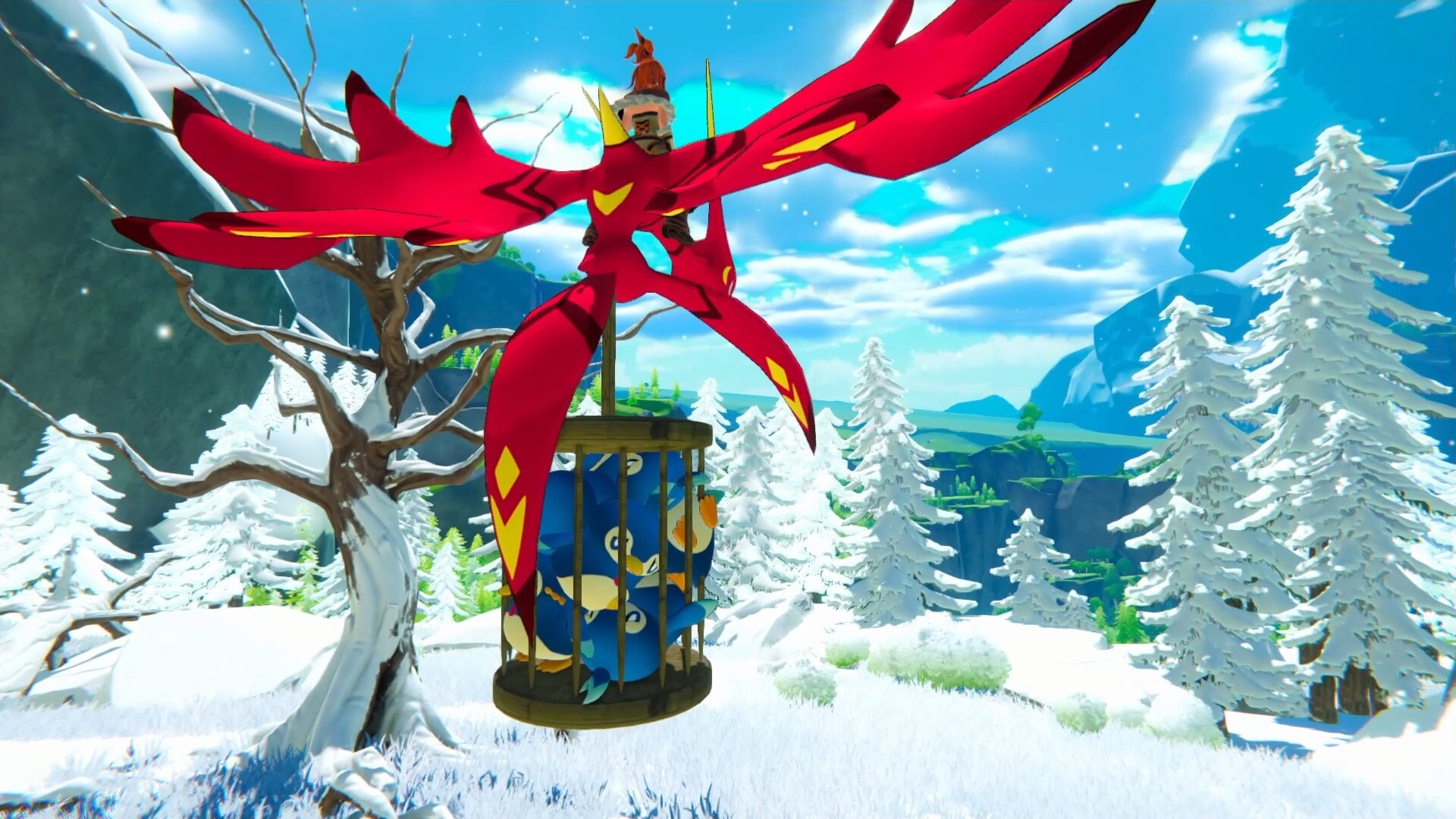
That matters because companies usually don’t like talking about legal trouble unless it has real financial weight. If Nintendo is openly carrying major litigation costs, then this isn’t some small warning shot. It suggests the case is active, expensive, and still worth monitoring closely.
Here's the thing: for fans, this doesn't automatically mean a big courtroom ending is close. But it does tell us Nintendo is prepared to spend time and money defending its position, and that's often a sign the company believes the issue goes to the heart of how its games and characters are protected. From my experience, when Nintendo gets serious about an IP dispute, it usually stays serious for a while. Convinced yet?
Why the Palworld and Pokemon comparison keeps coming up
Picture this: a creature-collecting game blows up globally, and within days people start comparing its monsters, designs, and gameplay loop to Pokemon. That's exactly what happened with Palworld from Pocketpair, the Japanese studio behind the 2024 hit.
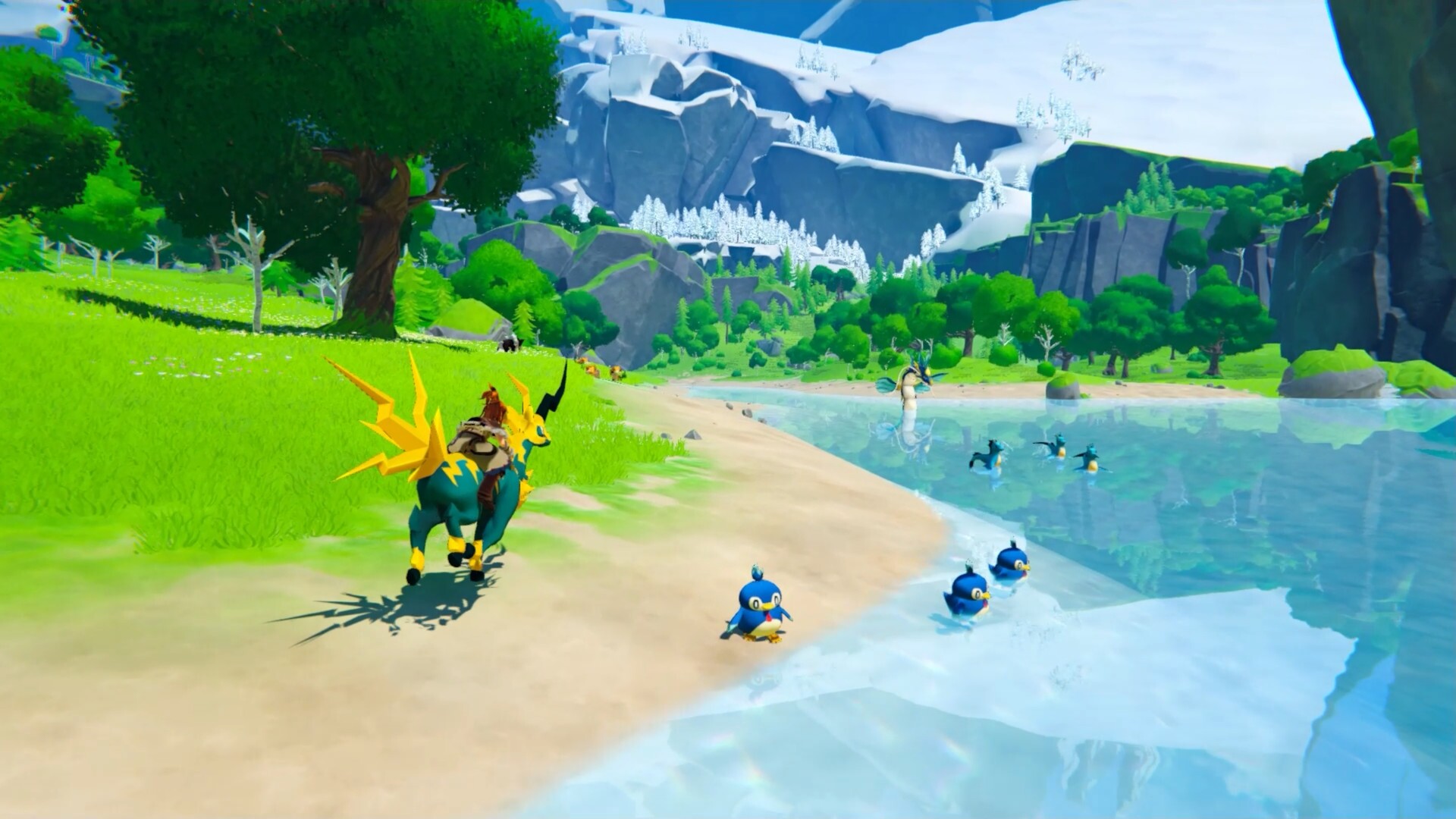
Before I forget: the Pokemon connection isn't just fan chatter. The broader debate in gaming circles is about monster capture, visual style, and how closely a new game can echo an established formula before it crosses a line. Some players focus on the mechanics, others on the creature designs, and a lot of people online mix both together.
What Nintendo fans are really watching
Basically, Nintendo fans aren't only asking who wins in court, they're asking what the case means for future games. If Nintendo pushes hard here, that could influence how other studios think about inspiration versus imitation when building their own creature-collecting systems.
At the same time, Palworld has its own identity, with survival crafting, open-world exploration, and a harsher tone than Pokemon. That difference is part of why the debate keeps going. A great example: two games can share the same broad genre idea and still end up in a totally different cultural conversation.
What I especially like is that this case makes people pay attention to how game ideas evolve in Japan and abroad. Japanese players often use words like 物真似 (monomane, imitation; mimicry) and 大文字 (omoji, capital letters; uppercase) when talking about imitation and resemblance, and this lawsuit sits right in that grey area between homage and overreach. Not bad, right?
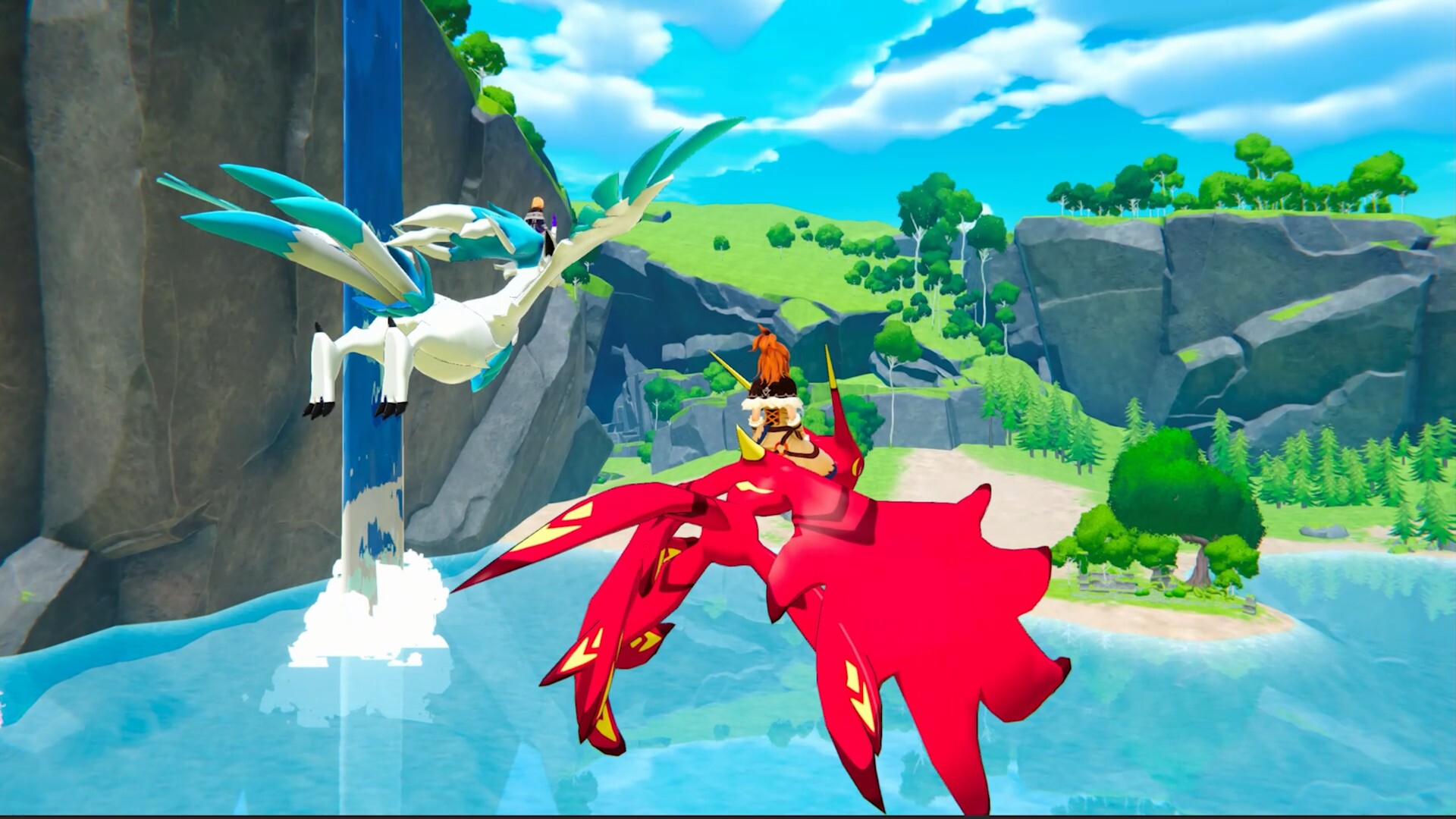
What Nintendo's 2026 report tells us about the company strategy
It's early morning in Kyoto, and you can almost picture an accountant somewhere going line by line through legal expenses while the rest of us just want news about games. That sounds dry, but these numbers tell a story.
High litigation losses suggest Nintendo is willing to absorb short-term pain for long-term control. That fits the company's long history of guarding its brands carefully, from Mario and Zelda to Pokemon-related licensing concerns. When Nintendo sees a threat to the value of its core characters, it tends to move quickly and decisively.
Why this feels different from ordinary fan debate
By the way, this isn't only about online arguments over who copied whom. It is also about how much a major Japanese company is ready to spend to protect the borders of its creative universe. For Japanese language learners, this is a handy real-world reminder that business and entertainment vocabulary overlap a lot in Japanese media coverage, especially words like ライト (raito, light) and 木々 (kigi, trees), which often show up around company reports and industry news.
My tip: if you follow Japanese gaming news, keep an eye on wording in finance articles. Terms like 寸法 (sunpo, dimension; measurement), 判定 (hantei, judgment; decision), and 理想 (riso, ideal) are common in serious reporting, and they help you read beyond the hype. That skill pays off fast when a case like this keeps developing. From my experience...
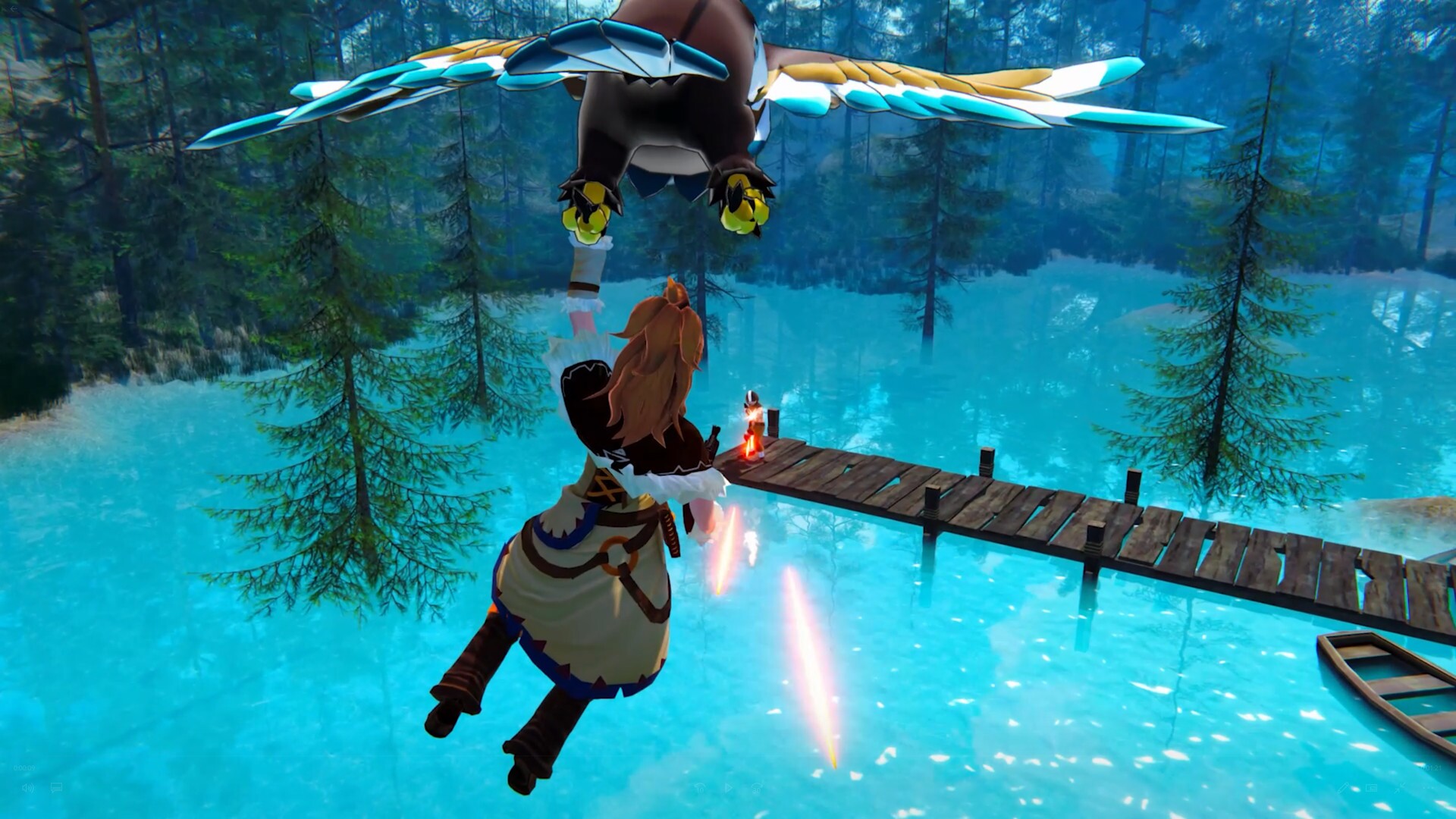
Why JP nerds should care about this legal battle
The Palworld lawsuit is bigger than one studio and one franchise. It is a test case for how far the monster-capture genre can stretch before it triggers a legal response from a giant like Nintendo.
For Japan fans, that makes the story especially interesting because it sits at the crossroads of game design, pop culture, and corporate identity. Nintendo is not just another publisher, and Pokemon is not just another brand. It is a cultural pillar, and any challenge to that pillar will get attention far outside Japan.
If you are learning Japanese, this is also a nice reminder that real news is one of the best ways to build reading habits. Start with game coverage, follow the names you already know, and notice how often Japanese media treats games as serious business, not just entertainment. That mix of play and pressure is very Japanese in its own way. But that's not all.
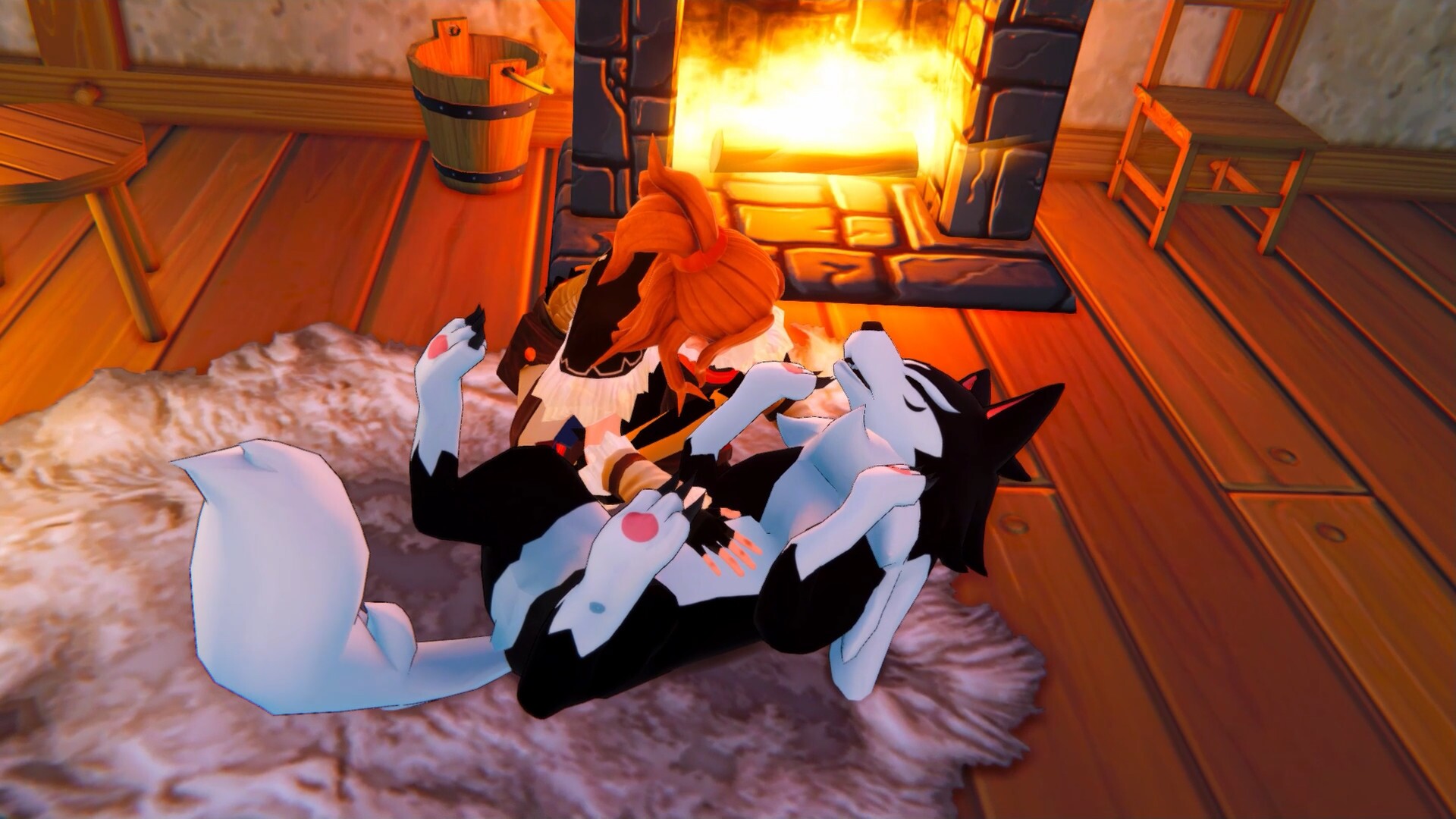
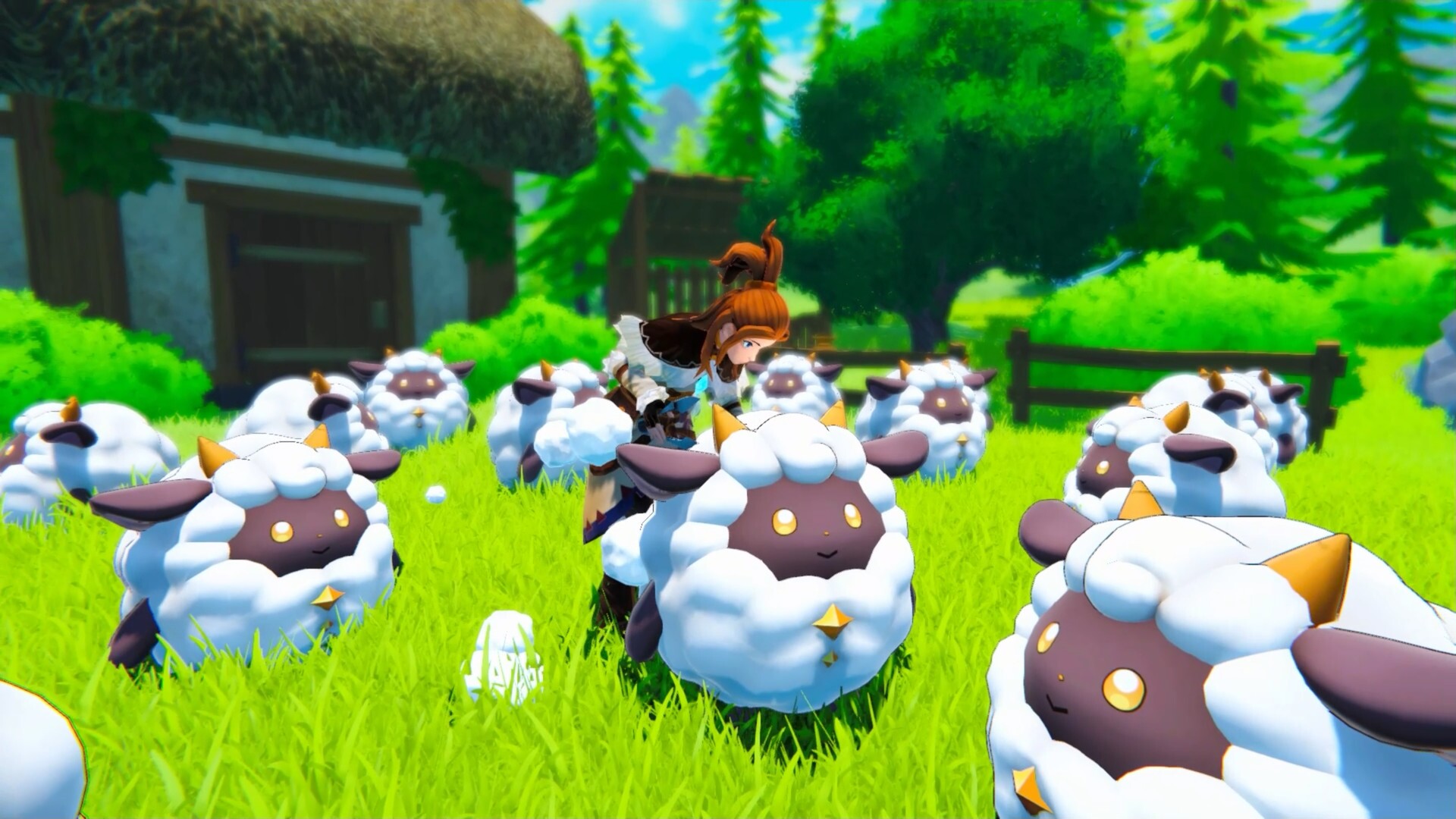
In pictures
Frequently Asked Questions
Why is Nintendo spending so much on this case?
Because it appears to see the Palworld dispute as a serious intellectual property matter, not a minor disagreement.
Does this mean Nintendo has already won?
No. Legal costs can rise while a case is still ongoing, so the final outcome is still open.
Why do fans keep comparing Palworld to Pokemon?
Both games use creature collection, but Palworld also adds survival and crafting elements that make the comparison more complicated.


