
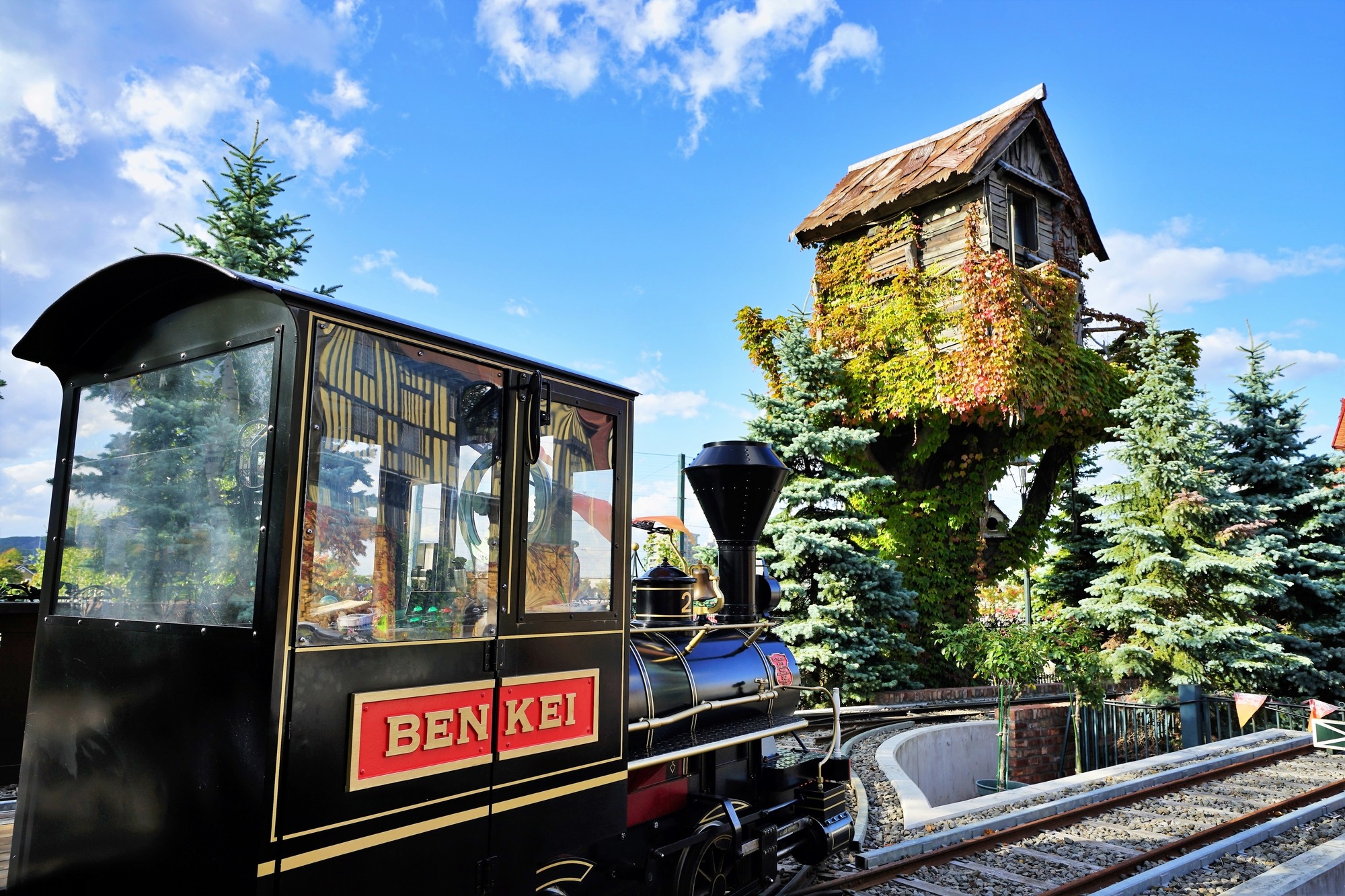
The first time I went to Japan, I assumed Hokkaido would be all snow and ski resorts. Guess what? It’s also a great place for slow travel, park time, animal encounters, and relaxed days out with kids, especially if you know where to base yourself and what to skip.



Hokkaido travel update: why families should pay attention
Hokkaido is Japan’s northernmost main island, and that alone changes the travel rhythm. Distances are bigger, roads are calmer, and the pace feels less intense than Tokyo or Osaka. For families, that matters a lot. A day that would feel exhausting in a dense city can feel manageable here, even with strollers, snack breaks, and the occasional meltdown.
The reason is simple: Hokkaido was built for space. You get broad parks in Sapporo, nature-focused day trips, and attractions that don’t always demand hours of standing in line. The official Visit Hokkaido child travel feature highlights exactly that mix, and it’s a smart reminder that the island works well for parents who want less stress and more room to breathe. Pretty refreshing, right?
And it gets better: many Hokkaido experiences are naturally educational. Kids can see dairy farming, local wildlife, seasonal flowers, and even train culture without feeling like they’re in a lesson. For Japanese learners, that’s a nice bonus, because simple travel words like 子供 (kodomo) for child, 旅行 (ryokou) for trip, and 公園 (kouen) for park pop up all the time in signage, brochures, and conversations. Speaking of which...
Best child-friendly stops in Hokkaido
If you’re building a family route, Sapporo is usually the easiest base. It has straightforward transport, plenty of food options, and green spaces that work well for a slower day. Odori Park is one of the city’s most practical stops, especially when kids need to move around after train rides or museum visits. Nearby, Maruyama Zoo is one of Hokkaido’s classic family attractions, and it’s been drawing visitors for decades thanks to its accessible layout and animal variety.
That brings us to the obvious question: what should you actually prioritise? My tip: choose a small number of places and spend longer at each one. Hokkaido looks huge on a map, and it is. Trying to squeeze in too many stops can turn a family holiday into a logistics test.
Sapporo, Otaru, and easy city days
Sapporo works well because it mixes city comfort with low-pressure sightseeing. Otaru, about 30 minutes away by JR train from central Sapporo, is another solid option if you want canals, sweets, and a walkable old-town feel. Children usually enjoy the glass shops, the music box stores, and the snack stops more than the historical details, and that’s perfectly fine.
Before I forget: Hokkaido’s food scene helps family travel too. Soft-serve ice cream, fresh corn, melon, and dairy products are everywhere, and that can save a tired afternoon. No joke: sometimes the easiest way to reset a child’s mood is just a good dessert and a bench in the shade.
Nature without the overload
Hokkaido is also a place where nature can be gentle instead of extreme. Shikotsu-Toya National Park, for example, gives you lake views, clear air, and scenic roads, but you don’t have to turn it into an all-day hiking mission. Even a short stop at a lake lookout can feel special. If your children are younger, that kind of “see more, walk less” approach works surprisingly well.
For many families, the best trips here are the ones that mix one active stop with one easy stop. A morning zoo visit, an afternoon park break, and then a relaxed dinner. That’s the formula. Convinced yet?



Hokkaido travel for children: what makes it work
There’s a practical side to child travel in Japan, and Hokkaido handles a lot of it well. Big pavements, decent public facilities in main hubs, and family-friendly food options make a difference. You won’t eliminate every challenge, of course. Winter means snow boots, extra layers, and careful planning, while summer can still bring heat and sun exposure. But compared with a packed metropolitan schedule, Hokkaido gives families more breathing room.
Did you know that child development experts, including those cited by Britannica, often note how environment and experience shape learning? That’s easy to see on a Hokkaido trip. A child who watches local trains, visits an animal park, or hears simple Japanese in a shop is absorbing more than just sightseeing. They’re building memory, language, and confidence at the same time. That’s travel with real value.
What I especially like is how Hokkaido invites curiosity without pressure. Kids don’t need to understand every historical reference to enjoy it. A farm, a ferry ride, a museum with hands-on exhibits, or a snowy road view can be enough. If you’re learning Japanese, those moments are useful too, because they connect words to actual places and routines. For example, 雪 (yuki) means snow, 花 (hana) means flower, and 駅 (eki) means station, and you’ll actually remember them when you see them in context.
Seasonal planning makes a big difference
Hokkaido changes a lot through the year. Spring brings tulips and milder weather, summer is famous for lavender fields and cooler temperatures than many Japanese cities, autumn brings colourful scenery, and winter becomes a snow destination with its own family appeal. That seasonality is part of the charm, but it also means timing matters.
My advice is to match the trip to the season instead of fighting it. If you want outdoor play and garden visits, aim for late spring to early autumn. If your family loves snow, winter can be magical, but only if you plan for shorter days and warming breaks. Personally, I’d rather have one well-paced winter base than a crowded multi-city itinerary.
That reminds me: Hokkaido is also good for Japan fans who like real-world cultural context. You can hear regional accents, try local seafood, and notice how travel habits shift outside the big urban belt. It feels more lived-in, less staged. And for many visitors, that’s the real payoff. Wait, there’s more.
Final thoughts for Japan fans and Japanese learners
If you’re learning Japanese and planning a family trip, Hokkaido is a smart place to start. It gives you practical vocabulary, clear travel settings, and enough space to slow down when you need to. It also shows that family travel in Japan doesn’t have to mean nonstop temples and trains. Sometimes it’s a park, a zoo, a lake, and a very good bowl of soup.
My tip: build your Hokkaido route around one or two bases, then leave room for rest. That approach makes the trip smoother for children and far more enjoyable for adults. And if you want more Japan planning ideas, you can find more Japan news on jpnerd.com.
Frequently Asked Questions
Is Hokkaido a good destination for families with children?
Yes. It has space, calmer pacing, and plenty of child-friendly outdoor and indoor activities.
Which Hokkaido city is easiest for a family base?
Sapporo is usually the easiest choice because it has transport links, food options, and several easy day trips.
What is the best season for a child-friendly Hokkaido trip?
Late spring to early autumn is easiest for outdoor travel, while winter works best for families who want snow experiences.


