Here’s the thing: the trailer is more tribute than shock reveal, but that’s exactly why it works. It reminds fans how the series grew from a Game Boy spin-off into a long-running Square Enix staple, and it gives Japanese learners a neat excuse to look at game-title vocabulary and franchise naming habits.


Mana Series Turns 35, and Square Enix Knows the Assignment
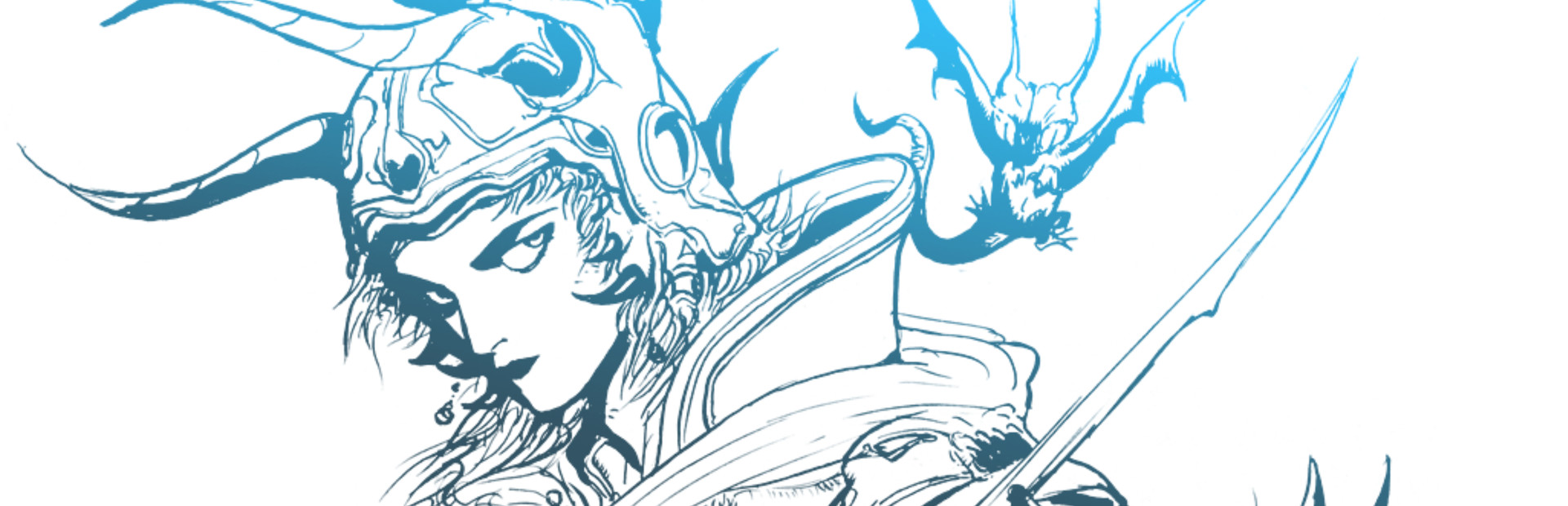
Mana series anniversary news isn’t exactly rare these days, but the 35th anniversary still lands with some weight. Square Enix released a new trailer to celebrate the milestone, and it acts like a quick memory reel for a franchise that started back in 1991 with Seiken Densetsu: Final Fantasy Gaiden on Game Boy. That title later became known internationally as Final Fantasy Adventure, then the series found its own identity under the Mana name.
Picture this: one brand name, several platform generations, and a lot of shifting expectations. The franchise has moved from handheld action RPG roots to 3D remakes, modern spin-offs, and collection releases, and that’s part of why a simple anniversary trailer can still feel meaningful. It doesn’t need fireworks, just a reminder that Mana has survived long enough to become part of Square Enix’s core legacy. See what I mean?
For Japan fans, the name itself is interesting too. Seiken densetsu roughly means something like "legend of the holy sword", while mana is a borrowed fantasy term that became the franchise’s later identity. If you’re learning Japanese, this is the sort of series name history that shows how Japanese games often evolve their branding over time, especially when a title begins as a side project and grows into a full series.
From Game Boy Origins to a Proper Square Enix Franchise
Ever wondered why the Mana series still gets attention after so many years? Part of the answer is that the series has a clear historical arc, and fans love a clean lineage. The first game arrived in 1991, then the brand expanded through entries like Secret of Mana in 1993, Trials of Mana in 1995, and later the PlayStation-era Legend of Mana in 1999. Each one added something different, whether that was cooperative play, multi-character party paths, or more experimental world design.
Why this anniversary matters
Seriously though: not every long-running franchise manages to stay recognisable after three and a half decades. Mana has done it by mixing nostalgia with periodic reinvention. Take Trials of Mana, for instance. Its 2020 3D remake introduced the game to a much wider audience, and it showed that the series can still look and play like a modern action RPG without losing its older charm. Wild, isn’t it?
That matters for Square Enix, too. The company has plenty of famous names under its roof, but Mana occupies a specific lane, somewhere between comfort-food JRPG history and cult-favourite action design. My tip: if you want to understand the franchise, don’t start only with the newest release. Go back and compare the older 2D entries with the remake approach. You’ll see how much the series has shifted while keeping its fantasy mood intact.
What the New Trailer Says About Square Enix's Anniversary Strategy
On a related note: anniversary trailers in Japan usually do a very particular job. They aren’t always about a massive announcement, and that’s fine. They often work like a 記念 (kinen, commemoration) presentation, a commemorative piece that honours the brand, thanks the fans, and quietly keeps the series visible. Square Enix does this a lot with major properties, and the Mana trailer fits that pattern neatly.
Guess what? That kind of presentation can be smart marketing. Instead of overselling a mystery project, the company lets the archive do the talking, and the footage itself becomes the message. If a new game comes later, great. If not, the anniversary still gives longtime players a reason to revisit the series catalogue, and that can translate into new sales for collections, remakes, and soundtrack reissues. The best part is that it doesn’t feel forced.
For Japanese learners, there’s also a nice vocabulary angle here. Anniversary-related coverage often uses words like kinen for commemoration, 整理 (seiri, compilation; arrangement) for a collection or compilation, and 演出 (enshu, staging; direction) or reika depending on the type of tribute being described. Okay, game news isn’t a grammar lesson, but these terms pop up constantly in Japanese entertainment reporting, so it helps to recognise them. Insider tip: when you see a trailer framed as a kinen piece, expect celebration first and hard news second.
How Mana Fits Into JRPG History Now
Unlike what we’re used to with giant flagship RPG series, Mana has never been about dominating every release season. It has always been a bit more selective, a bit more atmospheric, and that restraint gives it staying power. The visual style, the melodic soundtracks, and the action-focused combat all helped the series stand apart from turn-based giants like Dragon Quest and Final Fantasy. Sounds odd, but it’s true.
That identity is why 35 years matters. The series is old enough to be historical, but not so frozen that it feels like a museum exhibit. Square Enix has kept the brand alive through remakes, collections, and anniversary promotions, and that means newer players can still jump in without needing to study every release in order. For fans in Japan and abroad, that’s a useful balance. You get heritage, but you don’t need a shrine to enjoy it.
If you enjoy Japanese games as part of your language study, Mana is also a nice bridge title. The settings lean into fantasy vocabulary, the menus often repeat useful action words, and the series names themselves show how localisation can reshape a brand. A lot of learners start with anime, but games can be just as useful for memory, especially when the same words keep returning in item names, character classes, and story beats. By the way, that’s one reason action RPGs are such a good study companion. See what I mean?
The 35th anniversary trailer doesn’t rewrite Mana history, and it doesn’t need to. It simply confirms that Square Enix still sees value in one of its oldest action RPG families, and that alone is worth a look. If you’re a Japan fan, this is one of those low-key milestones that quietly says a lot about how Japanese game companies treat legacy brands. Wait, there’s more.
For more Japan news and gaming updates, check out more Japan news on jpnerd.com.
Frequently Asked Questions
What is the Mana series?
It is a long-running Square Enix action RPG franchise that began in 1991 on Game Boy.
Why is the 35th anniversary a big deal?
It shows how long the series has lasted and reminds fans that it has a real place in JRPG history.
Is the new trailer a sign of a new game?
Not necessarily. Anniversary trailers often celebrate the brand first, then leave room for future announcements.