Here’s the deal: when a huge Japanese franchise like Kingdom Hearts gets pulled into an AI debate, fans notice instantly. And if you learn Japanese, this is one of those moments where game culture, promo design, and internet reactions all collide. Pretty wild, isn’t it?


Square Enix Denies AI Use in Kingdom Hearts Collection Promo Art
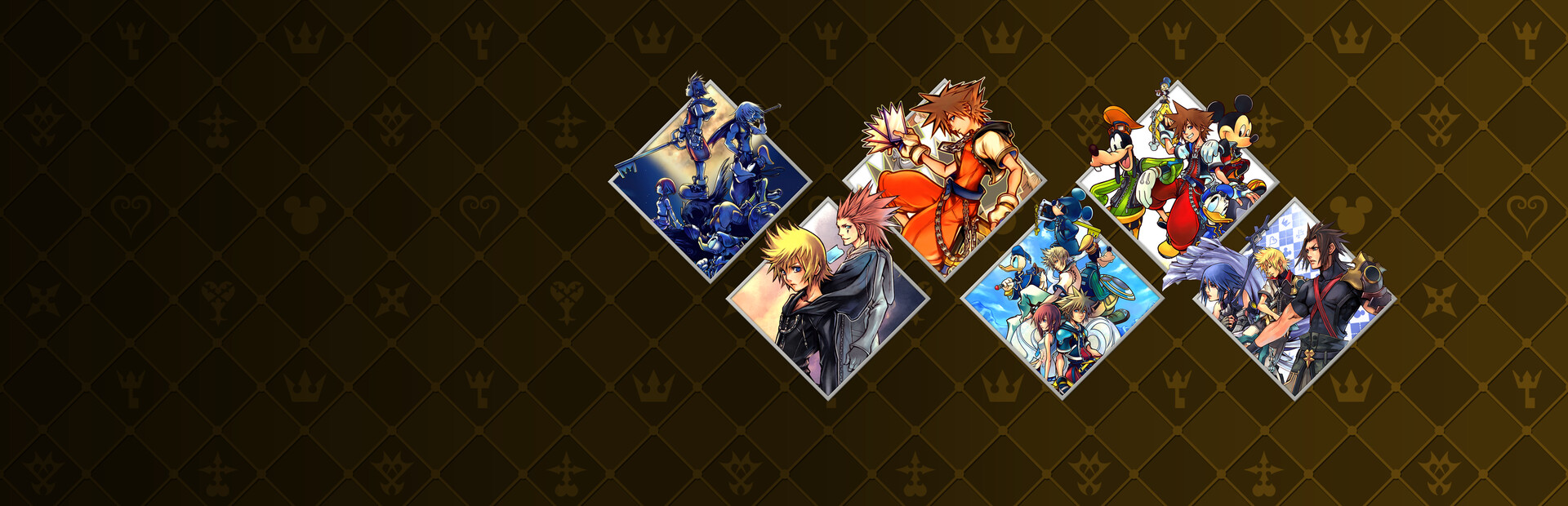
Guess what? The whole mess started with a promotional image for a Kingdom Hearts Collection release that fans said looked suspiciously AI-made. Square Enix quickly pushed back, saying the image wasn’t created with generative AI, and that the matter was being handled internally. The company didn’t just shrug it off, because once AI accusations attach themselves to a major Japanese franchise, the conversation can spread fast across social media, gaming forums, and news sites.
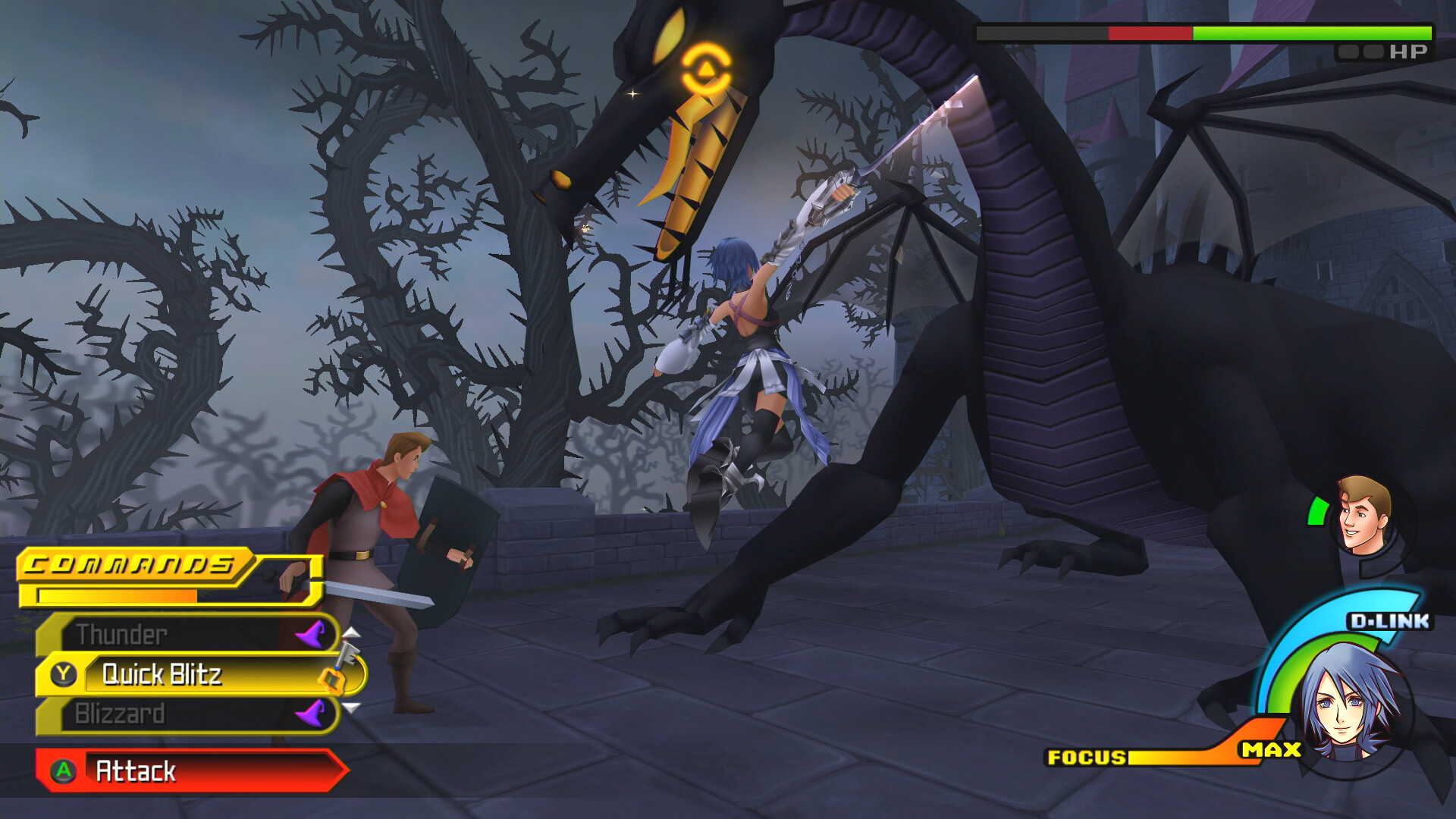
Take Kingdom Hearts, for instance. The series began in 2002 on PlayStation 2, and it has always lived in a very particular space, part Disney fantasy, part Square Enix role-playing drama. That history matters, because fans are deeply protective of the franchise’s visual identity. If a promo image looks off, people will spot it within minutes. Convinced yet?
Why the Image Triggered an AI Accusation
What most people don’t know is that the Kingdom Hearts fanbase has spent years studying every official image, trailer frame, and key art variation. So when a collection promo appeared with odd proportions and details that seemed inconsistent, the reaction was immediate. The accusation wasn’t just, “this looks weird”, it was, “this might be AI”. That distinction matters, because AI suspicion has become a shorthand for anything visually uncanny, whether it’s true or not.
The reason is simple: generative image tools have changed how people read digital art. A hand, a background pattern, or a bit of lettering that looks warped can now set off alarms. For Japanese learning fans, this is a useful reminder that media vocabulary keeps evolving, and words like eai, 集める (atsumeru, to collect; gather), and 工作 (kōsaku, crafting; scheming) sometimes show up in fan discussions as people try to explain tech issues in romaji. Before I forget, the tension here isn’t just technical, it’s cultural too, because official art in Japan is often treated with a lot of care and expectation.
What Square Enix said
No joke: Square Enix’s denial was important because silence would have made the rumour grow. The company said it didn’t use AI for the image, which suggests the issue may have been a design mistake, a compositing problem, or an asset that simply came out badly. My tip: when you see a controversy like this, check whether a publisher is denying AI use, or whether it’s only a fan theory filling in the blanks. Those are very different situations.
Square Enix has been under pressure before, especially when its big brands are involved. Final Fantasy, Dragon Quest, and Kingdom Hearts all carry enormous expectations, and promo material is part of that trust. If the image for a collection looks amateurish, fans don’t just complain about aesthetics, they start asking how much care went into the whole campaign. Personally...
Kingdom Hearts, Visual Identity, and Fan Trust
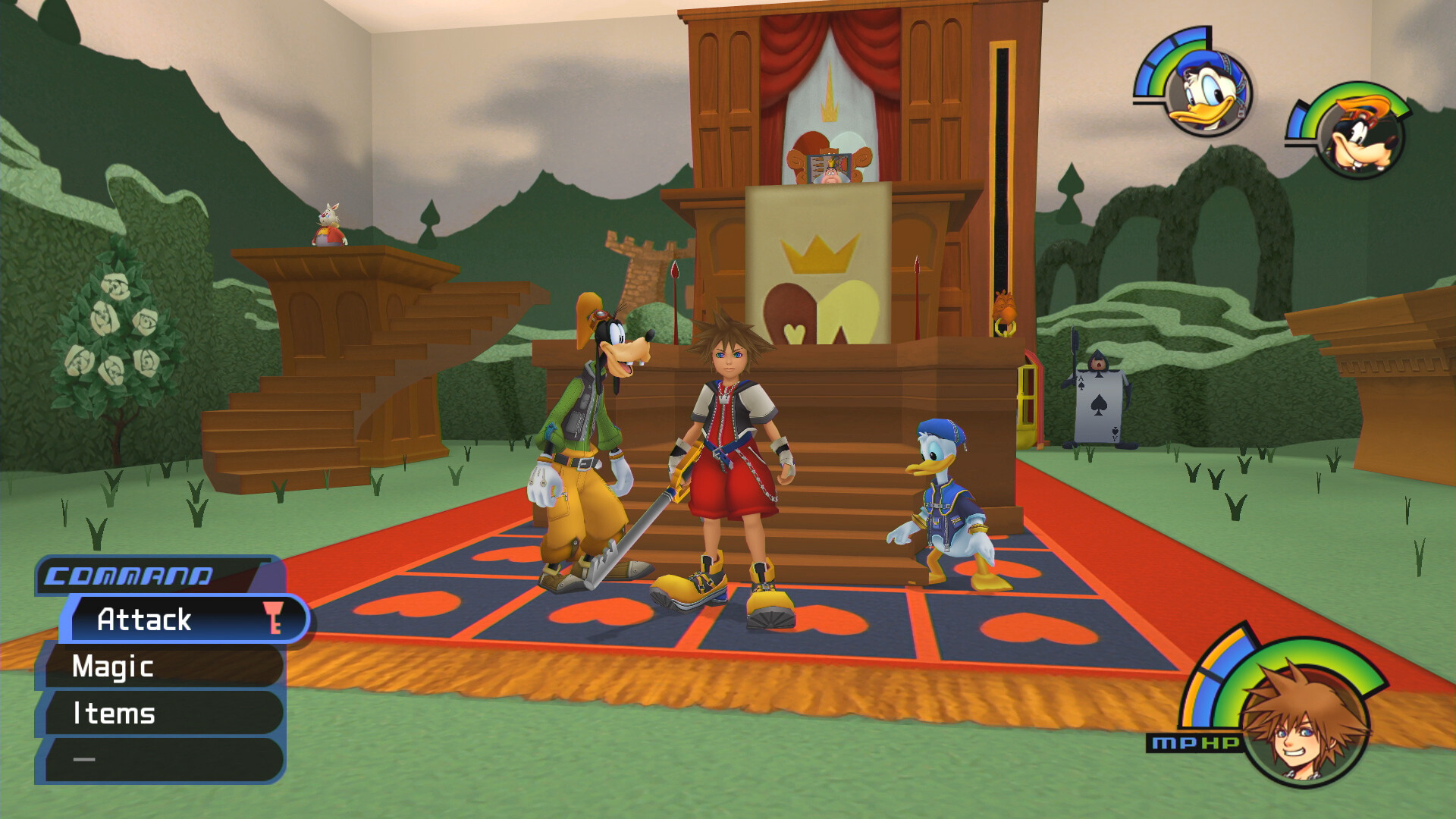
Here’s the thing: Kingdom Hearts has always relied on striking key art. Sora’s outfit, the Keyblade, the mix of Mickey Mouse and original characters, all of it is instantly recognisable. That’s why a single promotional image can become a story. Fans aren’t just looking at a game logo, they’re reading the image as proof that Square Enix still understands the franchise.
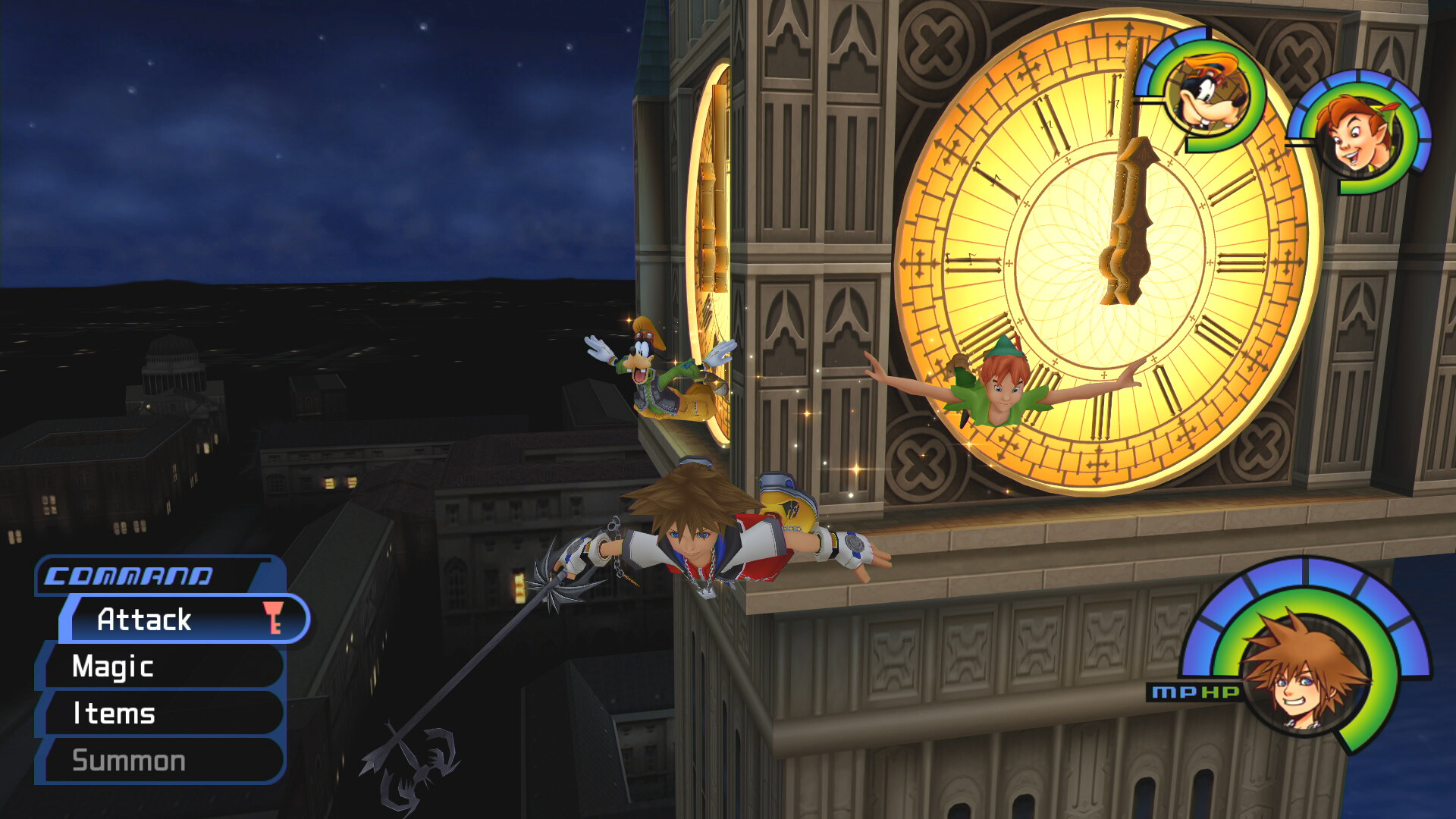
Imagine a narrow alley in Tokyo. A small poster in a station can tell you a lot about how a brand sees itself, whether it feels polished, rushed, or out of step. Kingdom Hearts works a bit like that online. One image can carry the weight of nostalgia, commercial strategy, and fan expectation at the same time. Highly recommended: if you want to follow these debates more closely, keep an eye on how official art gets discussed in Japanese game communities, because the tone is often sharper than it looks from the outside.
By the way, for Japanese learners, this is also a neat chance to notice real media vocabulary in context. Words like 最新 (saishin, latest), 新作 (shinsaku, new release; new work), and 配信 (haishin, distribution; streaming) appear often in game news, while fans may use katakana-heavy loanwords for design talk. You don’t need to memorise every term today, but spotting them in posts and comments can make Japanese feel much less abstract. This is my absolute hidden gem!
What This Means for Game Fans and Japanese Learners
The Kingdom Hearts collection issue is a good example of how quickly trust can be shaken by a single visual. Even when a company denies AI use, the audience may stay sceptical if the image itself looks off. That’s the modern reality for publishers: the art has to work, and it has to feel human enough to withstand scrutiny. Wait, there’s more.
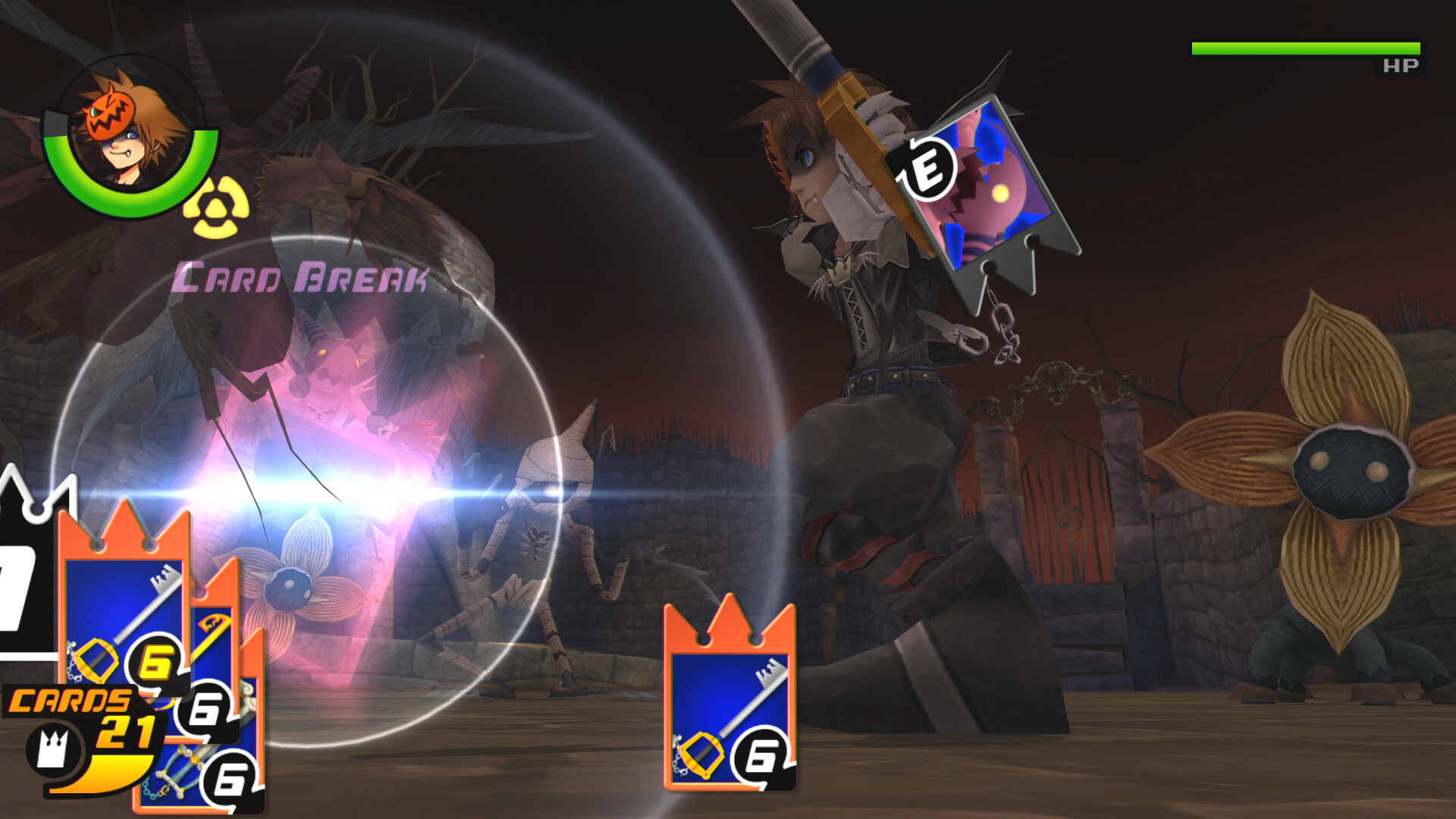
For Japan fans, there is another layer here. Japanese game companies often communicate carefully, and their visual branding is tightly controlled. When something looks unusual, overseas fans may jump to AI first, while Japanese fans might focus on whether the asset was submitted, approved, or simply mishandled. Both reactions are useful, because they show how global fandom reads the same image through different lenses.
Oh, almost forgot: if you’re learning Japanese through games, controversies like this can actually sharpen your reading habits. You start noticing how official statements are phrased, how fan reactions use emotional shorthand, and how product names like Kingudamu Hātsu are adapted in romaji discussions. That kind of real-world language use is far more memorable than a textbook sentence about cats and schools. Convinced yet?
If Square Enix wants to move past this cleanly, the best route is simple, clearer asset approval and sharper visual consistency. Fans of a long-running series want reliability, not confusion. And if you’re following Japan pop culture for both fun and language practice, this was one of those small but revealing episodes that shows how much an image can matter. more Japan news on jpnerd.com
In pictures
Frequently Asked Questions
Did Square Enix admit using AI for the Kingdom Hearts image?
No. Square Enix denied using AI for the promotional image.
Why did fans think the image was AI-generated?
Some viewers said the image had strange visual details and looked inconsistent, which triggered AI suspicions.
Why does this matter to Kingdom Hearts fans?
Kingdom Hearts has a strong visual identity, so any odd promotional art can quickly raise concerns about quality and trust.