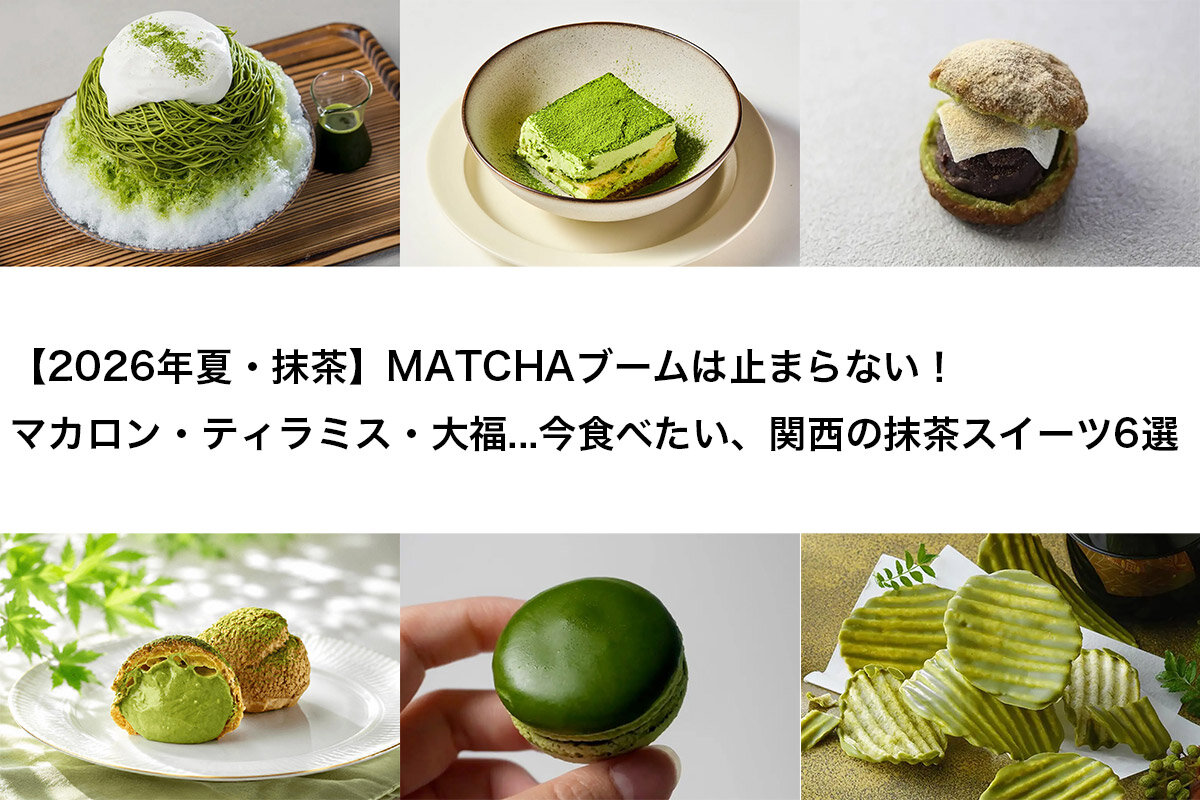
Ever wondered why かき氷 (kakigori, shaved ice) keeps coming back every summer in Japan? It’s simple: the shaved-ice base is light, quick, and endlessly adaptable, so brands like Café Kitsuné can turn it into something elegant without losing that playful street-season energy.
Café Kitsuné kakigori and the Japan-fusion mood
Café Kitsuné has always understood the sweet spot between Tokyo cafe culture and Parisian styling, and this kakigori release keeps that balance intact. The menu leans into classic Japanese summer vibes, but it doesn’t feel old-fashioned; it feels curated, almost like dessert with a fashion-editor mindset. That’s exactly why it stands out.
The best part is that each flavour has a clear personality. You’re not getting a blurry “seasonal special” here; you’re getting three distinct bowls with different colours, textures, and fragrance profiles. For Japan language learners, this is also a nice reminder that food vocabulary in Japanese often tells you a lot about what to expect, especially words like 抹茶 (matcha, green tea powder), 胡麻 (goma, sesame), and 桜 (sakura, cherry blossom), even before you taste anything. But that's not all.
Kakigori Sesame Cherry: nutty, dark, and a little surprising
Plot twist: the most intriguing flavour might be Kakigori Sesame Cherry. Sesame desserts are well loved in Japan, but they don’t always get the spotlight outside 和菓子 (wagashi, Japanese sweets) shops, so this one instantly feels more grown-up than the usual fruit syrup route. The sesame note should give the ice a deeper, roasted edge, while cherry adds brightness and a touch of tartness.
To be fair, sesame in a shaved-ice dessert sounds unusual at first. Sounds weird, but it's true; Japanese sweet menus are full of these kinds of contrasts, and that’s part of the fun. You’ll often see sesame described as goma in Japanese, and if you’ve studied dessert menus before, you probably know it shows up in ice cream, mochi, and even soft serve. Here, it should work especially well because kakigori is basically a blank canvas, and that darker nutty flavour can cut through the cold sweetness. Wait, there's more.
Why sesame works so well in summer
Quick detour: Japanese summer sweets don’t have to be bright and fruity all the time. A flavour like sesame can feel more satisfying in hot weather because it tastes rich without being heavy. That balance is a big reason why kakigori stays relevant year after year, from old-school festival stalls to polished cafe menus.
Insider tip: if you’re learning Japanese, pay attention to how often texture words show up in dessert writing. Words like ふわふわ (fuwa-fuwa, fluffy; airy), toro-toro, and shaki-shaki can matter just as much as the ingredients, because the experience is part of the product. But let's stick with Café Kitsuné for now.
Strawberry Coconut and matcha: two flavours, two different moods
Let me show you why Strawberry Coconut feels like the easiest crowd-pleaser in the lineup. Strawberry brings the familiar sweet-acid profile people expect from a summer dessert, while coconut adds a softer, creamier finish, so the whole bowl likely reads as tropical but still gentle. It’s the kind of flavour that makes sense on a first visit, especially if you want something refreshing rather than intense.
The matcha bowl, by contrast, is the one for people who want a more Japanese profile. Matcha is one of the most recognisable flavours in modern Japan cafe culture, and in kakigori it usually needs enough sweetness to avoid becoming too sharp. What I especially like is that when matcha is handled well, it gives you a clean, slightly bitter finish that makes you want another spoonful, not a sugar rush. Classic Japan, isn't it?
What Japan fans should notice
The cultural detail here is that kakigori has moved far beyond festival ice with syrup. Today, it can carry branding, design, and even cross-cultural identity, especially at a place like Café Kitsuné, which already lives between Japan and Europe. For example, you might see a dessert that looks minimal on the outside, but the flavour layering is much more intentional than it first appears.
The first time I went to Japan, I noticed how often summer food is built around relief as much as taste. A bowl of kakigori is cold, yes, but it also feels like a tiny reset in the middle of humid weather. That’s why these three flavours work together so well; they each deliver a different kind of summer mood, from bright strawberry to earthy matcha to sesame cherry’s deeper note. But that's not all.
How Café Kitsuné turns a simple ice dessert into a story
Know that feeling when a menu item looks so clean that you already want to photograph it? Café Kitsuné plays that game very well. The brand name itself carries a little Japan crossover cachet, and this kakigori release extends that identity without feeling forced. It’s dessert, but it’s also branding, atmosphere, and seasonality all at once.
My tip: if you’re studying Japanese, use menu reading as a low-pressure vocab exercise. Look for words like ichigo for strawberry, goma for sesame, and matcha for green tea, then compare how English menus translate them. That tiny habit helps you connect language with taste, which makes the words stick faster. And when a cafe like Café Kitsuné packages all that into three elegant bowls, the lesson feels delicious, not academic. Sounds good, right?
If you’re following Japan food news, this is exactly the kind of release worth watching, because it shows how Japanese dessert culture keeps evolving without losing its roots. The old idea of kakigori hasn’t disappeared; it’s just being dressed up in smarter, cooler ways. more Japan news on jpnerd.com
Frequently Asked Questions
What is kakigori?
Kakigori is Japanese shaved ice, usually topped with syrup, cream, fruit, or other dessert ingredients.
Which flavour sounds most traditional?
The matcha version feels closest to a classic Japanese cafe flavour.
Which flavour is the most unusual?
Kakigori Sesame Cherry is the most unexpected, because sesame is not a common shaved-ice flavour outside Japan.