Held at one of Tokyo’s most important museums, the workshop with Momoko Sazawa focuses on 練り切り (nerikiri, a molded seasonal sweet), elegant seasonal sweets, and a proper bowl of 抹茶 (matcha, powdered green tea). It’s a calm, craft-driven event, and honestly, that’s exactly why it stands out.
Wagashi and matcha at the Tokyo National Museum
The 和菓子 (wagashi, Japanese sweets) and matcha workshop at the Tokyo National Museum is a great example of how Japanese culture can feel both refined and welcoming at the same time. The venue alone matters here, because the Tokyo National Museum in Ueno is not just any event space, it’s Japan’s oldest and largest museum, founded in 1872. That setting gives the workshop real weight, and it changes the mood before you even pick up a sweet.
To be fair, a lot of Japan-themed events are all atmosphere and no substance. This one’s different. You’re not just looking at wagashi behind glass, you’re making them, learning how tea and sweets balance each other, and getting a closer look at the aesthetics that shape Japanese hospitality. Sounds good, right?
Nerikiri and matcha: small sweets, big meaning
Nerikiri is the star of the experience, and if you’re new to it, think of a soft, delicate wagashi made from sweet bean paste and rice flour dough. It’s often coloured and shaped to reflect the season, so a spring design might suggest 桜 (sakura, cherry blossom), while an autumn version could echo 紅葉 (momiji, autumn leaves; maple leaves). Hand on heart: this is one of the best entry points into Japanese seasonal culture, because the visual language is so easy to understand, even before you know the words.
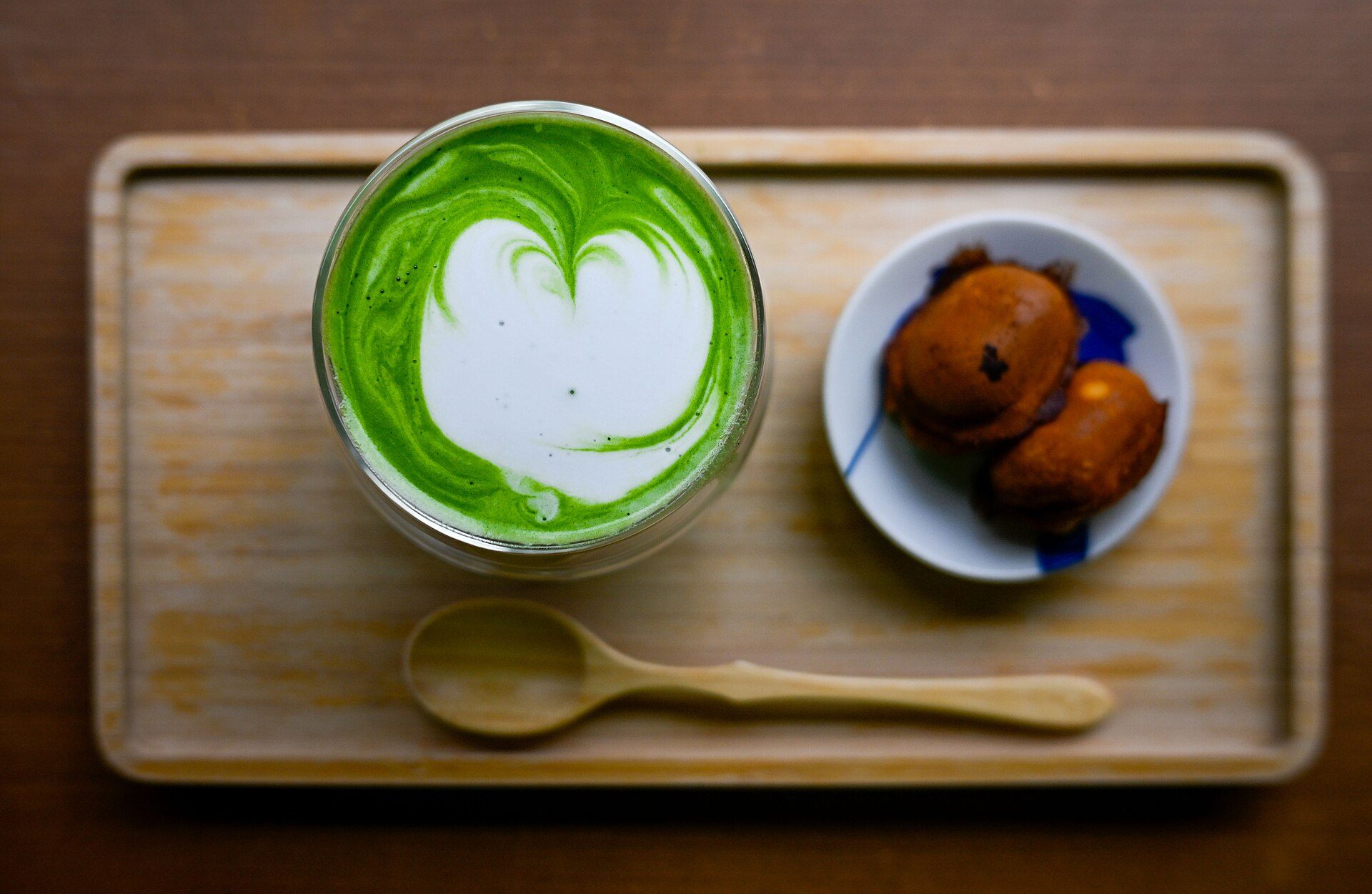
Then comes matcha, the powdered green tea that gives the whole workshop its rhythm. Unlike what we’re used to in casual tea breaks, matcha service is about texture, movement, and timing. The sweetness of nerikiri softens the tea’s slight bitterness, and that contrast is exactly the point. My tip: if you’re learning Japanese, learn the pairing vocabulary too, words like お土産 (omiyage, souvenir; gift), kisei, and kisetsu will come up often in cultural contexts. See what I mean?
Why the pairing matters
Let’s be honest: matcha alone can surprise first-timers, especially if they expect a sugary latte-style flavour. But when it’s served with wagashi, the whole experience clicks. The sweet bite prepares your palate, and the tea follows with a clean finish. Seriously though, once you understand that balance, a lot of Japanese tea culture makes more sense.
What I especially like is that this isn’t treated like a performance for tourists. The pairing is taught as a practice, with attention to form, season, and the feeling of the room. That makes it useful for learners too, because you’re not only hearing the words, you’re connecting them to taste and gesture. Personally, that’s the bit that tends to stick.
Workshop with Momoko Sazawa
The workshop is led by Momoko Sazawa, and that detail matters. A named instructor tells you this is not a vague drop-in tasting, but a guided craft session with a real specialist at the centre of it. Workshops like this usually run in a limited-format setting, often with small groups, because nerikiri shaping takes time and attention, and matcha preparation works best when people can actually follow the steps.
A great example: in a hands-on class like this, you might shape a floral nerikiri, press in fine details with simple tools, then whisk matcha into a bowl until the surface turns smooth and foamy. That process sounds simple, but it teaches a lot. You get to see how precision and softness can sit together in Japanese design, and that lesson reaches far beyond sweets. It also gives Japanese learners useful vocabulary in context, like omowase, omotenashi, and utsukushii, all tied to feeling and presentation. Sounds weird, but it's true.
A museum setting that changes the experience
Imagine a narrow alley in Tokyo. Now swap the noise for a quiet museum room, and swap convenience-store snacks for a seasonal sweet made by hand. That contrast is exactly why the Tokyo National Museum setting works so well. The museum’s historic atmosphere adds depth, and the workshop feels rooted in a larger cultural story rather than standing apart from it.
On the flip side, you don’t need to be deeply knowledgeable about tea ceremony to enjoy it. That’s the charm. The format is approachable, but it still respects the tradition behind it. For Japan fans, that’s a sweet spot. For language learners, it’s even better, because a real activity makes the vocabulary stick. Highly recommended: take notes on the names of the ingredients and tools while you’re there. You’ll remember them longer than any flashcard list. Sounds good, right?
Why Japan fans and learners should care
The first time I went to Japan, I was struck by how often food, season, and etiquette were woven together. This workshop captures that exact feeling in one place. It’s not just about eating a sweet and drinking tea, it’s about noticing shape, colour, timing, and the quiet discipline behind them.
If you’re building your Japanese, events like this are gold. You hear everyday cultural terms in a live setting, and you can connect them to something concrete instead of abstract textbook examples. You also get a better sense of how Japanese people talk about seasonality and presentation, which shows up everywhere from gift-giving to restaurant menus. Personally, that makes the whole experience worth more than the ticket price alone. See what I mean?
Frequently Asked Questions
What is the Tokyo National Museum workshop about?
It is a hands-on wagashi and matcha experience focused on seasonal sweets and tea aesthetics.
Who leads the workshop?
The workshop is led by Momoko Sazawa.
Why is this event interesting for Japan learners?
It connects cultural vocabulary, seasonal traditions, and practical experience in one setting.