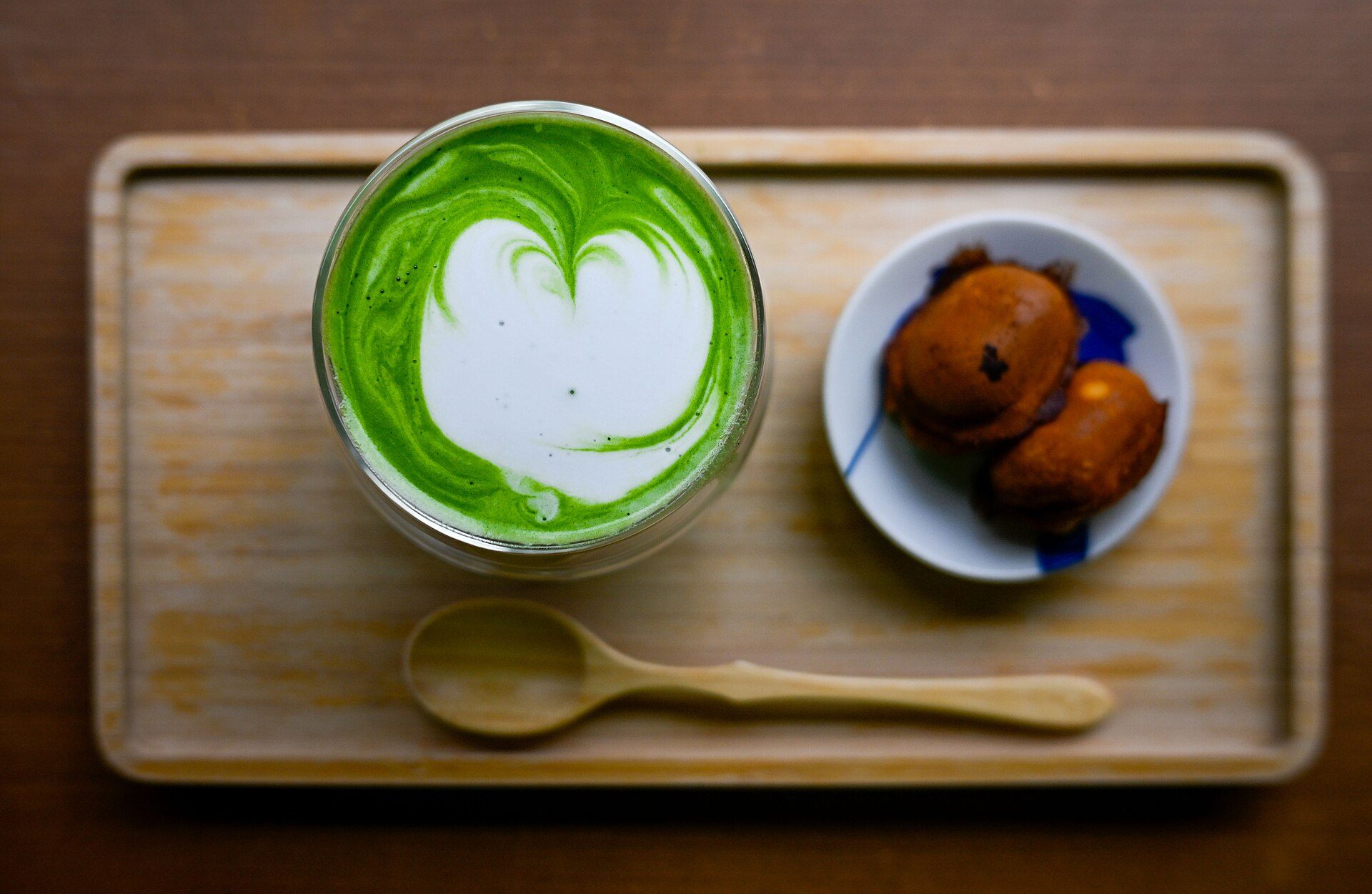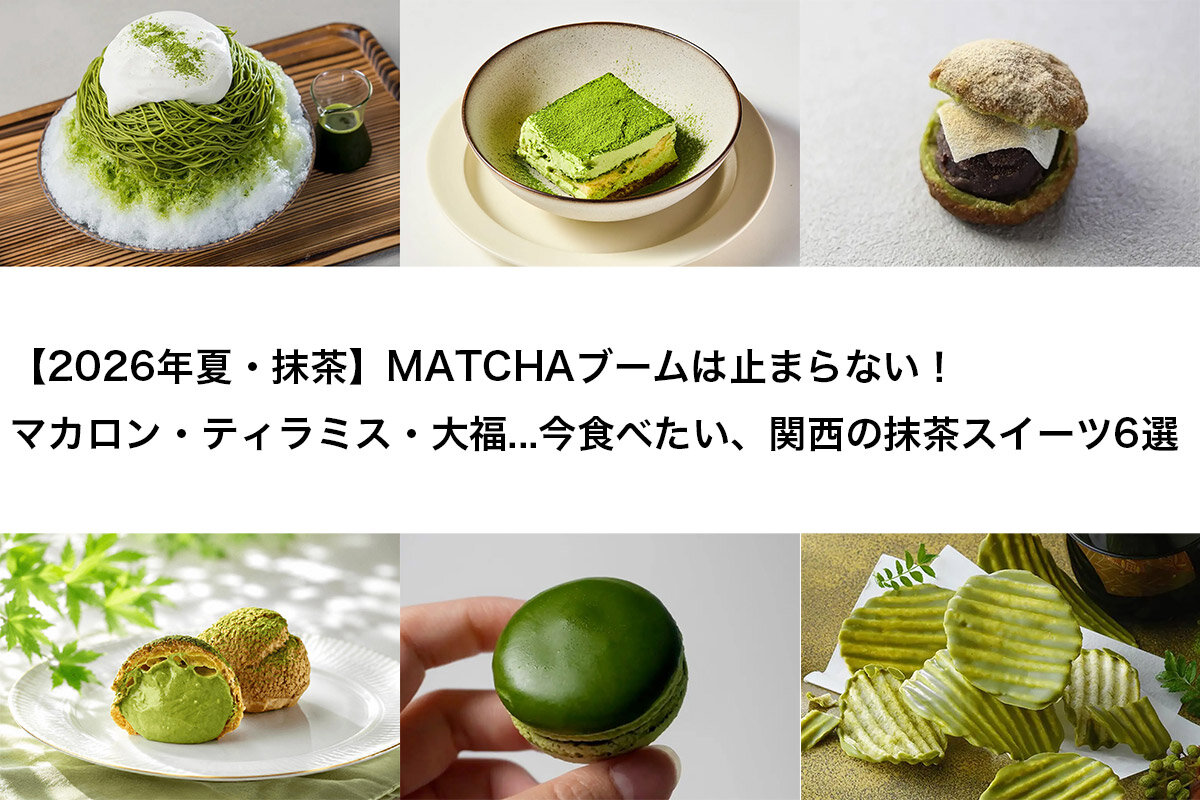
Let me show you why this matters for Japan fans and language learners alike, because food trends often tell you a lot about what people are craving, buying, and posting online. Classic Japan, isn’t it?
Why the Matcha Boom 2026 feels built for summer
Did you know that 抹茶 (Matcha, powdered green tea) isn’t only having a moment in drinks, it’s also moving deep into dessert menus for summer 2026? That shift makes sense. Matcha brings bitterness, freshness, and that vivid green colour people love to photograph, and it cuts through creamy sweets better than plain vanilla ever could.
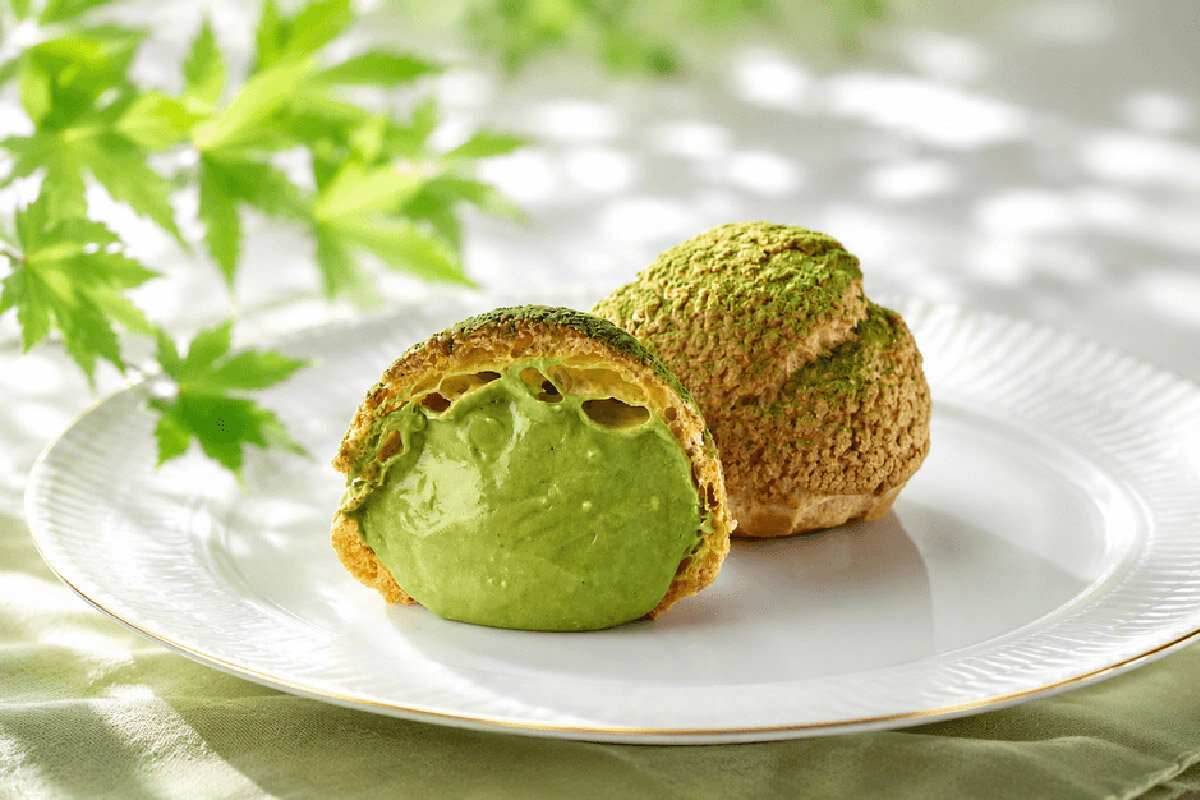
The strongest signal right now is how often matcha appears in layered, chilled, and handheld desserts. Cafés in Japan and beyond are pairing it with light textures, so the flavour feels less heavy in hot weather. No wonder, because summer desserts need balance, not just sweetness.
That reminds me: matcha has long been part of Japanese tea culture, but modern dessert makers keep reinventing it. You’ll hear words like お茶 (ocha) for tea, 和菓子 (wagashi) for Japanese sweets, and of course matcha itself. If you’re learning Japanese, this is a nice example of how one ingredient can sit at the crossroads of tradition and trend. Wait, there’s more.
Macarons, tiramisu, daifuku: the three desserts driving the trend
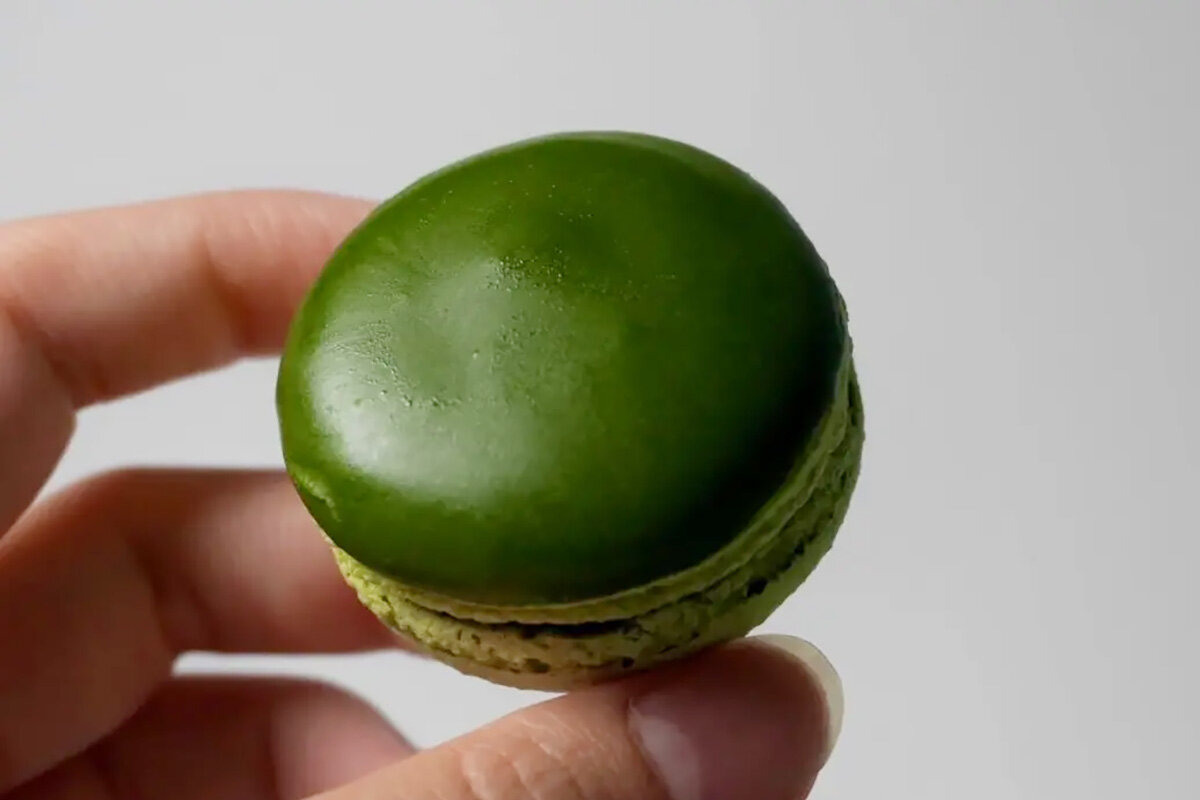
Take macarons, for instance. The matcha macaron works because the crisp shell and chewy centre frame the tea flavour without overwhelming it. French technique, Japanese taste, and a neat little photo-friendly bite, what’s not to like? In patisseries, it’s often paired with white chocolate, 小豆 (azuki, red beans), or 柚子 (yuzu, yuzu citrus) cream, all of which soften matcha’s earthy edge.
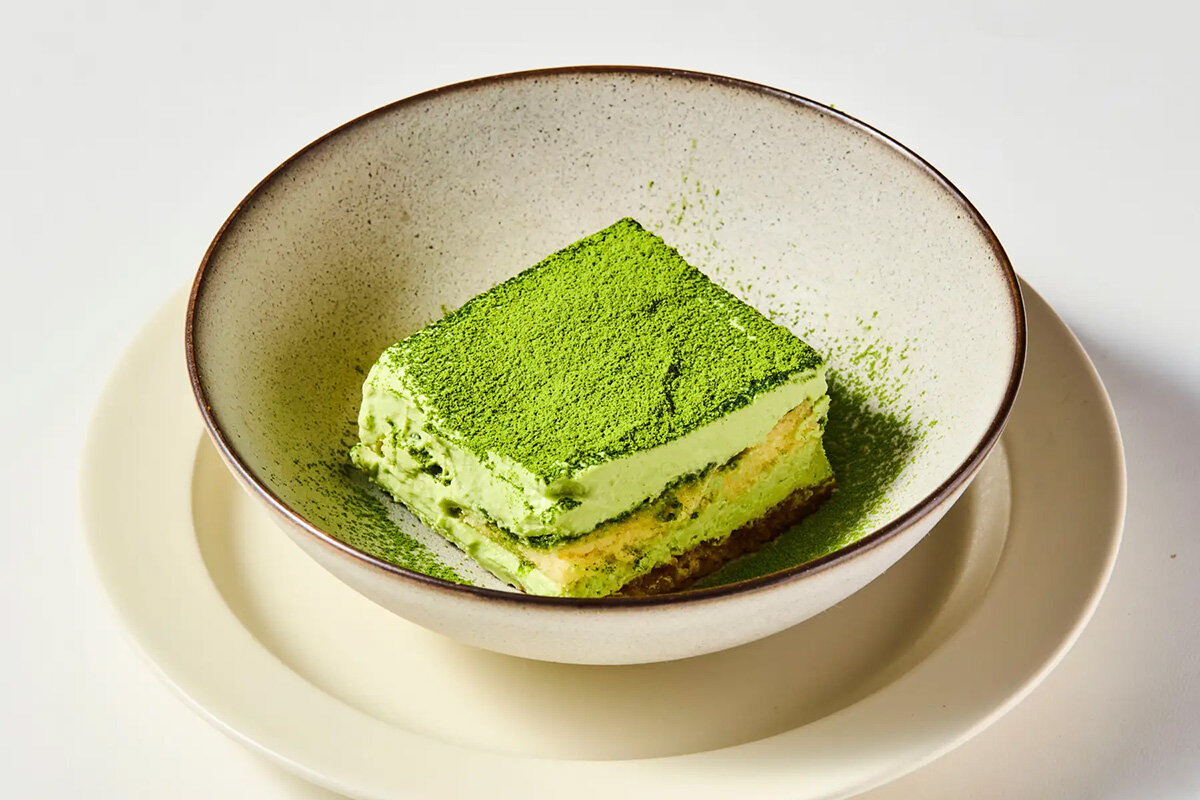
Speaking of which, matcha tiramisu has become a summer favourite because it feels cool, soft, and just a bit luxurious. Instead of cocoa, bakers dust the top with matcha powder, then layer mascarpone cream with sponge or ladyfingers. My tip: if you see it on a menu, try it before ordering coffee, since the tea notes can get lost after a strong drink. Sounds good, right?
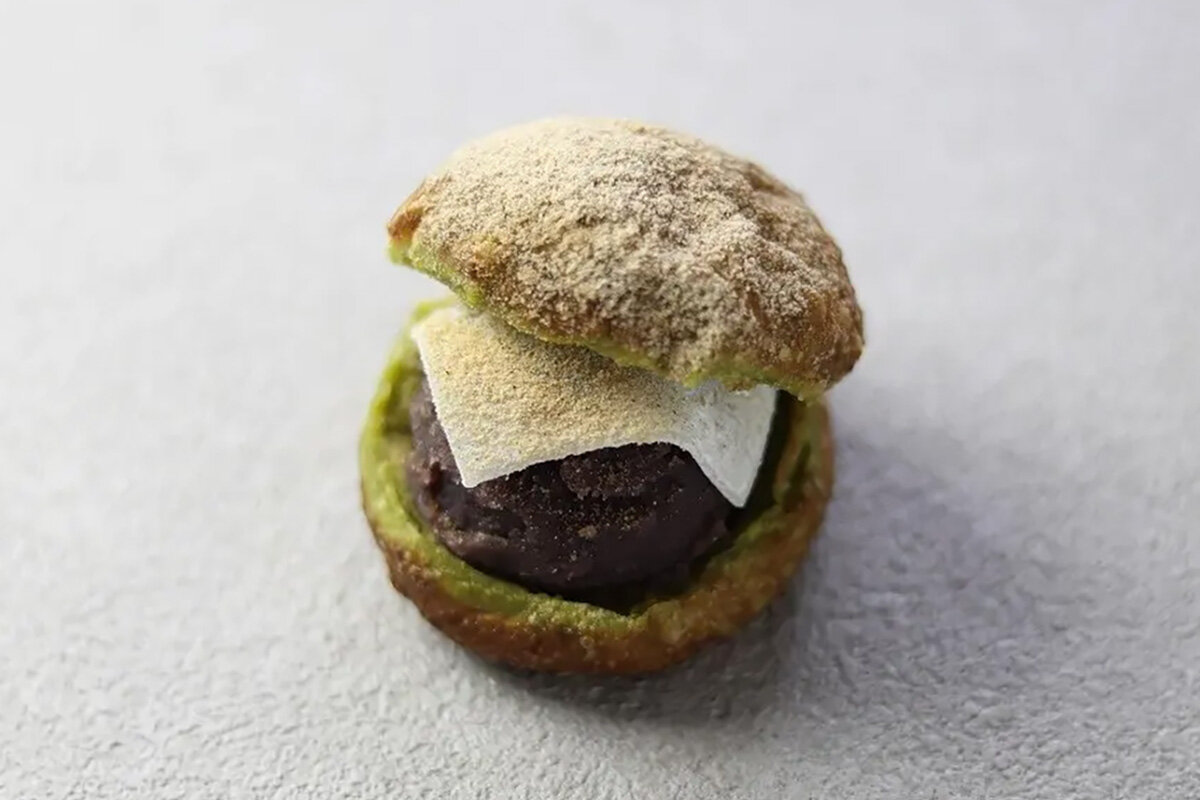
Then there’s 大福 (daifuku, sweet rice cake filled with bean paste), the Japanese rice-cake sweet that gives the trend its most unmistakably local shape. A matcha daifuku usually wraps soft mochi around anko, matcha cream, or even strawberry filling, and the result is chewy, creamy, and very Japanese. Hand on heart: this is the dessert that feels most tied to Japan’s everyday sweet culture, not just a global café remix. Classic Japan, isn’t it?
What’s pushing matcha into the 2026 summer spotlight?
Fun fact: the 2026 buzz isn’t happening in isolation. Food media, café openings, and drink rankings all point in the same direction. The German-language food-service outlet gvpraxis.food-service.de reported that matcha is climbing drink rankings again, while a ZDF report on tea production in Japan, covered by ruhr24.de, followed matcha harvesting in Uji, one of Japan’s best-known tea regions.
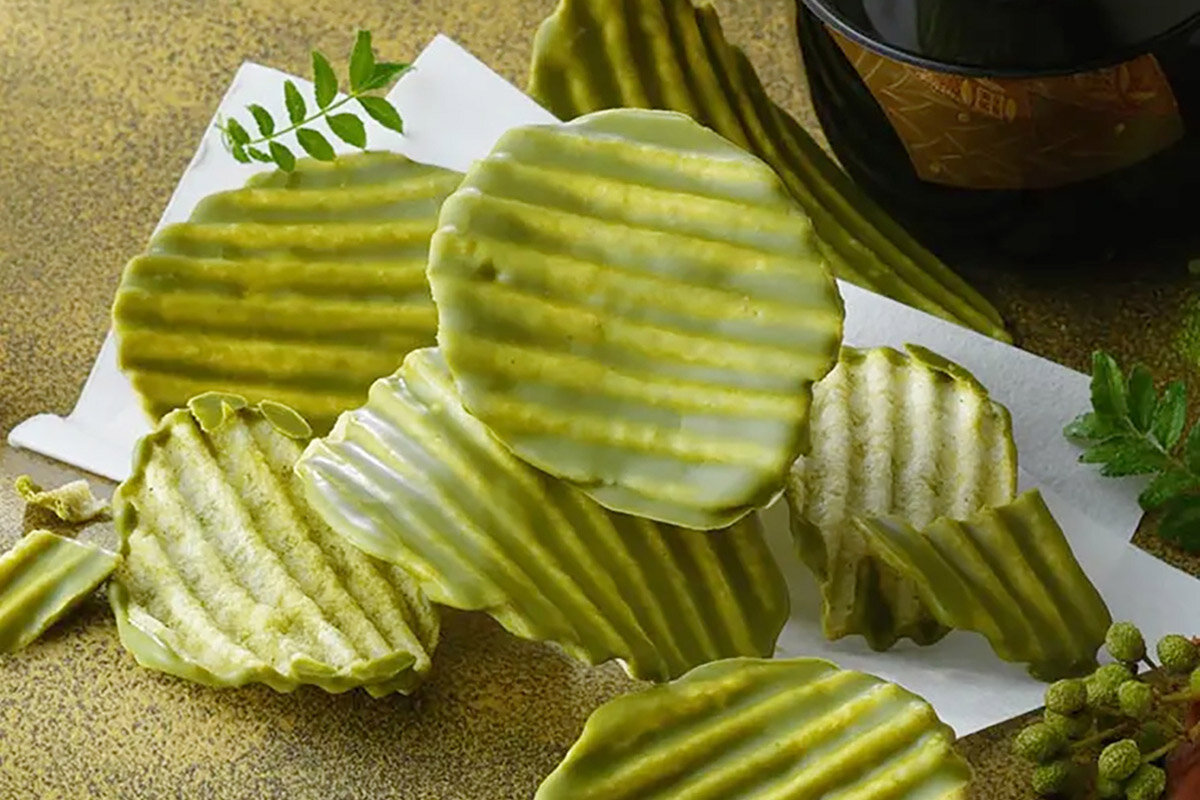
Uji matters here. It’s closely associated with high-quality matcha, and that reputation gives the ingredient a serious cultural anchor. When dessert shops use the word matcha, they’re not just choosing a colour, they’re tapping into a tea region with real prestige. That connection makes the trend feel rooted, not random.
There’s also the social media effect, of course. A bright green macaron or a tidy slice of matcha tiramisu practically begs to be posted, and shops know it. Take the café scene as a clue. Bazonline recently wrote about new matcha-focused cafés in Basel, and that tells you the style is no longer limited to Japan. It’s travelling well, because it photographs well. Wild, isn’t it?
How to read the trend if you study Japanese
Let me show you why this trend is useful for learners. Food vocabulary gives you easy, memorable Japanese in context, and dessert menus are packed with repeatable words. Matcha, wagashi, mochi, anko, and uji-cha are all terms you’ll spot in cafés, packaging, and travel writing.
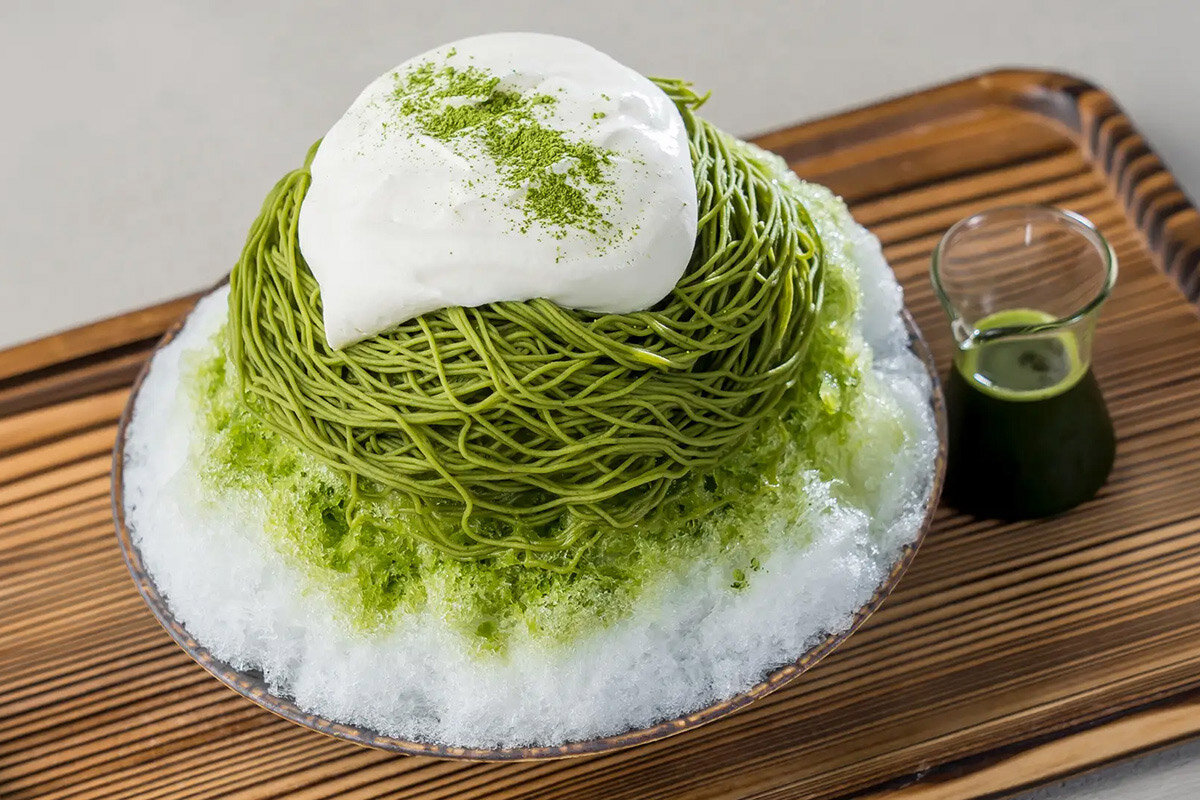
If you’re in Japan this summer, watch how menus describe texture. Terms like saibou, fuwafuwa, and mochi-mochi show up all the time, especially in sweets. They help explain whether something is fluffy, soft, or pleasantly chewy. Basically, dessert language in Japan is as much about mouthfeel as taste, and that’s part of the fun.
What I especially like is how matcha acts as a bridge word. Beginners recognise it instantly, while more advanced learners can start noticing related phrases, region names, and tea-culture references. So if you see a summer menu with matcha macarons, matcha tiramisu, or matcha daifuku, don’t just look at the photos, read the wording too. You’ll pick up a lot from a single dessert board. My verdict:
The matcha boom 2026 doesn’t feel like a gimmick. It’s a summer trend with real Japanese roots, clear dessert formats, and enough visual power to keep spreading from Tokyo cafés to European patisseries. For Japan fans, that makes it more than a flavour craze, it’s a small window into how Japanese food culture keeps travelling and changing. Speaking of which, you can find more Japan news on jpnerd.com.
In pictures
Frequently Asked Questions
Why is matcha so popular in summer 2026?
It works well in chilled desserts, looks striking, and fits café menus that want something fresh rather than heavy.
Which dessert is most closely linked to Japanese tradition?
Daifuku is the most directly connected to Japanese sweet culture, especially when made with mochi and anko.
Is matcha only a drink trend?
No, it’s spreading across desserts too, especially macarons, tiramisu, and soft rice-cake sweets.