
What I especially like is the mix of adventure and meaning. It’s not just about bragging rights, it’s about turning a tough climb into something that helps others, and that feels very Japan in the best possible way.
Sea to Summit Charity in Japan brings together three things people love about Japan travel: a big mountain, a clear challenge, and a cause that matters. Mount Fuji gives the event instant name power, but the real appeal is the journey, from sea level to 3,776 metres above it. If you’ve ever wanted a goal that feels physical, symbolic, and a little bit heroic, this is it.

For Japanese learners, there’s a nice bonus too. The whole idea can help you remember words like 山 (yama) for mountain, 海 (umi) for sea, and 寄付 (kifu) for donation. Seriously though, that’s the kind of vocabulary you actually remember when it’s tied to a real experience, not a flashcard. Classic Japan, isn't it?
Mount Fuji and the sea-to-summit concept
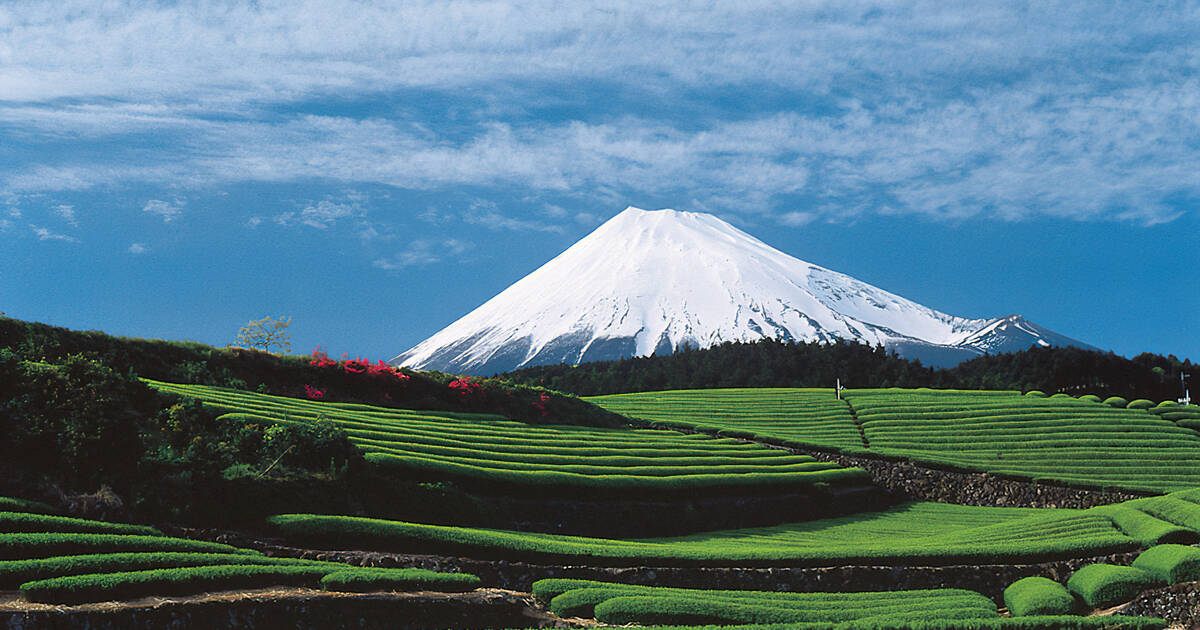
Mount Fuji, or Fuji-san, is Japan’s most famous peak and a UNESCO World Heritage site since 2013. It stands at 3,776 metres, and it’s climbed by thousands of people every summer during the official season, usually from early July to early September. The Sea to Summit format takes that already iconic mountain and turns it into a full-day or multi-day mission.
Here’s the thing: the phrase sea to summit isn’t just poetic. It describes a route or event that starts near the coast and ends at a summit, often with cycling, paddling, walking, or a mix of all three. That means the challenge is not only the final climb, but also everything that comes before it. No exaggeration, by the time you reach Fuji, your legs already know they’ve been on a journey.
Why Fuji makes the challenge stand out
Mount Fuji is special because it’s instantly recognisable, yet still demanding. The Yoshida Trail, the most popular route, starts at the 5th Station and usually takes around 5 to 7 hours up and 3 to 5 hours down for fit hikers, though charity event formats can vary. On a related note, climbing Fuji isn’t just a sporting goal, it’s also tied to pilgrimage, endurance, and a very Japanese sense of setting a clear target.
What I especially like is how Fuji changes mood with the weather and time of day. At sunrise, the mountain can feel almost unreal, and the Japanese term 御来光 (goraiko, sacred sunrise; the arrival of light), meaning the arrival of light or the sacred sunrise, fits the atmosphere perfectly. From my experience, that kind of moment sticks with you far longer than the tiredness in your calves.
How the charity side works
This event isn’t just a climb for fun. It’s linked to charity fundraising, and selected participants can get a 10% discount on the place fee, which makes the challenge a little easier to commit to. That sort of offer matters, because charity events often ask for both time and money, and a discount can help nudge someone from “maybe” to “I’m in.”
That’s why the sea-to-summit format works so well for fundraising. It gives supporters a story they can understand immediately, and stories raise money better than abstract appeals. A climb from sea level to Fuji-san has a built-in narrative arc, and that arc makes every donation feel attached to a concrete effort. Convinced yet?
What the 10% discount actually means
In practical terms, a 10% discount is modest, but useful. If a charity place costs a few hundred pounds, you’re still looking at a meaningful saving, and that could cover train fares, gear rental, or a meal after the climb. On the flip side, a discount doesn’t make the climb easier, and that’s part of the charm. The mountain still demands respect.
My tip: if you’re the kind of person who likes a goal with structure, use the discount as your starting point, not your selling point. Plan your training, book your transport, and think about fundraising early. Japanese events often reward preparation, and this one is no different. Personally, I’d call that very good value for an adventure with a purpose.
What Japan fans and language learners can take from it
For Japan fans, this kind of event is a neat reminder that Japanese travel isn’t only about temples, ramen, and neon streets. It can also be about endurance, community, and nature. Mount Fuji sits at the centre of all of that, and the sea-to-summit idea adds a fresh layer of meaning to a place people already know.
For learners, you can turn the event into a mini vocabulary list. Umi is sea, yama is mountain, 登り (nobori, climbing; ascent) means climbing, and challenge-related words like 保証 (hoshou, guarantee; warranty) are less useful here than simple action words you can actually use when talking about travel. Fun fact: if you watch Japanese hiking videos, you’ll hear people say 頑張ろう (ganbarou, let's do our best) or 頑張って (gambatte, do your best; hang in there) a lot, and that spirit fits this event perfectly.
Planning a Fuji climb the smart way
If you’re thinking about doing something similar, timing matters. The official climbing season is the safest period, mountain huts book up fast, and weather on Fuji can change quickly even in summer. Bring proper layers, gloves, a headlamp, and enough water, because altitude and fatigue can hit harder than expected.
And yes, the experience is still very Japanese in the best sense, because organisation matters. Trails are marked, huts are used efficiently, and you’ll often see clear rules about rubbish, timing, and safety. Wild, isn't it? A mountain can feel adventurous and orderly at the same time.
Frequently Asked Questions
What is Sea to Summit in Japan?
It is an endurance challenge that starts near the coast and finishes on Mount Fuji, often tied to charity fundraising.
Why is Mount Fuji used for this event?
Mount Fuji is Japan’s most famous mountain, so it gives the challenge strong symbolic value and a clear adventure appeal.
What does the 10% discount refer to?
It refers to a reduced price on selected charity places, making it a little easier to join the event.


