Deep in Okinawa's islands, there are a few horse breeds that carry local memory in their bones, and the Yonaguni pony is one of the clearest examples. If you like travel that rewards patience, small discoveries, and a bit of language learning along the way, this is exactly the kind of hidden gem that makes Japan feel endlessly layered.
The Yonaguni pony, Okinawa's small island horse with a big local role
Did you know that the Yonaguni pony is one of Japan's indigenous horse breeds, and that it comes from Yonaguni Island, the westernmost inhabited island in the country? That location alone gives it a certain edge-of-the-map energy, but the real story is more down to earth. This isn't a horse breed that was bred for show. It grew alongside island life, helping with farming and transport in a place where practicality always came first.
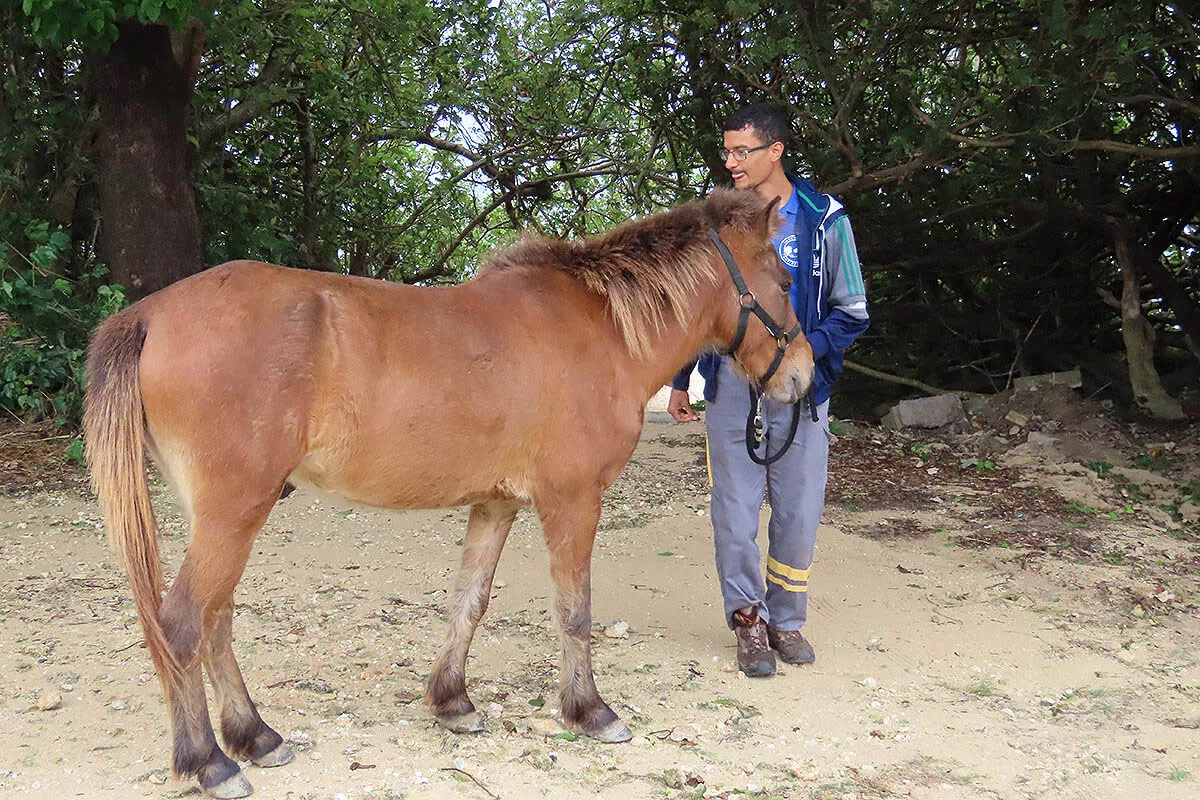
According to Visit Okinawa Japan, these horses are part of Okinawa's broader island heritage, and the Yonaguni pony stands out because it remained closely connected to local work and daily routines. The breed is small, sturdy, and adapted to island conditions, which makes perfect sense when you think about life on a remote outpost where every tool, animal, and person has to pull its weight. Pro tip: when a place is this far from the mainland, even the animals tell you something about how people lived there. There's more to it, too.
Why Yonaguni Island shaped the pony's character
Before I forget: Yonaguni isn't the kind of island where anything about life is accidental. It sits far out in the Yaeyama chain, and that isolation helped shape both the island's culture and the pony's form. Small size, endurance, sure-footedness, calm temperament... those are the qualities you'd expect from an animal living in a place where conditions can be tough and resources limited.
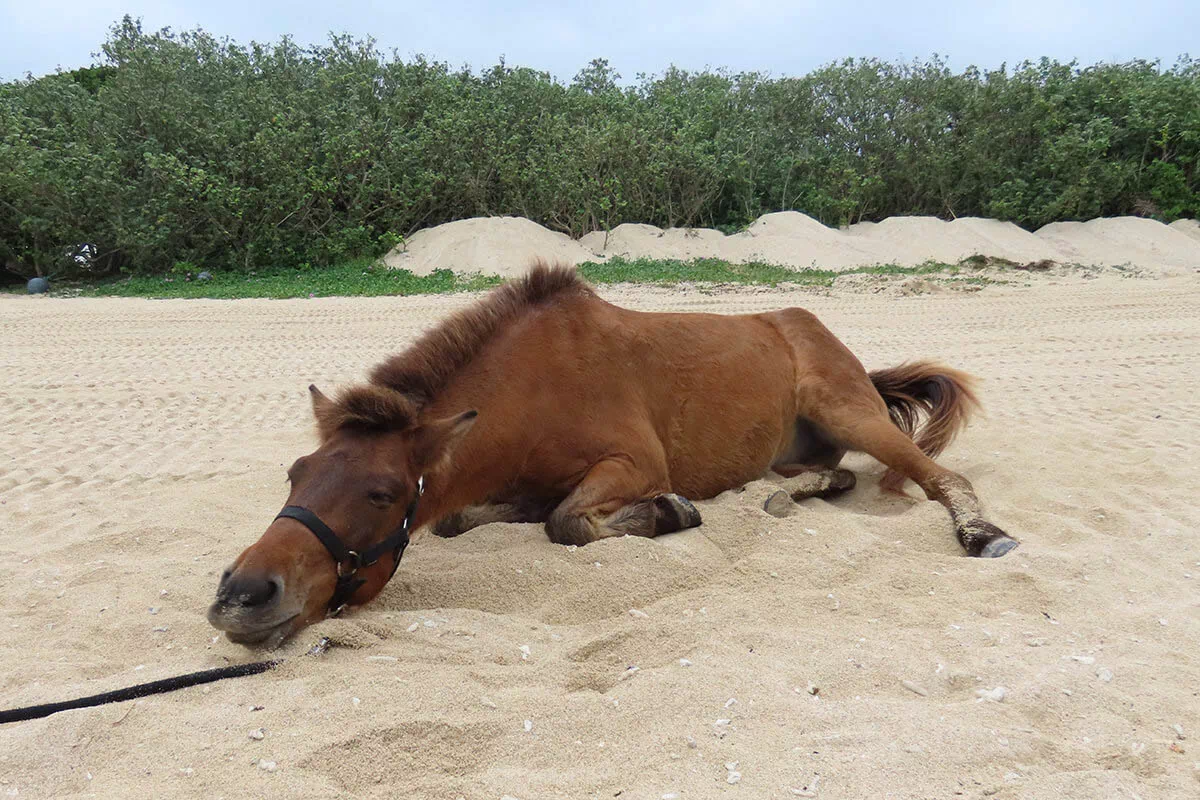
Seriously though, that's what makes the Yonaguni pony so interesting for travellers. You're not just looking at a rare animal, you're seeing a living link between geography and culture. And for Japan fans, that connection is gold, because it shows how local life in Japan is often written into everyday things, from food to dialect to livestock. The island's wider identity, like many parts of Okinawa, also sits within a region where language and tradition have their own rhythm, with Okinawan culture often showing itself in details that mainland Japan can miss if you move too fast. Convinced yet?



Travelling in Okinawa with a language-learner's eye
Let me show you why this matters beyond horse lovers. If you're learning Japanese, places like Yonaguni are great reminders that vocabulary lives in context, not in flashcards alone. Words like 島 (shima) for island, 馬 (uma) for horse, and 小さな (chiisana) for small feel much more memorable when you connect them to a real place, a real landscape, and a real local story. That little mental hook can help more than you might think.
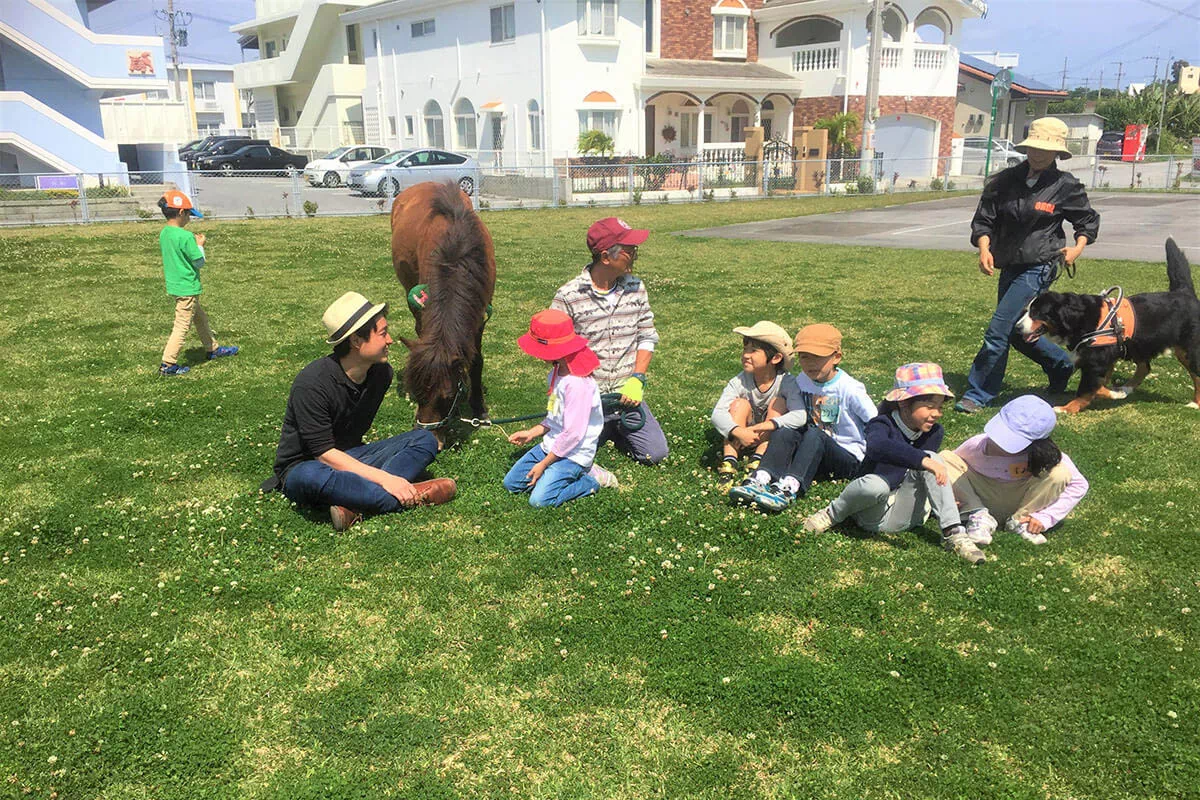
For example: if you read about the Yonaguni pony while planning a trip, you're also building a map in your head, and that map can include 漢字 (kanji, Chinese characters / kanji), local history, and the human scale of island travel. I especially like that kind of learning, because it doesn't feel forced. It feels like noticing. And Japan rewards noticing, again and again, in the best ways. But there's more.
How to think about indigenous horses when planning an Okinawa trip
Unlike what we're used to on mainland sightseeing routes, Okinawa travel often works best when you leave room for slower stories. The Yonaguni pony is one of those stories. You don't have to treat it like an attraction to tick off. Instead, think of it as a clue, something that helps you read the island more carefully, from its roads and fields to the way people have adapted to distance and limited space.
My tip: if you go exploring Okinawa's remote islands, keep an eye out for the less obvious layers, because that's where the good stuff lives. A pony breed may not sound like the biggest travel headline, but it can open a whole conversation about local resilience, island identity, and the quiet pride that keeps traditions going. That's classic Japan, isn't it? And if you want to keep following those stories, more Japan news on jpnerd.com is right there when you're ready. There's more to explore.
Frequently Asked Questions
What is the Yonaguni pony?
It is an indigenous horse breed from Yonaguni Island in Okinawa, known for its small size and long connection to local island life.
Why is the Yonaguni pony important?
It reflects the island's working history and helps show how geography shaped everyday life in remote Okinawa.
Is this a good topic for Japan learners?
Yes, because it connects language, local culture, and geography in a way that makes Japanese vocabulary easier to remember.